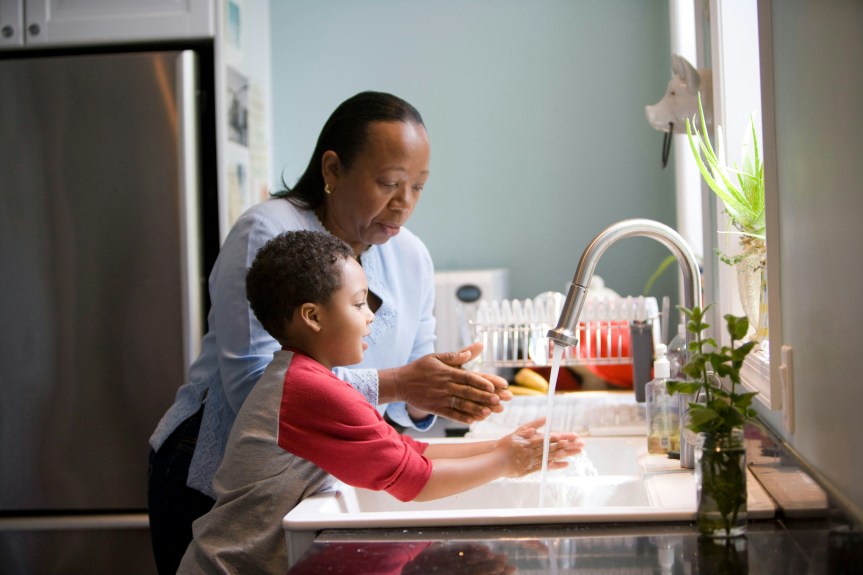
Giving Your Aging Loved Ones a Meaningful Role

By Roz Jones

Caregiving can slowly change the way a family sees an aging loved one. The person who once made decisions, gave advice, managed the household, raised children, or cared for everyone else may suddenly be seen mostly through the lens of what they now need help with.

That shift can happen without anyone meaning for it to. Appointments, medications, meals, transportation, and safety become the focus because they have to. But your loved one is still carrying a lifetime of knowledge, opinions, experiences, and abilities that deserve space too. The question is: are we still giving them opportunities to contribute, make decisions, and feel needed?

Before caregiving becomes only about what your loved one can no longer do, let’s look at how to keep them involved, valued, and connected to the family in meaningful ways.

Ask for Their Advice

Sometimes the simplest way to remind someone that their experience still matters is to ask what they think.

Ask your loved one how they handled a difficult season in their own life. Ask about a family tradition you want to continue. Ask how they prepared a certain meal, managed money when times were tight, raised children, handled conflict, built a career, or made an important decision.

You may not follow every piece of advice you receive, and that’s okay. The purpose isn’t to pretend your loved one has every answer.

It’s recognizing that years of living have given them experiences worth hearing.

Instead of only asking, What do you need? make room to ask, What do you think?

Give Them Something to Teach

Your aging loved one may know things that no one else in the family knows.

Maybe it’s a recipe that has never been written down. Maybe they know where the family came from, why certain traditions matter, how to sew, garden, repair something, prepare a favorite dish, play an instrument, or speak a language younger generations never learned.

Ask them to teach it.

This can be especially meaningful with grandchildren and younger family members. Rather than every visit being centered around checking on Grandma or Grandpa, give younger relatives something they can learn from them.

The National Institute on Aging encourages older adults to stay engaged in meaningful activities and maintain social connections because both can support well-being, independence, and a sense of purpose as people age.

Include Them in Decisions That Affect Them

There can be a fine line between helping an aging loved one and gradually making every decision for them.

Sometimes decisions do have to change because of health, safety, memory, mobility, or other concerns. But needing help in one area doesn’t automatically mean your loved one should lose their voice in every area.

Ask about preferences whenever they can participate.

What would they like to eat this week?

Which appointment time works better for them?

Who are they comfortable having in the home?

What activities would they actually enjoy?

What family traditions do they want to continue?

Even small decisions can help preserve a sense of independence when larger parts of life may already feel outside of their control.

Find Ways They Can Still Contribute

Contribution doesn’t have to mean taking on a major responsibility.

Your loved one may be able to help fold towels, choose the menu for Sunday dinner, water plants, read with a grandchild, help sort photographs, make phone calls to relatives, share family recipes, or help plan a celebration.

The activity itself isn’t necessarily the most important part.

What matters is that your loved one has an opportunity to participate rather than always being positioned as the person everyone else is doing things for.

Feeling valued and connected within family relationships can play an important role in emotional well-being, especially as routines and abilities change with age.

Pay Attention to What Still Brings Them Pride

Caregivers spend a lot of time noticing changes.

What can they no longer do safely?

What requires more assistance?

What symptoms have changed?

What needs to be monitored?

Those observations are important. But don’t let caregiving become so focused on decline that you stop noticing what still lights your loved one up.

Maybe your father still enjoys talking about the work he did for thirty years.

Maybe your mother takes pride in seeing everyone enjoy a recipe she taught the family.

Maybe your grandmother enjoys hearing that one of the grandchildren used advice she gave them.

Pay attention to those moments.

They tell you something about where your loved one still finds identity, pride, and purpose.

Preserve More Than Information

Documenting family history is valuable. Recording names, dates, recipes, photographs, and stories gives future generations something tangible to hold onto.

But here’s the shift I want to encourage: don’t wait until your loved one is gone to recognize the value of what they know.

Let them see that value now.

Ask the questions.

Listen to the stories.

Invite them into the decisions.

Let them teach.

Let them contribute in the ways they still can.

An aging loved one may need more assistance than they once did, but needing care does not erase the experiences, knowledge, opinions, and abilities they still bring to the family.

Preserving someone’s legacy isn’t only about what we save for later. It’s also about how we value them while they’re still here. For the beginning of this conversation, read the previous blog, Cherishing the Wisdom of Age.

Prepare for Your Next Trip

Planning to travel with an aging loved one? Download the free Vacationing with an Aging Loved One Checklist to help you prepare for medications, mobility needs, comfort, safety, and unexpected changes.

Tune in to The Caregiver Café Podcast

Dad’s Dementia: Grieving the Living with Phil Hill

In this episode of The Caregiver Café with Roz Jones, Roz is joined by security expert and former family caregiver Phil Hill for an honest conversation about caring for a parent through cognitive decline, dementia, and the final years of life.

Phil shares how he first began noticing changes in his father, including confusion, difficulty navigating familiar places, changes in his appearance, and trouble managing responsibilities that had once been routine. Those early signs led to doctor visits, cognitive testing, difficult decisions about driving, and eventually moving his father into his home.

As the primary caregiver, Phil had to learn how to coordinate support among family members while also caring for his wife, his children, his business, and himself. He explains how even small contributions from relatives, such as taking his father to the barber shop, spending an afternoon with him, or providing companionship, gave him valuable moments of rest.

Roz and Phil also discuss the emotional side of caregiving. Watching a parent decline can bring grief long before the person passes away. Caregivers may lose sleep, experience exhaustion, make difficult safety decisions, and manage behaviors their loved one may not fully understand or remember.

Give Yourself a Moment of Grace

Caregiving includes demanding days, unexpected changes, and moments of connection that may be easy to overlook. Moments of Grace offers encouragement to caregivers who need a reminder to pause and recognize the meaningful moments along the journey.

Preparing for hurricane season?
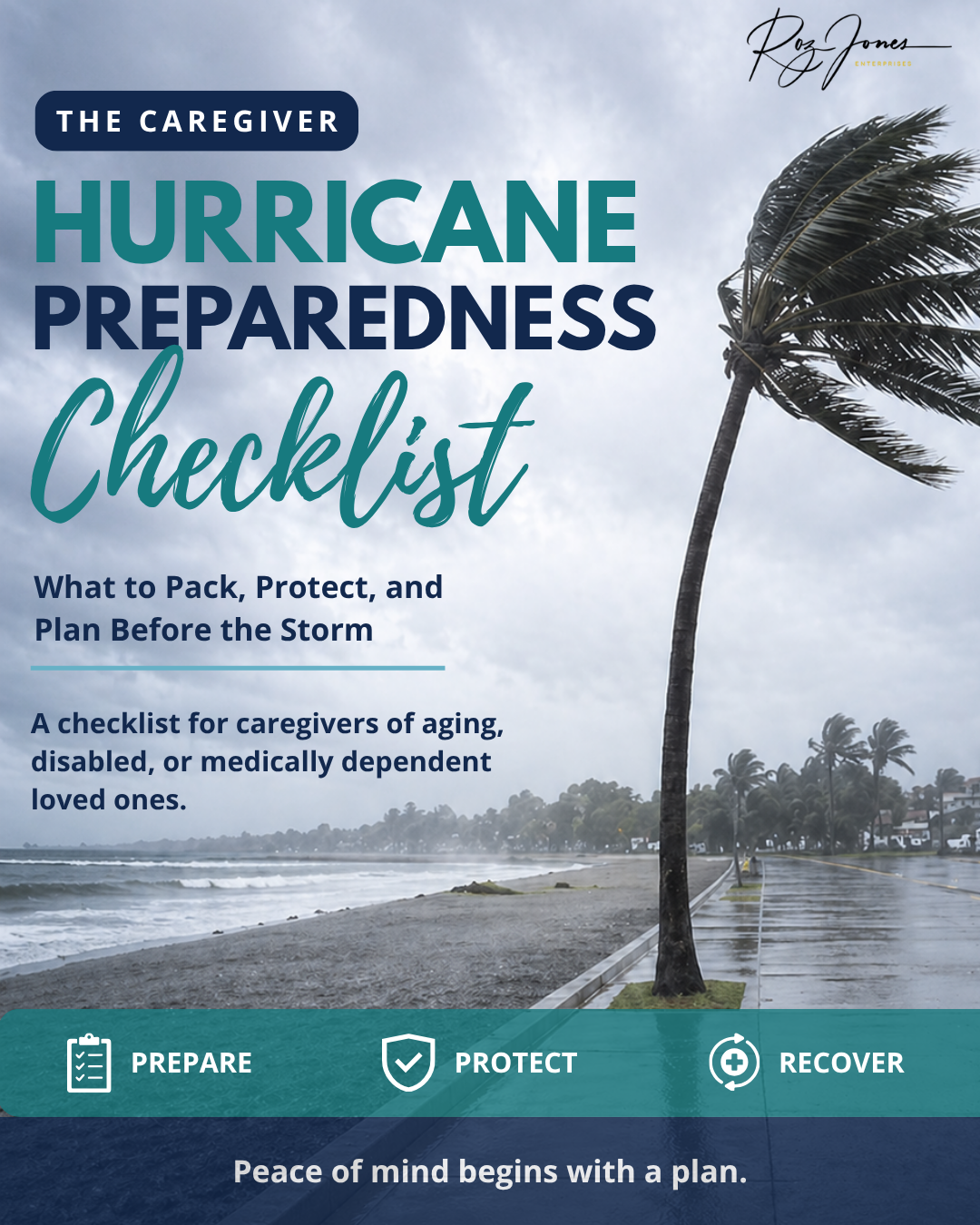
The Caregiver Hurricane Preparedness Checklist.

Are you preparing for hurricane season? Purchase the Caregiver Hurricane Preparedness Checklist to organize the information and supplies your family may need before severe weather arrives.

Subscribe to The Caregiver Cafe Weekly Newsletter!

Caregiving can be a roller coaster of ups and downs. The information that you will receive from The Caregiver Cafe Weekly Specials Newsletter will support you as a caregiver. Remember…

1. YOU ARE NOT ALONE: The problems you face as a caregiver are experienced by other caregivers. Knowing that you’re not alone can be comforting. 

2. Tools and Resources:  Find caregiver stress management tools and gain perspective from other caregiver’s experiences.

3. LEARN TO: Ask for help, accept help when it is offered, and acknowledge yourself on this caregiving journey. Hear from experts on how to balance caregiving responsibilities by taking care of your needs and involving others to help manage the natural stress and isolation of being a caregiver. 

What Caregivers Need to Understand About How Aging Changes Intimacy

By Roz Jones

Caregiving often brings attention to the most visible needs of an aging loved one.

Families focus on medications, appointments, meals, mobility, safety, memory changes, transportation, and daily routines. These needs matter. They help keep a loved one safe, supported, and cared for.

But an aging loved one is more than a care schedule.

They are still a whole person with a history, a body, emotions, relationships, desires, and a need for dignity. As the body changes, intimacy may also change. But the need for affection, companionship, respect, privacy, and emotional connection does not disappear.

For caregivers, this can be a sensitive topic. It may feel too private to discuss, especially when caring for a parent, spouse, or older relative. But avoiding the conversation completely can cause families to overlook important parts of a loved one’s emotional and physical well-being.

Intimacy after 60 is not only about sex. It can include holding hands, sitting close, praying together, sharing memories, gentle touch, laughter, companionship, and feeling seen beyond a diagnosis or care need.

Caregiving that honors the whole person must also honor the need for connection.

Intimacy Is Part of Whole-Person Care

Whole-person care means looking beyond the diagnosis, the medication list, and the next appointment. It means remembering that aging loved ones still need emotional safety, belonging, affection, and dignity.

For some older adults, intimacy may include sexual expression. For others, it may look like tenderness, closeness, conversation, or quiet companionship. These expressions of intimacy can reduce loneliness and help a loved one feel valued.

When caregiving becomes task-focused, intimacy can unintentionally be pushed aside. A spouse may become more of a caregiver than a partner. Adult children may become so focused on safety that privacy is forgotten. Family members may assume that illness, age, or disability has removed the need for affection.

Those assumptions can leave aging loved ones feeling unseen.

The form of intimacy may change, but the need for connection remains.

Aging Can Affect Confidence, Health, and Desire

As men age, their bodies may change in ways that affect intimacy. Decreased stamina, changes in desire, erectile dysfunction, fatigue, pain, medication side effects, prostate concerns, diabetes, heart disease, depression, anxiety, or changes in body confidence can all play a role.

These concerns can be difficult for older men to discuss.

A man who has always seen himself as strong, independent, or capable may feel embarrassed when his body begins to respond differently. He may withdraw from his partner. He may avoid medical conversations. He may become quiet, frustrated, or distant because he does not know how to explain what has changed.

Caregivers should approach these changes with compassion, not shame.

Changes in intimacy may be connected to larger health concerns. A conversation with a healthcare provider can help determine whether medications, chronic conditions, stress, or other factors are affecting sexual health or emotional closeness.

The caregiver’s role is not to intrude into private matters. The caregiver’s role is to encourage dignity, respect, and appropriate medical support when concerns arise.

Communication Helps Preserve Dignity

Communication becomes even more important when aging, illness, or caregiving changes a relationship.

Couples may need to talk about comfort, desire, pain, fatigue, fear, limitations, and new ways to remain close. These conversations may feel uncomfortable, but silence can create distance. Honest communication can help both people adjust with more tenderness and less confusion.

When a spouse becomes a caregiver, the relationship may shift. The routines of care can affect romance, privacy, patience, and emotional connection. Both people may grieve what has changed while trying to understand what closeness can look like now.

That process requires grace.

For adult children and other family caregivers, communication must be handled with sensitivity. They do not need to know every private detail, but they can help create an environment where loved ones are treated with respect and where health concerns are not ignored because of embarrassment.

Dignity is protected when families understand that older adults still deserve privacy, affection, and choice.

Privacy Is Part of Good Care

Caregiving often requires help with personal tasks such as bathing, dressing, toileting, mobility, and medication routines. These moments can make privacy harder to protect, but they also make privacy more important.

Small actions matter.

Knocking before entering a room.
Explaining care tasks before beginning.
Offering choices when possible.
Covering the body during personal care.
Allowing the loved one to do what they safely can on their own.

These practices help preserve dignity.

Privacy also matters for couples. If an aging loved one has a spouse or partner, their relationship should still be respected. When safety allows, couples may need private time together, emotional closeness, and space to remain connected without feeling watched or managed.

Aging does not remove the right to dignity.

Emotional Wellness Shapes Intimacy

Stress, grief, anxiety, depression, loneliness, and exhaustion can affect intimacy. This is true for the person receiving care and for the caregiver.

A loved one may feel like a burden. A spouse may feel overwhelmed by the demands of caregiving. A caregiver may be physically present but emotionally depleted. These emotional realities can affect affection, patience, communication, and closeness.

Support can make a difference.

Counseling, support groups, respite care, spiritual guidance, medical conversations, and family support can help caregivers and loved ones process change instead of allowing stress and silence to take over.

Healthy intimacy does not require everything to be the way it used to be.

It requires compassion, patience, honesty, and a willingness to stay connected in a new season.

Redefining Intimacy in a New Season

Aging may require couples and families to redefine intimacy.

What once felt natural may need to be adjusted. Illness, disability, memory changes, fatigue, pain, or caregiving responsibilities may change what is possible. But those changes do not remove the need for closeness.

Redefined intimacy may include shared routines, gentle touch, sitting together, listening to music, looking through photographs, praying together, laughing, or simply being present. For some couples, physical intimacy may continue with communication and medical guidance. For others, emotional closeness may become the most meaningful expression of love.

The value of intimacy is not measured by performance.

It is measured by connection.

When care becomes demanding, simple expressions of affection can remind everyone that the relationship is still more than the illness, the schedule, or the next task.

A Continuation of Care, Connection, and Belonging

In the previous blog, Embracing Intimacy: Sex After 60 for the Distinguished Gentleman, we discussed how aging loved ones need connection, stimulation, safety, and belonging as their care needs change. This conversation continues that message by reminding caregivers that connection also includes intimacy, affection, privacy, and emotional closeness.

Alzheimer’s, chronic illness, mobility changes, and aging can all affect how a loved one experiences the world. Caregivers must continue creating environments where loved ones feel safe, respected, and included. That includes the physical space, the emotional atmosphere, and the way the family protects dignity.

Care That Honors the Whole Person

Caregiving is not only about helping someone get through the day.

It is about honoring the person within the care.

Aging loved ones need safety, but they also need tenderness. They need medical attention, but they also need emotional connection. They need support with daily tasks, but they also need privacy and respect. They need families who remember that aging does not erase the desire to be loved, valued, and treated as a whole person.

For male aging loved ones, conversations about intimacy and sexual health may carry added layers of pride, vulnerability, or discomfort. These conversations should be approached with compassion instead of embarrassment.

When caregivers respond with dignity, they create room for better health, stronger relationships, and a more respectful care environment.

Aging changes many things.

But it does not remove the need for connection.

Care that honors intimacy is care that honors humanity.

Tune in to The Caregiver Café Podcast

In the first episode of The Caregiver Café with Roz Jones, Roz welcomes listeners into a space created to serve those caring for sick, aging, or vulnerable loved ones.

Roz shares the personal story that started her caregiving journey and how one unexpected hospital visit showed her just how quickly life can change. Through her experience, she reminds families of the importance of having documentation in order, including advance directives, healthcare surrogates, and backup support before a crisis happens.

This episode is a warm introduction to Roz, her heart for caregivers, and the purpose of The Caregiver Café: to provide resources, encouragement, and practical support that helps reduce stress, overwhelm, and safety concerns along the caregiving journey.

Pull up a chair. Roz has a seat waiting for you.

Give Yourself a Moment of Grace

If you need encouragement for the emotional side of caregiving, purchase Roz Jones’ book, Moments of Grace. This book offers support, reflection, and reminders of grace for the caregiver who is carrying a lot.

This journal was created to help caregivers pause, breathe, reflect, and find strength in the middle of the caregiving journey.

Purchase Moments of Grace today and give yourself permission to breathe in the middle of the caregiving journey.

Prepare Before the Emergency Comes

The Caregiver Hurricane Preparedness Checklist.

If you are caring for a loved one and want to be better prepared for storms, power outages, and unexpected caregiving emergencies, purchase the Caregiver Hurricane Preparedness Checklist. This resource can help you think through important details before a crisis is already at the door.

For only $1.99, this checklist gives you a simple starting point so you are not trying to gather everything during a storm, power outage, hospitalization, or sudden change in your loved one’s care.

Purchase the Caregiver Hurricane Preparedness Checklist for $1.99 today and take one more step toward peace of mind.

Need Help Sorting Through the Care Plan?

Roz Jones is a dedicated caretaker turned CEO with over a decade of experience in helping families care for and make decisions for loved ones and their legacies.Roz is a compassionate, innovative healthcare industry leader.

If your family needs help thinking through care decisions, caregiving responsibilities, or next steps, book a session with Roz Jones. You do not have to navigate this season alone.

Together, we can talk through what is working, what is becoming too heavy, and what boundaries need to be strengthened so you can continue to care without losing yourself in the process.

Subscribe to The Caregiver Cafe Weekly Newsletter!

Caregiving can be a roller coaster of ups and downs. The information that you will receive from The Caregiver Cafe Weekly Specials Newsletter will support you as a caregiver. Remember…

1. YOU ARE NOT ALONE: The problems you face as a caregiver are experienced by other caregivers. Knowing that you’re not alone can be comforting. 

2. Tools and Resources:  Find caregiver stress management tools and gain perspective from other caregiver’s experiences.

3. LEARN TO: Ask for help, accept help when it is offered, and acknowledge yourself on this caregiving journey. Hear from experts on how to balance caregiving responsibilities by taking care of your needs and involving others to help manage the natural stress and isolation of being a caregiver. 

The Caregiver Circle: Why Strong Support Makes Stronger Care

By Roz Jones

Caregiving is not only about what one person can carry.

It is about what happens when the right people, resources, and plans are placed around the caregiver before the weight becomes too heavy. Many caregivers step into the role with love, loyalty, and a deep sense of responsibility. They manage appointments, medications, meals, transportation, household needs, emotional changes, and family updates. They learn how to adjust quickly, respond calmly, and keep going even when their own bodies and minds are tired.

But caregiving was never meant to be a one-person assignment.

When one caregiver becomes the only person who knows the routine, understands the care needs, manages the emergencies, and holds the family plan together, the care system becomes fragile. It may appear steady from the outside, but inside, the caregiver may be exhausted, isolated, and silently overwhelmed.

That is why building a caregiver circle matters.

A strong caregiver circle is not just a list of people who care. It is a support system that understands what is needed and knows how to respond. It includes family, friends, neighbors, community resources, healthcare professionals, respite care, support groups, and spiritual or emotional support. It gives the caregiver room to breathe while making sure the loved one continues to receive steady care.

Support Is Part of the Care Plan

Many caregivers are used to doing what needs to be done without asking for much in return. They may believe that asking for help means they are not strong enough. They may feel guilty for needing rest. They may hesitate to share the full picture because they do not want to worry anyone else.

But support is not a sign of weakness.

Support is part of a healthy care plan.

A caregiver who has support is better positioned to make thoughtful decisions, respond to emergencies, and remain emotionally present for the loved one receiving care. Without support, even the most committed caregiver can become worn down by the constant pressure of being needed.

Caregiving requires strength, but it also requires connection. It requires someone to step in when the caregiver needs rest. It requires someone to listen when the caregiver needs to talk. It requires someone to help organize information, prepare for emergencies, and share responsibility when the needs become too much for one person to carry alone.

The Danger of Carrying the Plan Alone

One of the hardest parts of caregiving is that much of the work is invisible.

Others may see the doctor’s appointment, but they may not see the hours spent scheduling it, preparing questions, gathering medications, arranging transportation, and explaining everything afterward. Others may see the meal on the table, but they may not see the planning, shopping, dietary changes, and worry behind it. Others may know that care is being provided, but they may not understand how much mental and emotional energy it takes to keep everything moving.

When the care plan lives mostly in one person’s head, the caregiver becomes the calendar, the emergency contact, the medication tracker, the decision-maker, and the family update system.

That is too much for one person.

A strong caregiver circle helps move the plan out of one person’s head and into a shared structure. It allows others to understand what is happening, what needs attention, and where they can help. It also protects the caregiver from becoming the only person everyone depends on during a crisis.

Building Relationships That Can Hold Care

Caregiving relationships need more than concern. They need communication, clarity, and consistency.

Some family members may want to help but may not know what to do. Others may assume the primary caregiver has everything handled because they have not been told otherwise. Sometimes the caregiver is frustrated that no one is stepping in, while family members are waiting to be asked.

This is where clear communication becomes important.

Instead of only saying, “I need help,” caregivers benefit from naming specific needs. A relative may be able to take over transportation once a week. A neighbor may be willing to check in after a storm. A friend may be able to sit with a loved one while the caregiver runs errands. A family member who lives far away may be able to manage phone calls, paperwork, research, or appointment reminders.

Help becomes easier when people understand what kind of help is needed.

Building relationships that can hold care also means telling the truth before resentment builds. Caregivers do not have to wait until they are angry, exhausted, or at a breaking point before having family conversations. Support works best when it is built early, not after the crisis has already arrived.

The Value of Other Caregivers

There is a different kind of comfort that comes from connecting with someone who understands caregiving from the inside.

Other caregivers know what it feels like to be tired and still show up. They understand the emotional weight of making decisions for someone else. They know how hard it can be to balance love, frustration, fear, and responsibility. They understand why rest can feel difficult, even when it is necessary.

Caregiver support groups, online communities, local organizations, and faith-based groups can offer a place to speak honestly without having to explain every detail. These spaces can provide practical ideas, emotional encouragement, and reminders that the caregiver is not alone.

For male caregivers especially, support spaces can be important because caregiving conversations often overlook their experiences. Many men are caring for spouses, parents, siblings, relatives, and loved ones while also carrying expectations to stay strong, quiet, and in control. A support network gives male caregivers permission to be honest about the weight they are carrying and the help they need.

Professional Support Has a Place

Family support is important, but there are times when professional support is needed too.

A therapist or counselor can help caregivers process stress, grief, anger, guilt, and burnout. A care manager can help organize next steps and connect the family with resources. A respite care provider can give the caregiver time away without leaving the loved one unsupported. Community agencies, senior centers, caregiver organizations, and healthcare teams can also provide education, referrals, and practical guidance.

Seeking professional support does not mean the caregiver has failed.

It means the caregiver understands that this journey requires more than endurance. It requires tools. It requires planning. It requires spaces where the caregiver’s well-being is also considered.

Respite Is Not Abandonment

Many caregivers struggle with taking breaks because they feel responsible for being available all the time. But constant availability is not the same as healthy caregiving.

Respite care gives caregivers time to rest, handle personal needs, attend appointments, sleep, work, worship, exercise, or simply sit quietly without being on alert. These breaks are not selfish. They are necessary.

A caregiver who never has time to recover is at greater risk for burnout, frustration, and health challenges. Rest helps protect the caregiver’s ability to continue providing care with patience, steadiness, and compassion.

Caregivers must be reminded that stepping away for a short time does not mean they have stepped away from love. It means they are making room to continue.

Preparation Strengthens the Circle

Support should not begin at the moment of emergency.

Every caregiver circle needs a plan. That plan should include who to call, where important documents are kept, what medications are being taken, what routines matter, what signs require urgent attention, and what should happen during severe weather, power outages, or sudden health changes.

Preparation helps reduce panic. It allows family members and support people to respond with more confidence. It also keeps the primary caregiver from having to explain everything in the middle of a crisis.

In the previous blog, Are You Blocking or Building Strong Relationships as a Caregiver? we talked about the importance of having the right conversations before the caregiver becomes overwhelmed and before crisis makes every decision harder. This conversation continues that message by reminding families that support must be built before it is urgently needed.

Caregiving Needs Community

Caregiving is an act of love, but love still needs structure.

Love needs a plan.
Love needs communication.
Love needs backup.
Love needs rest.
Love needs people who are willing to show up with more than concern.

The caregiver circle does not have to be large to be meaningful. It simply needs to be honest, dependable, and willing to share the weight of care. One person helping with transportation, one person helping with meals, one person helping with paperwork, one person offering respite, and one person checking in emotionally can make a real difference.

Caregivers should not have to disappear inside the role in order to prove their love.

They deserve support.
They deserve rest.
They deserve preparation.
They deserve community.

Strong care is not built by one person carrying everything alone. Strong care is built when the caregiver is surrounded, supported, and strengthened for the journey ahead.

Tune in to The Caregiver Café Podcast

In the first episode of The Caregiver Café with Roz Jones, Roz welcomes listeners into a space created to serve those caring for sick, aging, or vulnerable loved ones.

Roz shares the personal story that started her caregiving journey and how one unexpected hospital visit showed her just how quickly life can change. Through her experience, she reminds families of the importance of having documentation in order, including advance directives, healthcare surrogates, and backup support before a crisis happens.

This episode is a warm introduction to Roz, her heart for caregivers, and the purpose of The Caregiver Café: to provide resources, encouragement, and practical support that helps reduce stress, overwhelm, and safety concerns along the caregiving journey.

Pull up a chair. Roz has a seat waiting for you.

Give Yourself a Moment of Grace

If you need encouragement for the emotional side of caregiving, purchase Roz Jones’ book, Moments of Grace. This book offers support, reflection, and reminders of grace for the caregiver who is carrying a lot.

This journal was created to help caregivers pause, breathe, reflect, and find strength in the middle of the caregiving journey.

Purchase Moments of Grace today and give yourself permission to breathe in the middle of the caregiving journey.

Prepare Before the Emergency Comes

The Caregiver Hurricane Preparedness Checklist.

If you are caring for a loved one and want to be better prepared for storms, power outages, and unexpected caregiving emergencies, purchase the Caregiver Hurricane Preparedness Checklist. This resource can help you think through important details before a crisis is already at the door.

For only $1.99, this checklist gives you a simple starting point so you are not trying to gather everything during a storm, power outage, hospitalization, or sudden change in your loved one’s care.

Purchase the Caregiver Hurricane Preparedness Checklist for $1.99 today and take one more step toward peace of mind.

Need Help Sorting Through the Care Plan?

Roz Jones is a dedicated caretaker turned CEO with over a decade of experience in helping families care for and make decisions for loved ones and their legacies.Roz is a compassionate, innovative healthcare industry leader.

If your family needs help thinking through care decisions, caregiving responsibilities, or next steps, book a session with Roz Jones. You do not have to navigate this season alone.

Together, we can talk through what is working, what is becoming too heavy, and what boundaries need to be strengthened so you can continue to care without losing yourself in the process.

Subscribe to The Caregiver Cafe Weekly Newsletter!

Caregiving can be a roller coaster of ups and downs. The information that you will receive from The Caregiver Cafe Weekly Specials Newsletter will support you as a caregiver. Remember…

1. YOU ARE NOT ALONE: The problems you face as a caregiver are experienced by other caregivers. Knowing that you’re not alone can be comforting. 

2. Tools and Resources:  Find caregiver stress management tools and gain perspective from other caregiver’s experiences.

3. LEARN TO: Ask for help, accept help when it is offered, and acknowledge yourself on this caregiving journey. Hear from experts on how to balance caregiving responsibilities by taking care of your needs and involving others to help manage the natural stress and isolation of being a caregiver.