By Roz Jones
Wellness in the later stages of life cannot be measured by physical health alone. An aging loved one may take every medication correctly, attend every medical appointment, and follow every recommendation from their healthcare provider while still feeling lonely, discouraged, disconnected, or uncertain about their place within the family.
This is why caring for an aging loved one requires more than managing a diagnosis or completing a list of daily responsibilities. Meaningful care considers the entire person, including their physical comfort, emotional health, social connections, spiritual beliefs, cultural identity, personal preferences, and continuing need for purpose.
Holistic wellness recognizes that each of these areas influences the others. Physical pain can affect sleep and mood. Loneliness can reduce appetite and motivation. A loss of independence can affect confidence and emotional well-being. Feeling disconnected from familiar people, traditions, or beliefs can leave an aging loved one without the sense of comfort and belonging they once relied upon.
Supporting the whole person does not mean caregivers must create a perfect wellness routine or address every need at the same time. It means looking beyond what must be completed and considering how an aging loved one is experiencing the life surrounding their care.
Looking Beyond Physical Care
Caregiving often begins with immediate and practical needs. Families focus on medications, meals, transportation, personal care, household safety, mobility, and medical appointments because these responsibilities cannot be ignored. However, a care plan that addresses only physical needs may still leave an aging loved one feeling overlooked.
A person may be safe at home but deeply isolated. They may receive nutritious meals but have little desire to eat because they are always eating alone. They may attend every appointment while having no opportunity to discuss the grief, fear, or frustration that accompanies changes in their health and independence.
Holistic care encourages families to consider both the task and the experience. It asks whether the aging loved one feels heard during medical conversations, whether they are included in decisions, whether their daily routine reflects their preferences, and whether they still have opportunities to enjoy the relationships and activities that give their life meaning.
This does not require caregivers to solve every concern. It requires enough awareness to recognize that successful caregiving involves more than preventing harm. It also involves preserving dignity, identity, connection, and quality of life.
Creating a More Nourishing Mealtime Experience
Nutrition plays an important role in maintaining strength, energy, healing, and overall health. As people age, changes in appetite, taste, digestion, dental health, mobility, and medication use may affect how and what they eat. Certain health conditions may also require adjustments to familiar meals.
Although these changes may be necessary, food should not become another area in which an aging loved one feels they have lost control.
Food often carries meaning beyond nutrition. It may represent family traditions, cultural identity, celebrations, comfort, and memories of people or places that remain important. Replacing every familiar meal without including the aging loved one in the discussion can make eating feel restrictive and unfamiliar.
Whenever possible, caregivers can offer choices that remain appropriate for the loved one’s health needs. Familiar recipes may be modified rather than completely removed, and favorite foods may sometimes be included in portions or forms approved by the healthcare team.
Changes in appetite should also be considered carefully. An aging loved one who is eating less may be experiencing medication side effects, dental pain, difficulty swallowing, depression, grief, loneliness, or changes in taste and smell. The concern may not simply be a lack of interest in food.
The environment surrounding the meal can also affect how much a person eats. Comfortable seating, appropriate utensils, good lighting, and enough time to finish without feeling rushed may improve the experience. Sharing the meal with another person can provide companionship and make eating feel like a meaningful part of the day instead of another care task.
When concerns about weight loss, hydration, swallowing, or nutritional needs arise, caregivers should involve an appropriate healthcare professional. The goal is not only to serve healthier meals but to create an approach to nourishment that supports physical health while preserving dignity, comfort, and personal choice.
Making Emotional Wellness Part of the Care Plan
Emotional needs can be easy to overlook because they are not always as visible as physical ones. An aging loved one may be grieving the death of a spouse, the loss of a home, changes in mobility, the end of a career, or the growing need to depend on others.
These losses may affect how they communicate and participate in daily life. Sadness may appear as withdrawal. Fear may appear as anger. Embarrassment may lead someone to refuse assistance even when help is needed. A person who seems uncooperative may be struggling to accept how much has changed.
Families may respond by encouraging their loved one to remain positive or by reminding them of what they still have. Although these responses are often well-intentioned, they may unintentionally minimize what the person is experiencing.
Emotional wellness begins with allowing aging loved ones to speak honestly about the changes in their lives. They should be able to express what they miss, what they fear, and what feels difficult without being treated as though those emotions are inappropriate or ungrateful.
Caregivers do not always need to provide an immediate answer. Listening with patience and acknowledging the emotion may be more supportive than trying to correct, compare, or solve the situation.
Persistent sadness, hopelessness, irritability, withdrawal, changes in appetite or sleep, and loss of interest in previously enjoyed activities should not automatically be dismissed as normal parts of aging. These changes may require support from a physician, therapist, counselor, faith leader, or another trusted professional.
Mental and emotional health deserve the same attention within the care plan as medications, meals, appointments, and physical safety.
Preserving Identity as Abilities Change
Aging loved ones may need assistance, but needing care does not erase the lives they lived before caregiving became part of the family’s routine. They remain people who built careers, raised children, managed households, developed traditions, formed opinions, and contributed to their families and communities.
Care should continue to recognize that identity.
A former teacher may enjoy reading to a grandchild or helping with homework. Someone who loved cooking may no longer be able to prepare an entire meal but may still enjoy choosing the menu, seasoning a dish, or explaining how a family recipe was made. A person who took pride in their appearance may appreciate selecting their clothing, wearing a favorite fragrance, or having their hair styled.
These experiences are not insignificant. They help aging loved ones remain connected to who they are beyond their medical needs and physical limitations.
Caregivers may sometimes take over tasks because it is faster or easier. While efficiency is necessary during demanding days, it should not always replace participation. When it is safe and appropriate, aging loved ones should be encouraged to complete the parts of a task they are still able to manage.
Offering assistance without immediately taking control helps preserve confidence and independence. It also communicates that the loved one is still capable of contributing and making meaningful decisions within their own life.
Supporting a Continuing Sense of Purpose
Purpose does not disappear with retirement, illness, or the need for additional care. Aging loved ones still need to know that their presence matters and that they continue to have something meaningful to contribute.
A sense of purpose may come from offering advice, sharing family history, caring for a plant, participating in a faith community, maintaining relationships with grandchildren, or helping with a manageable household task. It may also be found through music, writing, crafting, mentoring, volunteering, or supporting a cause that has always been important to them.
The activity should reflect the person’s interests and current abilities. Purpose is not created by filling every hour of the day with activities. There is a difference between keeping someone occupied and helping them feel useful, involved, and valued.
Caregivers can begin by considering what the aging loved one once enjoyed, what they still speak about with enthusiasm, and which roles have always been important to them. Those interests may reveal ways for them to continue participating, even if the activity must be adapted.
A meaningful role does not need to be large. A simple responsibility or regular contribution can strengthen confidence and reinforce the person’s place within the family.
Maintaining Relationships Beyond the Caregiving Routine
Social connection is an important part of wellness at every age, but opportunities for connection may become more limited later in life. Retirement, changes in mobility, the loss of friends and relatives, and no longer being able to drive may gradually reduce an aging loved one’s social world.
Family visits are valuable, but relatives should not always be the person’s only source of connection. Depending on their interests and abilities, an aging loved one may benefit from senior programs, community centers, faith gatherings, support groups, book clubs, exercise classes, volunteer opportunities, or regular conversations with friends.
Technology may also help preserve relationships when distance or mobility makes in-person visits difficult. Video calls, text messages, and social media can offer connection, but the technology should be introduced in a way that feels manageable. Saved contacts, written instructions, larger icons, and patient guidance may make these tools easier to use.
The quality of the interaction also matters. An aging loved one may be surrounded by family and still feel invisible when every conversation is focused on medication, symptoms, appointments, or what they are no longer able to do.
Conversations about memories, family updates, hobbies, current events, music, and ordinary life can remind aging loved ones that they are still part of the world around them. Their relationships should continue to reflect who they are, not only the care they require.
Honoring Spiritual and Cultural Identity
Spiritual and cultural practices can offer comfort, identity, hope, and a sense of continuity during the aging process. For some people, wellness may include prayer, scripture, worship services, meditation, religious music, or conversations with a faith leader. For others, it may be expressed through nature, family traditions, cultural celebrations, familiar foods, or personal reflection.
Caregivers should not assume that every aging loved one has the same spiritual needs or that those needs remain unchanged over time. A person may want greater connection to their faith as they age, or they may begin questioning beliefs they once held with certainty.
Supporting spiritual wellness begins with asking what brings the aging loved one comfort and whether there are practices, traditions, or relationships they would like to continue.
Changes in health or mobility may require those practices to be adapted. Worship services may be available online. A faith leader may be able to visit the home. Familiar readings, music, foods, clothing, or meaningful objects may help someone remain connected to their beliefs and cultural identity.
These practices are not separate from quality care. They are part of recognizing the whole person and honoring the values that have shaped their life.
Using Nature to Encourage Comfort and Connection
Nature can provide a calming change from the routines and surroundings associated with caregiving. Fresh air, natural light, birds, flowers, and changing seasons may offer stimulation and comfort without requiring a demanding activity.
An aging loved one may enjoy sitting on the porch, tending to a small garden, visiting a nearby park, or taking a short walk. These experiences may encourage movement, conversation, reflection, and engagement with the senses.
Outdoor activities should always reflect the loved one’s health, energy, and mobility. Caregivers may need to consider weather conditions, uneven pathways, access to shade, seating, hydration, and the availability of mobility support.
When spending time outdoors is not possible, nature can still be incorporated into the living environment. A chair near a window, indoor plants, fresh flowers, photographs of familiar places, or recordings of rain and birds may offer a sense of connection to the world outside the home.
The purpose is not to create another activity that must be completed. It is to provide opportunities for beauty, calm, and sensory engagement within the aging loved one’s daily life.
Allowing Wellness to Change With the Day
A holistic wellness plan must be flexible enough to respond to changes in health, energy, mood, and caregiving responsibilities. Some days may include a walk, a family visit, and participation in a favorite activity. Other days may require additional rest, quiet, and physical support.
An aging loved one should not feel that they have failed because they cannot complete an activity. Caregivers should also not feel responsible for maintaining a perfect balance among physical, emotional, social, and spiritual needs every day.
Holistic wellness is not about doing everything at once. It is about noticing which area of the person’s well-being may need additional attention.
One day, the aging loved one may need more physical comfort. On another day, they may need conversation, laughter, spiritual encouragement, time outdoors, or an opportunity to make a decision. Small and consistent efforts may provide more support than a complicated routine that becomes difficult for everyone to maintain.
Flexibility allows wellness to remain part of the caregiving experience without turning it into another source of pressure.
Including the Caregiver in Holistic Wellness
The well-being of an aging loved one and the well-being of the caregiver are closely connected. A caregiver who is physically exhausted, emotionally overwhelmed, or socially isolated may struggle to provide the patience, attention, and consistency their loved one needs.
Holistic wellness cannot focus only on the person receiving care while ignoring the person providing it.
Caregivers also need nutritious meals, medical attention, movement, emotional support, meaningful relationships, rest, and opportunities to connect with their own sense of purpose. These needs are not selfish or separate from caregiving. They are part of creating a care arrangement that can continue without causing unnecessary harm to the caregiver.
Support may come from relatives, friends, respite care, community programs, caregiver groups, faith communities, or professional care providers. Accepting help does not reduce the caregiver’s commitment to their loved one. It helps protect the caregiver’s health and ability to continue providing care.
The goal should not be to improve an aging loved one’s wellness at the expense of the caregiver. A sustainable plan must recognize the needs and humanity of both people.
Caring for the Life Surrounding the Diagnosis
An aging loved one may have one or more diagnoses that require careful attention, but those diagnoses do not define the entire person.
They still have relationships, humor, preferences, memories, beliefs, wisdom, and hopes. They continue to need comfort, belonging, choice, and meaningful experiences.
Holistic wellness asks families to care for the life surrounding the diagnosis. It encourages caregivers to consider whether an aging loved one feels included, heard, connected, and respected within the routines created to support them.
There will be periods when illness, hospitalization, or an emergency makes physical care the immediate priority. During those moments, families may have little capacity to focus on anything beyond safety and stability. That does not mean the holistic approach has been abandoned.
As circumstances improve, families can return to the parts of care that restore choice, connection, purpose, and enjoyment.
Caring for the whole person does not require perfection. It requires a willingness to remember who the aging loved one has always been, to recognize who they are today, and to support the parts of life that continue to make them feel like themselves.
For more insight into supporting the physical, emotional, social, and spiritual needs of an aging loved one, read the previous blog, Ageless Harmony: Nurturing Holistic Wellness in Aging Loved Ones.
Prepare for Your Next Trip

Planning to travel with an aging loved one? Download the free Vacationing with an Aging Loved One Checklist to help you prepare for medications, mobility needs, comfort, safety, and unexpected changes.
Tune in to The Caregiver Café Podcast
What to Know About the Cost of Prescriptions

In this episode of The Caregiver Café with Roz Jones, Roz is talking about something many seniors and caregivers are feeling at the pharmacy counter: the rising cost of prescription medications.
As aging loved ones begin taking more medications, those costs can add up quickly. One prescription may not seem like much, but when there are several medications involved, the monthly total can become overwhelming for seniors, families, and caregivers trying to manage care on a fixed income.
Roz breaks down practical ways caregivers can help reduce the cost of prescriptions. She talks about asking doctors about generic medications, looking for less expensive brand-name options, using mail-order pharmacy services, reviewing Medicare drug plans during annual enrollment, and checking for state or manufacturer assistance programs.
Give Yourself a Moment of Grace

Caregiving includes demanding days, unexpected changes, and moments of connection that may be easy to overlook. Moments of Grace offers encouragement to caregivers who need a reminder to pause and recognize the meaningful moments along the journey.
Preparing for hurricane season?
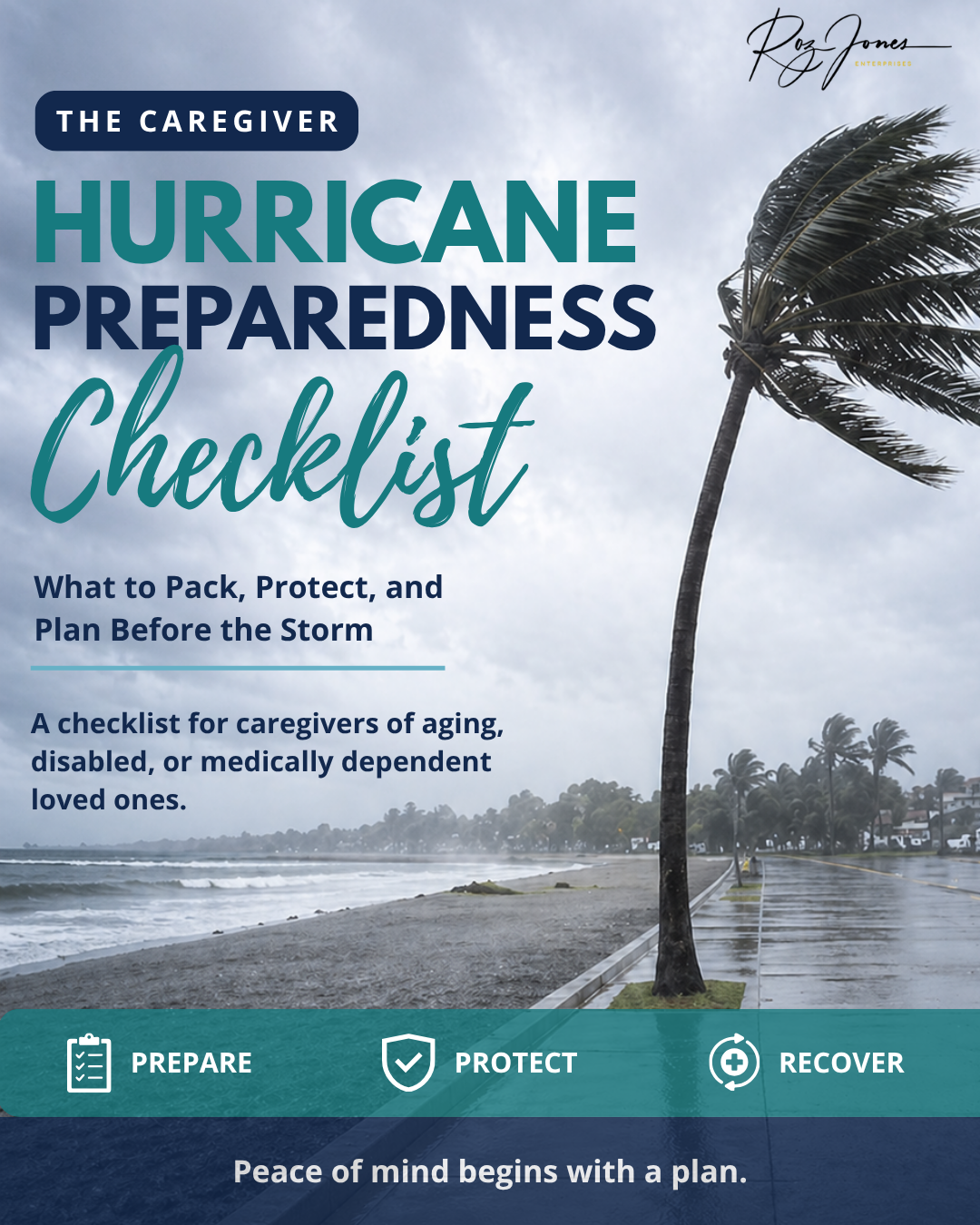
Are you preparing for hurricane season? Purchase the Caregiver Hurricane Preparedness Checklist to organize the information and supplies your family may need before severe weather arrives.
Subscribe to The Caregiver Cafe Weekly Newsletter!

1. YOU ARE NOT ALONE: The problems you face as a caregiver are experienced by other caregivers. Knowing that you’re not alone can be comforting.
2. Tools and Resources: Find caregiver stress management tools and gain perspective from other caregiver’s experiences.
3. LEARN TO: Ask for help, accept help when it is offered, and acknowledge yourself on this caregiving journey. Hear from experts on how to balance caregiving responsibilities by taking care of your needs and involving others to help manage the natural stress and isolation of being a caregiver.