
Rest is Part of the Care Plan

By Roz Jones

Caregivers are often praised for how much they are able to carry. But over time, this level of responsibility can make rest feel unrealistic.

A caregiver may believe that stepping away will create more work, cause unnecessary disruption, or leave an aging loved one feeling abandoned. Even when respite care is available, guilt and worry may prevent the caregiver from using it.

However, rest should not be treated as something separate from caregiving. It is part of creating a care plan that can continue without sacrificing the caregiver’s physical health, emotional well-being, and ability to remain fully present.

Respite care offers more than time away from responsibility. When thoughtfully planned, it can create greater stability for the entire family.

Respite Care Should Begin Before a Crisis

Many caregivers wait until they are physically exhausted or emotionally overwhelmed before seeking additional support. By that point, the need for relief may be urgent, and the family may have little time to research options, prepare the aging loved one, or choose a provider carefully.

Respite care is often more effective when it is introduced before the caregiver reaches a breaking point.

Planning early gives families time to consider what kind of support is needed, how often it may be used, and who can provide care safely. It also allows the aging loved one to become familiar with another caregiver before an emergency requires the primary caregiver to step away unexpectedly.

A caregiver should not have to become ill, miss important medical appointments, or experience severe burnout before receiving help.

Respite can be used for a few hours, an overnight stay, a weekend, or a longer period, depending on the family’s needs and available resources. It may be provided in the home, through an adult day program, within a residential care setting, or by a trusted relative or friend.

Introducing respite gradually can make the transition easier for everyone involved.

Choose Support Based on the Care Required

Not every respite option will be appropriate for every aging loved one.

Some individuals may need companionship and help with meals. Others may require assistance with mobility, personal care, medication reminders, medical equipment, memory loss, or behavioral changes. The person providing respite must understand the level of responsibility involved.

Before selecting support, caregivers should clearly identify what the aging loved one needs throughout the day.

This includes the tasks that must be completed, but it should also include the routines, preferences, and details that help the person feel comfortable.

An aging loved one may prefer breakfast at a certain time, enjoy a particular television program, become anxious when the house is too quiet, or need additional time to complete personal care. Someone living with dementia may respond better to familiar language, music, or routines.

These details can help the respite provider offer care that feels more personal and less disruptive.

Families should also ask about the provider’s experience, training, availability, emergency procedures, and ability to manage the loved one’s specific needs. When professional respite care is being considered, caregivers may want to request references and learn how the provider screens and supervises staff.

The purpose is not only to find someone who is available. It is to find support that allows the caregiver to step away with greater confidence.

Prepare the Aging Loved One for the Change

An aging loved one may not immediately understand why someone else is providing care.

They may feel uncomfortable with a new person in the home, worry that the caregiver is leaving permanently, or interpret the decision as a sign that they have become a burden. These concerns may be especially difficult for someone experiencing memory loss, anxiety, or changes in routine.

Caregivers can reduce some of this uncertainty by discussing respite care before it begins.

The explanation should match the loved one’s level of understanding. Emphasize that the caregiver is taking a short break or completing another responsibility and will return. Introduce the respite provider in advance whenever possible and allow the aging loved one to become familiar with them while the primary caregiver is still present.

The first visit may be brief. The respite provider might share a meal, participate in a familiar activity, or spend time learning the daily routine.

A gradual introduction can help build trust.

The aging loved one should also be included in appropriate decisions. They may have preferences about who assists with personal care, what activities they would like to do, or where respite should take place.

Being included can make the change feel less like something being done to them and more like part of a care arrangement designed with their comfort in mind.

Create a Clear Respite Care Guide

A caregiver may know an aging loved one’s routine so well that many details are handled automatically. Another person will not have that same knowledge.

A written respite care guide can reduce confusion and help the provider respond more confidently.

The guide should include important contact information, medication instructions, meal preferences, mobility needs, allergies, medical conditions, emergency procedures, and the location of essential supplies.

It may also include the aging loved one’s daily schedule, preferred activities, communication style, and behaviors that may signal pain, anxiety, fatigue, or confusion.

For example, an aging loved one may become quiet when uncomfortable rather than asking for help. Another may repeat questions when feeling anxious. Someone with memory loss may become distressed if they cannot see the primary caregiver and may need calm reassurance rather than repeated correction.

These details can improve the quality of the respite experience and reduce the likelihood that the primary caregiver will receive repeated calls for information during the break.

The guide should be reviewed regularly as medications, routines, and care needs change.

Important information should not remain only in the caregiver’s memory.

Start With Shorter Periods of Respite

Caregivers who have been responsible for nearly every part of an aging loved one’s care may find it difficult to step away for an extended period.

Beginning with a shorter break can help build trust in the respite arrangement.

The caregiver may start with an hour to attend an appointment, take a walk, meet a friend, or sit quietly somewhere outside the home. As the aging loved one and respite provider become more comfortable with each other, the length of time can gradually increase.

Shorter visits also give the caregiver an opportunity to identify missing instructions, notice how the aging loved one responds, and determine whether the respite provider is a good fit.

The first experience does not have to be perfect.

There may be questions, adjustments, and moments of discomfort. These do not necessarily mean respite care will not work. They may simply show where the plan needs to be clarified or changed.

Building a reliable respite arrangement is often a process rather than a single decision.

Expect Guilt Without Letting It Make the Decision

Caregiver guilt can remain even when respite care is safe, necessary, and thoughtfully planned.

A caregiver may feel guilty for enjoying time away, especially if the aging loved one cannot participate in the same activity. They may worry that others will judge them or believe they should be able to continue without assistance.

Some caregivers may spend the entire break checking their phones, reviewing instructions, or thinking about what may be going wrong at home. They may return before the agreed time because resting feels more uncomfortable than continuing to provide care.

These feelings are common, but they should not determine whether the caregiver receives support.

Taking a break does not mean the caregiver loves the aging loved one less. It does not erase their commitment or make them irresponsible.

Caregiving requires energy, patience, decision-making, and emotional steadiness. Those abilities are harder to maintain when the caregiver is consistently depleted.

Guilt may appear during the first few respite experiences, but it can become easier to manage as the caregiver sees that the aging loved one can remain safe and supported while someone else helps.

Respite care is not a failure of devotion. It is an acknowledgment that quality care should not depend on one person being available every hour of every day.

Use Respite Time for What Is Actually Needed

Caregivers may feel pressure to use respite time productively.

They may schedule errands, clean the house, catch up on paperwork, or complete tasks that have been delayed. While these responsibilities may need attention, respite should not always become another work period.

The most helpful use of the time depends on what the caregiver needs most.

One caregiver may need uninterrupted sleep. Another may need to attend a medical appointment, spend time with friends, exercise, worship, go to therapy, or simply sit somewhere without listening for another person’s call.

Rest will not look the same for everyone.

A meaningful break does not have to be exciting or carefully planned. Its value comes from allowing the caregiver to step out of a constant state of responsibility.

Caregivers should also avoid filling every available respite hour with obligations simply because the time exists. Returning to care more exhausted than before defeats the purpose of the break.

Respite should create space for renewal, not another list of expectations.

Make Respite Part of the Regular Routine

Using respite only during emergencies can make each break feel unfamiliar and difficult.

Regularly scheduled respite may offer more stability for both the caregiver and aging loved one. The loved one can become familiar with the provider and begin to understand the routine. The caregiver can plan appointments, rest, and personal activities without waiting until exhaustion becomes severe.

Consistency may also help the caregiver recognize respite as a normal part of the care plan rather than a last resort.

The schedule does not have to be extensive. A few hours each week, twice a month, or at another manageable interval may provide meaningful relief.

The appropriate frequency will depend on the caregiver’s responsibilities, the aging loved one’s care needs, available resources, and the level of support provided by others.

Families should review the arrangement over time. An aging loved one’s needs may increase, the caregiver’s work schedule may change, or the original respite provider may no longer be available.

A sustainable plan must be flexible enough to grow with the caregiving situation.

Include Family Members in the Respite Plan

Professional respite care may not be the only source of support.

Relatives and trusted friends may be able to participate when responsibilities are clearly defined. One person may provide companionship for a few hours, while another handles transportation, prepares a meal, or stays overnight.

Family members may hesitate because they do not know what to do or believe the primary caregiver prefers to manage everything. Vague requests for help may also be difficult to respond to.

Specific requests can make participation more realistic.

Instead of asking someone to help more, the caregiver might ask whether they can stay with the aging loved one on the first Saturday of each month, provide transportation to one regular appointment, or sit with them for two hours while the caregiver attends therapy.

Clear expectations help others understand what is needed and whether they are able to commit.

Family support should still be based on the aging loved one’s comfort and safety. A relative who loves the person may not have the skills required to manage complex medical or personal care needs.

Each person should be given responsibilities they can handle reliably.

Prepare a Backup Before Respite Is Urgently Needed

Even a dependable care arrangement can change.

A provider may become ill. A family member may have a conflict. An adult day program may close temporarily. The aging loved one’s condition may change and require a different level of support.

Caregivers should identify more than one possible respite option whenever resources allow.

A backup plan may include another professional provider, a trusted family member, an agency, an adult day program, or a short-term residential care option.

Families should also know what support may be available through local aging services, caregiver organizations, faith communities, veterans’ programs, insurance benefits, or community agencies.

Researching these options can take time. Completing the work before a crisis allows the caregiver to make decisions more carefully.

The caregiver should not have to begin searching for help at the exact moment they are no longer able to continue.

Rest Protects the Relationship

Caregiving can change the relationship between the caregiver and aging loved one.

Conversations may become focused on medications, appointments, safety, and daily tasks. The caregiver may begin to feel more like a manager than a family member. The aging loved one may feel that every interaction is connected to something they need help doing.

Exhaustion can intensify this change. A depleted caregiver may become less patient, more easily frustrated, or emotionally distant, even when they are doing everything possible to provide good care.

Respite creates an opportunity for the caregiver to return with more emotional space.

The break may make it easier to sit together without rushing, listen more patiently, or enjoy an activity that is not centered on care. It can help restore parts of the relationship that daily responsibilities have pushed aside.

Respite does not only protect the caregiver’s health.

It may also protect the relationship from becoming defined entirely by the demands of caregiving.

A Strong Care Plan Includes Relief

Caregivers do not prove their love by becoming exhausted.

They do not have to wait until their health begins to decline before accepting support. They do not have to manage every responsibility personally for the care to be thoughtful and meaningful.

A strong care plan prepares for the aging loved one’s needs while also recognizing the caregiver’s limits.

Respite care creates room for rest, medical care, relationships, reflection, and life outside the caregiving role. It gives another trusted person an opportunity to learn the aging loved one’s routine and creates a support system that may become especially valuable during an emergency.

The most sustainable caregiving arrangements are not built around one person doing everything.

They are built around preparation, communication, shared responsibility, and the understanding that rest is part of providing care well.

For an introduction to respite care and the benefits it can provide, read the previous blog, The Power of Respite Care: A Guide for Caregivers During National Respite Care Month.

Prepare for Your Next Trip

Planning to travel with an aging loved one? Download the free Vacationing with an Aging Loved One Checklist to help you prepare for medications, mobility needs, comfort, safety, and unexpected changes.

Tune in to The Caregiver Café Podcast

What to Know About the Cost of Prescriptions

In this episode of The Caregiver Café with Roz Jones, Roz is talking about something many seniors and caregivers are feeling at the pharmacy counter: the rising cost of prescription medications.

As aging loved ones begin taking more medications, those costs can add up quickly. One prescription may not seem like much, but when there are several medications involved, the monthly total can become overwhelming for seniors, families, and caregivers trying to manage care on a fixed income.

Roz breaks down practical ways caregivers can help reduce the cost of prescriptions. She talks about asking doctors about generic medications, looking for less expensive brand-name options, using mail-order pharmacy services, reviewing Medicare drug plans during annual enrollment, and checking for state or manufacturer assistance programs.

Give Yourself a Moment of Grace

Caregiving includes demanding days, unexpected changes, and moments of connection that may be easy to overlook. Moments of Grace offers encouragement to caregivers who need a reminder to pause and recognize the meaningful moments along the journey.

Preparing for hurricane season?
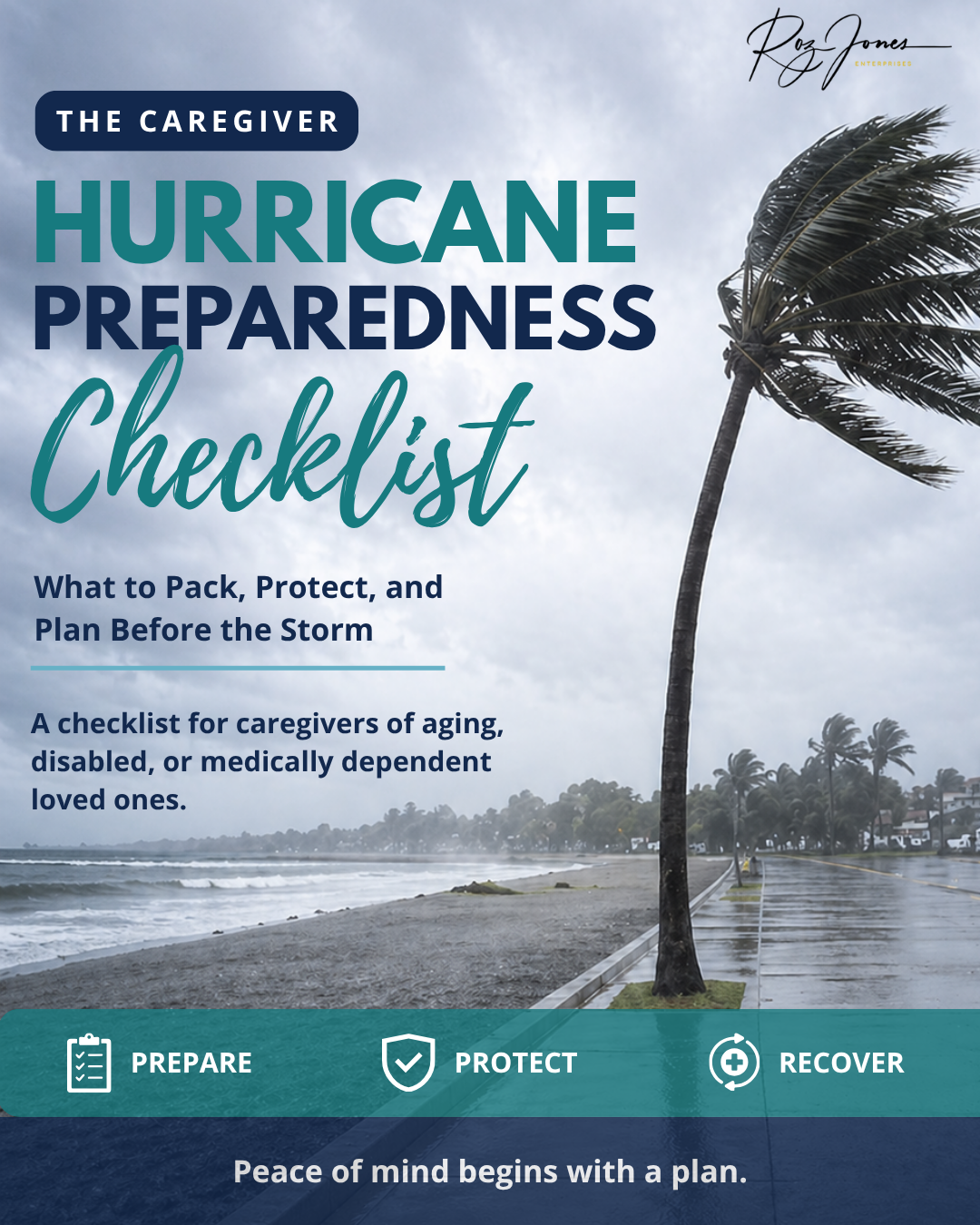
The Caregiver Hurricane Preparedness Checklist.

Are you preparing for hurricane season? Purchase the Caregiver Hurricane Preparedness Checklist to organize the information and supplies your family may need before severe weather arrives.

Subscribe to The Caregiver Cafe Weekly Newsletter!

Caregiving can be a roller coaster of ups and downs. The information that you will receive from The Caregiver Cafe Weekly Specials Newsletter will support you as a caregiver. Remember…

1. YOU ARE NOT ALONE: The problems you face as a caregiver are experienced by other caregivers. Knowing that you’re not alone can be comforting. 

2. Tools and Resources:  Find caregiver stress management tools and gain perspective from other caregiver’s experiences.

3. LEARN TO: Ask for help, accept help when it is offered, and acknowledge yourself on this caregiving journey. Hear from experts on how to balance caregiving responsibilities by taking care of your needs and involving others to help manage the natural stress and isolation of being a caregiver. 

Using Technology to Support an Aging Loved One While You Are Away

By Roz Jones

Technology has become an important part of modern caregiving. For family caregivers who are preparing to travel, the right tools can provide additional support, improve communication, and help families respond more quickly when something changes.

Video calls, medical alert systems, medication reminders, smart home devices, and virtual healthcare services can all strengthen a care plan. However, technology should be used as a supplement to dependable in-person support rather than a replacement for it.

A successful remote caregiving plan begins with choosing tools that match the aging loved one’s needs, introducing those tools before the caregiver leaves, and making sure trusted individuals know how to respond when assistance is required.

Selecting Technology Based on Care Needs

The most effective technology is the technology that addresses a specific caregiving concern.

An aging adult who remains mostly independent may benefit from scheduled video calls, medication reminders, and a medical alert device. Someone with mobility limitations may need fall detection or emergency response services. A loved one living with dementia may benefit from door sensors, location tracking, or motion alerts that help family members recognize unusual activity.

Health-monitoring devices may also be useful for individuals managing chronic conditions. Depending on the healthcare provider’s recommendations, these tools may record blood pressure, blood sugar, oxygen levels, weight, or other important health information.

Before purchasing or installing a device, caregivers should consider whether it will be easy for the aging loved one to use, whether it protects privacy, and whether someone will be available to respond when an alert occurs.

Technology should simplify the care plan. It should not create additional confusion for the loved one or the people providing support.

Introducing New Devices Before the Vacation

New technology should be introduced well before the caregiver’s departure.

The aging loved one needs time to become familiar with the device, and the support team needs time to learn how it operates. Installing new equipment at the last minute may increase anxiety and leave little time to correct problems.

Testing the technology during the regular care routine allows families to determine whether it is reliable and appropriate.

An aging loved one may have difficulty answering a video call, remembering to wear a medical alert button, or understanding a medication reminder. Someone living with memory loss may unplug a device or remove a sensor because they do not recognize its purpose.

These concerns are easier to address while the primary caregiver is still at home.

The testing period should also include checking batteries, charging cords, internet connections, passwords, notification settings, and emergency contact information.

Maintaining Connection Through Video Calls

Video calls can help caregivers remain connected while they are away. They provide an opportunity to see the aging loved one, observe facial expressions, and notice changes that may not be obvious during a telephone conversation.

Scheduled calls can also provide reassurance and help maintain an important emotional connection.

The timing and frequency of video calls should be based on the loved one’s needs.

Some aging adults may enjoy a daily call and look forward to sharing updates. Others may become anxious or confused, especially if they do not understand why the caregiver is visible on a screen but cannot return home immediately.

A loved one living with dementia may repeatedly ask when the caregiver is coming back or become distressed after the call ends.

The person providing in-person care should observe how the loved one responds and adjust the call schedule when necessary.

The purpose of video communication is to provide comfort and connection without disrupting the care routine.

Adding Medical Alert Systems to the Care Plan

Medical alert systems can provide an additional layer of protection for aging adults who are at risk of falling or experiencing a medical emergency.

These systems may include wearable buttons, two-way communication, automatic fall detection, location tracking, and access to an emergency response center.

Before relying on a medical alert system, caregivers should confirm that the device works throughout the home and in any outdoor areas the loved one regularly uses.

The loved one should understand how to activate the device and should be comfortable wearing it consistently.

Emergency contact information should be reviewed before the vacation. Outdated names and telephone numbers should be removed, and the support team should understand what happens when an alert is triggered.

A medical alert device can only provide assistance when it is charged, accessible, and connected to a reliable response plan.

Using Smart Home Devices for Safety

Smart home technology can help families monitor activity within the home.

Motion sensors, door sensors, smart locks, and security systems may provide useful information about whether an aging loved one is moving through the home, opening an exterior door, or following familiar routines.

These devices may be especially useful for individuals who live alone or have memory loss.

However, smart home alerts require follow-up.

A lack of movement may mean the loved one is resting, but it may also indicate a fall or sudden illness. A door alert may show that the loved one stepped outside, or it may indicate that they left the home unexpectedly.

The device cannot determine the reason for the activity.

The care plan should identify who will respond to alerts and how quickly that response should occur. The designated person should have access to the home and know when emergency services should be contacted.

Without a clear response procedure, technology may provide information without improving safety.

Protecting Privacy When Using Cameras

Security cameras may help families monitor entrances, common areas, or other parts of the home. They may also help confirm that a professional caregiver arrived or provide information after an emergency alert.

Before installing cameras, caregivers should consider the aging loved one’s privacy and dignity.

The loved one should know where cameras are located and why they are being used. Access to live video and recordings should be limited to trusted individuals directly involved in the care plan.

Cameras should not be placed in bathrooms, bedrooms, or other private spaces without careful consideration, appropriate consent, and a clear medical need.

Passwords should be secure, and recordings should never be shared casually with relatives or posted online.

Safety should not come at the cost of the loved one’s dignity or right to privacy.

Supporting Medication Management

Medication technology can help caregivers reduce the risk of missed or duplicated doses.

Available tools may include reminder applications, automated dispensers, alarms, and systems that notify a designated caregiver when medication has not been taken.

The appropriate option depends on the aging loved one’s ability to understand and manage the medication routine.

A simple reminder may be enough for someone who remains independent. A person living with memory loss may require an automated dispenser or direct supervision from an in-person caregiver.

Families should not assume that an alert confirms the medication was taken correctly. The loved one may open the container and forget to take the dose, remove several doses at once, or become confused by the alarm.

Medication tools should be tested before the vacation, and the support team should understand how to confirm that the correct dose was taken at the correct time.

Preparing for Virtual Healthcare

Virtual healthcare services may provide access to medical guidance while the primary caregiver is away.

Telehealth appointments can be useful for discussing new symptoms, reviewing medications, asking questions, or determining whether an in-person appointment is necessary.

Before traveling, caregivers should confirm which healthcare providers offer virtual appointments and save the correct contact and portal information.

The person attending the appointment with the aging loved one should have access to current medications, insurance information, recent symptoms, and any health readings requested by the provider.

These readings may include blood pressure, temperature, oxygen levels, blood sugar, or weight.

Virtual healthcare is not appropriate for every situation. Chest pain, difficulty breathing, signs of stroke, loss of consciousness, serious falls, or other medical emergencies require immediate emergency care.

The support team should understand when telehealth may be useful and when emergency services should be contacted.

Organizing Digital Care Information

Digital care records can help several caregivers share important information without relying on memory or separate conversations.

A secure record may include medication completion, meals, fluid intake, appointments, blood pressure readings, changes in mobility, pain, sleep, mood, and other observations.

This information can improve continuity when care responsibilities change throughout the day.

The person providing evening care can review what occurred earlier and recognize whether a new concern is developing.

Digital records should be stored securely, and access should be limited to individuals who need the information.

Private medical details should not be placed in unsecured group messages or shared accounts that include people outside the care team.

Technology should improve coordination while continuing to protect confidentiality.

Preparing for Power and Internet Outages

Many caregiving devices depend on electricity, Wi-Fi, cellular service, or batteries.

A power outage may affect cameras, medication dispensers, alert systems, smart locks, internet-based phones, and medical equipment.

Before leaving, caregivers should determine which devices will continue working during an outage and how long backup batteries will last.

Phones, portable power banks, and medical devices should be fully charged. Charging cords and replacement batteries should be labeled and stored where the support team can easily find them.

Written care information and important telephone numbers should remain available on paper.

If an aging loved one relies on oxygen, an adjustable bed, a lift, or other equipment that requires electricity, the equipment provider should be contacted for backup instructions.

Technology can fail. The care plan must remain functional when it does.

Managing Passwords and Account Access

The support team may need access to certain devices, applications, or online portals while the caregiver is away.

This access should be prepared carefully.

Passwords should not be left in an unsecured location or shared with individuals who do not need them.

A secure password manager, sealed emergency document, or another protected method may be used to provide access to necessary information.

The support team may need access to a medication application, medical alert dashboard, telehealth portal, or smart home system. They should not automatically receive access to personal email, financial accounts, or unrelated private information.

Access should be reviewed and updated after the vacation if it is no longer required.

Creating a Response Plan for Alerts

Every device included in the care plan should be connected to a specific response procedure.

The support team should understand what the alert means, who receives it, who will check on the loved one, and when emergency services should be contacted.

A fall-detection alert should identify who will enter the home if the loved one does not respond.

A missed medication alert should identify who will confirm whether the dose was taken.

A door alert should identify who will respond if the loved one leaves unexpectedly.

Technology identifies a possible concern. The support team provides the care and judgment needed to address it.

Both parts are necessary for the system to work.

Keeping Human Support at the Center of Care

Technology can strengthen a caregiving plan, but it cannot replace human care.

An aging loved one may still need help preparing meals, bathing, dressing, moving safely, attending appointments, and responding to changes in health.

They may also need companionship, reassurance, and the presence of someone who can recognize when something does not seem right.

Cameras, sensors, and applications should not be used to reduce in-person care when the loved one’s condition requires direct support.

The amount of human assistance should continue to be based on the loved one’s needs.

Technology should support the care team, not become the care team.

Reviewing the Technology After the Vacation

After returning home, caregivers should review how well the technology supported the care plan.

This review should include whether alerts were accurate, video calls were helpful, medication reminders worked, and the support team understood how to use each device.

Caregivers should also review connection problems, missed notifications, false alarms, battery issues, and privacy concerns.

The aging loved one’s experience should be included whenever possible.

A device may function correctly and still be inappropriate if it causes confusion, anxiety, or discomfort.

The review can help families decide which tools should remain part of the regular care plan and which should be changed or removed.

Using Technology With Preparation and Purpose

Technology can help caregivers stay connected, organize care information, monitor safety, and respond more quickly when concerns arise.

Its value depends on how it is selected and used.

The most effective remote caregiving plan includes appropriate technology, dependable in-person support, clear emergency procedures, privacy protections, and backup options when devices fail.

Technology provides additional information and support.

It does not replace the people responsible for providing care.

When technology is introduced carefully and connected to a complete caregiving plan, families can remain informed while aging loved ones continue receiving safe, respectful, and consistent support.

Read the previous blog to learn how to establish a communication schedule, document changes, identify urgent concerns, protect medical privacy and maintain continuity of care while the primary caregiver is away.

Prepare for Your Next Trip

Before traveling with an aging loved one, download the free Vacationing with an Aging Loved One Checklist.

This checklist will help you organize important information, supplies, medications, documents, accommodations, and care needs before leaving home.

Tune in to The Caregiver Café Podcast

Assisted Living: What Caregivers Need to Know

In this episode of The Caregiver Café with Roz Jones, Roz is talking about what caregivers need to know when it may be time to look for an assisted living facility.

There may come a point in the caregiving journey when your loved one’s care needs become more than one person can safely manage at home. Maybe their condition has changed. Maybe they need help standing, bathing, eating, taking medication, or getting to the bathroom. Maybe it now takes two people to safely transfer them from the bed or chair. When that happens, it may be time to start asking questions and exploring the next level of care.

Roz walks listeners through some of the important questions to ask when touring an assisted living facility, including staff ratios, staff turnover, training, medical support, room options, emergency response systems, accessibility, activities, meals, shared spaces, and whether residents can bring personal furniture or pets.

This episode is a practical reminder that choosing a facility is not only about the building. It is about safety, staffing, comfort, dignity, and making sure your loved one receives the care they need.

Before you take a tour, pour yourself something warm, get your questions ready, and let Roz help you know what to look for, what to ask, and what to pay attention to.

Give Yourself a Moment of Grace

If you need encouragement for the emotional side of caregiving, purchase Roz Jones’ book, Moments of Grace. This book offers support, reflection, and reminders of grace for the caregiver who is carrying a lot.

This journal was created to help caregivers pause, breathe, reflect, and find strength in the middle of the caregiving journey.

Purchase Moments of Grace today and give yourself permission to breathe in the middle of the caregiving journey.

Don’t Wait Until the Storm is Coming

The Caregiver Hurricane Preparedness Checklist.

Severe weather can create additional risks for aging loved ones and family caregivers.

The Caregiver Hurricane Preparedness Checklist will help you organize emergency contacts, medications, medical information, evacuation needs, important documents and essential supplies before a storm arrives.

Need Help Sorting Through the Care Plan?

Roz Jones is a dedicated caretaker turned CEO with over a decade of experience in helping families care for and make decisions for loved ones and their legacies.Roz is a compassionate, innovative healthcare industry leader.

If your family needs help thinking through care decisions, caregiving responsibilities, or next steps, book a session with Roz Jones. You do not have to navigate this season alone.

Together, we can talk through what is working, what is becoming too heavy, and what boundaries need to be strengthened so you can continue to care without losing yourself in the process.

Subscribe to The Caregiver Cafe Weekly Newsletter!

Caregiving can be a roller coaster of ups and downs. The information that you will receive from The Caregiver Cafe Weekly Specials Newsletter will support you as a caregiver. Remember…

1. YOU ARE NOT ALONE: The problems you face as a caregiver are experienced by other caregivers. Knowing that you’re not alone can be comforting. 

2. Tools and Resources:  Find caregiver stress management tools and gain perspective from other caregiver’s experiences.

3. LEARN TO: Ask for help, accept help when it is offered, and acknowledge yourself on this caregiving journey. Hear from experts on how to balance caregiving responsibilities by taking care of your needs and involving others to help manage the natural stress and isolation of being a caregiver. 

Staying Connected While Away: Maintaining Continuity of Care During Your Vacation

By Roz Jones

Creating a detailed care plan is one of the most important steps a caregiver can take before leaving an aging loved one in someone else’s care. The plan provides guidance on medications, daily routines, dietary needs, medical conditions, emergency contacts, and other responsibilities that must continue during the caregiver’s absence.

Once the vacation begins, however, the care plan must be supported by clear and consistent communication.

Communication allows the caregiver, family members, professional caregivers, and healthcare providers to remain informed about changes in the aging loved one’s health, behavior, routine, and overall well-being. It also helps prevent small concerns from becoming larger problems.

The purpose is not for the primary caregiver to continue managing every detail from a distance. The goal is to establish a dependable system that allows important information to be shared, questions to be answered, and concerns to be addressed promptly.

Establish a Communication Schedule Before Leaving

Caregivers should decide how communication will be handled before the vacation begins.

Without a clear plan, updates may come from several different people at different times. One family member may send a text, another may call, and a professional caregiver may leave a separate message. This can make it difficult to determine what happened, when it occurred, and whether the information has already been addressed.

Designating one person as the primary contact can help organize communication.

The primary contact may be a family member, trusted friend, professional caregiver, or care coordinator who understands the full care plan. This individual can collect information from everyone involved and provide the caregiver with a complete update.

The frequency of those updates should be based on the aging loved one’s condition and level of care.

A loved one who remains mostly independent may only require one update each day. Someone with complex medical needs, memory loss, mobility limitations, or significant personal care needs may require more frequent communication.

The schedule may include a morning and evening update, one daily phone call, or immediate contact only when an important change occurs.

Establishing the schedule in advance helps the caregiver remain informed without spending the entire vacation waiting for phone calls or checking messages.

Determine What Information Should Be Shared

Routine updates should focus on the areas that reflect the loved one’s health, safety, and ability to complete daily activities.

Useful information may include whether medications were taken, meals were eaten, fluids were offered, appointments were completed, and the loved one rested comfortably.

The care team should also report changes in mobility, pain, behavior, sleep, appetite, bathroom habits, confusion, or alertness.

General statements such as “everything is fine” may sound reassuring, but they do not provide enough information to identify a developing concern.

A more useful update may explain that the loved one took all scheduled medications, ate breakfast and lunch, drank less water than usual, rested for most of the afternoon, and appeared more tired during the evening.

Specific information allows the caregiver and support team to recognize patterns.

A single skipped meal may not be unusual. Several missed meals, reduced fluid intake, and increased fatigue may indicate a larger concern that needs attention.

Separate Routine Changes From Urgent Concerns

The support team should understand which matters can be discussed during the scheduled update and which situations require immediate action.

Minor adjustments to the routine may not require the caregiver’s involvement. The loved one may choose a different meal, go to bed earlier, cancel an activity, or spend more time resting.

These changes can often be managed by the person providing care.

Medical emergencies and significant changes should be handled differently.

Immediate attention may be necessary when an aging loved one experiences chest pain, difficulty breathing, sudden weakness, slurred speech, loss of consciousness, severe confusion, a serious fall, or another sudden change in health.

The care team should also know what to do if a critical medication is missed, medical equipment stops working, the loved one refuses food or fluids for an extended period, or the scheduled caregiver fails to arrive.

Emergency services and healthcare providers should be contacted first when immediate medical care is needed. The primary caregiver should then be notified as soon as possible.

A caregiver should never have to make an emergency decision from a distance before the person at home takes action to protect the loved one.

Keep a Daily Care Record

A written care record can improve communication when several people are sharing responsibilities.

The record may be kept in a notebook, on a printed form, in a secure shared document, or through a caregiving application.

Each person providing care should document important information before ending their shift or leaving the home.

The record may include medication times, meals, fluid intake, blood pressure or blood sugar readings, pain levels, sleep patterns, mood, bathroom activity, appointments, and changes in mobility or behavior.

Documenting care prevents information from being lost between one caregiver and the next.

For example, the person arriving in the evening should know whether the loved one ate lunch, took afternoon medication, experienced dizziness, or reported pain earlier in the day.

A care record is also helpful when speaking with healthcare professionals. Accurate notes can provide a clearer picture of when a change began and how it progressed.

Maintain Contact With the Aging Loved One

Communication with the care team should not completely replace direct contact with the aging loved one.

A scheduled phone call or video call may provide comfort, reassurance, and connection while the caregiver is away.

The frequency and length of these calls should be based on the loved one’s needs.

Some aging adults may look forward to a daily conversation. Others may become anxious, confused, or upset after speaking with the caregiver.

A loved one living with dementia may repeatedly ask when the caregiver is returning or may not understand why the caregiver is away.

In these situations, shorter calls may be more appropriate. The person providing care should observe how the loved one responds before, during, and after the conversation.

Contact should support the loved one’s emotional well-being rather than interfere with the routine or increase distress.

Prepare for Emotional and Behavioral Changes

The absence of a primary caregiver can affect an aging loved one emotionally.

Even when the care plan remains consistent, the loved one may feel lonely, worried, frustrated, or uncertain about the change.

These emotions may appear through withdrawal, irritability, changes in sleep, reduced appetite, repeated questions, or resistance to care.

The support team should know which routines and activities provide comfort.

Familiar music, favorite television programs, photographs, preferred meals, quiet activities, and regular mealtimes may help maintain a sense of stability.

Reducing unnecessary changes in the home can also be helpful.

Whenever possible, caregivers should follow the same schedule, use familiar household items, and avoid introducing too many new people at once.

Behavioral changes should be monitored carefully.

Sudden confusion, agitation, or withdrawal should not automatically be attributed to the caregiver’s absence. Pain, dehydration, infection, medication issues, and other medical conditions can also cause changes in behavior.

When a change is significant or continues to worsen, the healthcare provider should be contacted.

Protect Privacy When Sharing Information

The aging loved one’s medical and personal information should remain protected during the caregiver’s absence.

Updates should only be shared with the people directly involved in the care plan.

Large family group messages may not be the appropriate place to discuss medications, medical conditions, bathroom habits, behavioral changes, or other private concerns.

The support team should also avoid posting photographs or personal updates on social media without permission.

Needing assistance does not remove an aging adult’s right to privacy.

Caregivers should use secure communication methods whenever possible and limit the information shared to what is necessary for care.

Avoid Managing the Entire Routine From a Distance

Some caregivers create a complete support plan but continue directing every decision after leaving.

They may call several times a day, monitor every meal, question small changes, and attempt to solve routine issues from their vacation destination.

This prevents the support team from carrying out the responsibilities they agreed to manage. It also prevents the caregiver from receiving the rest that the vacation was intended to provide.

The care plan should give trusted people enough information to make ordinary decisions.

The caregiver should remain available for significant concerns, changes in health, and situations that fall outside the written instructions.

Not every schedule adjustment requires approval.

Continuity of care does not mean every day must happen exactly as it would if the primary caregiver were home. It means the aging loved one continues receiving safe, respectful, and appropriate care.

Prepare for Communication Problems

Caregivers should also plan for periods when they may be unavailable.

Cell phone service may be limited.

The caregiver may be traveling by airplane, attending an activity, sleeping in another time zone, or unable to answer immediately.

The care team should have more than one contact option.

This may include a secondary family contact, email address, lodging information, travel itinerary, healthcare provider numbers, insurance information, and emergency contacts.

The support team should understand who to contact first and what steps should be taken if the primary caregiver cannot be reached.

Emergency care should never depend on one person answering one phone call.

Review the Care Experience After Returning Home

When the caregiver returns, the communication process should be reviewed along with the care plan.

Care notes, medication records, appointments, and health changes should be discussed.

The caregiver should ask the support team what worked well and what created difficulty.

The aging loved one should also be included in the conversation whenever possible.

They may have concerns about the schedule, food, personal care, visitors, or communication that should be considered before the next vacation.

The review may reveal that certain forms of support should continue.

A family member may be willing to provide regular check-ins. A professional caregiver may become part of an ongoing respite plan. A written care log may continue to be useful for appointments and medication management.

The information gathered during the vacation can strengthen the overall caregiving plan.

Communication Supports Continuity of Care

A detailed care plan provides the instructions needed to support an aging loved one.

Communication helps families determine whether those instructions are working.

When updates are organized, concerns are documented, and emergency procedures are clear, everyone involved can respond more effectively.

The aging loved one receives consistent care.

The support team understands what information should be shared.

The primary caregiver remains informed without continuing to manage every responsibility from a distance.

Effective communication does not require constant calls and messages.

It requires accurate information, clear expectations, and the right people knowing what to do when something changes.

Read the previous blog to learn how to document an aging loved one’s medical needs, medications, daily routines, emergency procedures, healthcare contacts, and other information needed before leaving someone else responsible for care.

Prepare for Your Next Trip

Before traveling with an aging loved one, download the free Vacationing with an Aging Loved One Checklist.

This checklist will help you organize important information, supplies, medications, documents, accommodations, and care needs before leaving home.

Tune in to The Caregiver Café Podcast

Assisted Living: What Caregivers Need to Know

In this episode of The Caregiver Café with Roz Jones, Roz is talking about what caregivers need to know when it may be time to look for an assisted living facility.

There may come a point in the caregiving journey when your loved one’s care needs become more than one person can safely manage at home. Maybe their condition has changed. Maybe they need help standing, bathing, eating, taking medication, or getting to the bathroom. Maybe it now takes two people to safely transfer them from the bed or chair. When that happens, it may be time to start asking questions and exploring the next level of care.

Roz walks listeners through some of the important questions to ask when touring an assisted living facility, including staff ratios, staff turnover, training, medical support, room options, emergency response systems, accessibility, activities, meals, shared spaces, and whether residents can bring personal furniture or pets.

This episode is a practical reminder that choosing a facility is not only about the building. It is about safety, staffing, comfort, dignity, and making sure your loved one receives the care they need.

Before you take a tour, pour yourself something warm, get your questions ready, and let Roz help you know what to look for, what to ask, and what to pay attention to.

Give Yourself a Moment of Grace

If you need encouragement for the emotional side of caregiving, purchase Roz Jones’ book, Moments of Grace. This book offers support, reflection, and reminders of grace for the caregiver who is carrying a lot.

This journal was created to help caregivers pause, breathe, reflect, and find strength in the middle of the caregiving journey.

Purchase Moments of Grace today and give yourself permission to breathe in the middle of the caregiving journey.

Don’t Wait Until the Storm is Coming

The Caregiver Hurricane Preparedness Checklist.

Severe weather can create additional risks for aging loved ones and family caregivers.

The Caregiver Hurricane Preparedness Checklist will help you organize emergency contacts, medications, medical information, evacuation needs, important documents and essential supplies before a storm arrives.

Need Help Sorting Through the Care Plan?

Roz Jones is a dedicated caretaker turned CEO with over a decade of experience in helping families care for and make decisions for loved ones and their legacies.Roz is a compassionate, innovative healthcare industry leader.

If your family needs help thinking through care decisions, caregiving responsibilities, or next steps, book a session with Roz Jones. You do not have to navigate this season alone.

Together, we can talk through what is working, what is becoming too heavy, and what boundaries need to be strengthened so you can continue to care without losing yourself in the process.

Subscribe to The Caregiver Cafe Weekly Newsletter!

Caregiving can be a roller coaster of ups and downs. The information that you will receive from The Caregiver Cafe Weekly Specials Newsletter will support you as a caregiver. Remember…

1. YOU ARE NOT ALONE: The problems you face as a caregiver are experienced by other caregivers. Knowing that you’re not alone can be comforting. 

2. Tools and Resources:  Find caregiver stress management tools and gain perspective from other caregiver’s experiences.

3. LEARN TO: Ask for help, accept help when it is offered, and acknowledge yourself on this caregiving journey. Hear from experts on how to balance caregiving responsibilities by taking care of your needs and involving others to help manage the natural stress and isolation of being a caregiver. 

Preparing the Home Before Leaving an Aging Loved One in Someone Else’s Care

By Roz Jones

Once a support network has been established, the next step is making sure the home is ready.

The people providing care need a safe, organized environment where they can support an aging loved one without searching for supplies, correcting preventable hazards, or trying to understand how the household normally operates.

For an aging adult, the home is more than a place to live. It is where familiar routines, personal belongings, favorite foods, medications, medical equipment, and sources of comfort are located.

When the primary caregiver leaves for vacation, maintaining that familiar environment can help reduce stress and confusion. Preparing the home in advance also makes it easier for family members, friends, or professional caregivers to provide consistent care.

Complete a Home Safety Check

Begin by walking through the home and looking for anything that may create a safety concern.

Pay close attention to the areas your loved one uses most often, including the bedroom, bathroom, kitchen, living room, hallways, and entrances.

Remove clutter from floors and walkways. Secure loose rugs, move electrical cords out of walking paths, and make sure furniture does not block access for walkers, canes, or wheelchairs.

Check that handrails are secure and that frequently used chairs are stable. Avoid chairs that are too low or difficult to stand up from.

Look at the home from your loved one’s point of view. Items that seem harmless to others may become serious obstacles for someone with limited mobility, poor balance, low vision, or memory loss.

A safer home reduces the risk of falls and gives everyone involved in the care plan greater peace of mind.

Improve Lighting Throughout the Home

Poor lighting can increase the risk of falls, especially during the evening and overnight hours.

Replace burned-out bulbs and make sure hallways, stairways, bedrooms, bathrooms, and entrances are well lit.

Add night-lights in areas your loved one may use after dark. The path from the bedroom to the bathroom should be clear and easy to see.

Place lamps where they can be reached without walking across a dark room.

If your loved one has low vision, avoid creating sudden changes between very bright and very dark areas. Consistent lighting can make it easier to recognize steps, furniture, and changes in the flooring.

Outdoor lighting should also be checked, particularly near porches, steps, ramps, sidewalks, and driveways.

Prepare the Bathroom for Safe Use

The bathroom is one of the most important areas to review before leaving for vacation.

Wet surfaces, limited space, and the need to sit, stand, or transfer can increase the risk of injury.

Confirm that grab bars are secure and placed where they are most useful. Check that shower chairs, raised toilet seats, handheld showerheads, and other safety equipment are stable and in good condition.

Remove loose bathmats that may slide or bunch underfoot. Use nonslip surfaces where needed.

Keep towels, soap, toilet paper, incontinence supplies, and personal care products within easy reach.

The person providing care should also understand how much help your loved one needs in the bathroom. Some aging adults may only need someone nearby. Others may require direct assistance with bathing, dressing, toileting, or transfers.

Personal care instructions should protect both safety and dignity.

Organize Medications in One Location

Medication instructions may be included in the care plan, but the home should also be arranged so medications are easy to locate and manage.

Refill prescriptions before leaving and make sure there is enough medication for the entire vacation, along with additional doses in case the return trip is delayed.

Keep medications in their original labeled containers whenever possible.

Store them in one designated area unless refrigeration or safety requirements make that impossible.

If a pill organizer is used, confirm that it has been filled correctly. Label it clearly and leave written instructions nearby.

The medication list should include the name of each medication, dosage, schedule, prescribing provider, pharmacy information, and known allergies.

Remove expired medications and separate anything that should not be used.

Simple organization can reduce the risk of missed doses, duplicate doses, and confusion.

Stock Meals That Fit the Care Plan

Food should be planned according to the aging loved one’s preferences, health needs, and ability to eat safely.

Stock familiar foods that are easy to prepare.

If your loved one has dietary restrictions, make sure everyone providing care understands them. This may include low-sodium diets, diabetic meal plans, texture modifications, food allergies, or fluid restrictions.

Prepare and label meals in advance when possible. Include reheating instructions and dates.

Place commonly used foods and beverages where they can be reached safely. Avoid storing heavy items on high shelves or in areas that require bending.

Make sure the refrigerator and pantry contain enough food for the full time the caregiver will be away.

Meal planning should also account for snacks, water, nutritional drinks, and any foods needed when medications must be taken with a meal.

A stocked kitchen allows the support team to focus on care instead of making last-minute trips to the grocery store.

Keep Essential Supplies Easy to Find

Caregivers should not have to search through closets, cabinets, and storage areas to find necessary supplies.

Place frequently used items together and label them when needed.

This may include:

  • Incontinence products
  • Gloves
  • Wipes
  • Wound care supplies
  • Blood pressure equipment
  • Blood sugar testing supplies
  • Hearing aid batteries
  • Mobility equipment
  • Personal care items
  • Disposable bed pads
  • Cleaning supplies
  • Medical equipment chargers

Check expiration dates and make sure enough supplies are available for the entire vacation.

If certain products must be used in a specific way, leave clear instructions.

A simple supply station can make daily care more efficient and help prevent interruptions.

Check Medical Equipment

Any medical equipment used in the home should be checked before the caregiver leaves.

Confirm that equipment is clean, working properly, and fully charged.

Inspect walkers, wheelchairs, canes, hospital beds, lifts, oxygen equipment, blood pressure monitors, glucose meters, and other devices.

Make sure replacement batteries, charging cords, and backup supplies are available.

Place written instructions near equipment that may be unfamiliar to the person providing care.

Include the contact information for the equipment company or service provider in case something stops working.

If your loved one depends on equipment that requires electricity, prepare for a possible power outage. Identify which devices have battery backup and how long that backup will last.

Maintain Familiar Routines

Aging loved ones often feel more secure when their routines remain consistent.

Write down the usual schedule for waking, meals, medication, bathing, rest, television programs, activities, and bedtime.

Include the details that may not seem important but help the day go more smoothly.

Your loved one may prefer coffee in a certain cup.

They may listen to the same radio station in the morning.

They may become anxious if dinner is served too late.

They may sleep better with a hallway light on.

These familiar routines can provide comfort while the primary caregiver is away.

This is especially important for someone living with dementia or memory loss. Changes in routine may increase confusion, agitation, or anxiety.

Maintaining familiar patterns can help the loved one feel safer in their own home.

Prepare for Weather and Power Outages

The home should be ready for severe weather and unexpected power loss.

Check flashlights and replace old batteries. Charge phones, medical equipment, and portable power banks.

Keep bottled water, nonperishable food, and emergency supplies in an accessible location.

Make sure smoke detectors and carbon monoxide detectors are working.

If medications require refrigeration, prepare a backup plan for keeping them at the correct temperature.

If your loved one relies on oxygen, a lift, an adjustable bed, or other electric equipment, contact the provider to learn what should happen during an outage.

Post emergency numbers where they can be easily found.

Preparation is especially important during hurricane season, winter storms, extreme heat, and other periods when power outages or road closures may occur.

Secure Important Documents and Information

The support team should have access to the information needed for care, but private documents should remain protected.

Place medical information, insurance cards, medication lists, emergency contacts, and healthcare provider information in a designated folder.

Keep this folder in a location known to the primary contact.

Financial records, legal documents, checkbooks, passwords, and unrelated personal information should be secured.

Only provide access to what is necessary for the care arrangement.

If the person providing care may need to purchase groceries, prescriptions, or supplies, decide in advance how those expenses will be handled.

Clear arrangements reduce confusion and protect the aging loved one’s privacy.

Review Home Access and Security

Everyone involved in the care plan should know how to enter and secure the home.

Provide keys, access codes, alarm instructions, or building information before the vacation begins.

Test each key and code to make sure it works.

Identify who is authorized to enter the home and which doors should remain locked.

If cameras, doorbells, or alarm systems are used, explain how they operate and how privacy will be protected.

Emergency responders should also be able to access the home if necessary.

If your loved one uses a medical alert system, test it before leaving and make sure the support team understands how it works.

Create a Comfortable Recovery Space

Your loved one may need a comfortable area for rest during the day.

Arrange a chair, recliner, or bed in a space where necessary items can be reached safely.

Place water, tissues, a telephone, remote controls, reading materials, and other familiar items nearby.

Make sure the area is not too hot or too cold.

If your loved one spends long periods seated or in bed, review repositioning needs and skin care instructions with the person providing care.

Comfort is not separate from safety. A loved one who is uncomfortable may try to stand, reach, or move without assistance.

Preparing a suitable resting space can reduce unnecessary risk.

Complete a Final Walk-Through

Before leaving, complete one final walk-through of the home.

Check that medications are organized, food is stocked, equipment is working, supplies are available, and emergency information is visible.

Confirm that walkways are clear and the home is at a comfortable temperature.

Review any appliances that should not be used without assistance.

Take out the trash, complete necessary laundry, and remove spoiled food from the refrigerator.

Make sure the support team knows where everything is located.

The final walk-through should focus on anything that could interrupt care, create confusion, or place your loved one at risk.

Home Preparation Supports Everyone

Preparing the home is not only about preventing emergencies.

It helps preserve the aging loved one’s routine, comfort, independence, and dignity.

It also gives the people providing care the tools and information they need to do their jobs well.

When the home is safe, organized, and fully stocked, fewer decisions have to be made during the caregiver’s absence.

The primary caregiver can leave knowing that important details have been addressed.

The aging loved one can remain in a familiar environment.

The support team can provide care with greater confidence.

Preparation cannot prevent every unexpected situation, but it can reduce avoidable stress and create a stronger foundation for care.

Read the previous blog to learn how to identify the right level of support, choose dependable caregivers, assign responsibilities, create a communication schedule, and develop back care arrangements before leaving your aging loved one at home.

Prepare for Your Next Trip

Before traveling with an aging loved one, download the free Vacationing with an Aging Loved One Checklist.

This checklist will help you organize important information, supplies, medications, documents, accommodations, and care needs before leaving home.

Tune in to The Caregiver Café Podcast

Assisted Living: What Caregivers Need to Know

In this episode of The Caregiver Café with Roz Jones, Roz is talking about what caregivers need to know when it may be time to look for an assisted living facility.

There may come a point in the caregiving journey when your loved one’s care needs become more than one person can safely manage at home. Maybe their condition has changed. Maybe they need help standing, bathing, eating, taking medication, or getting to the bathroom. Maybe it now takes two people to safely transfer them from the bed or chair. When that happens, it may be time to start asking questions and exploring the next level of care.

Roz walks listeners through some of the important questions to ask when touring an assisted living facility, including staff ratios, staff turnover, training, medical support, room options, emergency response systems, accessibility, activities, meals, shared spaces, and whether residents can bring personal furniture or pets.

This episode is a practical reminder that choosing a facility is not only about the building. It is about safety, staffing, comfort, dignity, and making sure your loved one receives the care they need.

Before you take a tour, pour yourself something warm, get your questions ready, and let Roz help you know what to look for, what to ask, and what to pay attention to.

Give Yourself a Moment of Grace

If you need encouragement for the emotional side of caregiving, purchase Roz Jones’ book, Moments of Grace. This book offers support, reflection, and reminders of grace for the caregiver who is carrying a lot.

This journal was created to help caregivers pause, breathe, reflect, and find strength in the middle of the caregiving journey.

Purchase Moments of Grace today and give yourself permission to breathe in the middle of the caregiving journey.

Don’t Wait Until the Storm is Coming

The Caregiver Hurricane Preparedness Checklist.

Severe weather can create additional risks for aging loved ones and family caregivers.

The Caregiver Hurricane Preparedness Checklist will help you organize emergency contacts, medications, medical information, evacuation needs, important documents and essential supplies before a storm arrives.

Need Help Sorting Through the Care Plan?

Roz Jones is a dedicated caretaker turned CEO with over a decade of experience in helping families care for and make decisions for loved ones and their legacies.Roz is a compassionate, innovative healthcare industry leader.

If your family needs help thinking through care decisions, caregiving responsibilities, or next steps, book a session with Roz Jones. You do not have to navigate this season alone.

Together, we can talk through what is working, what is becoming too heavy, and what boundaries need to be strengthened so you can continue to care without losing yourself in the process.

Subscribe to The Caregiver Cafe Weekly Newsletter!

Caregiving can be a roller coaster of ups and downs. The information that you will receive from The Caregiver Cafe Weekly Specials Newsletter will support you as a caregiver. Remember…

1. YOU ARE NOT ALONE: The problems you face as a caregiver are experienced by other caregivers. Knowing that you’re not alone can be comforting. 

2. Tools and Resources:  Find caregiver stress management tools and gain perspective from other caregiver’s experiences.

3. LEARN TO: Ask for help, accept help when it is offered, and acknowledge yourself on this caregiving journey. Hear from experts on how to balance caregiving responsibilities by taking care of your needs and involving others to help manage the natural stress and isolation of being a caregiver. 
Building a Reliable Support Network Before Your Vacation

By Roz Jones

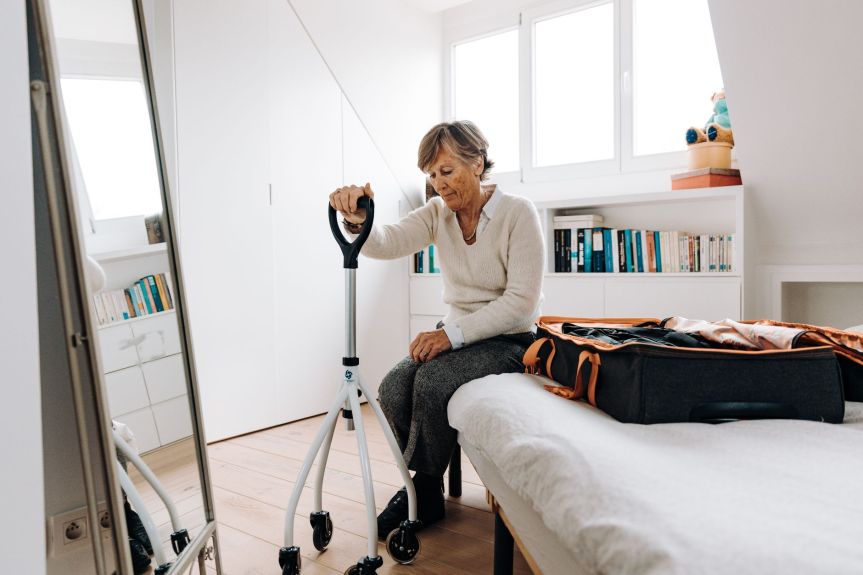
After assessing the needs of an aging loved one and creating a pre-vacation care plan, the next step is putting the right support system in place.

A written care plan is important, but it is only effective when dependable people are available to carry it out. Family members, friends, neighbors, and professional caregivers may all play a role, depending on the loved one’s level of independence and daily care needs.

Caregivers should avoid making assumptions about who will help or what each person is prepared to manage. Clear communication, defined responsibilities, and a backup plan are necessary to ensure continuity of care while the primary caregiver is away.

Determine the Level of Support Required

The support plan should be based on the aging loved one’s actual needs rather than what is easiest to arrange.

Some aging adults may remain mostly independent and require only occasional check-ins, transportation, meal preparation, or medication reminders. Others may need assistance with bathing, dressing, mobility, toileting, supervision, or medical equipment.

Review the care assessment and consider the level of support required throughout the day.

Important areas to evaluate include:

  • Medication management
  • Meal preparation and hydration
  • Personal care
  • Mobility and fall prevention
  • Transportation
  • Household safety
  • Companionship
  • Memory support
  • Medical appointments
  • Overnight supervision
  • Emergency response

Understanding the full scope of care will help determine whether support can be provided by family and friends or whether professional services are needed.

Include the Aging Loved One in the Process

Whenever possible, the aging loved one should be involved in decisions about who will provide care.

Personal care often involves privacy, trust, and comfort. A loved one may be comfortable receiving help from one family member but not another. They may also have concerns about unfamiliar caregivers entering the home or assisting with personal routines.

Discuss the proposed care arrangements in advance. Explain who will be involved, what responsibilities they will have, and how often they will visit.

If professional care will be used, arrange an introduction before the vacation begins. This allows the loved one to become familiar with the caregiver and gives everyone time to discuss routines, preferences, and concerns.

Including the loved one in the planning process supports dignity and can reduce anxiety about the caregiver’s absence.

Choose Support Based on Ability

Family members may be willing to help but may not fully understand the responsibilities involved.

Someone who feels comfortable preparing meals may not be comfortable assisting with bathing or toileting. A relative may be willing to provide transportation but may not be able to manage medications or respond to changes in behavior.

Each responsibility should be assigned based on a person’s availability, ability, and comfort level.

Caregivers should provide an honest explanation of what the role requires. General requests such as asking someone to “check in” may not provide enough clarity.

Instead, define the specific task.

Examples may include:

  • Preparing breakfast each morning
  • Providing transportation to appointments
  • Calling at scheduled times
  • Assisting with medication reminders
  • Staying in the home for several hours
  • Helping with mobility
  • Picking up groceries
  • Monitoring changes in health or behavior

Specific instructions help prevent misunderstandings and make it easier for family members to decide what they can realistically manage.

Assign Clear Responsibilities

A reliable support network requires more than a list of names.

Each person should know what they are responsible for, when they are expected to help, and who they should contact if a problem occurs.

Create a written schedule that includes:

  • The name of each support person
  • Assigned responsibilities
  • Dates and times of visits
  • Contact information
  • Backup coverage
  • Instructions for reporting concerns

When responsibilities are divided clearly, there is less risk that medications, meals, appointments, or personal care needs will be overlooked.

A written schedule also provides accountability and allows the primary caregiver to identify gaps before leaving.

Select a Primary Contact

One person should serve as the primary point of contact during the caregiver’s absence.

This individual should have a complete copy of the care plan and understand how the different parts of the support network work together.

The primary contact should know how to reach:

  • The aging loved one
  • Family members
  • Professional caregivers
  • Healthcare providers
  • The pharmacy
  • Emergency services
  • The primary caregiver

This person does not need to perform every caregiving responsibility. Their role is to coordinate communication, respond to unexpected changes, and help resolve problems.

Choose someone who is organized, dependable, and able to remain calm during an emergency.

Consider Professional Care Services

Family support may not always be enough.

Work schedules, distance, health limitations, and other responsibilities may prevent relatives from providing consistent care. Some aging loved ones may also need assistance that requires training or experience.

Professional support may include:

  • In-home personal care
  • Home health services
  • Respite care
  • Adult day programs
  • Meal delivery
  • Transportation services
  • Medication management
  • Short-term residential care

Professional services can fill gaps in the family’s availability and provide additional support for more complex needs.

Begin researching options early. Agencies may require assessments, paperwork, service agreements, or advance scheduling before care can begin.

Waiting until the final days before a vacation may limit the available choices.

Schedule a Trial Visit

A trial visit should be arranged before the primary caregiver leaves.

The person providing care should spend time with the aging loved one while the primary caregiver is still present.

During the visit, review the daily routine and demonstrate any tasks that require special instruction.

This may include:

  • Using mobility equipment
  • Preparing meals
  • Organizing medications
  • Assisting with transfers
  • Managing medical devices
  • Supporting memory loss
  • Responding to anxiety or confusion
  • Following bedtime routines
  • Locating emergency supplies

The trial visit provides an opportunity to identify questions, concerns, or safety issues before the care arrangement begins.

It also helps the aging loved one become more comfortable with the transition.

Create a Written Care Guide

Verbal instructions can be forgotten or misunderstood.

A written care guide should provide practical information about the aging loved one’s daily routine and health needs.

The guide may include:

  • Medication names, doses, and schedules
  • Dietary restrictions
  • Meal preferences
  • Personal care routines
  • Mobility limitations
  • Bathroom needs
  • Sleep schedules
  • Appointment information
  • Medical conditions
  • Known allergies
  • Behavioral changes to monitor
  • Emergency contacts
  • Healthcare provider information
  • Pharmacy information
  • Instructions for medical equipment

The care guide should be easy to read and stored in an accessible location.

Copies should be provided only to the people who need the information. Private medical and financial information should remain protected.

Review the guide with the support team before leaving to confirm that the instructions are understood.

Establish a Communication Schedule

The caregiver should decide how updates will be handled during the vacation.

Some caregivers may want one daily phone call. Others may prefer morning and evening text messages. In some situations, the primary contact may provide updates only when there is a concern.

The communication plan should identify:

  • How often updates will be provided
  • Who will provide them
  • Which method will be used
  • What information should be included
  • Which situations require immediate contact

Immediate communication may be necessary in situations involving:

  • A fall
  • A missed medication
  • Sudden confusion
  • Difficulty breathing
  • Chest pain
  • Refusal to eat or drink
  • A caregiver failing to arrive
  • A power outage
  • A medical emergency

Clear expectations allow the caregiver to remain informed without having to supervise every part of the care plan from a distance.

Develop a Backup Plan

Unexpected changes can affect even the most organized care plan.

A family member may become ill. A professional caregiver may cancel. Transportation may become unavailable. Severe weather may affect access to the home.

Backup coverage should be arranged for the most important responsibilities.

Alternate caregivers should have access to:

  • The written care guide
  • Emergency contact information
  • Medication instructions
  • The daily schedule
  • Necessary keys or access codes
  • Medical equipment instructions

The backup plan should be reviewed before the vacation begins.

A dependable care plan includes preparation for what happens when the original arrangement changes.

Prepare the Home

The home should be organized to make caregiving responsibilities easier and reduce safety risks.

Before leaving, caregivers should:

  • Remove clutter and tripping hazards
  • Clear walkways
  • Replace burned-out light bulbs
  • Secure loose rugs
  • Check handrails and grab bars
  • Place frequently used items within reach
  • Restock food and supplies
  • Refill medications
  • Organize personal care products
  • Test emergency alert devices
  • Check smoke and carbon monoxide detectors
  • Charge medical equipment and backup batteries

Labeling supplies and placing instructions near unfamiliar equipment may also be helpful.

A well-prepared home allows the support team to focus on the loved one’s care rather than searching for supplies or correcting preventable hazards.

Protect Privacy and Dignity

Care arrangements should continue to respect the aging loved one’s privacy.

Everyone involved should understand which areas of the home, personal records, devices, and belongings are private.

Medical information should only be shared with individuals who need it to provide care. Personal updates or photographs should not be shared without permission.

Assistance with bathing, dressing, toileting, or other personal tasks should be provided respectfully and discreetly.

The need for care does not remove a person’s right to dignity, choice, and privacy.

Allow the Care Plan to Work

Many caregivers continue to feel responsible for every detail even after a support network has been arranged.

They may call repeatedly, monitor the home, or attempt to manage each task from a distance.

Some communication is necessary, but the purpose of creating a support plan is to allow trusted people to provide care during the caregiver’s absence.

Taking time away is not abandonment.

Respite allows caregivers to rest, recover, and return with greater energy.

When the care needs have been assessed, responsibilities have been assigned, instructions have been provided, and backup plans are in place, the caregiver can leave knowing that preparation has been completed.

Build Support Beyond the Vacation

The support network created for a vacation may also reveal opportunities for ongoing assistance.

A family member may continue helping with meals.

A neighbor may remain available for periodic check-ins.

A professional caregiver may provide regular respite.

Transportation or adult day services may become part of the long-term care plan.

Vacation planning can help families identify where the primary caregiver needs additional support throughout the year.

Caregiving should not depend on one person managing every responsibility alone.

A strong support network protects the aging loved one and reduces the risk of caregiver exhaustion.

The most effective plans are built on clear communication, dependable help, realistic expectations, and preparation for change.

Learn how to evaluate care requirements, identify potential challenges, communicate with healthcare professionals, involve an aging loved one in the planning process, and create a complete care plan before taking a vacation by reading the previous blog, Assessing the Needs of Aging Loved Ones: A Pre-Vacation Checklist.

Prepare for Your Next Trip

Before traveling with an aging loved one, download the free Vacationing with an Aging Loved One Checklist.

This checklist will help you organize important information, supplies, medications, documents, accommodations, and care needs before leaving home.

Tune in to The Caregiver Café Podcast

Assisted Living: What Caregivers Need to Know

In this episode of The Caregiver Café with Roz Jones, Roz is talking about what caregivers need to know when it may be time to look for an assisted living facility.

There may come a point in the caregiving journey when your loved one’s care needs become more than one person can safely manage at home. Maybe their condition has changed. Maybe they need help standing, bathing, eating, taking medication, or getting to the bathroom. Maybe it now takes two people to safely transfer them from the bed or chair. When that happens, it may be time to start asking questions and exploring the next level of care.

Roz walks listeners through some of the important questions to ask when touring an assisted living facility, including staff ratios, staff turnover, training, medical support, room options, emergency response systems, accessibility, activities, meals, shared spaces, and whether residents can bring personal furniture or pets.

This episode is a practical reminder that choosing a facility is not only about the building. It is about safety, staffing, comfort, dignity, and making sure your loved one receives the care they need.

Before you take a tour, pour yourself something warm, get your questions ready, and let Roz help you know what to look for, what to ask, and what to pay attention to.

Give Yourself a Moment of Grace

If you need encouragement for the emotional side of caregiving, purchase Roz Jones’ book, Moments of Grace. This book offers support, reflection, and reminders of grace for the caregiver who is carrying a lot.

This journal was created to help caregivers pause, breathe, reflect, and find strength in the middle of the caregiving journey.

Purchase Moments of Grace today and give yourself permission to breathe in the middle of the caregiving journey.

Don’t Wait Until the Storm is Coming

The Caregiver Hurricane Preparedness Checklist.

Severe weather can create additional risks for aging loved ones and family caregivers.

The Caregiver Hurricane Preparedness Checklist will help you organize emergency contacts, medications, medical information, evacuation needs, important documents and essential supplies before a storm arrives.

Need Help Sorting Through the Care Plan?

Roz Jones is a dedicated caretaker turned CEO with over a decade of experience in helping families care for and make decisions for loved ones and their legacies.Roz is a compassionate, innovative healthcare industry leader.

If your family needs help thinking through care decisions, caregiving responsibilities, or next steps, book a session with Roz Jones. You do not have to navigate this season alone.

Together, we can talk through what is working, what is becoming too heavy, and what boundaries need to be strengthened so you can continue to care without losing yourself in the process.

Subscribe to The Caregiver Cafe Weekly Newsletter!

Caregiving can be a roller coaster of ups and downs. The information that you will receive from The Caregiver Cafe Weekly Specials Newsletter will support you as a caregiver. Remember…

1. YOU ARE NOT ALONE: The problems you face as a caregiver are experienced by other caregivers. Knowing that you’re not alone can be comforting. 

2. Tools and Resources:  Find caregiver stress management tools and gain perspective from other caregiver’s experiences.

3. LEARN TO: Ask for help, accept help when it is offered, and acknowledge yourself on this caregiving journey. Hear from experts on how to balance caregiving responsibilities by taking care of your needs and involving others to help manage the natural stress and isolation of being a caregiver.