The Quiet Power of Being Fully Present

By Roz Jones

Caregiving requires constant attention. Caregivers must remain aware of medications, appointments, changes in health, daily routines, household responsibilities, and the evolving needs of an aging loved one. Yet while so much attention is given to what must be managed, it is still possible to lose sight of the person receiving the care.

Caregiving days can quickly become organized around tasks. One responsibility leads into the next, and the caregiver’s mind is often preparing for what must happen later before the current moment has ended. Over time, meaningful interactions may be overlooked because completing the care plan has become the primary focus.

Being fully present offers caregivers and aging loved ones an opportunity to reconnect within the routine.

Presence does not require caregivers to ignore their responsibilities or pretend that difficult circumstances are easy. It means becoming more aware of what is happening in the moment, including what an aging loved one may be feeling, what they may be trying to communicate, and what the caregiver may need in order to continue providing thoughtful care.

This awareness can support clearer communication, greater emotional connection, and moments of peace during an otherwise demanding caregiving season.

Presence Begins With Paying Attention

Mindfulness is often associated with meditation, deep breathing, or sitting quietly. While those practices can be valuable, mindfulness can also be practiced through ordinary caregiving experiences.

Being present means noticing what is happening without immediately judging it, dismissing it, or attempting to change it. It allows caregivers to respond with greater awareness instead of reacting from frustration, exhaustion, or urgency.

For an aging loved one, this kind of presence can create room to express fear, sadness, frustration, confusion, or joy without feeling as though their emotions have created another problem for the caregiver to solve. They may feel more comfortable communicating their preferences and concerns when they know they are being heard rather than rushed toward a solution.

Presence also benefits the caregiver. Paying attention to personal thoughts, emotions, and physical responses may reveal how much stress has been building beneath the daily routine. Recognizing exhaustion, irritability, anxiety, or mental fatigue early may help a caregiver respond before those feelings begin affecting their health, patience, and ability to provide care.

Seeing the Person Beyond the Responsibilities

Caregiving routines can become automatic, particularly when the same responsibilities must be completed each day. Meals must be prepared, medications must be organized, appointments must be managed, and assistance may be needed with personal care, mobility, and household activities.

Each responsibility matters, but an aging loved one should not begin to feel as though they have become a collection of needs that must be managed.

Presence helps caregivers see the person beyond the task. This may involve explaining what is about to happen before assisting with personal care, asking how the loved one would prefer to be helped, or including them in decisions they are still able to make.

An aging loved one may not be able to prepare an entire meal independently, but they may still be able to choose between two options. They may need transportation to a medical appointment, but they should still have time to ask questions and express concerns about the visit. They may need help getting dressed, but they can still have preferences about what they wear.

These decisions may appear small, but they reinforce dignity. They remind aging loved ones that their voices still matter and that receiving care does not remove their right to participate in their own lives.

Slowing down can also help caregivers notice changes that may otherwise be missed. A loved one may be eating less, responding more slowly, withdrawing from conversation, appearing unusually tired, or showing signs of discomfort. These changes are often easier to recognize when care is not being completed in a constant state of hurry.

Listening for What Is Beneath the Words

Aging can bring changes that are difficult to understand and even harder to accept. Aging loved ones may grieve the loss of independence, physical abilities, familiar routines, relationships, or the roles they once held within the family.

These emotions may not always be expressed clearly.

A complaint about dinner may be less about the food and more about having fewer opportunities to make personal choices. Refusing assistance may be connected to a fear of becoming dependent. Repeated questions may reflect anxiety, memory loss, or a need for reassurance. Anger may be covering sadness, embarrassment, or fear.

Caregivers may feel pressure to correct inaccurate information, calm the emotion quickly, or explain why a particular decision had to be made. There are times when clarification is necessary, but not every feeling requires an immediate solution.

Sometimes an aging loved one first needs to know that someone is willing to listen.

Mindful listening means allowing the person to finish speaking and paying attention to tone, facial expressions, and body language. It means asking questions that help clarify what is troubling them and acknowledging the emotion, even when the circumstances cannot be changed.

A simple response such as, “I understand why this is difficult for you,” may create more connection than immediately defending a decision or redirecting the conversation.

Feeling heard may not remove the frustration, but it can help an aging loved one feel less isolated within the changes they are experiencing.

Creating Meaningful Connections to the Present

Aging loved ones may spend a significant amount of time remembering the past or worrying about the future. Memory changes, grief, loneliness, declining health, and changes in independence may make it difficult to feel grounded in the present.

Mindful activities can provide gentle opportunities to reconnect with what is happening now.

Listening to familiar music, folding towels, sitting outdoors, tending to a plant, looking through photographs, or preparing part of a familiar recipe can encourage participation without placing pressure on performance. Meaningful objects may also be used to begin conversations, stimulate the senses, or help an aging loved one reconnect with familiar experiences.

The purpose of these activities is not to test memory or complete a perfect project. It is also not simply to keep an aging loved one occupied.

The purpose is to help them feel included, capable, and connected.

Caregivers can make these activities more supportive by offering one direction at a time, allowing enough time for the loved one to respond, and resisting the urge to take over because the task could be completed more quickly.

The final result matters less than the experience of participating together.

Establishing a More Mindful Morning Routine

The way a household begins the day can influence how everyone responds to what follows.

Caregiving mornings may include medications, personal care, breakfast, transportation, phone calls, and several decisions before the caregiver has had an opportunity to collect their own thoughts. When the day begins in a rush, even a small and unexpected change may create additional tension.

A mindful morning does not require an elaborate routine. It may involve opening the curtains to allow natural light into the room, playing soft music, praying, completing gentle stretches, or sitting quietly for a few minutes before beginning the day’s responsibilities.

A consistent and unhurried morning routine may be especially helpful for an aging loved one experiencing memory loss, confusion, or anxiety. Familiar steps can provide reassurance and make the transition into the day feel less overwhelming.

Caregivers may also benefit from taking a few moments for themselves before immediately responding to someone else’s needs. A calm beginning will not guarantee that the day will be easy, but it can create a steadier foundation for managing whatever the day may bring.

Giving the Caregiver’s Mind Permission to Rest

Caregivers may sit down without ever truly resting. The body may stop moving while the mind continues reviewing everything that has happened and everything that still needs to be completed.

A caregiver may be thinking about whether medication was taken, when a prescription needs to be refilled, who will provide transportation, what should be discussed at the next appointment, or what will happen if their loved one’s condition changes.

They may also be carrying questions about who will provide care if they become unavailable and how long they can continue managing the current level of responsibility.

This constant mental activity can affect sleep, concentration, patience, decision-making, and emotional well-being.

Mindful rest allows the mind to stop solving problems for a brief period. It may involve sitting outside without making a phone call, taking a shower without mentally reviewing the schedule, enjoying a cup of coffee while it is still warm, or taking a walk while paying attention to the surroundings.

The mind may return to caregiving responsibilities during these moments. That is normal. The practice of mindfulness involves noticing that shift and gently returning attention to the present.

Mental rest should not be treated as a reward that caregivers must earn after every responsibility has been completed. In caregiving, there may always be another task waiting.

Rest is part of maintaining the strength and clarity required to continue.

Using the Senses to Find Steadiness

During moments of anxiety, frustration, or emotional overload, focusing on the senses can help caregivers and aging loved ones reconnect with their immediate surroundings.

This may include noticing the color of an object nearby, listening for a familiar sound, feeling both feet against the floor, or paying attention to the temperature of the room. The scent of coffee, soap, flowers, or a favorite meal may also provide a familiar point of focus.

Taking a slow sip of water and noticing the sensation can be another simple way to return attention to the present.

Grounding through the senses does not erase the situation causing distress. However, it may help the body and mind become calm enough to respond with greater clarity.

These practices can also be adapted to an aging loved one’s abilities. Someone with limited vision may rely more on touch, sound, smell, or taste. A person with hearing loss may respond more easily to visual or tactile cues.

The specific method matters less than creating an opportunity to pause and reconnect with what is happening in the moment.

Keeping Mindfulness From Becoming Another Responsibility

Caregivers are often surrounded by advice about what they should be doing to protect their health and improve their caregiving experience. They may be encouraged to exercise, journal, meditate, rest, attend support groups, or ask family members for help.

Although these recommendations may be beneficial, even healthy practices can begin to feel like additional responsibilities when they are presented as requirements that must be completed correctly.

Mindfulness should not become another standard caregivers use to decide whether they are doing enough.

Some days, mindfulness may include a longer period of quiet reflection. On another day, it may consist of taking one deep breath before responding to a difficult comment.

It may mean turning off the television during dinner, putting down the phone while an aging loved one shares a familiar story, or sitting together without discussing appointments, medications, finances, or household responsibilities.

A mindful moment does not need to be lengthy or perfectly planned to be meaningful.

Allowing Difficult Emotions to Exist

Being present does not mean focusing only on positive thoughts.

Caregiving can involve grief, anger, fear, guilt, resentment, loneliness, and uncertainty. Aging loved ones may grieve their health, independence, familiar surroundings, relationships, or the lives they once expected to continue living. Caregivers may grieve the way the relationship has changed or the future they once imagined.

These emotions can exist alongside love and gratitude.

A caregiver can deeply love an aging loved one and still feel exhausted. An aging loved one can appreciate the care they receive and still feel angry about needing assistance. A difficult day does not mean the family is failing.

Mindfulness creates room for these emotions to be acknowledged rather than hidden beneath forced positivity. Honest recognition can help families understand what they are carrying and determine when additional support may be needed.

Mindfulness can support emotional wellness, but it should not replace professional care. Persistent anxiety, depression, grief, confusion, or emotional distress should be discussed with an appropriate healthcare or mental health professional.

Support may come from a physician, therapist, counselor, caregiver support group, or trusted faith leader. Being fully present also means recognizing when the situation requires more assistance than the family can provide alone.

Recognizing Joy While It Is Happening

Caregiving can make the future feel uncertain. Families may become so focused on the next appointment, change in health, or difficult decision that they overlook what is still possible today.

An aging loved one may still enjoy listening to music, laughing at a familiar story, sitting outdoors, watching a favorite television program, speaking with a grandchild, or sharing a favorite meal.

These experiences may seem ordinary, but ordinary moments often become the memories families value most.

Being fully present allows caregivers and aging loved ones to recognize joy while it is happening instead of understanding its importance only after the moment has passed.

Joy does not require perfect health or an easy caregiving season. It does not require an expensive trip or carefully planned event. It may be found in a comfortable silence, a shared laugh, or a moment when caregiving responsibilities briefly make room for the relationship itself.

How Presence Changes the Experience of Care

Caregiving will continue to require planning, coordination, flexibility, and difficult decisions. There will still be interruptions, unexpected changes, and days when patience feels limited.

Being fully present does not remove those realities. It changes how caregivers and aging loved ones experience them together.

Presence creates room for an aging loved one’s voice and helps caregivers recognize their own needs and limitations. It allows ordinary acts of care to become opportunities for dignity, understanding, and connection.

The quiet power of presence is not found in doing more. It is found in noticing what may otherwise be missed.

Caregiving is made up of responsibilities, but it is also made up of moments. Being fully present helps families recognize the importance of both.

For more ways to use mindfulness to support aging loved ones and caregivers, read the previous blog, Mental Majesty: Cultivating Mindful Wellness for Aging Loved Ones and Caregivers.

Prepare for Your Next Trip

Planning to travel with an aging loved one? Download the free Vacationing with an Aging Loved One Checklist to help you prepare for medications, mobility needs, comfort, safety, and unexpected changes.

Tune in to The Caregiver Café Podcast

What to Know About the Cost of Prescriptions

In this episode of The Caregiver Café with Roz Jones, Roz is talking about something many seniors and caregivers are feeling at the pharmacy counter: the rising cost of prescription medications.

As aging loved ones begin taking more medications, those costs can add up quickly. One prescription may not seem like much, but when there are several medications involved, the monthly total can become overwhelming for seniors, families, and caregivers trying to manage care on a fixed income.

Roz breaks down practical ways caregivers can help reduce the cost of prescriptions. She talks about asking doctors about generic medications, looking for less expensive brand-name options, using mail-order pharmacy services, reviewing Medicare drug plans during annual enrollment, and checking for state or manufacturer assistance programs.

Give Yourself a Moment of Grace

Caregiving includes demanding days, unexpected changes, and moments of connection that may be easy to overlook. Moments of Grace offers encouragement to caregivers who need a reminder to pause and recognize the meaningful moments along the journey.

Preparing for hurricane season?
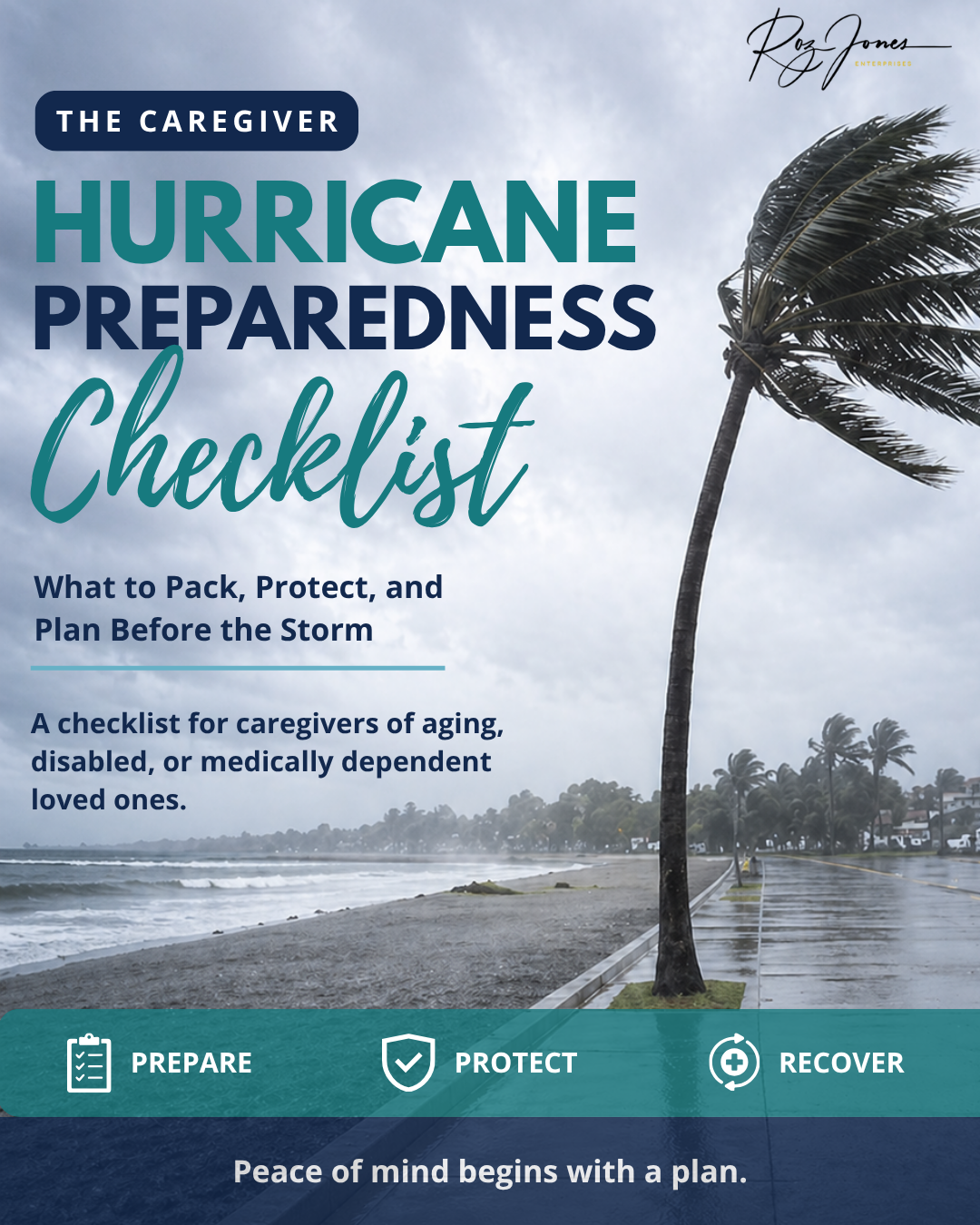
The Caregiver Hurricane Preparedness Checklist.

Are you preparing for hurricane season? Purchase the Caregiver Hurricane Preparedness Checklist to organize the information and supplies your family may need before severe weather arrives.

Subscribe to The Caregiver Cafe Weekly Newsletter!

Caregiving can be a roller coaster of ups and downs. The information that you will receive from The Caregiver Cafe Weekly Specials Newsletter will support you as a caregiver. Remember…

1. YOU ARE NOT ALONE: The problems you face as a caregiver are experienced by other caregivers. Knowing that you’re not alone can be comforting. 

2. Tools and Resources:  Find caregiver stress management tools and gain perspective from other caregiver’s experiences.

3. LEARN TO: Ask for help, accept help when it is offered, and acknowledge yourself on this caregiving journey. Hear from experts on how to balance caregiving responsibilities by taking care of your needs and involving others to help manage the natural stress and isolation of being a caregiver. 

Strong, Steady and Living Well at Every Age

By Roz Jones

Movement can become more important as we age, but the way we approach fitness may need to change. Understanding how to build a routine that can continue as the body, health, and caregiving situation change is really important.

Healthy aging is not about trying to move like someone twenty years younger. It is about maintaining the strength, flexibility, balance, and confidence needed to continue participating in daily life. For some aging adults, that may mean attending a weekly exercise class. For others, it may mean walking to the mailbox, tending to a garden, preparing a meal, or getting out of a chair without assistance.

Every form of meaningful movement deserves to be recognized.

Let Daily Life Guide the Fitness Goals

Fitness goals for aging adults should reflect what they want and need to continue doing.

A traditional exercise goal may focus on walking a certain distance, completing a specific number of repetitions, or exercising for a set number of minutes. Those goals can be useful, but they do not always show how movement is improving an aging loved one’s quality of life.

A more meaningful goal may be having enough stamina to attend a grandchild’s school program. It may be maintaining the strength needed to get in and out of the car. It may be improving balance so an aging loved one feels safer moving through the home.

Connecting exercise to daily activities can make movement feel more purposeful. Instead of presenting fitness as another responsibility, caregivers can help aging loved ones understand how staying active may support the independence and experiences that matter to them.

Ask your loved one what they would like to continue doing.

Ask what has become more difficult.

Ask what activity they miss.

The answers can help guide a fitness routine that feels personal rather than imposed.

Build a Routine That Leaves Room for Change

Consistency supports progress, but rigid expectations can make exercise difficult to maintain.

An aging loved one may feel energetic one morning and tired the next. Arthritis, chronic pain, medication changes, medical appointments, poor sleep, and emotional stress can all affect their ability to participate.

A flexible routine gives them several ways to remain active without ignoring what their body is communicating.

On a higher-energy day, they may take a longer walk, attend a class, swim, or complete a light strength-training routine. On a day when energy is limited, seated exercises, gentle stretches, or a short walk through the home may be more appropriate.

Rest is also part of a healthy routine.

A missed workout does not mean the plan has failed. It may simply mean the body needed something different that day. The goal is to create a routine that can be adjusted without being abandoned.

Protect Strength for Everyday Independence

Strength training is not reserved for athletes or younger adults. It can help aging loved ones preserve the ability to complete ordinary activities safely and with less assistance.

Muscle strength supports standing, climbing steps, carrying groceries, using the bathroom, getting dressed, and recovering balance after a stumble. As muscle mass naturally decreases with age, light resistance exercises may help slow that decline.

Strength training does not always require a gym membership or heavy equipment. Depending on an individual’s health and abilities, exercises may include light hand weights, resistance bands, wall push-ups, seated leg lifts, or carefully practiced chair stands.

The focus should remain on safe, controlled movement rather than lifting heavier weights or completing more repetitions.

Caregivers should also avoid assuming that an exercise is safe simply because it appears easy. A healthcare provider, physical therapist, or qualified senior fitness professional can help determine which activities are appropriate, particularly when an aging loved one has mobility limitations, heart concerns, osteoporosis, balance problems, or other medical conditions.

Make Balance Part of the Plan

Balance can influence whether an aging loved one feels confident moving through the world.

A fall, or even the fear of falling, can change a person’s behavior. An aging loved one may begin avoiding stairs, outdoor walks, social activities, or certain areas of the home. Over time, moving less may contribute to additional weakness and make them feel even less steady.

Balance activities can help strengthen the muscles and coordination needed for safer movement. Depending on the person’s abilities, this may include practicing heel raises while holding a sturdy chair, shifting weight from one foot to the other, walking heel to toe with support nearby, or participating in tai chi.

The home should support these efforts.

Loose rugs, cluttered walkways, poor lighting, slippery surfaces, and unstable furniture can increase fall risks. Supportive shoes, clear pathways, secure handrails, and frequently used items placed within easy reach can make movement safer.

Fitness and home safety should work together. Building strength is important, but aging loved ones also need an environment that allows them to use that strength confidently.

Make Movement Enjoyable Enough to Continue

The best exercise routine is not necessarily the most advanced one. It is the one an aging loved one feels comfortable returning to.

Some people enjoy structured classes. Others prefer gardening, dancing, walking through a shopping center, stretching while watching television, or moving to music from another season of their life.

There is no need to force an activity that creates frustration or embarrassment when another option may offer the same benefit.

Caregivers can also make movement more enjoyable by participating. A short walk can become an opportunity to talk. Gardening can become shared time outdoors. Dancing to a favorite song can bring back memories and laughter.

When movement is connected to enjoyment, companionship, and personal interests, it is less likely to feel like another medical instruction.

Know When to Pause

Exercise should challenge the body appropriately, but it should not be used to push an aging loved one beyond what is safe.

Caregivers should pay attention to symptoms such as chest pain, severe shortness of breath, dizziness, sudden weakness, confusion, or sharp and persistent pain. These symptoms should not be dismissed as a normal part of getting older.

Changes in behavior may also provide important information. An aging loved one who suddenly avoids walking, favors one side of the body, appears unusually tired, or struggles with an activity they previously completed may need further evaluation.

When something does not look or feel right, stop the activity and contact an appropriate healthcare professional.

Supporting movement also means respecting the body’s warning signs.

Keep Movement Possible During Travel and Emergencies

Vacations, family visits, severe weather, and emergencies can interrupt familiar routines.

During travel, aging loved ones may spend long periods sitting in a vehicle or airplane. They may be staying in an unfamiliar environment with different stairs, flooring, furniture, and bathroom arrangements. Mobility equipment may also be harder to access or transport.

Caregivers can prepare by planning regular movement breaks, packing supportive shoes and mobility aids, choosing accessible accommodations, and allowing more time between activities.

Emergency preparation is equally important. During hurricanes or other severe weather events, families may need to relocate, remain indoors, or manage extended disruptions. Having medications, medical information, mobility equipment, emergency contacts, and essential supplies organized in advance can help caregivers focus on their loved one’s immediate safety.

Movement may look different during these situations, but gentle stretching, seated exercises, and short periods of walking may help reduce stiffness when they can be completed safely.

Celebrate Progress Without Comparison

Aging loved ones should not feel as though their worth is tied to how quickly they improve or how closely they resemble the person they were years ago.

Progress may be gradual.

There may be setbacks.

A health condition may change what is possible.

Some weeks may involve more rest than movement.

Encouragement should recognize effort without creating pressure. Celebrate the walk to the end of the driveway. Celebrate the willingness to try a new class. Celebrate improved balance, greater confidence, or the decision to begin again after an illness.

Do not compare your loved one to another person their age.

Do not compare today’s body to a younger version of the same person.

Honor what the body can do now and continue looking for safe ways to support it.

Living Well Is the Real Goal

Age-defying fitness is not about denying that aging brings change. It is about refusing to believe that change eliminates the possibility of strength, joy, connection, or personal growth.

Movement can help aging loved ones remain involved in their care and connected to the activities they value. It can support physical health while also strengthening confidence and emotional well-being.

The goal is not to chase youth.

The goal is to continue living well.

That may mean moving more slowly, choosing different activities, accepting support, or adjusting expectations. None of those changes make the effort less meaningful.

Every walk, stretch, dance, and carefully completed movement can become an investment in dignity, independence, and quality of life.

For more ways to help an aging loved one remain active, read the previous blog, Age-Defying Fitness: Exercising for Joyful Aging.

Prepare for Your Next Trip

Planning to travel with an aging loved one? Download the free Vacationing with an Aging Loved One Checklist to help you prepare for medications, mobility needs, comfort, safety, and unexpected changes.

Tune in to The Caregiver Café Podcast

What to Know About the Cost of Prescriptions

In this episode of The Caregiver Café with Roz Jones, Roz is talking about something many seniors and caregivers are feeling at the pharmacy counter: the rising cost of prescription medications.

As aging loved ones begin taking more medications, those costs can add up quickly. One prescription may not seem like much, but when there are several medications involved, the monthly total can become overwhelming for seniors, families, and caregivers trying to manage care on a fixed income.

Roz breaks down practical ways caregivers can help reduce the cost of prescriptions. She talks about asking doctors about generic medications, looking for less expensive brand-name options, using mail-order pharmacy services, reviewing Medicare drug plans during annual enrollment, and checking for state or manufacturer assistance programs.

Give Yourself a Moment of Grace

Caregiving includes demanding days, unexpected changes, and moments of connection that may be easy to overlook. Moments of Grace offers encouragement to caregivers who need a reminder to pause and recognize the meaningful moments along the journey.

Preparing for hurricane season?

The Caregiver Hurricane Preparedness Checklist.

Are you preparing for hurricane season? Purchase the Caregiver Hurricane Preparedness Checklist to organize the information and supplies your family may need before severe weather arrives.

Subscribe to The Caregiver Cafe Weekly Newsletter!

Caregiving can be a roller coaster of ups and downs. The information that you will receive from The Caregiver Cafe Weekly Specials Newsletter will support you as a caregiver. Remember…

1. YOU ARE NOT ALONE: The problems you face as a caregiver are experienced by other caregivers. Knowing that you’re not alone can be comforting. 

2. Tools and Resources:  Find caregiver stress management tools and gain perspective from other caregiver’s experiences.

3. LEARN TO: Ask for help, accept help when it is offered, and acknowledge yourself on this caregiving journey. Hear from experts on how to balance caregiving responsibilities by taking care of your needs and involving others to help manage the natural stress and isolation of being a caregiver. 

Helping Your Aging Loved One Rediscover What Wellness Means

By Roz Jones

Wellness is often discussed as if it begins with a new routine.

Families may think about healthier meals, more movement, better sleep, or finding activities that keep an aging loved one engaged. These things can support well-being, but wellness is not only about adding more to someone’s day.

Sometimes it begins with paying closer attention to what has been lost.

An aging loved one may no longer move through the world the way they once did. Their health may have changed. Their social circle may have become smaller. They may no longer drive, work, travel, attend church regularly, or participate in the activities that once gave structure to their life.

Over time, these changes can affect more than the body. They can affect confidence, identity, independence, and the way a person sees their place within the family.

Helping an aging loved one rediscover wellness means looking beyond what others believe they should be doing and paying attention to what still helps them feel like themselves.

Wellness Should Reflect the Person They Are

A wellness routine should not be built around what is popular or what works for someone else.

Some aging loved ones may enjoy taking a morning walk, while others may prefer sitting outside with a cup of coffee. One person may feel energized by a group activity, while another may feel more comfortable spending time with one trusted friend. Someone who has always loved music may gain more from listening to familiar songs than from participating in an activity they have never enjoyed.

Caregivers can begin by thinking about the person their loved one has always been. Consider what they enjoyed before their health changed, what made them feel useful, and which parts of their routine brought comfort or gave them something to look forward to.

Those answers can help families create opportunities that feel familiar instead of forced.

Wellness becomes more meaningful when it is connected to the loved one’s personality, history, preferences, and current abilities. The goal is not to turn them into a different version of themselves. It is to help them remain connected to who they are.

Begin With What Is Still Possible

Families may focus so much on what an aging loved one can no longer do that they overlook what is still available to them.

A person who can no longer prepare a full meal may still enjoy choosing a recipe, washing vegetables, or offering advice from the kitchen table. Someone who no longer maintains a large garden may still enjoy caring for a few plants. A loved one who cannot attend every family gathering may still participate through a shorter visit, a video call, or a quiet meal with a few relatives.

These adjustments allow the loved one to remain involved without asking them to ignore their limitations.

Caregivers do not have to recreate an activity exactly as it happened in the past. They can preserve the part that made it meaningful.

Gardening may have been about working with their hands. Cooking may have been about caring for the family. Attending church may have provided faith, routine, and community. Taking long walks may have been a way to enjoy the outdoors and clear the mind.

Once the family understands what the activity represented, they may be able to find another way to meet that need.

Give Them a Voice in Their Own Wellness

Caregivers often make decisions with the best intentions. They want their loved one to stay active, eat well, attend appointments, and remain connected.

However, wellness can begin to feel like another obligation when the aging loved one has little say in what happens.

Whenever possible, include them in the decision-making process. Ask what they would enjoy instead of assuming. Offer choices that match their current abilities, and pay attention when they say they are tired, uncomfortable, or simply not interested.

An aging loved one may not want to participate in every activity the family suggests. That does not mean they have given up on their well-being. They may simply have different priorities.

Some days, wellness may involve movement, conversation, and time outside the home. On other days, it may mean rest, privacy, or the comfort of a familiar routine.

Respecting those choices protects dignity and reminds the loved one that their life still belongs to them.

Notice What Brings Energy and What Takes It Away

Not every activity that appears beneficial will feel beneficial to the person experiencing it.

A crowded senior program may leave one loved one feeling connected and another feeling overwhelmed. A long family outing may seem enjoyable at first but lead to exhaustion the following day. An exercise class may support mobility, but the pace or time of day may not be right for the person.

Caregivers can learn a great deal by observing how their loved one responds before, during, and after an activity.

Do they seem calmer afterward? Are they more alert or talkative? Do they mention wanting to do it again, or do they appear tired and withdrawn?

These responses can help the caregiver understand what supports well-being and what may need to be changed.

The goal is not to fill the calendar. It is to create experiences that leave the loved one feeling supported rather than depleted.

Remember That Emotional Wellness Matters Too

Physical health often receives the most attention in caregiving, but emotional well-being is just as important.

An aging loved one may be grieving changes in their health, independence, relationships, or daily routine. They may feel lonely, frustrated, afraid, or uncertain about the future. Those emotions may not always be expressed directly.

A person may become quieter. They may lose interest in activities they once enjoyed. They may seem more irritable or begin saying they do not want to be a burden.

Caregivers do not have to solve every feeling. Sometimes the most helpful response is to listen without rushing to correct, reassure, or change the subject.

Making space for honest conversation allows the loved one to feel heard. It also gives the caregiver a better understanding of what may be affecting their overall well-being.

When changes in mood, sleep, appetite, or behavior continue, families should consider speaking with a healthcare professional. Emotional health deserves the same attention as physical health.

Create Opportunities for Purpose

Wellness is also connected to purpose.

Many aging adults have spent years working, raising families, caring for others, serving their communities, or managing their households. When those roles change, they may begin to feel as though they are no longer needed.

Families can help by finding genuine ways for them to contribute.

An aging loved one may enjoy helping a grandchild with reading, sharing family recipes, folding towels, choosing music for a gathering, organizing photographs, or offering advice about a family decision.

The activity does not have to be large. What matters is that the person feels included and valued.

Purpose should not be treated as a task created only to keep someone busy. It should be connected to something the loved one cares about and can participate in with dignity.

Let Connection Be Part of the Care Plan

Aging can bring isolation, even when the loved one lives with family.

Caregivers may be present throughout the day but focused on medications, meals, appointments, and household responsibilities. The loved one may receive excellent care and still feel lonely.

Connection requires more than being in the same room.

It may come through a familiar conversation, a shared meal, a phone call with an old friend, or time spent looking through photographs together. It may involve returning to a place that holds meaning or inviting someone the loved one trusts to visit.

These moments do not need to be complicated. They simply need to make room for the person beyond the care they require.

Wellness grows when aging loved ones continue to feel connected to family, friendship, faith, culture, and the parts of life that remind them they belong.

Allow Wellness to Change Over Time

What supports an aging loved one today may not work six months from now.

Their strength, memory, mood, interests, or care needs may change. A routine that once brought comfort may become too demanding. An activity they initially resisted may later become something they enjoy.

Caregivers should be willing to adjust without viewing the change as a setback.

Wellness is not a fixed plan. It is an ongoing process of noticing what the loved one needs and finding realistic ways to support it.

There may be seasons when wellness looks active and social. There may also be seasons when it looks quieter and more focused on comfort.

Both can be meaningful.

Redefine What Progress Looks Like

Caregivers may sometimes expect wellness efforts to produce visible improvement.

They may hope a loved one will become stronger, more independent, more social, or more interested in daily activities.

Those changes may happen, but progress can also be smaller.

It may be a loved one smiling during a familiar song. It may be a peaceful afternoon after several difficult days. It may be the willingness to eat a favorite meal, sit outside for a few minutes, or share a memory with the family.

These moments may not look significant to someone outside the caregiving experience, but they matter.

Wellness does not always mean returning to the way life was before. Sometimes it means helping an aging loved one experience as much comfort, dignity, connection, and meaning as possible in the life they are living now.

Reviving radiance is not about ignoring the realities of aging. It is about continuing to see the whole person within those changes.

When caregivers pay attention to what brings comfort, purpose, energy, and joy, they can help their loved ones discover a version of wellness that feels personal and attainable.

That is where radiance often returns.

Not through a perfect routine, but through the steady reminder that the aging loved one is still valued, still capable of making choices, and still deserving of a life that feels meaningful. Read more on this subject in the previous blog.

Prepare for Your Next Trip

Traveling with an aging loved one requires careful preparation. Download the free Vacationing With an Aging Loved One Checklist for reminders related to medications, health needs, accommodations, transportation, safety, and emergency planning.

Tune in to The Caregiver Café Podcast

Patient Advocacy: The Caregivers Role

In this episode of The Caregiver Café with Roz Jones, Roz is talking about an important role many caregivers step into without always realizing it: becoming an advocate for their loved one at the doctor’s office.

Doctor visits can feel overwhelming for both the caregiver and the aging loved one. There may be anxiety, confusion, medication changes, new symptoms, treatment options, and instructions that are hard to remember once the appointment is over. That is why caregivers need to walk in prepared, ask the right questions, and make sure they leave with clear answers.

Roz breaks down practical ways caregivers can advocate before, during, and after medical appointments. She talks about preparing ahead of time, writing down questions and concerns, tracking new symptoms or changes, taking notes during the visit, sharing updates with the care team, and making sure everyone involved in the loved one’s care is on the same page.

She also reminds caregivers not to be afraid to ask the doctor to explain things in plain language. If something is unclear, uncomfortable, or confusing, caregivers have the right and responsibility to ask questions. Roz also encourages families to understand treatment options, possible side effects, medication changes, and how each decision may affect their loved one’s independence and daily routine.

This episode is a practical reminder that advocacy is part of caregiving. It is not enough to just show up at the appointment. Caregivers need to listen, take notes, ask questions, review medications, and help coordinate between doctors, specialists, and the full care team.

Give Yourself a Moment of Grace

Caregiving includes demanding days, unexpected changes, and moments of connection that may be easy to overlook. Moments of Grace offers encouragement to caregivers who need a reminder to pause and recognize the meaningful moments along the journey.

Don’t Wait Until the Storm is Coming

The Caregiver Hurricane Preparedness Checklist.

Caregivers should also be prepared for emergencies that may affect the home and the loved one’s care routine. The Caregiver Hurricane Preparedness Checklist helps families organize medications, medical equipment, emergency contacts, important documents, and evacuation plans before a storm arrives.

Need Help Sorting Through the Care Plan?

Roz Jones is a dedicated caretaker turned CEO with over a decade of experience in helping families care for and make decisions for loved ones and their legacies.Roz is a compassionate, innovative healthcare industry leader.

If your family needs help thinking through care decisions, caregiving responsibilities, or next steps, book a session with Roz Jones. You do not have to navigate this season alone.

Together, we can talk through what is working, what is becoming too heavy, and what boundaries need to be strengthened so you can continue to care without losing yourself in the process.

Subscribe to The Caregiver Cafe Weekly Newsletter!

Caregiving can be a roller coaster of ups and downs. The information that you will receive from The Caregiver Cafe Weekly Specials Newsletter will support you as a caregiver. Remember…

1. YOU ARE NOT ALONE: The problems you face as a caregiver are experienced by other caregivers. Knowing that you’re not alone can be comforting. 

2. Tools and Resources:  Find caregiver stress management tools and gain perspective from other caregiver’s experiences.

3. LEARN TO: Ask for help, accept help when it is offered, and acknowledge yourself on this caregiving journey. Hear from experts on how to balance caregiving responsibilities by taking care of your needs and involving others to help manage the natural stress and isolation of being a caregiver. 

How Caregivers Can Adjust to Accessibility Plans Falling Short While Traveling

By Roz Jones

Planning an accessible trip requires more than choosing a hotel with an accessible room or requesting wheelchair assistance at the airport.

Caregivers may research transportation, call ahead, confirm accommodations, and make careful plans before leaving home. Even then, they may arrive and discover that a doorway is too narrow, an elevator is out of service, a bathroom does not meet their loved one’s needs, or the distance between locations is much farther than expected.

Accessibility can look different from one place to another. A property may describe itself as accessible while still presenting challenges for someone who uses a wheelchair, walker, cane, or other mobility aid.

When the plans do not work as expected, caregivers need practical ways to make adjustments without placing their loved one at unnecessary risk.

Inspect the Space Before Settling In

When arriving at a hotel, rental property, or family member’s home, take time to inspect the space before unpacking.

Walk through the areas your loved one will use most often. Check the entrance, hallways, bedroom, bathroom, kitchen, and common areas.

Look for steps, loose rugs, poor lighting, narrow pathways, uneven flooring, and furniture that may block movement.

Test the bathroom setup. Make sure grab bars are secure, the shower or tub is manageable, and there is enough room for your loved one and the caregiver assisting them.

A room may technically be accessible but still require changes.

Furniture may need to be moved. A loose rug may need to be removed. An extra chair may need to be placed near the bed so your loved one can sit while dressing.

Making these adjustments early can prevent problems later.

Do Not Rely Only on the Word “Accessible”

The word “accessible” does not always explain what a traveler will actually encounter.

One property may consider a room accessible because it is located on the first floor. Another may have grab bars but no roll-in shower. A restaurant may have a ramp at the entrance but tables that are difficult to reach with a wheelchair.

Before the trip, ask detailed questions.

How wide are the doorways?

Are there steps between the parking area and entrance?

Is there an elevator?

Does the shower have a bench?

Is the bed low enough for a safe transfer?

Is accessible parking located near the entrance?

Are wheelchairs allowed on the shuttle or tour vehicle?

Whenever possible, request photographs or written confirmation of the features your loved one needs.

Specific information is more helpful than a general promise that a location is accessible.

Create a Backup Plan for Every Major Activity

A backup plan can prevent one unexpected barrier from disrupting the entire day.

Before visiting an attraction, identify another nearby activity that requires less walking or provides better accessibility. Know where your loved one can rest if they become tired. Find out whether wheelchairs, scooters, or other mobility equipment can be rented on-site.

If the original restaurant has steps or limited space, keep the name of another accessible option nearby.

When using public transportation, know whether a taxi, rideshare service, or accessible transportation company can be used if an elevator or lift is unavailable.

The backup plan does not need to be complicated.

It simply gives the caregiver another option when the first one is no longer safe or comfortable.

Protect Mobility Equipment During Travel

Wheelchairs, walkers, scooters, and other mobility devices are essential pieces of equipment. They should be treated with the same care as medications and medical supplies.

Before leaving home, inspect the equipment for loose parts, worn tires, weak brakes, or other problems.

Label each item with your loved one’s name and contact information. Take photographs of the equipment before handing it over to an airline, bus company, or transportation provider.

Remove loose or detachable parts when possible and keep them with you. Carry chargers, batteries, repair tools, and instructions for operating the equipment.

If the equipment is damaged or lost, report it immediately and document the problem with photographs and written information.

Caregivers should also know where replacement equipment can be rented or repaired at the destination. Having this information available can reduce delays if a problem occurs.

Allow More Time for Transfers and Transportation

Traveling with mobility challenges often takes longer than expected.

Getting in and out of a vehicle, moving through security, boarding transportation, using the restroom, or entering an attraction may require extra time and assistance.

Build that time into the schedule.

Arrive early for flights, trains, reservations, and scheduled tours. Avoid placing important activities too close together.

Rushing can increase the risk of falls, unsafe transfers, missed medications, and caregiver frustration.

A slower pace may mean completing fewer activities, but it can also make the trip safer and more enjoyable.

The goal is not to move through the vacation as quickly as possible. The goal is to allow your loved one to participate without feeling hurried or left behind.

Use Safe Transfer Techniques

Transfers can be one of the most physically demanding parts of traveling with a loved one who has limited mobility.

Moving from a wheelchair to a bed, toilet, shower chair, car seat, or airplane seat may be more difficult in an unfamiliar environment.

Do not attempt a transfer that feels unsafe.

Make sure the wheelchair or walker is stable and the brakes are locked. Clear the area of bags, furniture, and other obstacles. Encourage your loved one to participate as much as they safely can.

Use transfer belts, slide boards, or other equipment when they are part of the regular care routine.

Caregivers should not lift more weight than they can safely manage. An unsafe transfer can injure both the caregiver and the loved one.

Ask hotel staff, transportation employees, family members, or trained professionals for assistance when needed.

Protecting your own back, shoulders, and balance is part of providing safe care.

Pay Attention to Skin, Swelling, and Circulation

Long periods of sitting can increase discomfort, swelling, stiffness, and pressure on the skin.

Encourage position changes when possible. Schedule breaks during long drives and allow time for stretching or movement based on your loved one’s abilities.

Check the skin for redness, irritation, or pressure areas, especially when your loved one spends extended periods in a wheelchair or bed.

Make sure clothing, shoes, and mobility equipment are not creating friction or pressure.

Keep your loved one hydrated and follow any medical guidance related to swelling, compression garments, circulation, or movement.

Changes in the legs, feet, skin, or level of pain should not be ignored. Contact a healthcare professional when something appears unusual or concerning.

Consider the Caregiver’s Physical Limits

Caregivers often focus so closely on their loved one’s safety that they overlook their own physical strain.

Pushing a wheelchair uphill, lifting equipment, managing luggage, assisting with transfers, and walking long distances can quickly become exhausting.

Ask for help before reaching the point of injury or burnout.

Use airport assistance, bell services, accessible transportation, luggage carts, and equipment rentals when available.

Traveling with another family member or professional caregiver can also make a significant difference.

The caregiver should not be expected to carry luggage, manage equipment, assist with every transfer, and supervise the loved one without support.

A trip becomes safer when responsibilities are shared.

Speak Up When Accommodations Are Not Provided

If an airline, hotel, attraction, or transportation provider fails to provide an accommodation that was requested and confirmed, speak with a supervisor or manager.

Explain the specific barrier and what your loved one needs.

Keep written records of reservations, requests, confirmation numbers, and the names of employees you spoke with.

Remain clear and direct.

A caregiver may say, “We confirmed a roll-in shower because my loved one cannot step into a bathtub. What accessible option can you provide?”

The purpose is not to create conflict. It is to make sure the loved one can use the service safely.

When the issue cannot be resolved, ask about alternate rooms, transportation, refunds, or other available options.

Advocacy is often part of accessible travel.

Know When an Activity Is No Longer Safe

Some activities may look manageable when they are planned but become more difficult after arrival.

The walkway may be steeper than expected. The weather may be too hot. The seating may be too low. The distance may be too far. The available transportation may not safely hold the mobility device.

Caregivers should be willing to change the plan when necessary.

Purchasing a ticket or making a reservation does not mean the activity must be completed.

If the environment places your loved one at risk of falling, injury, pain, or exhaustion, choose another option.

A quiet meal, scenic drive, accessible park, or afternoon at the hotel may be more enjoyable than pushing through an activity that is not working.

Focus on Participation, Not Perfection

Mobility challenges may change how a loved one participates in a vacation, but they do not have to remove them from the experience.

They may need to enter through a different doorway, arrive earlier, use a wheelchair for longer distances, or rest while others continue an activity.

The family may need to divide into smaller groups or choose fewer destinations.

What matters is that the loved one remains included in a way that protects their comfort, safety, and dignity.

Accessible travel is not always seamless. It often requires additional phone calls, adjustments, patience, and advocacy.

There may be moments when the plan works perfectly and others when the caregiver must quickly find another solution.

Preparation creates a strong starting point, but flexibility is what helps families continue when an unexpected barrier appears.

A meaningful trip is not measured by whether every detail went according to plan.

It is measured by whether the family created space for the loved one to participate, connect, and enjoy the journey in a way that honored their needs.

Continue Reading

This article is a continuation of Traveling with a Loved One with Mobility Challenges: Essential Tips and Resources.

Prepare for Your Next Trip

Traveling with an aging loved one requires careful preparation. Download the free Vacationing With an Aging Loved One Checklist for reminders related to medications, health needs, accommodations, transportation, safety, and emergency planning.

Tune in to The Caregiver Café Podcast

Patient Advocacy: The Caregivers Role

In this episode of The Caregiver Café with Roz Jones, Roz is talking about an important role many caregivers step into without always realizing it: becoming an advocate for their loved one at the doctor’s office.

Doctor visits can feel overwhelming for both the caregiver and the aging loved one. There may be anxiety, confusion, medication changes, new symptoms, treatment options, and instructions that are hard to remember once the appointment is over. That is why caregivers need to walk in prepared, ask the right questions, and make sure they leave with clear answers.

Roz breaks down practical ways caregivers can advocate before, during, and after medical appointments. She talks about preparing ahead of time, writing down questions and concerns, tracking new symptoms or changes, taking notes during the visit, sharing updates with the care team, and making sure everyone involved in the loved one’s care is on the same page.

She also reminds caregivers not to be afraid to ask the doctor to explain things in plain language. If something is unclear, uncomfortable, or confusing, caregivers have the right and responsibility to ask questions. Roz also encourages families to understand treatment options, possible side effects, medication changes, and how each decision may affect their loved one’s independence and daily routine.

This episode is a practical reminder that advocacy is part of caregiving. It is not enough to just show up at the appointment. Caregivers need to listen, take notes, ask questions, review medications, and help coordinate between doctors, specialists, and the full care team.

Give Yourself a Moment of Grace

Caregiving includes demanding days, unexpected changes, and moments of connection that may be easy to overlook. Moments of Grace offers encouragement to caregivers who need a reminder to pause and recognize the meaningful moments along the journey.

Don’t Wait Until the Storm is Coming

The Caregiver Hurricane Preparedness Checklist.

Caregivers should also be prepared for emergencies that may affect the home and the loved one’s care routine. The Caregiver Hurricane Preparedness Checklist helps families organize medications, medical equipment, emergency contacts, important documents, and evacuation plans before a storm arrives.

Need Help Sorting Through the Care Plan?

Roz Jones is a dedicated caretaker turned CEO with over a decade of experience in helping families care for and make decisions for loved ones and their legacies.Roz is a compassionate, innovative healthcare industry leader.

If your family needs help thinking through care decisions, caregiving responsibilities, or next steps, book a session with Roz Jones. You do not have to navigate this season alone.

Together, we can talk through what is working, what is becoming too heavy, and what boundaries need to be strengthened so you can continue to care without losing yourself in the process.

Subscribe to The Caregiver Cafe Weekly Newsletter!

Caregiving can be a roller coaster of ups and downs. The information that you will receive from The Caregiver Cafe Weekly Specials Newsletter will support you as a caregiver. Remember…

1. YOU ARE NOT ALONE: The problems you face as a caregiver are experienced by other caregivers. Knowing that you’re not alone can be comforting. 

2. Tools and Resources:  Find caregiver stress management tools and gain perspective from other caregiver’s experiences.

3. LEARN TO: Ask for help, accept help when it is offered, and acknowledge yourself on this caregiving journey. Hear from experts on how to balance caregiving responsibilities by taking care of your needs and involving others to help manage the natural stress and isolation of being a caregiver. 

Dementia Symptoms During Travel: How Caregivers Can Respond

By Roz Jones

A caregiver can choose a familiar destination, create a simple itinerary, pack comfort items, and prepare for the trip carefully. Still, traveling with a loved one living with dementia may bring changes that are difficult to predict.

A new environment may feel unfamiliar even when the destination has been visited before. A different bed, a crowded airport, unfamiliar sounds, or a change in routine may lead to confusion, restlessness, fear, or agitation.

These changes do not necessarily mean the trip must end. They do mean the caregiver may need to slow down, adjust the plan, and focus more closely on what the loved one is communicating through their words and behavior.

The goal of the trip should not be to follow every part of the itinerary. The goal should be to help the loved one feel safe, supported, and included throughout the experience.

Recognize What May Be Causing the Change

When a person living with dementia becomes upset or confused, the behavior may be a response to something they cannot clearly explain.

They may be tired, hungry, thirsty, uncomfortable, overstimulated, or in pain. They may need to use the restroom. They may not recognize the hotel room or understand why they are away from home.

Before trying to correct the behavior, take a moment to consider what may be causing it.

Look at the environment. Is the room too noisy? Has the day been too long? Has a meal or medication been delayed? Is there too much activity happening at once?

A change in behavior is often a form of communication. Caregivers may need to look beyond the behavior and identify the need underneath it.

Reduce Noise and Stimulation

Vacation destinations can be busy.

Airports, restaurants, attractions, hotel lobbies, and family gatherings may include bright lights, unfamiliar voices, loud music, and constant movement. This can become overwhelming for someone living with dementia.

When possible, choose quieter spaces and less crowded times of day. Request a table away from the entrance of a restaurant. Visit attractions earlier in the morning. Avoid scheduling several activities back-to-back.

If your loved one begins to appear restless, anxious, withdrawn, or irritated, move to a calmer setting.

A quiet room, a familiar song, a short walk, or a few minutes sitting together may help them feel more settled.

Reducing stimulation is not about limiting the entire experience. It is about creating an environment where your loved one can participate without becoming overwhelmed.

Use Reassurance Instead of Correction

A person living with dementia may forget where they are or why they are traveling.

They may ask to go home even when they are already at the hotel. They may believe they need to go to work, care for children, or complete a responsibility from many years ago.

Trying to correct every detail may increase frustration.

Instead of arguing, respond to the emotion behind the statement.

If your loved one says they need to go home, they may be expressing that they do not feel safe or familiar with the environment. A caregiver may respond by reassuring them that they are safe, staying close, and offering something familiar.

Simple phrases may be more helpful than long explanations.

“You are safe.”

“I am right here with you.”

“We are going to rest for a little while.”

“Let us sit together.”

The goal is not always to convince them of the facts. Sometimes the goal is simply to reduce fear.

Keep Explanations Simple

Travel often requires quick decisions, but too much information may create additional confusion for a person living with dementia.

Instead of explaining the entire day at once, focus on what is happening next.

“We are going downstairs for breakfast.”

“We are getting into the car now.”

“We are going back to the room to rest.”

Give one direction at a time and allow extra time for your loved one to respond.

Avoid rushing when possible. A person living with dementia may need more time to process instructions, move through unfamiliar spaces, or make a choice.

Patience can help prevent a small moment of uncertainty from becoming a larger source of distress.

Carry Familiar Items Throughout the Day

Familiar items can provide comfort in unfamiliar surroundings.

A favorite sweater, family photograph, blanket, small keepsake, familiar music playlist, or preferred snack may help your loved one feel more connected to home.

Do not pack every familiar item in the suitcase where it cannot be reached during the day. Keep one or two comfort items in a bag that remains with you.

These items may be especially helpful during long waits, transportation delays, unfamiliar meals, or moments when your loved one becomes anxious.

Familiarity does not remove dementia, but it may provide reassurance when the environment feels uncertain.

Watch for Signs of Physical Discomfort

Sudden confusion or changes in behavior should not automatically be blamed on dementia.

A person may be experiencing pain, dehydration, constipation, an infection, medication side effects, low blood sugar, or another medical concern.

Pay attention to changes that seem sudden or more severe than usual.

Has your loved one stopped eating?

Are they drinking enough water?

Are they using the restroom normally?

Do they appear to be in pain?

Are they unusually sleepy, weak, or difficult to wake?

Have they recently started a new medication?

When something feels medically concerning, contact a healthcare provider or seek local medical care. Caregivers know their loved one’s usual behavior. A noticeable change deserves attention.

Prepare for Wandering and Separation

Unfamiliar places may increase the risk of wandering or becoming separated.

Make sure your loved one carries identification with their name and an emergency contact number. Consider an identification bracelet, card, or tracking device if appropriate.

Keep a recent photograph on your phone and write down what your loved one is wearing each day. This information may be useful if you become separated.

When staying in a hotel or vacation rental, check doors, elevators, stairways, balconies, and exits. Ask for a room away from busy exits when possible.

Caregivers should also tell trusted travel companions and appropriate staff members that their loved one is living with dementia and may need assistance if found alone.

This information does not need to be shared with everyone, but it should be available to the people who can help protect your loved one’s safety.

Make Rest Part of the Itinerary

A person living with dementia may become tired more quickly when traveling.

Even enjoyable activities can require more mental and physical energy in an unfamiliar environment. A full day may lead to increased confusion, irritability, or difficulty sleeping later.

Plan rest before it becomes necessary.

Return to the hotel or rental property between activities. Allow time for a nap, quiet music, television, or simply sitting together.

Some families may feel they are wasting the vacation by spending time in the room. However, rest may be what allows the loved one to enjoy the next activity.

A slower trip can still be a meaningful trip.

Be Willing to Cancel an Activity

Caregivers often feel pressure to continue with a plan because tickets were purchased, reservations were made, or other family members are looking forward to the activity.

That pressure should not outweigh the loved one’s needs.

If your loved one is exhausted, frightened, confused, or uncomfortable, canceling an activity may be the best decision.

The family can divide responsibilities if others still want to attend. One person may stay behind with the loved one while another accompanies the rest of the group.

Changing the plan is not a failure. It is part of responding to dementia with care and flexibility.

The most important experience may not be the attraction the family planned to visit. It may be the quiet afternoon spent together after deciding not to go.

Protect the Caregiver’s Well-Being

Traveling with a person living with dementia requires constant awareness.

The caregiver may be monitoring medications, watching exits, managing meals, answering repeated questions, adjusting activities, and trying to keep everyone calm.

This can become exhausting.

Whenever possible, travel with someone who can share caregiving responsibilities. Decide before the trip who will help with meals, transportation, supervision, and rest periods.

The primary caregiver should not be expected to provide care every hour of the day while everyone else enjoys the vacation.

Take breaks when support is available. Eat regularly, stay hydrated, and get as much rest as possible.

A tired caregiver may have less patience and may find it harder to make decisions. Caring for yourself supports your ability to care for your loved one.

Know When the Trip Is No Longer Working

There may come a time when the unfamiliar environment is causing more distress than enjoyment.

Your loved one may remain highly anxious, refuse food or medication, stop sleeping, repeatedly try to leave, or experience a health change that requires continued care.

The caregiver may also reach a point where the situation no longer feels manageable or safe.

Returning home early may be the most compassionate choice.

The family may feel disappointed, especially after spending time and money preparing for the vacation. However, staying simply because the trip was planned does not always serve the loved one.

A shorter trip does not erase the meaningful moments that already happened.

Sometimes success means recognizing when your loved one has had enough.

Focus on Connection Rather Than Perfection

Traveling with dementia may not look like previous family vacations.

The loved one may not remember the destination later.

They may not participate in every activity.

They may need more reassurance, repetition, and rest.

That does not mean the experience has no value.

A person may not remember every detail and still feel comfort in the moment.

They may enjoy the warmth of the sun, the sound of familiar music, a favorite meal, a slow walk, or the presence of someone they trust.

Those moments matter.

A positive vacation experience is not created by a perfect itinerary. It is created by paying attention to the loved one’s needs, making thoughtful adjustments, and protecting their sense of safety and dignity.

Caregivers cannot control every change that dementia may bring during travel. They can remain observant, flexible, and prepared to respond with patience.

That is often what makes the journey meaningful.

Continue Reading

This article is a continuation of Traveling with Dementia: Strategies for a Positive Vacation Experience.

Prepare for Your Next Trip

Traveling with an aging loved one requires careful preparation. Download the free Vacationing With an Aging Loved One Checklist for reminders related to medications, health needs, accommodations, transportation, safety, and emergency planning.

Tune in to The Caregiver Café Podcast

Patient Advocacy: The Caregivers Role

In this episode of The Caregiver Café with Roz Jones, Roz is talking about an important role many caregivers step into without always realizing it: becoming an advocate for their loved one at the doctor’s office.

Doctor visits can feel overwhelming for both the caregiver and the aging loved one. There may be anxiety, confusion, medication changes, new symptoms, treatment options, and instructions that are hard to remember once the appointment is over. That is why caregivers need to walk in prepared, ask the right questions, and make sure they leave with clear answers.

Roz breaks down practical ways caregivers can advocate before, during, and after medical appointments. She talks about preparing ahead of time, writing down questions and concerns, tracking new symptoms or changes, taking notes during the visit, sharing updates with the care team, and making sure everyone involved in the loved one’s care is on the same page.

She also reminds caregivers not to be afraid to ask the doctor to explain things in plain language. If something is unclear, uncomfortable, or confusing, caregivers have the right and responsibility to ask questions. Roz also encourages families to understand treatment options, possible side effects, medication changes, and how each decision may affect their loved one’s independence and daily routine.

This episode is a practical reminder that advocacy is part of caregiving. It is not enough to just show up at the appointment. Caregivers need to listen, take notes, ask questions, review medications, and help coordinate between doctors, specialists, and the full care team.

Give Yourself a Moment of Grace

Caregiving includes demanding days, unexpected changes, and moments of connection that may be easy to overlook. Moments of Grace offers encouragement to caregivers who need a reminder to pause and recognize the meaningful moments along the journey.

Don’t Wait Until the Storm is Coming

The Caregiver Hurricane Preparedness Checklist.

Caregivers should also be prepared for emergencies that may affect the home and the loved one’s care routine. The Caregiver Hurricane Preparedness Checklist helps families organize medications, medical equipment, emergency contacts, important documents, and evacuation plans before a storm arrives.

Need Help Sorting Through the Care Plan?

Roz Jones is a dedicated caretaker turned CEO with over a decade of experience in helping families care for and make decisions for loved ones and their legacies.Roz is a compassionate, innovative healthcare industry leader.

If your family needs help thinking through care decisions, caregiving responsibilities, or next steps, book a session with Roz Jones. You do not have to navigate this season alone.

Together, we can talk through what is working, what is becoming too heavy, and what boundaries need to be strengthened so you can continue to care without losing yourself in the process.

Subscribe to The Caregiver Cafe Weekly Newsletter!

Caregiving can be a roller coaster of ups and downs. The information that you will receive from The Caregiver Cafe Weekly Specials Newsletter will support you as a caregiver. Remember…

1. YOU ARE NOT ALONE: The problems you face as a caregiver are experienced by other caregivers. Knowing that you’re not alone can be comforting. 

2. Tools and Resources:  Find caregiver stress management tools and gain perspective from other caregiver’s experiences.

3. LEARN TO: Ask for help, accept help when it is offered, and acknowledge yourself on this caregiving journey. Hear from experts on how to balance caregiving responsibilities by taking care of your needs and involving others to help manage the natural stress and isolation of being a caregiver.