Helping Your Family Adjust to the Back-to-School Routine

By Roz Jones

Preparing for the first day of school can bring a sense of relief. After weeks of shopping, organizing schedules, and helping children adjust to an earlier bedtime, caregivers may feel as though the hardest part is behind them.

Then the school year begins, and the family has to figure out how the new routine will work in real life.

For caregivers who are raising children while also caring for an aging loved one, the return to school can create new pressure inside an already busy household. School mornings, homework, medical appointments, meals, transportation, and caregiving responsibilities may all compete for attention. Even with careful planning, there may be days when a child needs help at the same moment an aging loved one needs care.

This does not mean the family failed to prepare. It simply means that a schedule created before school started may need to change once everyone begins living it.

The first few weeks of school are often a period of adjustment for the entire household. Children may come home tired or overwhelmed as they get used to new teachers and expectations. An aging loved one may notice that the home is quieter during the day and busier in the afternoon. The caregiver may feel pulled between helping with schoolwork, preparing dinner, managing medications, and making sure no one feels overlooked.

Finding balance during this season is not about making every day run perfectly. It is about creating a rhythm that allows the family to respond to what each person needs without expecting one caregiver to carry everything alone.

Let the Routine Develop Over Time

Families often put pressure on themselves to have the school routine figured out immediately. In reality, it may take several weeks to understand what works.

A morning schedule may appear manageable until an aging loved one needs additional assistance getting dressed or taking medication. Homework time may need to move because the child is too tired immediately after school. A medical appointment may interfere with transportation or an after-school activity.

Instead of viewing these changes as disruptions, caregivers can treat them as information. They show where the family may need more time, more support, or a different approach.

Pay attention to the parts of the day that regularly feel rushed or stressful. A small adjustment may be enough to make the routine easier. Preparing lunches the evening before may give the caregiver more time in the morning. Moving homework to a quieter part of the evening may help a child concentrate. Asking a relative to handle transportation one day each week may give the caregiver time to focus on an aging loved one’s appointment.

The routine should serve the family. The family should not feel trapped by a schedule that is no longer working.

Make Room for the Needs of Both Generations

Children and aging loved ones may need different kinds of support, but both want to feel seen.

A child may want to talk about a new teacher, a friendship, or something that happened during the school day. An aging loved one may want company after spending several hours alone. The caregiver may be trying to listen to both while also managing dinner and the evening care routine.

Not every need can be addressed at the same time. What matters is helping each person understand that their needs have not been forgotten.

A child may need a few uninterrupted minutes during the ride home or before bedtime. An aging loved one may enjoy sitting nearby during homework or hearing about the child’s day. These ordinary moments can help the family stay connected without adding another formal activity to an already full schedule.

Caregivers should also be careful not to place too much responsibility on children. Helping a grandparent with a simple task can build compassion and strengthen their relationship. However, children should not feel responsible for managing medications, responding to emergencies, or providing the level of supervision that belongs to an adult.

There is a difference between including children in family caregiving and asking them to carry responsibilities beyond their age.

Communicate Before the Family Reaches a Crisis

The school may not need to know every detail about the caregiving situation, but teachers and school staff should understand when changes at home begin affecting the child.

A difficult night with an aging loved one may leave a child tired the next morning. An unexpected medical concern may cause the family to arrive late. A child may have difficulty concentrating because they are worried about someone they love.

When caregivers communicate early, it becomes easier to ask for support when it is needed. A teacher, counselor, or school social worker may be able to offer flexibility, help the child manage stress, or connect the family with additional resources.

The same is true within the family. Relatives and friends may be willing to help, but they may not know what would make the greatest difference.

Instead of saying that things are busy, ask for something specific. Someone may be able to pick a child up from practice, bring dinner, collect a prescription, or stay with the aging loved one during a school event.

Support does not always have to involve direct caregiving. Any task another person takes on gives the caregiver more room to focus on the responsibilities that require their attention.

Prepare for the Days That Do Not Go as Planned

The school year will bring unexpected changes.

A child may wake up sick. A bus may be delayed. School may close because of severe weather. An aging loved one may need an urgent appointment on the same day as a school event.

These situations are easier to manage when the caregiver has already considered who may be available to help.

A trusted family member may be able to stay with the child. A neighbor may help with transportation. Another caregiver may know the aging loved one’s routine well enough to step in for a few hours.

No single person may be able to serve as the backup for every situation. The family may need a small group of people who can help in different ways.

Having a backup plan does not remove every challenge, but it can prevent the caregiver from having to solve each problem alone while under pressure.

Pay Attention to the Caregiver’s Capacity

Caregivers often become the person who holds the entire routine together.

They remember the school forms, medical appointments, medication schedules, grocery needs, activity times, and household responsibilities. Because so much depends on them, they may continue pushing even after the routine has become exhausting.

Caregiver overload may appear as impatience, difficulty sleeping, forgetfulness, constant worry, or the feeling that nothing is ever finished. It may also create guilt because the caregiver believes they are not giving enough attention to either the children or the aging loved one.

The truth is that no one can be fully available to everyone at every moment.

Some activities may need to be reduced. Meals may need to become simpler. Household tasks may need to wait. The family may need to accept help in ways they have not before.

Changing expectations is not the same as giving up. It may be what allows the caregiver to remain present and dependable throughout the school year.

Create a Routine That Can Change With the Family

A family’s needs will continue to change after the first day of school.

A child may join a new activity. Homework may become more demanding. An aging loved one’s care needs may increase. The caregiver’s work schedule may shift.

The routine should be reviewed regularly instead of treated as permanent.

Talk with the children about what is working. Pay attention to changes in the aging loved one’s mood and comfort. Notice whether the caregiver has enough time to rest, eat, and manage responsibilities without feeling constantly rushed.

The family may discover that some responsibilities need to move to a different time of day or be shared with someone else. Making those adjustments early can prevent frustration from becoming the normal atmosphere of the home.

Back-to-school preparation does not end once the children enter the classroom. It continues as the family learns how to balance school responsibilities with the ongoing needs of an aging loved one.

Some days will feel organized, while others may require the family to let go of the plan and respond to what is happening in the moment.

A successful school year is not one where everything happens perfectly. It is one where children feel supported, aging loved ones continue to receive thoughtful care, and caregivers are reminded that they do not have to manage every responsibility alone. Read more on this subject by reading the previous blog.

Prepare for Your Next Trip

Traveling with an aging loved one requires careful preparation. Download the free Vacationing With an Aging Loved One Checklist for reminders related to medications, health needs, accommodations, transportation, safety, and emergency planning.

Tune in to The Caregiver Café Podcast

Patient Advocacy: The Caregivers Role

In this episode of The Caregiver Café with Roz Jones, Roz is talking about an important role many caregivers step into without always realizing it: becoming an advocate for their loved one at the doctor’s office.

Doctor visits can feel overwhelming for both the caregiver and the aging loved one. There may be anxiety, confusion, medication changes, new symptoms, treatment options, and instructions that are hard to remember once the appointment is over. That is why caregivers need to walk in prepared, ask the right questions, and make sure they leave with clear answers.

Roz breaks down practical ways caregivers can advocate before, during, and after medical appointments. She talks about preparing ahead of time, writing down questions and concerns, tracking new symptoms or changes, taking notes during the visit, sharing updates with the care team, and making sure everyone involved in the loved one’s care is on the same page.

She also reminds caregivers not to be afraid to ask the doctor to explain things in plain language. If something is unclear, uncomfortable, or confusing, caregivers have the right and responsibility to ask questions. Roz also encourages families to understand treatment options, possible side effects, medication changes, and how each decision may affect their loved one’s independence and daily routine.

This episode is a practical reminder that advocacy is part of caregiving. It is not enough to just show up at the appointment. Caregivers need to listen, take notes, ask questions, review medications, and help coordinate between doctors, specialists, and the full care team.

Give Yourself a Moment of Grace

Caregiving includes demanding days, unexpected changes, and moments of connection that may be easy to overlook. Moments of Grace offers encouragement to caregivers who need a reminder to pause and recognize the meaningful moments along the journey.

Don’t Wait Until the Storm is Coming

The Caregiver Hurricane Preparedness Checklist.

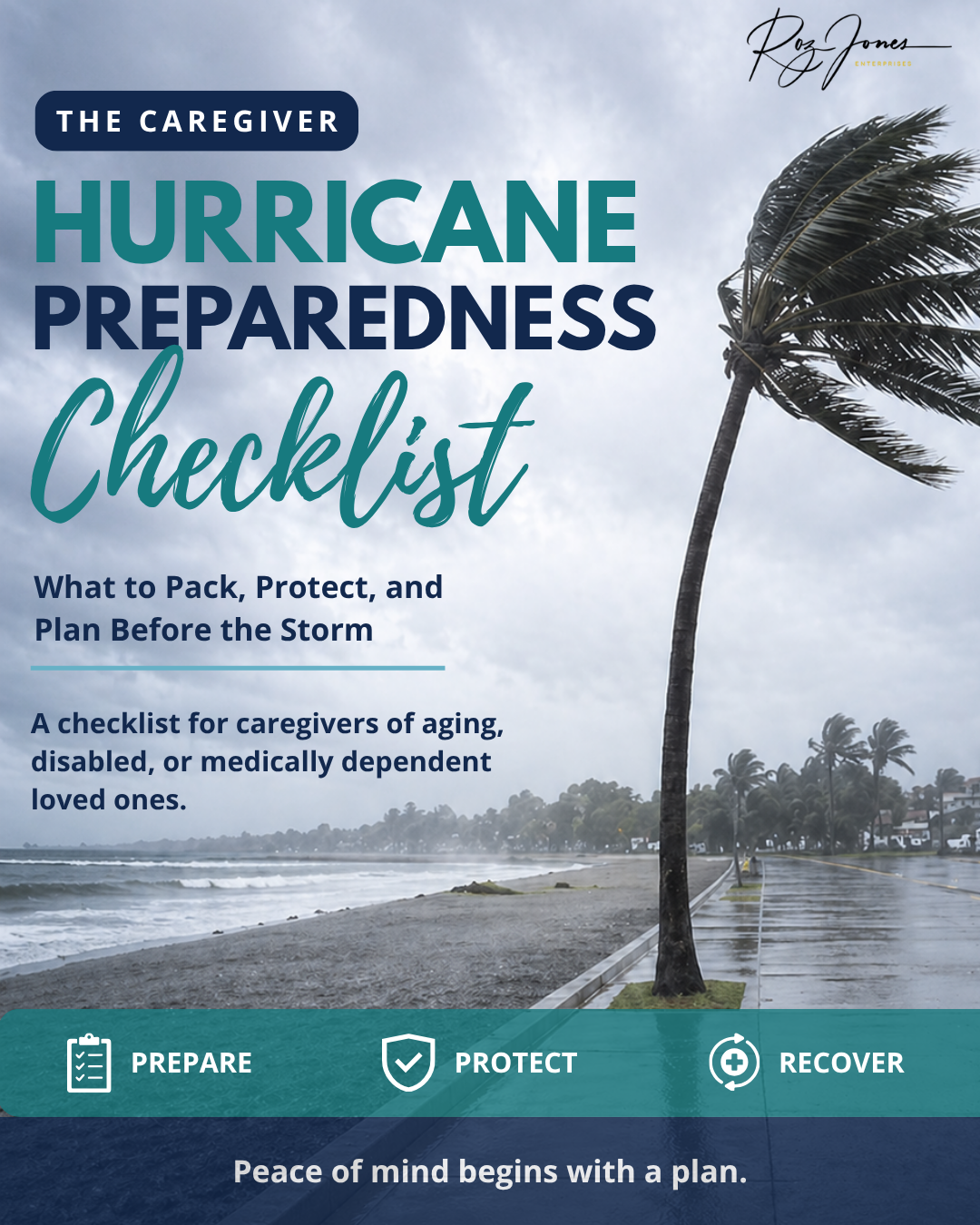
Caregivers should also be prepared for emergencies that may affect the home and the loved one’s care routine. The Caregiver Hurricane Preparedness Checklist helps families organize medications, medical equipment, emergency contacts, important documents, and evacuation plans before a storm arrives.

Need Help Sorting Through the Care Plan?

Roz Jones is a dedicated caretaker turned CEO with over a decade of experience in helping families care for and make decisions for loved ones and their legacies.Roz is a compassionate, innovative healthcare industry leader.

If your family needs help thinking through care decisions, caregiving responsibilities, or next steps, book a session with Roz Jones. You do not have to navigate this season alone.

Together, we can talk through what is working, what is becoming too heavy, and what boundaries need to be strengthened so you can continue to care without losing yourself in the process.

Subscribe to The Caregiver Cafe Weekly Newsletter!

Caregiving can be a roller coaster of ups and downs. The information that you will receive from The Caregiver Cafe Weekly Specials Newsletter will support you as a caregiver. Remember…

1. YOU ARE NOT ALONE: The problems you face as a caregiver are experienced by other caregivers. Knowing that you’re not alone can be comforting. 

2. Tools and Resources:  Find caregiver stress management tools and gain perspective from other caregiver’s experiences.

3. LEARN TO: Ask for help, accept help when it is offered, and acknowledge yourself on this caregiving journey. Hear from experts on how to balance caregiving responsibilities by taking care of your needs and involving others to help manage the natural stress and isolation of being a caregiver. 

The Trip Is Booked Now What? Preparing Your Aging Loved One for Travel

By Roz Jones

Planning a trip with an aging loved one involves more than making reservations and packing a suitcase. Once the transportation and accommodations have been secured, families must begin preparing for the changes that travel can bring.

Even a short trip can interrupt familiar routines. Medication schedules may change. Meals may be served at different times. Your loved one may have to sleep in an unfamiliar room, walk longer distances, use different bathrooms, or spend more time around crowds and noise.

These changes may not seem significant to everyone else, but they can affect an aging loved one’s comfort, energy, mobility, and overall well-being.

The goal is not to remove every possible challenge. The goal is to prepare for the challenges you can anticipate and have a plan for the ones you cannot.

Begin Preparing Before Travel Day

Travel preparation should begin several days before the family leaves home.

Waiting until the morning of the trip to pack medications, locate insurance cards, charge medical equipment, and organize important documents creates unnecessary stress. It also increases the chance that something important will be forgotten.

Use the days leading up to the trip to confirm medication refills, transportation arrangements, hotel accommodations, medical equipment needs, emergency contacts, and the location of nearby healthcare facilities.

Talk with your aging loved one about what the trip will involve. Explain how long the travel day may be, where the family will be staying, who will be present, and what activities have been planned.

This conversation gives your loved one an opportunity to ask questions and share concerns before leaving familiar surroundings.

It also gives the caregiver time to make adjustments.

Your loved one may tell you that the proposed schedule feels too busy. They may be concerned about walking long distances, using an unfamiliar bathroom, managing stairs, or finding a quiet place to rest.

Do not dismiss those concerns. Addressing them before the trip is easier than trying to solve them after everyone has arrived.

Keep Important Information Together

Every caregiver should travel with updated information about the loved one receiving care.

This information should include a current medication list, known allergies, medical conditions, physician contact information, insurance information, emergency contacts, and copies of important identification documents.

Keep this information together in a folder, envelope, travel organizer, or secure digital file that can be accessed quickly.

Do not place the only copy inside checked luggage.

The caregiver should also carry a written summary of the loved one’s daily routine and care needs. This can be especially helpful when several family members will be sharing responsibilities during the trip.

Include information such as medication times, meal preferences, mobility assistance, bathroom needs, bedtime routines, dietary restrictions, and signs that the loved one may be tired, confused, anxious, or in pain.

Family members may be willing to help, but willingness does not automatically mean they understand the care routine.

Clear instructions protect the loved one and reduce confusion among the family.

Prepare for Medication Changes and Delays

Medication management can become difficult when a normal routine is interrupted.

Travel delays, time-zone changes, long outings, late meals, and busy family schedules can all affect when medications are taken.

Before leaving home, make sure there is enough medication for the entire trip, along with extra medication in case the return is delayed. Keep medications in their original labeled containers whenever possible, and place them in a bag that remains with the caregiver.

If medication must be refrigerated, contact the hotel, airline, cruise line, or vacation rental ahead of time to confirm that proper storage will be available.

Caregivers should also consider using phone alarms, written schedules, or a medication-tracking sheet during the trip.

Do not rely on memory alone. Travel days can become hectic, and caregivers are often responsible for luggage, transportation, meals, check-ins, family communication, and their loved one’s personal care at the same time.

A simple reminder can help prevent a missed or duplicated dose.

Plan for Rest Before It Is Needed

Aging loved ones may not have the same stamina they had during previous family vacations.

The body changes.

Mobility changes.

Sleep patterns change.

Recovery time changes.

A schedule that once felt enjoyable may now be physically exhausting.

Build rest periods into the itinerary before your loved one becomes overtired. Avoid scheduling several demanding activities back-to-back, and leave enough time between outings for meals, medication, bathroom breaks, and recovery.

Your loved one may need to spend part of the afternoon resting in the room. They may choose to attend one activity instead of three. They may enjoy breakfast with the family but decide not to participate in the evening plans.

That does not mean the trip has been ruined.

It means the trip is being adjusted to fit the loved one’s present needs.

Families should not pressure an aging loved one to participate in every activity simply because money was spent or reservations were made.

The purpose of the trip is to spend time together. That can happen during a family excursion, but it can also happen while sharing a quiet meal, sitting on a balcony, looking through photographs, or talking in the hotel room.

Pay Attention to Changes in Behavior

Fatigue does not always look like someone falling asleep.

An aging loved one may become unusually quiet, frustrated, restless, confused, unsteady, or withdrawn when they are tired or overwhelmed. They may repeat questions, lose interest in eating, complain more frequently, or have difficulty following conversations.

These changes may be signs that your loved one needs food, water, medication, rest, a bathroom break, or relief from noise and activity.

Caregivers should pay attention to what is different from the loved one’s normal behavior.

Do not assume that every change is simply part of aging or travel. Sudden confusion, difficulty breathing, chest pain, fainting, severe weakness, slurred speech, an unexplained fall, or a significant change in alertness may require immediate medical attention.

Before the trip, identify the closest hospital, urgent care center, pharmacy, and emergency services near the destination.

When an emergency occurs, that is not the time to begin searching for help.

Now is the time to act before you have to react.

Include Your Loved One in the Decisions

Travel plans are often made for aging loved ones without asking what they would actually enjoy.

Families may choose activities based on what the loved one enjoyed years ago rather than what is comfortable or meaningful now.

Ask your loved one what they want to do.

They may prefer a scenic drive over a walking tour. They may want to eat at a familiar restaurant instead of somewhere crowded and new. They may enjoy spending time with family at the vacation rental more than attending a full day of activities.

Including your loved one in the decisions helps preserve dignity and independence.

Needing assistance does not mean a person should lose the right to express preferences. There may be times when health and safety must guide the final decision, but the loved one’s voice should still be part of the conversation.

Listen to what they say.

Pay attention to what they do not say.

Some aging loved ones will agree to plans because they do not want to disappoint the family. They may push themselves beyond their limits to avoid becoming what they believe is a burden.

Give them permission to say they are tired.

Give them permission to change their minds.

Give them permission to enjoy the trip in a way that feels comfortable for them.

Share the Responsibility With Family

Traveling with an aging loved one should not become the sole responsibility of one caregiver while everyone else enjoys the vacation.

Before the trip, decide who will assist with transportation, luggage, meals, medication reminders, bathroom breaks, mobility equipment, and supervision.

Be specific.

Instead of waiting for someone to offer help, assign clear responsibilities based on what each person can manage.

One family member may be responsible for handling the luggage while the caregiver assists the loved one. Another may stay with the loved one during a rest period. Someone else may pick up meals, locate accessible entrances, or communicate with hotel staff.

Caregivers often become exhausted because they continue doing everything while family members assume they will ask for help when they need it.

By the time the caregiver asks, they may already be overwhelmed.

Discussing responsibilities in advance helps the family work as a team and allows the primary caregiver to enjoy part of the trip too.

Prepare for Severe Weather and Emergencies

Families traveling during hurricane season or other periods of severe weather should have an emergency plan.

Flights may be canceled.

Roads may close.

Hotels may lose power.

Families may have to evacuate or remain indoors longer than expected.

Caregivers should know how the loved one’s medications, mobility needs, medical equipment, and personal care will be managed if plans change suddenly.

Keep medications, emergency contacts, medical information, chargers, flashlights, water, nonperishable snacks, and basic care supplies together.

If your loved one uses equipment that requires electricity, ask how it will be powered during an outage. If medications require refrigeration, identify a backup storage option.

Review the evacuation procedures for the hotel, cruise ship, vacation rental, or family home where you will be staying. Make sure the evacuation route is appropriate for someone with limited mobility.

Emergency planning is not about creating fear.

It is about reducing confusion when quick decisions have to be made.

Caregiving is not perfection. It is preparation.

Make the Return Home Part of the Plan

The caregiving responsibility does not end when the vacation is over.

Travel can be physically and emotionally tiring for an aging loved one. Once home, they may need additional time to rest and return to their regular routine.

Avoid scheduling unnecessary appointments, errands, or visitors immediately after the trip when possible.

Reorganize medications, check medical equipment, restock food and supplies, and watch for changes in appetite, sleep, mobility, confusion, swelling, pain, or energy.

The caregiver may also need time to recover.

Managing travel while providing care requires constant attention. The caregiver is often monitoring medications, navigating unfamiliar surroundings, assisting with mobility, communicating with family members, anticipating problems, and making decisions throughout the trip.

Give yourself time to rest when you return home.

The laundry can wait.

The suitcase can remain unpacked for another day.

Your body may need time to come down from the responsibility you carried while everyone was away.

A Successful Trip May Look Different Now

Families sometimes measure the success of a vacation by how many activities were completed.

That may not be the best measurement when traveling with an aging loved one.

A successful trip may mean your loved one feels safe.

It may mean they were included in family decisions.

It may mean the family slowed down instead of leaving them behind.

It may mean they were able to rest when needed without feeling guilty.

It may mean the caregiver received help instead of carrying every responsibility alone.

The trip may not look the way family vacations looked in the past, but different does not mean less meaningful.

Some of the memories your family treasures most may come from the quiet moments that were never placed on the itinerary.

Preparation allows families to focus less on what might go wrong and more on the time they have together.

Read the previous blog, Traveling with Aging Loved Ones: Tips for Smooth Transitions, for additional guidance on planning ahead, packing wisely, arranging special assistance, maintaining open communication, and protecting your loved one’s comfort and safety throughout the journey.

Prepare for Your Next Trip

Before traveling with an aging loved one, download the free Vacationing with an Aging Loved One Checklist.

This checklist will help you organize important information, supplies, medications, documents, accommodations, and care needs before leaving home.

Tune in to The Caregiver Café Podcast

Assisted Living: What Caregivers Need to Know

In this episode of The Caregiver Café with Roz Jones, Roz is talking about what caregivers need to know when it may be time to look for an assisted living facility.

There may come a point in the caregiving journey when your loved one’s care needs become more than one person can safely manage at home. Maybe their condition has changed. Maybe they need help standing, bathing, eating, taking medication, or getting to the bathroom. Maybe it now takes two people to safely transfer them from the bed or chair. When that happens, it may be time to start asking questions and exploring the next level of care.

Roz walks listeners through some of the important questions to ask when touring an assisted living facility, including staff ratios, staff turnover, training, medical support, room options, emergency response systems, accessibility, activities, meals, shared spaces, and whether residents can bring personal furniture or pets.

This episode is a practical reminder that choosing a facility is not only about the building. It is about safety, staffing, comfort, dignity, and making sure your loved one receives the care they need.

Before you take a tour, pour yourself something warm, get your questions ready, and let Roz help you know what to look for, what to ask, and what to pay attention to.

Give Yourself a Moment of Grace

If you need encouragement for the emotional side of caregiving, purchase Roz Jones’ book, Moments of Grace. This book offers support, reflection, and reminders of grace for the caregiver who is carrying a lot.

This journal was created to help caregivers pause, breathe, reflect, and find strength in the middle of the caregiving journey.

Purchase Moments of Grace today and give yourself permission to breathe in the middle of the caregiving journey.

Don’t Wait Until the Storm is Coming

The Caregiver Hurricane Preparedness Checklist.

Severe weather can create additional risks for aging loved ones and family caregivers.

The Caregiver Hurricane Preparedness Checklist will help you organize emergency contacts, medications, medical information, evacuation needs, important documents and essential supplies before a storm arrives.

Need Help Sorting Through the Care Plan?

Roz Jones is a dedicated caretaker turned CEO with over a decade of experience in helping families care for and make decisions for loved ones and their legacies.Roz is a compassionate, innovative healthcare industry leader.

If your family needs help thinking through care decisions, caregiving responsibilities, or next steps, book a session with Roz Jones. You do not have to navigate this season alone.

Together, we can talk through what is working, what is becoming too heavy, and what boundaries need to be strengthened so you can continue to care without losing yourself in the process.

Subscribe to The Caregiver Cafe Weekly Newsletter!

Caregiving can be a roller coaster of ups and downs. The information that you will receive from The Caregiver Cafe Weekly Specials Newsletter will support you as a caregiver. Remember…

1. YOU ARE NOT ALONE: The problems you face as a caregiver are experienced by other caregivers. Knowing that you’re not alone can be comforting. 

2. Tools and Resources:  Find caregiver stress management tools and gain perspective from other caregiver’s experiences.

3. LEARN TO: Ask for help, accept help when it is offered, and acknowledge yourself on this caregiving journey. Hear from experts on how to balance caregiving responsibilities by taking care of your needs and involving others to help manage the natural stress and isolation of being a caregiver. 

Supporting the Mental Health of Minority Caregivers One Conversation at a Time 

By Roz Jones

Conversations about caregiving often begin with medications, doctor’s appointments, meal preparation, and keeping an aging loved one safe.

Conversations about mental health are not always given the same attention.

For many minority families, emotional well-being has traditionally been discussed quietly, if it is discussed at all. Feelings may be minimized, exhaustion may be overlooked, and caregivers may become so accustomed to carrying responsibility that they no longer recognize when the weight has become too heavy.

Changing that pattern does not happen overnight.

It begins with one conversation.

One conversation with a loved one about how they are coping emotionally.

One conversation with a family member about sharing caregiving responsibilities.

One conversation with a trusted healthcare professional, faith leader, therapist, or friend.

One honest conversation where a caregiver feels safe enough to say, “I need support.”

When families create space for these conversations, they begin building something just as important as a care plan. They begin building a culture where mental health is recognized as an essential part of caregiving rather than an afterthought.

Changing the Conversation Starts at Home

Supporting the mental health of minority caregivers does not always begin with finding the right resource or scheduling an appointment. Often, it begins with creating space for honest conversations within the family.

Caregiving discussions frequently revolve around practical responsibilities. Families talk about medications, doctor’s appointments, transportation, finances, and who will be available to help. While these conversations are necessary, they often leave out an equally important question:

How is everyone coping?

Taking time to ask that question can open the door to conversations that might not have happened otherwise. A caregiver may finally admit they are feeling overwhelmed. A sibling may realize they have underestimated how much responsibility one person has been carrying. An aging loved one may share fears or concerns they have kept to themselves because they did not want to burden their family.

These conversations do not need to solve every problem in a single afternoon.

Their purpose is to create understanding.

When families begin talking openly about emotional well-being alongside physical health, they create opportunities to identify concerns early, strengthen communication, and make decisions that support everyone involved in the caregiving journey.

Mental health should not become part of the conversation only after a caregiver reaches burnout or a loved one experiences a crisis. It deserves a place in the discussion from the very beginning, just as naturally as conversations about medications, appointments, or long-term care planning.

Make Mental Health Part of Every Healthcare Conversation

Caregiving conversations should not end when the doctor’s appointment begins.

Many caregivers arrive prepared to discuss medications, recent symptoms, upcoming procedures, and changes in their loved one’s health. These are important conversations, but they should not be the only ones taking place.

Emotional well-being deserves the same level of attention.

If you notice that your aging loved one has become withdrawn, is sleeping more than usual, seems unusually anxious, has lost interest in activities they once enjoyed, or is expressing feelings of hopelessness, those changes are worth discussing with their healthcare provider. Mental and emotional health are closely connected to physical health, and changes in mood or behavior should never be dismissed as simply “getting older.”

Caregivers should also feel comfortable speaking honestly about their own well-being.

If caregiving responsibilities are affecting your sleep, increasing your stress, making it difficult to focus at work, or impacting your physical or emotional health, share those concerns with your healthcare provider as well. While the appointment may focus on your loved one, your health is an important part of the caregiving equation.

Healthcare professionals can often connect families with counseling services, caregiver support groups, social workers, respite care, or other community resources that may not have been considered otherwise. Asking for these resources is not admitting defeat. It is taking a proactive step toward making caregiving more sustainable for both you and your loved one.

Strong caregiving begins with strong communication. The more openly families and healthcare providers talk about mental health, the better equipped they are to support the whole person—not just the diagnosis.

Small Conversations Can Lead to Meaningful Change

Starting a conversation about mental health does not require having all the right words. It simply requires creating opportunities for honest dialogue.

For an aging loved one, that conversation might begin with asking how they have been feeling emotionally instead of only asking how they are feeling physically. You may discover they are grieving the loss of independence, struggling with loneliness, or feeling anxious about changes in their health. These conversations can provide valuable insight into needs that may otherwise go unnoticed.

Caregivers also benefit from checking in with themselves. Taking a few moments to reflect on how you are coping emotionally can help you recognize when additional support may be needed. You might ask yourself:

Have I been feeling more overwhelmed than usual?

Am I sleeping well?

Have I lost interest in activities I once enjoyed?

Do I feel like I have someone I can talk to honestly?

These questions are not meant to judge or criticize. They are meant to increase awareness. Mental health concerns often develop gradually, making them easy to overlook when every day is focused on meeting someone else’s needs.

Families can also make emotional well-being part of their regular caregiving routine. Just as medications are reviewed and appointments are scheduled, consider setting aside time to talk about how everyone is doing. These conversations do not need to be formal. They can happen during dinner, on the drive home from a doctor’s appointment, or while sitting together at the end of a long day.

One conversation may not change everything.

But it can create an opening.

An opening for honesty.

An opening for support.

And an opening for caregivers and aging loved ones to recognize that emotional health deserves the same care and attention as physical health.

Finding Support That Respects Your Experience

Every caregiver deserves support that makes them feel seen, heard, and understood. For many minority caregivers, finding that support may involve looking for resources that recognize not only the challenges of caregiving but also the cultural experiences that shape how care is given and received.

For some families, support may come through a trusted faith community. Others may find comfort in a caregiver support group where they can connect with people facing similar challenges. Some caregivers may benefit from speaking with a therapist who understands the cultural values, family dynamics, or life experiences that influence the caregiving journey. Others may simply need a healthcare provider who takes the time to listen without making assumptions.

The most important thing is to find support that feels right for you.

There is no single path to protecting your mental health. What brings comfort and encouragement to one caregiver may not meet the needs of another. The goal is not to compare your journey to someone else’s. It is to build a network of people and resources that allows you to continue caring for your loved one without losing sight of your own well-being.

Today’s caregivers also have access to more resources than ever before. Virtual support groups, telehealth counseling, community organizations, faith-based programs, employee assistance programs, and caregiver education are helping families receive support in ways that may feel more accessible and flexible than in the past. Exploring these options can be an important step toward creating a caregiving plan that supports both your loved one and yourself.

Asking for support does not mean you are unable to care for your loved one.

It means you understand that caring for someone else becomes more sustainable when caregivers receive the encouragement, resources, and compassion they need as well.

Building a Healthier Caregiving Legacy

Every conversation about mental health has the potential to change more than one caregiving journey.

When families begin talking openly about emotional well-being, they create an environment where caregivers feel supported, aging loved ones feel heard, and future generations learn that asking for help is a sign of wisdom rather than weakness.

Children and grandchildren are often paying attention to how caregiving is modeled within the family. They notice how responsibilities are shared, how difficult conversations are handled, and whether emotional well-being is treated as an important part of overall health. When they see caregivers checking in with one another, seeking support when needed, and speaking honestly about the challenges of caregiving, they learn that caring for others should not require sacrificing themselves in the process.

These conversations also strengthen relationships within the family. They create opportunities to clarify expectations, share responsibilities, and make decisions together rather than placing the weight of caregiving on one person’s shoulders. Open communication allows families to respond to challenges with greater understanding and compassion while keeping the needs of the aging loved one at the center of every decision.

Supporting the mental health of minority caregivers is not about changing the values that have guided families for generations. It is about expanding those values to include the well-being of the caregiver alongside the well-being of the person receiving care.

One conversation may not solve every challenge a family faces.

But it can become the beginning of a healthier way of caring for one another.

And sometimes, that single conversation becomes the legacy that changes how caregiving is experienced for generations to come.

Keep the Conversation Going

Supporting the mental health of minority caregivers is not something that happens through one resource, one appointment, or one conversation alone. It happens when families commit to making emotional well-being part of the caregiving journey from the very beginning.

Checking in with an aging loved one should include asking how they are coping emotionally as well as physically.

Checking in with the caregiver should become just as important.

Asking for help should be viewed as a proactive step toward providing better care, not as a sign that someone has failed.

When caregivers feel supported, they are better equipped to provide compassionate, patient, and consistent care for the people who depend on them. When families create space for honest conversations, they strengthen relationships, reduce isolation, and remind one another that no one should have to carry the responsibilities of caregiving alone.

If you missed our previous blog, Addressing Mental Health Disparities Among Minority Caregivers, be sure to read it for a deeper look at the systemic, cultural, and emotional factors that can make it harder for minority caregivers to access the support they need. Together, these two articles help families understand the challenges, begin more honest conversations, and create a caregiving experience that protects the mental health of both the aging loved one and the caregiver.

Download the Vacationing With an Aging Loved One Checklist for FREE!

Before your next trip, download the free Vacationing with an Aging Loved One Checklist. This resource can help you think through what needs to be packed, planned discussed, and prepared before travel begins!

Tune in to The Caregiver Café Podcast

Handling Criticism as a Family Caregiver

In this episode of The Caregiver Café with Roz Jones, Roz is talking about a topic that can touch every caregiver at some point: criticism.

Being criticized while you are caring for a loved one does not feel good. It can make you feel judged, unappreciated, or like nothing you are doing is enough. But Roz reminds listeners that the way we respond to criticism can either create more chaos or open the door to better communication, support, and growth.

Roz shares how caregivers can begin to embrace criticism by using it as an opportunity for personal growth, improved relationships, and greater confidence. Instead of immediately becoming defensive, caregivers can ask questions, invite others to show a better way, and create space for honest conversations.

This episode is a reminder that everyone may have an opinion, but not everyone understands what caregiving looks like day to day. Still, when handled with wisdom, criticism can become a chance to improve care, strengthen family communication, and reduce tension along the caregiving journey.

So pour yourself something warm and join Roz at The Caregiver Café as she talks about how caregivers can respond to criticism with grace, boundaries, and a little bit of strategy.

Give Yourself a Moment of Grace

If you need encouragement for the emotional side of caregiving, purchase Roz Jones’ book, Moments of Grace. This book offers support, reflection, and reminders of grace for the caregiver who is carrying a lot.

This journal was created to help caregivers pause, breathe, reflect, and find strength in the middle of the caregiving journey.

Purchase Moments of Grace today and give yourself permission to breathe in the middle of the caregiving journey.

Prepare Before the Emergency Comes

The Caregiver Hurricane Preparedness Checklist.

If you are caring for a loved one during storm season, purchase the Caregiver Hurricane Preparedness Checklist. It can help you prepare important documents, emergency contacts, supplies, medication needs, and safety steps before severe weather becomes a crisis.

For only $1.99, this checklist gives you a simple starting point so you are not trying to gather everything during a storm, power outage, hospitalization, or sudden change in your loved one’s care.

Purchase the Caregiver Hurricane Preparedness Checklist for $1.99 today and take one more step toward peace of mind.

Need Help Sorting Through the Care Plan?

Roz Jones is a dedicated caretaker turned CEO with over a decade of experience in helping families care for and make decisions for loved ones and their legacies.Roz is a compassionate, innovative healthcare industry leader.

If your family needs help thinking through care decisions, caregiving responsibilities, or next steps, book a session with Roz Jones. You do not have to navigate this season alone.

Together, we can talk through what is working, what is becoming too heavy, and what boundaries need to be strengthened so you can continue to care without losing yourself in the process.

Subscribe to The Caregiver Cafe Weekly Newsletter!

Caregiving can be a roller coaster of ups and downs. The information that you will receive from The Caregiver Cafe Weekly Specials Newsletter will support you as a caregiver. Remember…

1. YOU ARE NOT ALONE: The problems you face as a caregiver are experienced by other caregivers. Knowing that you’re not alone can be comforting. 

2. Tools and Resources:  Find caregiver stress management tools and gain perspective from other caregiver’s experiences.

3. LEARN TO: Ask for help, accept help when it is offered, and acknowledge yourself on this caregiving journey. Hear from experts on how to balance caregiving responsibilities by taking care of your needs and involving others to help manage the natural stress and isolation of being a caregiver. 

Caring Through Culture, Stress, and Silence: What Minority Caregivers Need to Remember

By Roz Jones

Caregiving is already a lot.

But when you are caring for an aging loved one in a minority family, there can be another layer that people do not always talk about.

There may be cultural expectations.
There may be family pressure.
There may be silence around mental health.
There may be guilt around asking for help.
There may be a long history of doing what had to be done without naming how heavy it really was.

During National Minority Mental Health Awareness Month, it is important to talk about caregiving in a way that sees the whole picture.

Because minority caregivers are not just managing appointments, meals, medications, transportation, bathing, paperwork, and family updates.

Many are also carrying the emotional weight of being the one everyone depends on.

And caregiver, that weight can affect your mental health too.

When Caregiving Becomes the Family Expectation

In many families, caregiving is not treated like a role someone steps into.

It is treated like something you are just supposed to do.

You may hear things like:

“That is your mother.”
“That is your father.”
“That is what family does.”
“We do not put our business out there.”
“We take care of our own.”

And yes, family care is beautiful.

There is love in showing up. There is honor in caring for the people who cared for you. There is strength in making sure aging loved ones are not forgotten, dismissed, or left without support.

But love does not mean the caregiver should disappear.

Family responsibility should not come at the cost of your health, your peace, your body, your sleep, or your emotional well-being.

Caregivers can honor their aging loved ones and still need support.

Both can be true.

The Silence Around Mental Health Can Be Heavy

In some minority communities, mental health has not always been easy to talk about.

Some families were taught to pray through it, push through it, work through it, or keep it private. Some were taught that sadness, anxiety, depression, exhaustion, and grief were not things to discuss outside the home.

Some aging loved ones may not even have the language to say what they are feeling.

They may say they are tired.
They may say they do not feel like themselves.
They may become more withdrawn.
They may become more irritable.
They may refuse help.
They may say, “I’m fine,” even when everyone can see they are not.

Caregivers may do the same thing.

You keep going because you feel like you have to. You say you are okay because there is too much to do. You ignore the stress because your loved one’s needs feel more urgent than your own.

But silence does not make the stress disappear.

It just makes the caregiver carry it alone.

Aging Loved Ones Need Emotional Support Too

When caring for an aging loved one, it can be easy to focus only on physical needs.

Are they eating?
Are they taking medication?
Are they safe at home?
Are they getting to appointments?
Are the bills paid?
Is the house clean?

Those things matter.

But aging also affects a person emotionally.

Your loved one may be grieving independence. They may be missing the way their body used to move. They may be afraid of becoming a burden. They may be lonely. They may be frustrated because decisions are being made for them. They may be carrying memories, losses, disappointments, or trauma that were never fully talked about.

For minority aging loved ones, there may also be the impact of life experiences shaped by racism, discrimination, economic hardship, medical mistrust, or being unheard in systems that were supposed to help.

Caregivers need to understand that mental health is not separate from caregiving.

It is part of caregiving.

Sometimes support looks like listening without rushing to fix. Sometimes it looks like helping your loved one talk to a doctor. Sometimes it looks like finding a counselor, support group, faith leader, or community resource that understands their background and experience.

And sometimes support looks like noticing when something has changed and not brushing it off as “just getting older.”

Caregivers Need Safe Places to Tell the Truth

Caregivers are often asked how their loved one is doing.

But not enough people ask how the caregiver is doing.

And even when they do ask, caregivers may not tell the full truth.

Because the truth may sound like:

“I am tired.”
“I am overwhelmed.”
“I am scared.”
“I feel guilty.”
“I am angry.”
“I need help.”
“I do not know how much longer I can keep doing this alone.”

Those words can be hard to say, especially if you were raised to be strong, private, dependable, or self-sacrificing.

But caregiver, being honest about what you need does not make you weak.

It makes you human.

You need people in your life who can hear the truth without judging you. You need people who will not shame you for needing rest. You need people who understand that caregiving can be an act of love and still be exhausting.

That may be a support group. That may be a trusted friend. That may be a therapist. That may be a caregiver community. That may be another family member who finally needs to understand what you have been carrying.

But you need somewhere to put the weight down.

Even if only for a moment.

Cultural Care Should Not Mean Carrying Everything Alone

Culture can be a source of strength in caregiving.

Family meals, music, faith, traditions, stories, prayer, community, and shared history can bring comfort to aging loved ones. These things can remind them who they are and where they come from.

But culture should not be used to keep caregivers silent.

It should not be used to make one person responsible for everything. It should not be used to shame caregivers who need outside help. It should not be used to stop families from talking about depression, anxiety, grief, dementia, caregiver burnout, or emotional stress.

There is nothing wrong with honoring tradition.

But we also have to be willing to ask:

Is this tradition helping the caregiver survive?
Is this expectation fair?
Is this silence protecting the family, or is it hurting the person doing the caregiving?
Is there a way to honor our loved one without sacrificing one person’s entire well-being?

Caregiving does not have to look the same in every generation.

We can keep the love and change the way the weight is carried.

Small Check-Ins Can Make a Difference

You do not have to wait until everything falls apart to take mental health seriously.

Start with small check-ins.

Ask your loved one how they are feeling emotionally, not just physically. Pay attention to changes in mood, sleep, appetite, energy, memory, and interest in things they used to enjoy.

Ask yourself those same questions too.

Am I sleeping?
Am I eating?
Am I more irritated than usual?
Am I crying more?
Am I withdrawing from people?
Am I feeling hopeless?
Am I constantly on edge?
Am I carrying resentment because I have not asked for help?

These questions are not meant to make you feel bad.

They are meant to help you notice what needs care.

Because caregivers need care too.

And the earlier you notice the signs, the easier it may be to get support before burnout takes over.

Support Can Look Different for Every Family

Every family will not need the same kind of support.

Some caregivers may need respite care. Some may need family members to take specific tasks off their plate. Some may need help navigating insurance, appointments, or transportation. Some may need therapy. Some may need a support group where they do not have to explain the cultural layers of caregiving.

Some may need to have a hard conversation with family and say:

“I cannot keep doing this by myself.”

That sentence may be uncomfortable, but it can also be necessary.

Caregiving should not depend on one person quietly breaking down while everyone else assumes they are handling it.

If your family wants your aging loved one to receive good care, then the caregiver also needs support.

That is not selfish.

That is realistic.

Keep the Conversation Going

If you missed the first blog, you can read Nurturing Mental Health in Minority Caregiving: A Guide to Supporting Aging Loved Ones here. It is a helpful starting point for understanding how culture, mental health, and caregiving connect.

This blog builds on that reminder with one more truth:

Caregivers in minority families need room to be honest.

Honest about the love.
Honest about the stress.
Honest about the cultural expectations.
Honest about the silence.
Honest about needing help.

Because caregiving is not only about keeping your loved one safe.

It is also about making sure the caregiver does not get lost in the process.

National Minority Mental Health Awareness Month reminds us that mental health conversations belong in every community, every family, and every caregiving journey.

Caregiver, you do not have to carry everything quietly.

You can ask for help.

You can name what is heavy.

You can honor your loved one and still protect your own well-being.

You can build a care plan that includes your aging loved one and you.

Because care is not complete if the caregiver is left unsupported.

Download the Vacationing With an Aging Loved One Checklist for FREE!

Before your next trip, download the free Vacationing with an Aging Loved One Checklist. This resource can help you think through what needs to be packed, planned discussed, and prepared before travel begins!

Tune in to The Caregiver Café Podcast

In this episode of The Caregiver Café with Roz Jones, Roz is talking about something that many families face but do not always know how to handle: caregiving as a family affair.

When an aging parent, loved one, or family member needs care, one person often becomes the main caregiver while everyone else steps back, scatters, or assumes that person has it all under control. But caregiving should not fall on one person without a plan, support, or honest family conversations.

Roz breaks down how families can reduce the chaos in caregiving by understanding where tension comes from, setting realistic expectations, creating a care plan, assigning roles, and being honest about what each person can and cannot do. She also reminds listeners that every family member may not be able or willing to provide hands-on care, and that is why outside resources, respite care, and hired support may need to become part of the plan.

This episode is a practical reminder that caregiving requires communication, boundaries, preparation, and teamwork. Whether you live close by or long distance, there is usually some way to support the person providing daily care.

Caregiving may be a family affair, but it works best when the family has a plan.

Give Yourself a Moment of Grace

If you need encouragement for the emotional side of caregiving, purchase Roz Jones’ book, Moments of Grace. This book offers support, reflection, and reminders of grace for the caregiver who is carrying a lot.

This journal was created to help caregivers pause, breathe, reflect, and find strength in the middle of the caregiving journey.

Purchase Moments of Grace today and give yourself permission to breathe in the middle of the caregiving journey.

Prepare Before the Emergency Comes

The Caregiver Hurricane Preparedness Checklist.

If you are caring for a loved one during storm season, purchase the Caregiver Hurricane Preparedness Checklist. It can help you prepare important documents, emergency contacts, supplies, medication needs, and safety steps before severe weather becomes a crisis.

For only $1.99, this checklist gives you a simple starting point so you are not trying to gather everything during a storm, power outage, hospitalization, or sudden change in your loved one’s care.

Purchase the Caregiver Hurricane Preparedness Checklist for $1.99 today and take one more step toward peace of mind.

Need Help Sorting Through the Care Plan?

Roz Jones is a dedicated caretaker turned CEO with over a decade of experience in helping families care for and make decisions for loved ones and their legacies.Roz is a compassionate, innovative healthcare industry leader.

If your family needs help thinking through care decisions, caregiving responsibilities, or next steps, book a session with Roz Jones. You do not have to navigate this season alone.

Together, we can talk through what is working, what is becoming too heavy, and what boundaries need to be strengthened so you can continue to care without losing yourself in the process.

Subscribe to The Caregiver Cafe Weekly Newsletter!

Caregiving can be a roller coaster of ups and downs. The information that you will receive from The Caregiver Cafe Weekly Specials Newsletter will support you as a caregiver. Remember…

1. YOU ARE NOT ALONE: The problems you face as a caregiver are experienced by other caregivers. Knowing that you’re not alone can be comforting. 

2. Tools and Resources:  Find caregiver stress management tools and gain perspective from other caregiver’s experiences.

3. LEARN TO: Ask for help, accept help when it is offered, and acknowledge yourself on this caregiving journey. Hear from experts on how to balance caregiving responsibilities by taking care of your needs and involving others to help manage the natural stress and isolation of being a caregiver. 

Creating Connection for Loved Ones Living with Alzheimer’s

By Roz Jones

When a loved one is living with Alzheimer’s, the home becomes more than a place to sleep, eat, and move through the day.

The home becomes part of the care.

The way a room is arranged, the amount of clutter in a hallway, the lighting in the evening, the sounds in the background, and the familiar items within reach can all affect how safe, calm, and connected a loved one feels.

For caregivers, this matters because Alzheimer’s changes more than memory. It can change how a loved one understands their surroundings, responds to noise, recognizes familiar spaces, and moves through daily routines. A room that once felt simple may begin to feel confusing. A busy environment may become overwhelming. A lack of activity may lead to boredom, restlessness, or withdrawal.

That is why caregivers must think beyond safety alone.

Safety is important. But connection is important too.

A loved one living with Alzheimer’s needs an environment that reduces confusion while still offering comfort, stimulation, dignity, and belonging. The goal is not to create a perfect home. The goal is to create a supportive space where the loved one can move through the day with less anxiety and more moments of peace.

The Environment Shapes the Care Experience

Caregiving for someone with Alzheimer’s requires attention to details that others may overlook.

A pile of mail on the counter may feel harmless, but it can add to confusion. A dark hallway may increase fear or the risk of falling. Too many choices in a closet may make getting dressed harder. A loud television may cause agitation. A room without familiar objects may feel unfamiliar, even if the loved one has lived there for years.

The environment can either support the caregiver’s efforts or make the day more difficult.

When the home is arranged with care, daily routines can become smoother. The loved one may feel more settled. The caregiver may spend less time redirecting, searching, explaining, or responding to preventable distress.

Creating the right environment is not about removing personality from the home. It is about making the space easier to understand and safer to navigate while preserving the warmth and memories that still matter.

Simplicity Can Bring Calm

A simplified space can help reduce confusion.

For someone living with Alzheimer’s, clutter can become overwhelming. Too many items, too many sounds, or too many visual distractions may make it harder to focus. This can increase frustration, anxiety, or agitation.

Caregivers can begin by looking at the rooms where their loved one spends the most time. Clear walkways. Remove items that are no longer needed. Keep frequently used objects in consistent places. Limit unnecessary decorations or piles that may create confusion.

Simple does not have to mean empty.

A calm space can still feel warm. A favorite blanket, a familiar chair, family photos, meaningful keepsakes, and soft lighting can help the room feel comforting. The purpose is to create an environment that is easier for the loved one to recognize and easier for the caregiver to manage.

Safety Must Be Built Into the Routine

Safety is one of the most important parts of Alzheimer’s care.

As the disease progresses, a loved one may become more vulnerable to falls, wandering, medication mistakes, burns, or confusion around household items. Caregivers may need to look at the home with fresh eyes and ask what could become unsafe as needs change.

Handrails, grab bars, non-slip mats, proper lighting, labeled rooms, secured medications, and clear pathways can all make a difference. Hazardous products should be placed out of reach. Doors, locks, appliances, and emergency exits may need to be reviewed. Rugs that slide or cords that cross walkways should be removed or secured.

Safety planning should also include emergencies.

Caregivers need to know what would happen during a storm, power outage, medical change, or evacuation. Alzheimer’s care requires extra preparation because sudden changes in routine can increase fear and confusion for the loved one.

The safer the environment, the more confidence the caregiver can have in the daily care routine.

Familiarity Helps Loved Ones Feel Grounded

Familiar objects can offer comfort when memory is changing.

A loved one may not always remember the date, the schedule, or the reason something is happening, but familiar items can still create a sense of connection. Family photographs, favorite music, meaningful books, quilts, spiritual items, or objects connected to their life story can help bring warmth and recognition into the space.

Caregivers can use familiar items intentionally.

A photo wall may help spark memories. A favorite chair can create a sense of routine. A familiar scent, such as a lotion, soap, or candle used safely, may bring calm. Music from an earlier season of life may help reduce anxiety or encourage connection.

Familiarity reminds the loved one that they are still surrounded by pieces of their life.

It also reminds the caregiver that the person they love is still present, even when communication changes.

Stimulation Should Be Gentle and Meaningful

A loved one with Alzheimer’s still needs engagement.

Isolation can happen quietly when families become unsure of what activities are still possible. A caregiver may stop offering activities because the loved one can no longer participate in the same way. But meaningful stimulation does not have to be complicated.

It can be simple and gentle.

Listening to music. Folding towels. Looking through photos. Sitting outside. Watering plants. Sorting safe household items. Holding a soft blanket. Watching birds from a window. Singing familiar songs. Doing simple art. Enjoying a hand massage. Reading scripture, poetry, or short reflections aloud.

The goal is not performance.

The goal is connection.

Activities should match the loved one’s ability and energy level. Some days may allow more engagement. Other days may require quiet presence. Caregivers can pay attention to what brings comfort, what causes frustration, and what helps the loved one feel included.

A stimulating environment does not need to be busy. In Alzheimer’s care, too much stimulation can overwhelm. The best stimulation is meaningful, familiar, and calm.

Routine Reduces Anxiety

Routine helps create predictability.

For a loved one living with Alzheimer’s, not knowing what comes next can create fear or confusion. A steady routine can help the day feel more manageable. Regular times for meals, bathing, rest, activities, medication, and bedtime can provide structure.

Visual reminders may help as well.

A simple calendar, a whiteboard with the day’s schedule, labels on drawers, or signs for rooms can support orientation. Caregivers should keep reminders clear and easy to read. Too much information can become confusing, so the goal is to provide just enough guidance.

A routine also supports the caregiver.

When the day has structure, the caregiver can plan better, ask for help more clearly, and notice changes more quickly. If a loved one suddenly struggles with a familiar routine, that may be a sign that the care plan needs to be adjusted.

Social Connection Still Matters

Alzheimer’s can change how a loved one communicates, but it does not remove the need for connection.

Loved ones may still benefit from visits, familiar voices, gentle conversation, music, prayer, touch, and shared presence. Social connection can help reduce loneliness and support emotional well-being.

Families may need guidance on how to visit well.

Visits should be calm and not too crowded. Conversations may need to be simple. Family members should avoid correcting every memory mistake or asking too many testing questions. Instead of saying, “Do you remember me?” they can introduce themselves warmly and focus on the present moment.

Connection does not always require a long conversation.

Sometimes connection is sitting together.
Sometimes it is holding a hand.
Sometimes it is listening to a song.
Sometimes it is sharing a meal.
Sometimes it is being present without forcing the loved one to perform memory.

Caregivers can help family members understand that the goal is not to make the loved one remember everything. The goal is to help them feel safe, respected, and loved.

The Caregiver Needs Support in the Environment Too

When creating a supportive space for a loved one with Alzheimer’s, caregivers must also consider their own needs.

A home that is safer and more organized can reduce caregiver stress. Clear routines, labeled items, emergency plans, and simplified spaces can make the caregiving day less chaotic. But the caregiver also needs emotional support, rest, and practical help.

A caregiver who is constantly managing confusion, safety concerns, and behavior changes can become exhausted. That exhaustion should not be ignored.

Family members can help by assisting with home organization, preparing meals, sitting with the loved one, handling errands, or giving the caregiver time to rest. Care teams, support groups, respite care, and community programs can also help caregivers feel less alone.

The environment should not only protect the loved one. It should also make caregiving more sustainable.

Creating a Home That Supports the Journey

Alzheimer’s care requires patience, flexibility, and preparation.

The home may need to change as the loved one’s needs change. What worked six months ago may not work now. A room that once felt safe may need new adjustments. An activity that once brought joy may need to be simplified. A routine that once worked smoothly may need to be updated.

Caregivers should not see these changes as failure.

They are part of the caregiving journey.

A supportive environment helps loved ones feel safer, calmer, and more connected. It also helps caregivers respond with more confidence. The goal is to create a home where safety and dignity work together, where stimulation does not become overwhelm, and where connection remains possible even as memory changes.

In a previous blog, Creating an Environment of Stimulation Not Isolation for Aging Loved Ones with Alzheimer’s, we talked about how Alzheimer’s changes more than memory and why families need to understand what may come next. This blog continues that conversation by focusing on the home environment and the daily choices caregivers can make to reduce confusion, encourage connection, and support quality of life.

Tune in to The Caregiver Café Podcast

In the first episode of The Caregiver Café with Roz Jones, Roz welcomes listeners into a space created to serve those caring for sick, aging, or vulnerable loved ones.

Roz shares the personal story that started her caregiving journey and how one unexpected hospital visit showed her just how quickly life can change. Through her experience, she reminds families of the importance of having documentation in order, including advance directives, healthcare surrogates, and backup support before a crisis happens.

This episode is a warm introduction to Roz, her heart for caregivers, and the purpose of The Caregiver Café: to provide resources, encouragement, and practical support that helps reduce stress, overwhelm, and safety concerns along the caregiving journey.

Pull up a chair. Roz has a seat waiting for you.

Give Yourself a Moment of Grace

If you need encouragement for the emotional side of caregiving, purchase Roz Jones’ book, Moments of Grace. This book offers support, reflection, and reminders of grace for the caregiver who is carrying a lot.

This journal was created to help caregivers pause, breathe, reflect, and find strength in the middle of the caregiving journey.

Purchase Moments of Grace today and give yourself permission to breathe in the middle of the caregiving journey.

Prepare Before the Emergency Comes

The Caregiver Hurricane Preparedness Checklist.

If you are caring for a loved one and want to be better prepared for storms, power outages, and unexpected caregiving emergencies, purchase the Caregiver Hurricane Preparedness Checklist. This resource can help you think through important details before a crisis is already at the door.

For only $1.99, this checklist gives you a simple starting point so you are not trying to gather everything during a storm, power outage, hospitalization, or sudden change in your loved one’s care.

Purchase the Caregiver Hurricane Preparedness Checklist for $1.99 today and take one more step toward peace of mind.

Need Help Sorting Through the Care Plan?

Roz Jones is a dedicated caretaker turned CEO with over a decade of experience in helping families care for and make decisions for loved ones and their legacies.Roz is a compassionate, innovative healthcare industry leader.

If your family needs help thinking through care decisions, caregiving responsibilities, or next steps, book a session with Roz Jones. You do not have to navigate this season alone.

Together, we can talk through what is working, what is becoming too heavy, and what boundaries need to be strengthened so you can continue to care without losing yourself in the process.

Subscribe to The Caregiver Cafe Weekly Newsletter!

Caregiving can be a roller coaster of ups and downs. The information that you will receive from The Caregiver Cafe Weekly Specials Newsletter will support you as a caregiver. Remember…

1. YOU ARE NOT ALONE: The problems you face as a caregiver are experienced by other caregivers. Knowing that you’re not alone can be comforting. 

2. Tools and Resources:  Find caregiver stress management tools and gain perspective from other caregiver’s experiences.

3. LEARN TO: Ask for help, accept help when it is offered, and acknowledge yourself on this caregiving journey. Hear from experts on how to balance caregiving responsibilities by taking care of your needs and involving others to help manage the natural stress and isolation of being a caregiver.