Caregiving can slowly change the way a family sees an aging loved one. The person who once made decisions, gave advice, managed the household, raised children, or cared for everyone else may suddenly be seen mostly through the lens of what they now need help with.
That shift can happen without anyone meaning for it to. Appointments, medications, meals, transportation, and safety become the focus because they have to. But your loved one is still carrying a lifetime of knowledge, opinions, experiences, and abilities that deserve space too. The question is: are we still giving them opportunities to contribute, make decisions, and feel needed?
Before caregiving becomes only about what your loved one can no longer do, let’s look at how to keep them involved, valued, and connected to the family in meaningful ways.
Ask for Their Advice
Sometimes the simplest way to remind someone that their experience still matters is to ask what they think.
Ask your loved one how they handled a difficult season in their own life. Ask about a family tradition you want to continue. Ask how they prepared a certain meal, managed money when times were tight, raised children, handled conflict, built a career, or made an important decision.
You may not follow every piece of advice you receive, and that’s okay. The purpose isn’t to pretend your loved one has every answer.
It’s recognizing that years of living have given them experiences worth hearing.
Instead of only asking, What do you need? make room to ask, What do you think?
Give Them Something to Teach
Your aging loved one may know things that no one else in the family knows.
Maybe it’s a recipe that has never been written down. Maybe they know where the family came from, why certain traditions matter, how to sew, garden, repair something, prepare a favorite dish, play an instrument, or speak a language younger generations never learned.
Ask them to teach it.
This can be especially meaningful with grandchildren and younger family members. Rather than every visit being centered around checking on Grandma or Grandpa, give younger relatives something they can learn from them.
The National Institute on Aging encourages older adults to stay engaged in meaningful activities and maintain social connections because both can support well-being, independence, and a sense of purpose as people age.
Include Them in Decisions That Affect Them
There can be a fine line between helping an aging loved one and gradually making every decision for them.
Sometimes decisions do have to change because of health, safety, memory, mobility, or other concerns. But needing help in one area doesn’t automatically mean your loved one should lose their voice in every area.
Ask about preferences whenever they can participate.
What would they like to eat this week?
Which appointment time works better for them?
Who are they comfortable having in the home?
What activities would they actually enjoy?
What family traditions do they want to continue?
Even small decisions can help preserve a sense of independence when larger parts of life may already feel outside of their control.
Find Ways They Can Still Contribute
Contribution doesn’t have to mean taking on a major responsibility.
Your loved one may be able to help fold towels, choose the menu for Sunday dinner, water plants, read with a grandchild, help sort photographs, make phone calls to relatives, share family recipes, or help plan a celebration.
The activity itself isn’t necessarily the most important part.
What matters is that your loved one has an opportunity to participate rather than always being positioned as the person everyone else is doing things for.
Feeling valued and connected within family relationships can play an important role in emotional well-being, especially as routines and abilities change with age.
Pay Attention to What Still Brings Them Pride
Caregivers spend a lot of time noticing changes.
What can they no longer do safely?
What requires more assistance?
What symptoms have changed?
What needs to be monitored?
Those observations are important. But don’t let caregiving become so focused on decline that you stop noticing what still lights your loved one up.
Maybe your father still enjoys talking about the work he did for thirty years.
Maybe your mother takes pride in seeing everyone enjoy a recipe she taught the family.
Maybe your grandmother enjoys hearing that one of the grandchildren used advice she gave them.
Pay attention to those moments.
They tell you something about where your loved one still finds identity, pride, and purpose.
Preserve More Than Information
Documenting family history is valuable. Recording names, dates, recipes, photographs, and stories gives future generations something tangible to hold onto.
But here’s the shift I want to encourage: don’t wait until your loved one is gone to recognize the value of what they know.
Let them see that value now.
Ask the questions.
Listen to the stories.
Invite them into the decisions.
Let them teach.
Let them contribute in the ways they still can.
An aging loved one may need more assistance than they once did, but needing care does not erase the experiences, knowledge, opinions, and abilities they still bring to the family.
Preserving someone’s legacy isn’t only about what we save for later. It’s also about how we value them while they’re still here. For the beginning of this conversation, read the previous blog, Cherishing the Wisdom of Age.
Prepare for Your Next Trip
Planning to travel with an aging loved one? Download the free Vacationing with an Aging Loved One Checklist to help you prepare for medications, mobility needs, comfort, safety, and unexpected changes.
Dad’s Dementia: Grieving the Living with Phil Hill
In this episode of The Caregiver Café with Roz Jones, Roz is joined by security expert and former family caregiver Phil Hill for an honest conversation about caring for a parent through cognitive decline, dementia, and the final years of life.
Phil shares how he first began noticing changes in his father, including confusion, difficulty navigating familiar places, changes in his appearance, and trouble managing responsibilities that had once been routine. Those early signs led to doctor visits, cognitive testing, difficult decisions about driving, and eventually moving his father into his home.
As the primary caregiver, Phil had to learn how to coordinate support among family members while also caring for his wife, his children, his business, and himself. He explains how even small contributions from relatives, such as taking his father to the barber shop, spending an afternoon with him, or providing companionship, gave him valuable moments of rest.
Roz and Phil also discuss the emotional side of caregiving. Watching a parent decline can bring grief long before the person passes away. Caregivers may lose sleep, experience exhaustion, make difficult safety decisions, and manage behaviors their loved one may not fully understand or remember.
Caregiving includes demanding days, unexpected changes, and moments of connection that may be easy to overlook. Moments of Grace offers encouragement to caregivers who need a reminder to pause and recognize the meaningful moments along the journey.
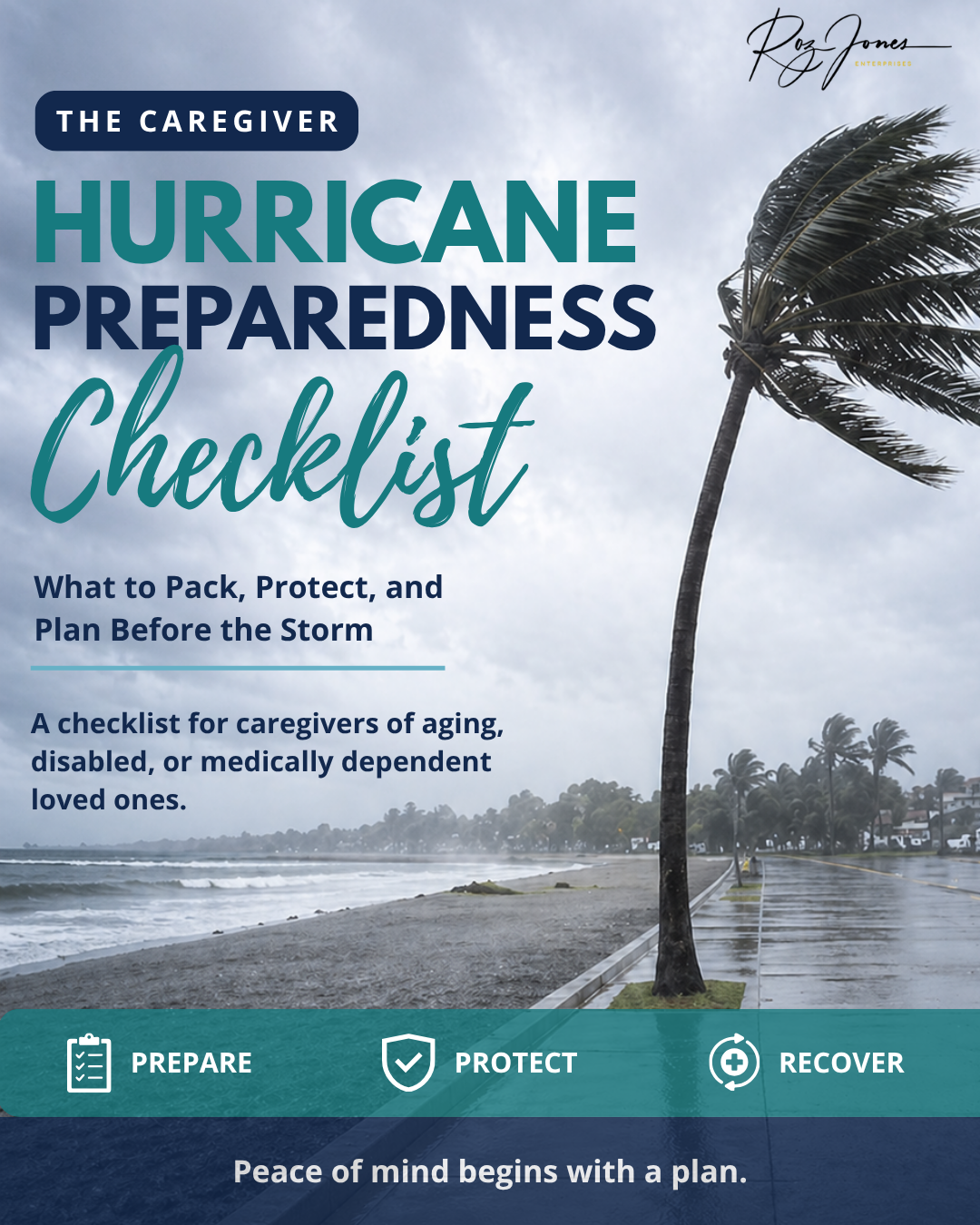
Are you preparing for hurricane season? Purchase the Caregiver Hurricane Preparedness Checklist to organize the information and supplies your family may need before severe weather arrives.
Subscribe to The Caregiver Cafe Weekly Newsletter!
Caregiving can be a roller coaster of ups and downs. The information that you will receive from The Caregiver Cafe Weekly Specials Newsletter will support you as a caregiver. Remember…
1. YOU ARE NOT ALONE: The problems you face as a caregiver are experienced by other caregivers. Knowing that you’re not alone can be comforting.
2. Tools and Resources: Find caregiver stress management tools and gain perspective from other caregiver’s experiences.
3. LEARN TO: Ask for help, accept help when it is offered, and acknowledge yourself on this caregiving journey. Hear from experts on how to balance caregiving responsibilities by taking care of your needs and involving others to help manage the natural stress and isolation of being a caregiver.
Self-care remains important at every stage of life, but the way it is practiced often changes with age. For aging loved ones, wellness may no longer be centered around long days filled with activities, extensive exercise routines, or elaborate plans. Instead, self-care may involve protecting energy, maintaining meaningful connections, supporting physical abilities, getting adequate rest, and continuing to participate in the parts of life that provide comfort and purpose.
Relaxation can certainly include peaceful activities, but supporting well-being also requires attention to sleep, movement, social connection, independence, and the changing needs that often accompany aging.
Healthy aging is not about maintaining the exact routines or abilities a person had years ago. It is about creating opportunities for older adults to continue supporting their physical, mental, and social well-being in ways that reflect their health and abilities today. The Centers for Disease Control and Prevention continues to define healthy aging as maintaining physical, mental, and social health and well-being as people grow older.
Making Rest Part of Healthy Aging
Rest is sometimes treated as something that must be earned after everything else has been completed. For aging adults, however, adequate rest should be considered part of maintaining health rather than an interruption to productivity.
Changes in sleep patterns are common with age, but poor sleep should not automatically be dismissed as a normal part of getting older. Sleep supports physical recovery, cognitive functioning, mood, and overall health. Current CDC guidance recommends that adults age 65 and older generally receive seven to eight hours of sleep each day.
New CDC data released in April 2026 also showed that sleep challenges remain common among American adults. About three in ten adults reported sleeping fewer than seven hours, while approximately one in six reported difficulty falling asleep and one in five reported difficulty staying asleep.
For aging loved ones, persistent changes in sleep may deserve attention, particularly when they are accompanied by daytime fatigue, changes in mood, confusion, pain, frequent nighttime waking, or changes in medication. Caregivers can help by noticing patterns and sharing concerns with the appropriate healthcare professional rather than assuming sleep difficulties must simply be accepted.
A calm evening routine, comfortable sleeping environment, consistent schedule, and opportunities to wind down can become simple but meaningful parts of an older adult’s self-care routine.
Supporting Movement Without Creating Pressure
Physical activity continues to play an important role in healthy aging. It can support strength, balance, mobility, independence, sleep, and overall well-being. The National Institute on Aging notes that older adults can benefit from aerobic activity, muscle-strengthening exercises, and activities that improve balance.
Self-care through movement, however, should reflect the aging loved one’s abilities.
A person who once enjoyed long walks may now benefit from shorter walks throughout the day. Someone who cannot comfortably walk long distances may be able to participate in chair exercises, stretching, or another form of movement recommended by their healthcare team. Gardening, dancing, household activities, and other everyday movement may also contribute to an active lifestyle.
The emphasis should remain on maintaining function and enjoyment rather than meeting an unrealistic expectation.
Caregivers should also remain attentive to changes that affect safe movement. Arthritis, balance concerns, shortness of breath, dizziness, pain, medication changes, or recovery from illness may all influence what an aging loved one can safely do. Movement can remain part of self-care without becoming another area where an older adult feels pressured to perform.
Protecting Social and Emotional Well-Being
Self-care is not limited to what someone does alone.
Relationships, companionship, community involvement, and a sense of belonging remain important parts of well-being throughout aging. Yet older adults can become increasingly vulnerable to social isolation because of retirement, loss of a spouse or friends, health concerns, transportation limitations, hearing loss, decreased mobility, or living far from family.
The National Institute on Aging continues to warn that loneliness and social isolation can affect the physical, mental, cognitive, and emotional health of older adults. In June 2026, the agency released an updated outreach toolkit specifically designed to help older adults, caregivers, and healthcare professionals address these concerns.
Research supported by the National Institute on Aging has also strengthened concerns about the relationship between loneliness and cognitive health. A large analysis reported in 2025 found that feeling lonely was associated with a 31 percent increased risk of developing dementia.
Supporting social well-being does not require filling every day with activities. Regular conversations with family, visits with friends, participation in faith communities, senior programs, hobbies, volunteer opportunities, or simply spending time with familiar people can help an aging loved one remain connected.
The quality of the connection matters more than creating a busy social calendar.
Preserving Independence as Part of Self-Care
As caregiving responsibilities increase, families may begin doing more for an aging loved one. Some assistance becomes necessary for safety, health, or daily functioning, but providing care should not automatically mean removing every opportunity for independence.
Being able to make choices can remain an important part of an older adult’s dignity and emotional well-being.
Self-care may include choosing what to wear, deciding what meal sounds appealing, selecting an activity, helping prepare part of a meal, participating in household routines, or deciding how to spend an afternoon.
The level of participation will naturally vary depending on physical and cognitive abilities. What matters is continuing to include the aging loved one in decisions whenever possible.
Caregiving should provide assistance where it is needed without unnecessarily taking over the areas where the person can still participate.
Self-Care Should Reflect the Individual
There is no universal self-care routine for aging adults.
Some people enjoy quiet mornings.
Others feel most energized when surrounded by family.
Some enjoy music, gardening, prayer, reading, exercise, or creative activities. Others may simply appreciate sitting outdoors or enjoying a familiar television program.
Health conditions also influence what relaxation and self-care look like. Someone living with dementia may respond well to familiar music and routines. A person with limited mobility may need activities that can be enjoyed while seated. Someone managing chronic pain may need more rest between activities. An aging loved one recovering from hospitalization may have entirely different needs than they had several months earlier.
Self-care is most effective when it is responsive rather than prescribed.
Families can pay attention to what leaves their loved one feeling comfortable, connected, interested, or refreshed and build from there.
Supporting Wellness Without Taking Over
Caregivers can play an important role in encouraging healthy habits, but aging loved ones should remain active participants in their own well-being whenever possible.
Instead of creating an entire self-care schedule for someone, families can provide choices and remove barriers that make participation difficult. Transportation may make it possible to attend a favorite activity. An accessible chair may make sitting outdoors more comfortable. A phone or tablet may make it easier to communicate with distant relatives. Assistance preparing a meal may allow an aging loved one to continue participating in a familiar family tradition.
These adjustments allow support to complement independence rather than replace it.
They also recognize that well-being is not simply something caregivers provide to an aging loved one. It is something families can help make possible.
Those activities can continue to provide meaningful opportunities for relaxation.
What becomes increasingly important as loved ones age is allowing those practices to evolve.
The morning walk may become time sitting outdoors. Journaling may become recording memories or telling stories to a family member. Exercise may become a gentle movement based on current abilities. A favorite social activity may require transportation or additional assistance.
The form may change while the purpose remains the same.
Self-care for aging loved ones is ultimately about supporting quality of life. Rest, movement, social connection, independence, emotional well-being, and meaningful activities all contribute to a broader understanding of wellness.
As care needs evolve, families can continue creating opportunities for their aging loved ones to rest, participate, connect, and experience the parts of life that continue to bring comfort and meaning.
Prepare for Your Next Trip
Planning to travel with an aging loved one? Download the free Vacationing with an Aging Loved One Checklist to help you prepare for medications, mobility needs, comfort, safety, and unexpected changes.
In this episode of The Caregiver Café with Roz Jones, Roz is talking about something many caregivers know all too well: feeling overwhelmed while caring for an aging loved one.
Caregiving can be an all-consuming and demanding role. Between doctor’s appointments, medications, meals, daily routines, work responsibilities, and trying to care for yourself, it can start to feel like too much. But Roz reminds caregivers that overwhelm does not always mean you are failing. Sometimes it means you need a better system, more support, and a little more preparation.
Roz breaks down practical coping tips caregivers can use to reduce stress and create more breathing room in their day. She talks about the power of routines, using a calendar or planner, writing down appointments, preparing in advance, and building in extra time so caregivers are not always rushing from one thing to the next.
Caregiving includes demanding days, unexpected changes, and moments of connection that may be easy to overlook. Moments of Grace offers encouragement to caregivers who need a reminder to pause and recognize the meaningful moments along the journey.
Are you preparing for hurricane season? Purchase the Caregiver Hurricane Preparedness Checklist to organize the information and supplies your family may need before severe weather arrives.
Subscribe to The Caregiver Cafe Weekly Newsletter!
Caregiving can be a roller coaster of ups and downs. The information that you will receive from The Caregiver Cafe Weekly Specials Newsletter will support you as a caregiver. Remember…
1. YOU ARE NOT ALONE: The problems you face as a caregiver are experienced by other caregivers. Knowing that you’re not alone can be comforting.
2. Tools and Resources: Find caregiver stress management tools and gain perspective from other caregiver’s experiences.
3. LEARN TO: Ask for help, accept help when it is offered, and acknowledge yourself on this caregiving journey. Hear from experts on how to balance caregiving responsibilities by taking care of your needs and involving others to help manage the natural stress and isolation of being a caregiver.
Wellness in the later stages of life cannot be measured by physical health alone. An aging loved one may take every medication correctly, attend every medical appointment, and follow every recommendation from their healthcare provider while still feeling lonely, discouraged, disconnected, or uncertain about their place within the family.
This is why caring for an aging loved one requires more than managing a diagnosis or completing a list of daily responsibilities. Meaningful care considers the entire person, including their physical comfort, emotional health, social connections, spiritual beliefs, cultural identity, personal preferences, and continuing need for purpose.
Holistic wellness recognizes that each of these areas influences the others. Physical pain can affect sleep and mood. Loneliness can reduce appetite and motivation. A loss of independence can affect confidence and emotional well-being. Feeling disconnected from familiar people, traditions, or beliefs can leave an aging loved one without the sense of comfort and belonging they once relied upon.
Supporting the whole person does not mean caregivers must create a perfect wellness routine or address every need at the same time. It means looking beyond what must be completed and considering how an aging loved one is experiencing the life surrounding their care.
Looking Beyond Physical Care
Caregiving often begins with immediate and practical needs. Families focus on medications, meals, transportation, personal care, household safety, mobility, and medical appointments because these responsibilities cannot be ignored. However, a care plan that addresses only physical needs may still leave an aging loved one feeling overlooked.
A person may be safe at home but deeply isolated. They may receive nutritious meals but have little desire to eat because they are always eating alone. They may attend every appointment while having no opportunity to discuss the grief, fear, or frustration that accompanies changes in their health and independence.
Holistic care encourages families to consider both the task and the experience. It asks whether the aging loved one feels heard during medical conversations, whether they are included in decisions, whether their daily routine reflects their preferences, and whether they still have opportunities to enjoy the relationships and activities that give their life meaning.
This does not require caregivers to solve every concern. It requires enough awareness to recognize that successful caregiving involves more than preventing harm. It also involves preserving dignity, identity, connection, and quality of life.
Creating a More Nourishing Mealtime Experience
Nutrition plays an important role in maintaining strength, energy, healing, and overall health. As people age, changes in appetite, taste, digestion, dental health, mobility, and medication use may affect how and what they eat. Certain health conditions may also require adjustments to familiar meals.
Although these changes may be necessary, food should not become another area in which an aging loved one feels they have lost control.
Food often carries meaning beyond nutrition. It may represent family traditions, cultural identity, celebrations, comfort, and memories of people or places that remain important. Replacing every familiar meal without including the aging loved one in the discussion can make eating feel restrictive and unfamiliar.
Whenever possible, caregivers can offer choices that remain appropriate for the loved one’s health needs. Familiar recipes may be modified rather than completely removed, and favorite foods may sometimes be included in portions or forms approved by the healthcare team.
Changes in appetite should also be considered carefully. An aging loved one who is eating less may be experiencing medication side effects, dental pain, difficulty swallowing, depression, grief, loneliness, or changes in taste and smell. The concern may not simply be a lack of interest in food.
The environment surrounding the meal can also affect how much a person eats. Comfortable seating, appropriate utensils, good lighting, and enough time to finish without feeling rushed may improve the experience. Sharing the meal with another person can provide companionship and make eating feel like a meaningful part of the day instead of another care task.
When concerns about weight loss, hydration, swallowing, or nutritional needs arise, caregivers should involve an appropriate healthcare professional. The goal is not only to serve healthier meals but to create an approach to nourishment that supports physical health while preserving dignity, comfort, and personal choice.
Making Emotional Wellness Part of the Care Plan
Emotional needs can be easy to overlook because they are not always as visible as physical ones. An aging loved one may be grieving the death of a spouse, the loss of a home, changes in mobility, the end of a career, or the growing need to depend on others.
These losses may affect how they communicate and participate in daily life. Sadness may appear as withdrawal. Fear may appear as anger. Embarrassment may lead someone to refuse assistance even when help is needed. A person who seems uncooperative may be struggling to accept how much has changed.
Families may respond by encouraging their loved one to remain positive or by reminding them of what they still have. Although these responses are often well-intentioned, they may unintentionally minimize what the person is experiencing.
Emotional wellness begins with allowing aging loved ones to speak honestly about the changes in their lives. They should be able to express what they miss, what they fear, and what feels difficult without being treated as though those emotions are inappropriate or ungrateful.
Caregivers do not always need to provide an immediate answer. Listening with patience and acknowledging the emotion may be more supportive than trying to correct, compare, or solve the situation.
Persistent sadness, hopelessness, irritability, withdrawal, changes in appetite or sleep, and loss of interest in previously enjoyed activities should not automatically be dismissed as normal parts of aging. These changes may require support from a physician, therapist, counselor, faith leader, or another trusted professional.
Mental and emotional health deserve the same attention within the care plan as medications, meals, appointments, and physical safety.
Preserving Identity as Abilities Change
Aging loved ones may need assistance, but needing care does not erase the lives they lived before caregiving became part of the family’s routine. They remain people who built careers, raised children, managed households, developed traditions, formed opinions, and contributed to their families and communities.
Care should continue to recognize that identity.
A former teacher may enjoy reading to a grandchild or helping with homework. Someone who loved cooking may no longer be able to prepare an entire meal but may still enjoy choosing the menu, seasoning a dish, or explaining how a family recipe was made. A person who took pride in their appearance may appreciate selecting their clothing, wearing a favorite fragrance, or having their hair styled.
These experiences are not insignificant. They help aging loved ones remain connected to who they are beyond their medical needs and physical limitations.
Caregivers may sometimes take over tasks because it is faster or easier. While efficiency is necessary during demanding days, it should not always replace participation. When it is safe and appropriate, aging loved ones should be encouraged to complete the parts of a task they are still able to manage.
Offering assistance without immediately taking control helps preserve confidence and independence. It also communicates that the loved one is still capable of contributing and making meaningful decisions within their own life.
Supporting a Continuing Sense of Purpose
Purpose does not disappear with retirement, illness, or the need for additional care. Aging loved ones still need to know that their presence matters and that they continue to have something meaningful to contribute.
A sense of purpose may come from offering advice, sharing family history, caring for a plant, participating in a faith community, maintaining relationships with grandchildren, or helping with a manageable household task. It may also be found through music, writing, crafting, mentoring, volunteering, or supporting a cause that has always been important to them.
The activity should reflect the person’s interests and current abilities. Purpose is not created by filling every hour of the day with activities. There is a difference between keeping someone occupied and helping them feel useful, involved, and valued.
Caregivers can begin by considering what the aging loved one once enjoyed, what they still speak about with enthusiasm, and which roles have always been important to them. Those interests may reveal ways for them to continue participating, even if the activity must be adapted.
A meaningful role does not need to be large. A simple responsibility or regular contribution can strengthen confidence and reinforce the person’s place within the family.
Maintaining Relationships Beyond the Caregiving Routine
Social connection is an important part of wellness at every age, but opportunities for connection may become more limited later in life. Retirement, changes in mobility, the loss of friends and relatives, and no longer being able to drive may gradually reduce an aging loved one’s social world.
Family visits are valuable, but relatives should not always be the person’s only source of connection. Depending on their interests and abilities, an aging loved one may benefit from senior programs, community centers, faith gatherings, support groups, book clubs, exercise classes, volunteer opportunities, or regular conversations with friends.
Technology may also help preserve relationships when distance or mobility makes in-person visits difficult. Video calls, text messages, and social media can offer connection, but the technology should be introduced in a way that feels manageable. Saved contacts, written instructions, larger icons, and patient guidance may make these tools easier to use.
The quality of the interaction also matters. An aging loved one may be surrounded by family and still feel invisible when every conversation is focused on medication, symptoms, appointments, or what they are no longer able to do.
Conversations about memories, family updates, hobbies, current events, music, and ordinary life can remind aging loved ones that they are still part of the world around them. Their relationships should continue to reflect who they are, not only the care they require.
Honoring Spiritual and Cultural Identity
Spiritual and cultural practices can offer comfort, identity, hope, and a sense of continuity during the aging process. For some people, wellness may include prayer, scripture, worship services, meditation, religious music, or conversations with a faith leader. For others, it may be expressed through nature, family traditions, cultural celebrations, familiar foods, or personal reflection.
Caregivers should not assume that every aging loved one has the same spiritual needs or that those needs remain unchanged over time. A person may want greater connection to their faith as they age, or they may begin questioning beliefs they once held with certainty.
Supporting spiritual wellness begins with asking what brings the aging loved one comfort and whether there are practices, traditions, or relationships they would like to continue.
Changes in health or mobility may require those practices to be adapted. Worship services may be available online. A faith leader may be able to visit the home. Familiar readings, music, foods, clothing, or meaningful objects may help someone remain connected to their beliefs and cultural identity.
These practices are not separate from quality care. They are part of recognizing the whole person and honoring the values that have shaped their life.
Using Nature to Encourage Comfort and Connection
Nature can provide a calming change from the routines and surroundings associated with caregiving. Fresh air, natural light, birds, flowers, and changing seasons may offer stimulation and comfort without requiring a demanding activity.
An aging loved one may enjoy sitting on the porch, tending to a small garden, visiting a nearby park, or taking a short walk. These experiences may encourage movement, conversation, reflection, and engagement with the senses.
Outdoor activities should always reflect the loved one’s health, energy, and mobility. Caregivers may need to consider weather conditions, uneven pathways, access to shade, seating, hydration, and the availability of mobility support.
When spending time outdoors is not possible, nature can still be incorporated into the living environment. A chair near a window, indoor plants, fresh flowers, photographs of familiar places, or recordings of rain and birds may offer a sense of connection to the world outside the home.
The purpose is not to create another activity that must be completed. It is to provide opportunities for beauty, calm, and sensory engagement within the aging loved one’s daily life.
Allowing Wellness to Change With the Day
A holistic wellness plan must be flexible enough to respond to changes in health, energy, mood, and caregiving responsibilities. Some days may include a walk, a family visit, and participation in a favorite activity. Other days may require additional rest, quiet, and physical support.
An aging loved one should not feel that they have failed because they cannot complete an activity. Caregivers should also not feel responsible for maintaining a perfect balance among physical, emotional, social, and spiritual needs every day.
Holistic wellness is not about doing everything at once. It is about noticing which area of the person’s well-being may need additional attention.
One day, the aging loved one may need more physical comfort. On another day, they may need conversation, laughter, spiritual encouragement, time outdoors, or an opportunity to make a decision. Small and consistent efforts may provide more support than a complicated routine that becomes difficult for everyone to maintain.
Flexibility allows wellness to remain part of the caregiving experience without turning it into another source of pressure.
Including the Caregiver in Holistic Wellness
The well-being of an aging loved one and the well-being of the caregiver are closely connected. A caregiver who is physically exhausted, emotionally overwhelmed, or socially isolated may struggle to provide the patience, attention, and consistency their loved one needs.
Holistic wellness cannot focus only on the person receiving care while ignoring the person providing it.
Caregivers also need nutritious meals, medical attention, movement, emotional support, meaningful relationships, rest, and opportunities to connect with their own sense of purpose. These needs are not selfish or separate from caregiving. They are part of creating a care arrangement that can continue without causing unnecessary harm to the caregiver.
Support may come from relatives, friends, respite care, community programs, caregiver groups, faith communities, or professional care providers. Accepting help does not reduce the caregiver’s commitment to their loved one. It helps protect the caregiver’s health and ability to continue providing care.
The goal should not be to improve an aging loved one’s wellness at the expense of the caregiver. A sustainable plan must recognize the needs and humanity of both people.
Caring for the Life Surrounding the Diagnosis
An aging loved one may have one or more diagnoses that require careful attention, but those diagnoses do not define the entire person.
They still have relationships, humor, preferences, memories, beliefs, wisdom, and hopes. They continue to need comfort, belonging, choice, and meaningful experiences.
Holistic wellness asks families to care for the life surrounding the diagnosis. It encourages caregivers to consider whether an aging loved one feels included, heard, connected, and respected within the routines created to support them.
There will be periods when illness, hospitalization, or an emergency makes physical care the immediate priority. During those moments, families may have little capacity to focus on anything beyond safety and stability. That does not mean the holistic approach has been abandoned.
As circumstances improve, families can return to the parts of care that restore choice, connection, purpose, and enjoyment.
Caring for the whole person does not require perfection. It requires a willingness to remember who the aging loved one has always been, to recognize who they are today, and to support the parts of life that continue to make them feel like themselves.
Planning to travel with an aging loved one? Download the free Vacationing with an Aging Loved One Checklist to help you prepare for medications, mobility needs, comfort, safety, and unexpected changes.
In this episode of The Caregiver Café with Roz Jones, Roz is talking about something many seniors and caregivers are feeling at the pharmacy counter: the rising cost of prescription medications.
As aging loved ones begin taking more medications, those costs can add up quickly. One prescription may not seem like much, but when there are several medications involved, the monthly total can become overwhelming for seniors, families, and caregivers trying to manage care on a fixed income.
Roz breaks down practical ways caregivers can help reduce the cost of prescriptions. She talks about asking doctors about generic medications, looking for less expensive brand-name options, using mail-order pharmacy services, reviewing Medicare drug plans during annual enrollment, and checking for state or manufacturer assistance programs.
Caregiving includes demanding days, unexpected changes, and moments of connection that may be easy to overlook. Moments of Grace offers encouragement to caregivers who need a reminder to pause and recognize the meaningful moments along the journey.
Are you preparing for hurricane season? Purchase the Caregiver Hurricane Preparedness Checklist to organize the information and supplies your family may need before severe weather arrives.
Subscribe to The Caregiver Cafe Weekly Newsletter!
Caregiving can be a roller coaster of ups and downs. The information that you will receive from The Caregiver Cafe Weekly Specials Newsletter will support you as a caregiver. Remember…
1. YOU ARE NOT ALONE: The problems you face as a caregiver are experienced by other caregivers. Knowing that you’re not alone can be comforting.
2. Tools and Resources: Find caregiver stress management tools and gain perspective from other caregiver’s experiences.
3. LEARN TO: Ask for help, accept help when it is offered, and acknowledge yourself on this caregiving journey. Hear from experts on how to balance caregiving responsibilities by taking care of your needs and involving others to help manage the natural stress and isolation of being a caregiver.
Caregiving requires constant attention. Caregivers must remain aware of medications, appointments, changes in health, daily routines, household responsibilities, and the evolving needs of an aging loved one. Yet while so much attention is given to what must be managed, it is still possible to lose sight of the person receiving the care.
Caregiving days can quickly become organized around tasks. One responsibility leads into the next, and the caregiver’s mind is often preparing for what must happen later before the current moment has ended. Over time, meaningful interactions may be overlooked because completing the care plan has become the primary focus.
Being fully present offers caregivers and aging loved ones an opportunity to reconnect within the routine.
Presence does not require caregivers to ignore their responsibilities or pretend that difficult circumstances are easy. It means becoming more aware of what is happening in the moment, including what an aging loved one may be feeling, what they may be trying to communicate, and what the caregiver may need in order to continue providing thoughtful care.
This awareness can support clearer communication, greater emotional connection, and moments of peace during an otherwise demanding caregiving season.
Presence Begins With Paying Attention
Mindfulness is often associated with meditation, deep breathing, or sitting quietly. While those practices can be valuable, mindfulness can also be practiced through ordinary caregiving experiences.
Being present means noticing what is happening without immediately judging it, dismissing it, or attempting to change it. It allows caregivers to respond with greater awareness instead of reacting from frustration, exhaustion, or urgency.
For an aging loved one, this kind of presence can create room to express fear, sadness, frustration, confusion, or joy without feeling as though their emotions have created another problem for the caregiver to solve. They may feel more comfortable communicating their preferences and concerns when they know they are being heard rather than rushed toward a solution.
Presence also benefits the caregiver. Paying attention to personal thoughts, emotions, and physical responses may reveal how much stress has been building beneath the daily routine. Recognizing exhaustion, irritability, anxiety, or mental fatigue early may help a caregiver respond before those feelings begin affecting their health, patience, and ability to provide care.
Seeing the Person Beyond the Responsibilities
Caregiving routines can become automatic, particularly when the same responsibilities must be completed each day. Meals must be prepared, medications must be organized, appointments must be managed, and assistance may be needed with personal care, mobility, and household activities.
Each responsibility matters, but an aging loved one should not begin to feel as though they have become a collection of needs that must be managed.
Presence helps caregivers see the person beyond the task. This may involve explaining what is about to happen before assisting with personal care, asking how the loved one would prefer to be helped, or including them in decisions they are still able to make.
An aging loved one may not be able to prepare an entire meal independently, but they may still be able to choose between two options. They may need transportation to a medical appointment, but they should still have time to ask questions and express concerns about the visit. They may need help getting dressed, but they can still have preferences about what they wear.
These decisions may appear small, but they reinforce dignity. They remind aging loved ones that their voices still matter and that receiving care does not remove their right to participate in their own lives.
Slowing down can also help caregivers notice changes that may otherwise be missed. A loved one may be eating less, responding more slowly, withdrawing from conversation, appearing unusually tired, or showing signs of discomfort. These changes are often easier to recognize when care is not being completed in a constant state of hurry.
Listening for What Is Beneath the Words
Aging can bring changes that are difficult to understand and even harder to accept. Aging loved ones may grieve the loss of independence, physical abilities, familiar routines, relationships, or the roles they once held within the family.
These emotions may not always be expressed clearly.
A complaint about dinner may be less about the food and more about having fewer opportunities to make personal choices. Refusing assistance may be connected to a fear of becoming dependent. Repeated questions may reflect anxiety, memory loss, or a need for reassurance. Anger may be covering sadness, embarrassment, or fear.
Caregivers may feel pressure to correct inaccurate information, calm the emotion quickly, or explain why a particular decision had to be made. There are times when clarification is necessary, but not every feeling requires an immediate solution.
Sometimes an aging loved one first needs to know that someone is willing to listen.
Mindful listening means allowing the person to finish speaking and paying attention to tone, facial expressions, and body language. It means asking questions that help clarify what is troubling them and acknowledging the emotion, even when the circumstances cannot be changed.
A simple response such as, “I understand why this is difficult for you,” may create more connection than immediately defending a decision or redirecting the conversation.
Feeling heard may not remove the frustration, but it can help an aging loved one feel less isolated within the changes they are experiencing.
Creating Meaningful Connections to the Present
Aging loved ones may spend a significant amount of time remembering the past or worrying about the future. Memory changes, grief, loneliness, declining health, and changes in independence may make it difficult to feel grounded in the present.
Mindful activities can provide gentle opportunities to reconnect with what is happening now.
Listening to familiar music, folding towels, sitting outdoors, tending to a plant, looking through photographs, or preparing part of a familiar recipe can encourage participation without placing pressure on performance. Meaningful objects may also be used to begin conversations, stimulate the senses, or help an aging loved one reconnect with familiar experiences.
The purpose of these activities is not to test memory or complete a perfect project. It is also not simply to keep an aging loved one occupied.
The purpose is to help them feel included, capable, and connected.
Caregivers can make these activities more supportive by offering one direction at a time, allowing enough time for the loved one to respond, and resisting the urge to take over because the task could be completed more quickly.
The final result matters less than the experience of participating together.
Establishing a More Mindful Morning Routine
The way a household begins the day can influence how everyone responds to what follows.
Caregiving mornings may include medications, personal care, breakfast, transportation, phone calls, and several decisions before the caregiver has had an opportunity to collect their own thoughts. When the day begins in a rush, even a small and unexpected change may create additional tension.
A mindful morning does not require an elaborate routine. It may involve opening the curtains to allow natural light into the room, playing soft music, praying, completing gentle stretches, or sitting quietly for a few minutes before beginning the day’s responsibilities.
A consistent and unhurried morning routine may be especially helpful for an aging loved one experiencing memory loss, confusion, or anxiety. Familiar steps can provide reassurance and make the transition into the day feel less overwhelming.
Caregivers may also benefit from taking a few moments for themselves before immediately responding to someone else’s needs. A calm beginning will not guarantee that the day will be easy, but it can create a steadier foundation for managing whatever the day may bring.
Giving the Caregiver’s Mind Permission to Rest
Caregivers may sit down without ever truly resting. The body may stop moving while the mind continues reviewing everything that has happened and everything that still needs to be completed.
A caregiver may be thinking about whether medication was taken, when a prescription needs to be refilled, who will provide transportation, what should be discussed at the next appointment, or what will happen if their loved one’s condition changes.
They may also be carrying questions about who will provide care if they become unavailable and how long they can continue managing the current level of responsibility.
This constant mental activity can affect sleep, concentration, patience, decision-making, and emotional well-being.
Mindful rest allows the mind to stop solving problems for a brief period. It may involve sitting outside without making a phone call, taking a shower without mentally reviewing the schedule, enjoying a cup of coffee while it is still warm, or taking a walk while paying attention to the surroundings.
The mind may return to caregiving responsibilities during these moments. That is normal. The practice of mindfulness involves noticing that shift and gently returning attention to the present.
Mental rest should not be treated as a reward that caregivers must earn after every responsibility has been completed. In caregiving, there may always be another task waiting.
Rest is part of maintaining the strength and clarity required to continue.
Using the Senses to Find Steadiness
During moments of anxiety, frustration, or emotional overload, focusing on the senses can help caregivers and aging loved ones reconnect with their immediate surroundings.
This may include noticing the color of an object nearby, listening for a familiar sound, feeling both feet against the floor, or paying attention to the temperature of the room. The scent of coffee, soap, flowers, or a favorite meal may also provide a familiar point of focus.
Taking a slow sip of water and noticing the sensation can be another simple way to return attention to the present.
Grounding through the senses does not erase the situation causing distress. However, it may help the body and mind become calm enough to respond with greater clarity.
These practices can also be adapted to an aging loved one’s abilities. Someone with limited vision may rely more on touch, sound, smell, or taste. A person with hearing loss may respond more easily to visual or tactile cues.
The specific method matters less than creating an opportunity to pause and reconnect with what is happening in the moment.
Keeping Mindfulness From Becoming Another Responsibility
Caregivers are often surrounded by advice about what they should be doing to protect their health and improve their caregiving experience. They may be encouraged to exercise, journal, meditate, rest, attend support groups, or ask family members for help.
Although these recommendations may be beneficial, even healthy practices can begin to feel like additional responsibilities when they are presented as requirements that must be completed correctly.
Mindfulness should not become another standard caregivers use to decide whether they are doing enough.
Some days, mindfulness may include a longer period of quiet reflection. On another day, it may consist of taking one deep breath before responding to a difficult comment.
It may mean turning off the television during dinner, putting down the phone while an aging loved one shares a familiar story, or sitting together without discussing appointments, medications, finances, or household responsibilities.
A mindful moment does not need to be lengthy or perfectly planned to be meaningful.
Allowing Difficult Emotions to Exist
Being present does not mean focusing only on positive thoughts.
Caregiving can involve grief, anger, fear, guilt, resentment, loneliness, and uncertainty. Aging loved ones may grieve their health, independence, familiar surroundings, relationships, or the lives they once expected to continue living. Caregivers may grieve the way the relationship has changed or the future they once imagined.
These emotions can exist alongside love and gratitude.
A caregiver can deeply love an aging loved one and still feel exhausted. An aging loved one can appreciate the care they receive and still feel angry about needing assistance. A difficult day does not mean the family is failing.
Mindfulness creates room for these emotions to be acknowledged rather than hidden beneath forced positivity. Honest recognition can help families understand what they are carrying and determine when additional support may be needed.
Mindfulness can support emotional wellness, but it should not replace professional care. Persistent anxiety, depression, grief, confusion, or emotional distress should be discussed with an appropriate healthcare or mental health professional.
Support may come from a physician, therapist, counselor, caregiver support group, or trusted faith leader. Being fully present also means recognizing when the situation requires more assistance than the family can provide alone.
Recognizing Joy While It Is Happening
Caregiving can make the future feel uncertain. Families may become so focused on the next appointment, change in health, or difficult decision that they overlook what is still possible today.
An aging loved one may still enjoy listening to music, laughing at a familiar story, sitting outdoors, watching a favorite television program, speaking with a grandchild, or sharing a favorite meal.
These experiences may seem ordinary, but ordinary moments often become the memories families value most.
Being fully present allows caregivers and aging loved ones to recognize joy while it is happening instead of understanding its importance only after the moment has passed.
Joy does not require perfect health or an easy caregiving season. It does not require an expensive trip or carefully planned event. It may be found in a comfortable silence, a shared laugh, or a moment when caregiving responsibilities briefly make room for the relationship itself.
How Presence Changes the Experience of Care
Caregiving will continue to require planning, coordination, flexibility, and difficult decisions. There will still be interruptions, unexpected changes, and days when patience feels limited.
Being fully present does not remove those realities. It changes how caregivers and aging loved ones experience them together.
Presence creates room for an aging loved one’s voice and helps caregivers recognize their own needs and limitations. It allows ordinary acts of care to become opportunities for dignity, understanding, and connection.
The quiet power of presence is not found in doing more. It is found in noticing what may otherwise be missed.
Caregiving is made up of responsibilities, but it is also made up of moments. Being fully present helps families recognize the importance of both.
Planning to travel with an aging loved one? Download the free Vacationing with an Aging Loved One Checklist to help you prepare for medications, mobility needs, comfort, safety, and unexpected changes.
In this episode of The Caregiver Café with Roz Jones, Roz is talking about something many seniors and caregivers are feeling at the pharmacy counter: the rising cost of prescription medications.
As aging loved ones begin taking more medications, those costs can add up quickly. One prescription may not seem like much, but when there are several medications involved, the monthly total can become overwhelming for seniors, families, and caregivers trying to manage care on a fixed income.
Roz breaks down practical ways caregivers can help reduce the cost of prescriptions. She talks about asking doctors about generic medications, looking for less expensive brand-name options, using mail-order pharmacy services, reviewing Medicare drug plans during annual enrollment, and checking for state or manufacturer assistance programs.
Caregiving includes demanding days, unexpected changes, and moments of connection that may be easy to overlook. Moments of Grace offers encouragement to caregivers who need a reminder to pause and recognize the meaningful moments along the journey.
Are you preparing for hurricane season? Purchase the Caregiver Hurricane Preparedness Checklist to organize the information and supplies your family may need before severe weather arrives.
Subscribe to The Caregiver Cafe Weekly Newsletter!
Caregiving can be a roller coaster of ups and downs. The information that you will receive from The Caregiver Cafe Weekly Specials Newsletter will support you as a caregiver. Remember…
1. YOU ARE NOT ALONE: The problems you face as a caregiver are experienced by other caregivers. Knowing that you’re not alone can be comforting.
2. Tools and Resources: Find caregiver stress management tools and gain perspective from other caregiver’s experiences.
3. LEARN TO: Ask for help, accept help when it is offered, and acknowledge yourself on this caregiving journey. Hear from experts on how to balance caregiving responsibilities by taking care of your needs and involving others to help manage the natural stress and isolation of being a caregiver.
Movement can become more important as we age, but the way we approach fitness may need to change. Understanding how to build a routine that can continue as the body, health, and caregiving situation change is really important.
Healthy aging is not about trying to move like someone twenty years younger. It is about maintaining the strength, flexibility, balance, and confidence needed to continue participating in daily life. For some aging adults, that may mean attending a weekly exercise class. For others, it may mean walking to the mailbox, tending to a garden, preparing a meal, or getting out of a chair without assistance.
Every form of meaningful movement deserves to be recognized.
Let Daily Life Guide the Fitness Goals
Fitness goals for aging adults should reflect what they want and need to continue doing.
A traditional exercise goal may focus on walking a certain distance, completing a specific number of repetitions, or exercising for a set number of minutes. Those goals can be useful, but they do not always show how movement is improving an aging loved one’s quality of life.
A more meaningful goal may be having enough stamina to attend a grandchild’s school program. It may be maintaining the strength needed to get in and out of the car. It may be improving balance so an aging loved one feels safer moving through the home.
Connecting exercise to daily activities can make movement feel more purposeful. Instead of presenting fitness as another responsibility, caregivers can help aging loved ones understand how staying active may support the independence and experiences that matter to them.
Ask your loved one what they would like to continue doing.
Ask what has become more difficult.
Ask what activity they miss.
The answers can help guide a fitness routine that feels personal rather than imposed.
Build a Routine That Leaves Room for Change
Consistency supports progress, but rigid expectations can make exercise difficult to maintain.
An aging loved one may feel energetic one morning and tired the next. Arthritis, chronic pain, medication changes, medical appointments, poor sleep, and emotional stress can all affect their ability to participate.
A flexible routine gives them several ways to remain active without ignoring what their body is communicating.
On a higher-energy day, they may take a longer walk, attend a class, swim, or complete a light strength-training routine. On a day when energy is limited, seated exercises, gentle stretches, or a short walk through the home may be more appropriate.
Rest is also part of a healthy routine.
A missed workout does not mean the plan has failed. It may simply mean the body needed something different that day. The goal is to create a routine that can be adjusted without being abandoned.
Protect Strength for Everyday Independence
Strength training is not reserved for athletes or younger adults. It can help aging loved ones preserve the ability to complete ordinary activities safely and with less assistance.
Muscle strength supports standing, climbing steps, carrying groceries, using the bathroom, getting dressed, and recovering balance after a stumble. As muscle mass naturally decreases with age, light resistance exercises may help slow that decline.
Strength training does not always require a gym membership or heavy equipment. Depending on an individual’s health and abilities, exercises may include light hand weights, resistance bands, wall push-ups, seated leg lifts, or carefully practiced chair stands.
The focus should remain on safe, controlled movement rather than lifting heavier weights or completing more repetitions.
Caregivers should also avoid assuming that an exercise is safe simply because it appears easy. A healthcare provider, physical therapist, or qualified senior fitness professional can help determine which activities are appropriate, particularly when an aging loved one has mobility limitations, heart concerns, osteoporosis, balance problems, or other medical conditions.
Make Balance Part of the Plan
Balance can influence whether an aging loved one feels confident moving through the world.
A fall, or even the fear of falling, can change a person’s behavior. An aging loved one may begin avoiding stairs, outdoor walks, social activities, or certain areas of the home. Over time, moving less may contribute to additional weakness and make them feel even less steady.
Balance activities can help strengthen the muscles and coordination needed for safer movement. Depending on the person’s abilities, this may include practicing heel raises while holding a sturdy chair, shifting weight from one foot to the other, walking heel to toe with support nearby, or participating in tai chi.
The home should support these efforts.
Loose rugs, cluttered walkways, poor lighting, slippery surfaces, and unstable furniture can increase fall risks. Supportive shoes, clear pathways, secure handrails, and frequently used items placed within easy reach can make movement safer.
Fitness and home safety should work together. Building strength is important, but aging loved ones also need an environment that allows them to use that strength confidently.
Make Movement Enjoyable Enough to Continue
The best exercise routine is not necessarily the most advanced one. It is the one an aging loved one feels comfortable returning to.
Some people enjoy structured classes. Others prefer gardening, dancing, walking through a shopping center, stretching while watching television, or moving to music from another season of their life.
There is no need to force an activity that creates frustration or embarrassment when another option may offer the same benefit.
Caregivers can also make movement more enjoyable by participating. A short walk can become an opportunity to talk. Gardening can become shared time outdoors. Dancing to a favorite song can bring back memories and laughter.
When movement is connected to enjoyment, companionship, and personal interests, it is less likely to feel like another medical instruction.
Know When to Pause
Exercise should challenge the body appropriately, but it should not be used to push an aging loved one beyond what is safe.
Caregivers should pay attention to symptoms such as chest pain, severe shortness of breath, dizziness, sudden weakness, confusion, or sharp and persistent pain. These symptoms should not be dismissed as a normal part of getting older.
Changes in behavior may also provide important information. An aging loved one who suddenly avoids walking, favors one side of the body, appears unusually tired, or struggles with an activity they previously completed may need further evaluation.
When something does not look or feel right, stop the activity and contact an appropriate healthcare professional.
Supporting movement also means respecting the body’s warning signs.
Keep Movement Possible During Travel and Emergencies
Vacations, family visits, severe weather, and emergencies can interrupt familiar routines.
During travel, aging loved ones may spend long periods sitting in a vehicle or airplane. They may be staying in an unfamiliar environment with different stairs, flooring, furniture, and bathroom arrangements. Mobility equipment may also be harder to access or transport.
Caregivers can prepare by planning regular movement breaks, packing supportive shoes and mobility aids, choosing accessible accommodations, and allowing more time between activities.
Emergency preparation is equally important. During hurricanes or other severe weather events, families may need to relocate, remain indoors, or manage extended disruptions. Having medications, medical information, mobility equipment, emergency contacts, and essential supplies organized in advance can help caregivers focus on their loved one’s immediate safety.
Movement may look different during these situations, but gentle stretching, seated exercises, and short periods of walking may help reduce stiffness when they can be completed safely.
Celebrate Progress Without Comparison
Aging loved ones should not feel as though their worth is tied to how quickly they improve or how closely they resemble the person they were years ago.
Progress may be gradual.
There may be setbacks.
A health condition may change what is possible.
Some weeks may involve more rest than movement.
Encouragement should recognize effort without creating pressure. Celebrate the walk to the end of the driveway. Celebrate the willingness to try a new class. Celebrate improved balance, greater confidence, or the decision to begin again after an illness.
Do not compare your loved one to another person their age.
Do not compare today’s body to a younger version of the same person.
Honor what the body can do now and continue looking for safe ways to support it.
Living Well Is the Real Goal
Age-defying fitness is not about denying that aging brings change. It is about refusing to believe that change eliminates the possibility of strength, joy, connection, or personal growth.
Movement can help aging loved ones remain involved in their care and connected to the activities they value. It can support physical health while also strengthening confidence and emotional well-being.
The goal is not to chase youth.
The goal is to continue living well.
That may mean moving more slowly, choosing different activities, accepting support, or adjusting expectations. None of those changes make the effort less meaningful.
Every walk, stretch, dance, and carefully completed movement can become an investment in dignity, independence, and quality of life.
Planning to travel with an aging loved one? Download the free Vacationing with an Aging Loved One Checklist to help you prepare for medications, mobility needs, comfort, safety, and unexpected changes.
In this episode of The Caregiver Café with Roz Jones, Roz is talking about something many seniors and caregivers are feeling at the pharmacy counter: the rising cost of prescription medications.
As aging loved ones begin taking more medications, those costs can add up quickly. One prescription may not seem like much, but when there are several medications involved, the monthly total can become overwhelming for seniors, families, and caregivers trying to manage care on a fixed income.
Roz breaks down practical ways caregivers can help reduce the cost of prescriptions. She talks about asking doctors about generic medications, looking for less expensive brand-name options, using mail-order pharmacy services, reviewing Medicare drug plans during annual enrollment, and checking for state or manufacturer assistance programs.
Caregiving includes demanding days, unexpected changes, and moments of connection that may be easy to overlook. Moments of Grace offers encouragement to caregivers who need a reminder to pause and recognize the meaningful moments along the journey.
Are you preparing for hurricane season? Purchase the Caregiver Hurricane Preparedness Checklist to organize the information and supplies your family may need before severe weather arrives.
Subscribe to The Caregiver Cafe Weekly Newsletter!
Caregiving can be a roller coaster of ups and downs. The information that you will receive from The Caregiver Cafe Weekly Specials Newsletter will support you as a caregiver. Remember…
1. YOU ARE NOT ALONE: The problems you face as a caregiver are experienced by other caregivers. Knowing that you’re not alone can be comforting.
2. Tools and Resources: Find caregiver stress management tools and gain perspective from other caregiver’s experiences.
3. LEARN TO: Ask for help, accept help when it is offered, and acknowledge yourself on this caregiving journey. Hear from experts on how to balance caregiving responsibilities by taking care of your needs and involving others to help manage the natural stress and isolation of being a caregiver.