By Roz Jones
Caregiving can slowly change the way a family sees an aging loved one. The person who once made decisions, gave advice, managed the household, raised children, or cared for everyone else may suddenly be seen mostly through the lens of what they now need help with.
That shift can happen without anyone meaning for it to. Appointments, medications, meals, transportation, and safety become the focus because they have to. But your loved one is still carrying a lifetime of knowledge, opinions, experiences, and abilities that deserve space too. The question is: are we still giving them opportunities to contribute, make decisions, and feel needed?
Before caregiving becomes only about what your loved one can no longer do, let’s look at how to keep them involved, valued, and connected to the family in meaningful ways.
Ask for Their Advice
Sometimes the simplest way to remind someone that their experience still matters is to ask what they think.
Ask your loved one how they handled a difficult season in their own life. Ask about a family tradition you want to continue. Ask how they prepared a certain meal, managed money when times were tight, raised children, handled conflict, built a career, or made an important decision.
You may not follow every piece of advice you receive, and that’s okay. The purpose isn’t to pretend your loved one has every answer.
It’s recognizing that years of living have given them experiences worth hearing.
Instead of only asking, What do you need? make room to ask, What do you think?
Give Them Something to Teach
Your aging loved one may know things that no one else in the family knows.
Maybe it’s a recipe that has never been written down. Maybe they know where the family came from, why certain traditions matter, how to sew, garden, repair something, prepare a favorite dish, play an instrument, or speak a language younger generations never learned.
Ask them to teach it.
This can be especially meaningful with grandchildren and younger family members. Rather than every visit being centered around checking on Grandma or Grandpa, give younger relatives something they can learn from them.
The National Institute on Aging encourages older adults to stay engaged in meaningful activities and maintain social connections because both can support well-being, independence, and a sense of purpose as people age.
Include Them in Decisions That Affect Them
There can be a fine line between helping an aging loved one and gradually making every decision for them.
Sometimes decisions do have to change because of health, safety, memory, mobility, or other concerns. But needing help in one area doesn’t automatically mean your loved one should lose their voice in every area.
Ask about preferences whenever they can participate.
What would they like to eat this week?
Which appointment time works better for them?
Who are they comfortable having in the home?
What activities would they actually enjoy?
What family traditions do they want to continue?
Even small decisions can help preserve a sense of independence when larger parts of life may already feel outside of their control.
Find Ways They Can Still Contribute
Contribution doesn’t have to mean taking on a major responsibility.
Your loved one may be able to help fold towels, choose the menu for Sunday dinner, water plants, read with a grandchild, help sort photographs, make phone calls to relatives, share family recipes, or help plan a celebration.
The activity itself isn’t necessarily the most important part.
What matters is that your loved one has an opportunity to participate rather than always being positioned as the person everyone else is doing things for.
Feeling valued and connected within family relationships can play an important role in emotional well-being, especially as routines and abilities change with age.
Pay Attention to What Still Brings Them Pride
Caregivers spend a lot of time noticing changes.
What can they no longer do safely?
What requires more assistance?
What symptoms have changed?
What needs to be monitored?
Those observations are important. But don’t let caregiving become so focused on decline that you stop noticing what still lights your loved one up.
Maybe your father still enjoys talking about the work he did for thirty years.
Maybe your mother takes pride in seeing everyone enjoy a recipe she taught the family.
Maybe your grandmother enjoys hearing that one of the grandchildren used advice she gave them.
Pay attention to those moments.
They tell you something about where your loved one still finds identity, pride, and purpose.
Preserve More Than Information
Documenting family history is valuable. Recording names, dates, recipes, photographs, and stories gives future generations something tangible to hold onto.
But here’s the shift I want to encourage: don’t wait until your loved one is gone to recognize the value of what they know.
Let them see that value now.
Ask the questions.
Listen to the stories.
Invite them into the decisions.
Let them teach.
Let them contribute in the ways they still can.
An aging loved one may need more assistance than they once did, but needing care does not erase the experiences, knowledge, opinions, and abilities they still bring to the family.
Preserving someone’s legacy isn’t only about what we save for later. It’s also about how we value them while they’re still here. For the beginning of this conversation, read the previous blog, Cherishing the Wisdom of Age.
Prepare for Your Next Trip

Planning to travel with an aging loved one? Download the free Vacationing with an Aging Loved One Checklist to help you prepare for medications, mobility needs, comfort, safety, and unexpected changes.
Tune in to The Caregiver Café Podcast
Dad’s Dementia: Grieving the Living with Phil Hill

In this episode of The Caregiver Café with Roz Jones, Roz is joined by security expert and former family caregiver Phil Hill for an honest conversation about caring for a parent through cognitive decline, dementia, and the final years of life.
Phil shares how he first began noticing changes in his father, including confusion, difficulty navigating familiar places, changes in his appearance, and trouble managing responsibilities that had once been routine. Those early signs led to doctor visits, cognitive testing, difficult decisions about driving, and eventually moving his father into his home.
As the primary caregiver, Phil had to learn how to coordinate support among family members while also caring for his wife, his children, his business, and himself. He explains how even small contributions from relatives, such as taking his father to the barber shop, spending an afternoon with him, or providing companionship, gave him valuable moments of rest.
Roz and Phil also discuss the emotional side of caregiving. Watching a parent decline can bring grief long before the person passes away. Caregivers may lose sleep, experience exhaustion, make difficult safety decisions, and manage behaviors their loved one may not fully understand or remember.
Give Yourself a Moment of Grace

Caregiving includes demanding days, unexpected changes, and moments of connection that may be easy to overlook. Moments of Grace offers encouragement to caregivers who need a reminder to pause and recognize the meaningful moments along the journey.
Preparing for hurricane season?
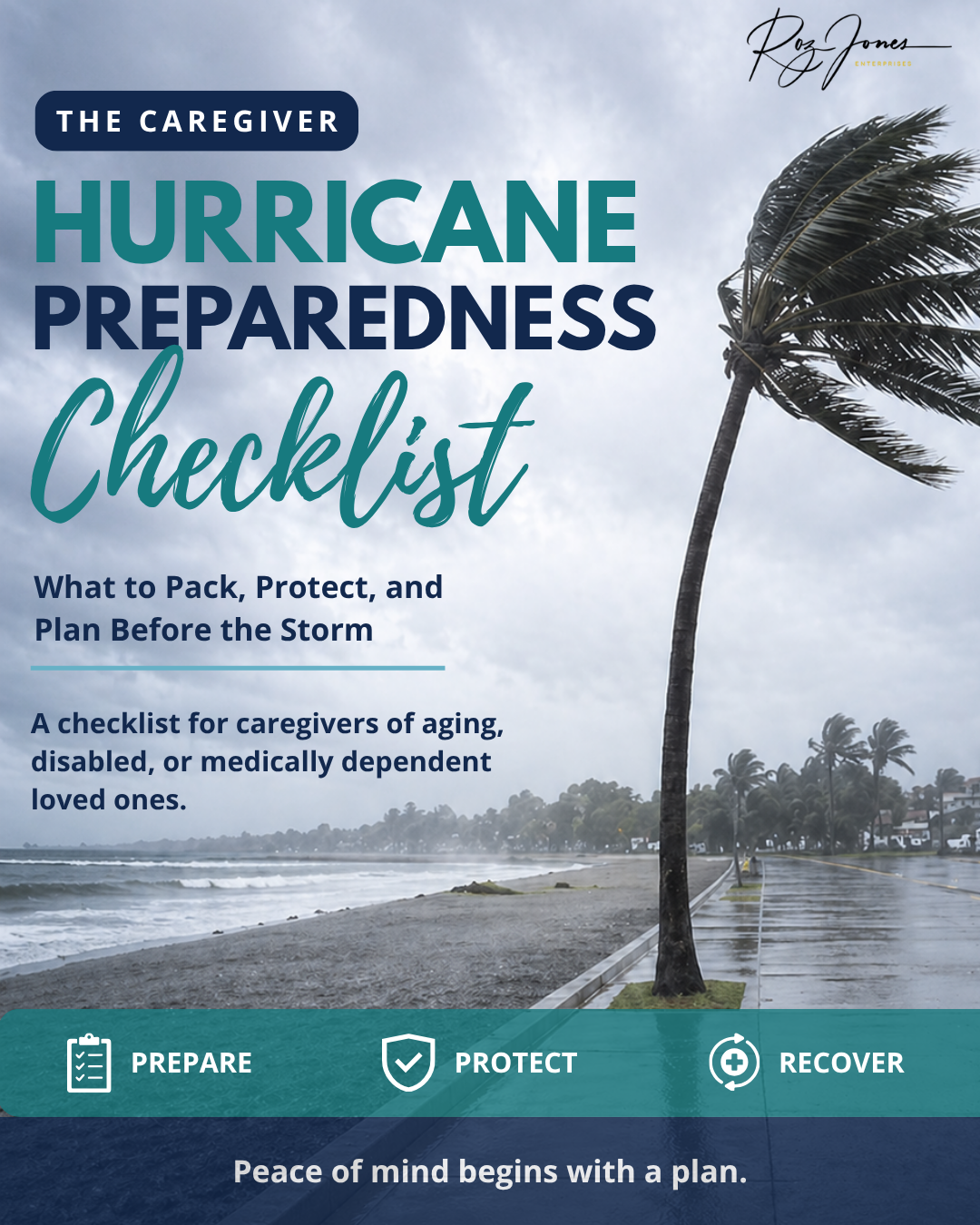
Are you preparing for hurricane season? Purchase the Caregiver Hurricane Preparedness Checklist to organize the information and supplies your family may need before severe weather arrives.
Subscribe to The Caregiver Cafe Weekly Newsletter!

1. YOU ARE NOT ALONE: The problems you face as a caregiver are experienced by other caregivers. Knowing that you’re not alone can be comforting.
2. Tools and Resources: Find caregiver stress management tools and gain perspective from other caregiver’s experiences.
3. LEARN TO: Ask for help, accept help when it is offered, and acknowledge yourself on this caregiving journey. Hear from experts on how to balance caregiving responsibilities by taking care of your needs and involving others to help manage the natural stress and isolation of being a caregiver.