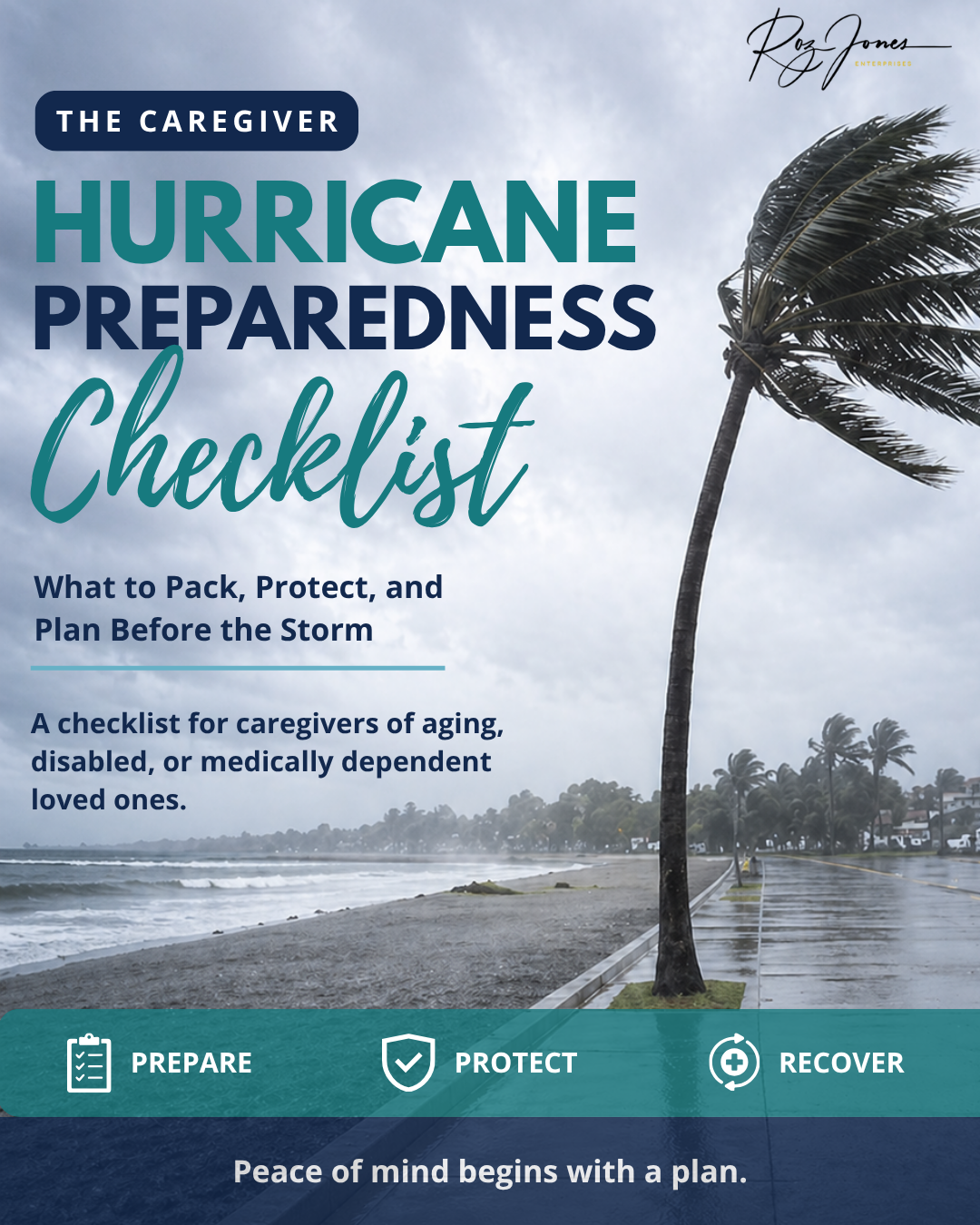
When Home Stops Working

By Roz Jones

If you have already read my earlier blog, How to Know When It’s Time to Move Your Parents or Aging Loved Ones, this conversation builds on that one. 

In that blog, we talked about some of the signs families often notice when an aging loved one may need more support. But this part of the caregiving journey deserves a deeper conversation, especially now, when more families are trying to balance safety, dignity, finances, independence, and emotional well-being all at once.

Because the truth is, deciding whether an aging loved one should stay at home, move in with family, or transition into a more supportive living environment is rarely a simple choice.

It is not just about whether they can stay where they are.
It is about whether their current environment is still helping them live well.

The Question Is Bigger Than a Move

When families ask, “Is it time?” what they are often really asking is:

  • Is home still safe?
  • Is my loved one still managing well day to day?
  • Are their needs growing beyond what we can reasonably support?
  • Are we waiting for a crisis to make a decision we already know is coming? 

Those questions matter.

In today’s caregiving landscape, many families are trying to honor an aging loved one’s desire for independence while also recognizing when more help is needed. That tension is real. Most people want to hold on to what feels familiar for as long as possible. Home carries memory, comfort, routine, and identity. So when that setting starts to become harder to manage, the decision is not only practical. It is deeply emotional too.

That is why this conversation cannot only be about moving. It has to be about support.

Notice What Has Changed

One of the clearest ways to tell whether a living situation still fits is to look closely at what has changed over time.

Maybe your aging loved one used to manage meals, medications, bills, and appointments with little difficulty, but now things are slipping. Maybe the refrigerator is empty more often. Maybe the laundry is piling up. Maybe they are forgetting medications, missing doctor visits, or struggling to keep up with personal care. Maybe the house itself feels less safe than it once did.

These are not small details. They are often the everyday signs that someone needs more help than they used to.

And sometimes the change is not dramatic. Sometimes it happens slowly enough that family members adjust to each new concern until one day they realize the situation is no longer sustainable.

Safety Matters, But So Does Quality of Life

Families often focus first on the obvious safety concerns: falls, wandering, forgetting the stove, difficulty getting in and out of the shower, trouble with stairs, or confusion around medications.

Those concerns matter. A lot.

But safety is only part of the picture.

Quality of life matters too.

If your aging loved one is spending most of their time alone, losing connection to the things they enjoy, withdrawing from others, or showing signs of loneliness, depression, or emotional distress, that matters just as much. A person can be technically “at home” and still not be truly supported there.

Sometimes the issue is not that they need a facility right away. Sometimes the issue is that they need more structure, more companionship, more oversight, or more daily assistance than they currently have.

That is why families should not only ask, “Are they okay enough to stay?”
They should also ask, “Are they truly being supported in a way that helps them live with dignity?”

Health Needs Can Shift the Whole Picture

As health needs become more complex, home can start to require more than occasional help.

Chronic illness, memory changes, repeat hospital visits, recovery after injury, mobility issues, or increasing difficulty with personal care can all shift what is realistic. What worked six months ago may not work now. What felt manageable last year may no longer be enough.

And this is often where families start to feel stretched thin.

You may be helping with transportation, handling appointments, checking medications, stepping in during emergencies, managing paperwork, and trying to keep your own life together too. At some point, love alone is not enough to carry the weight of increasing care needs without more support in place.

That does not mean anyone has failed. It means the situation has changed.

Caregiver Burnout Is a Sign Too

If you are constantly worried, losing sleep, overwhelmed, resentful, emotionally drained, or struggling to keep up with the demands of caregiving, that is not something to brush aside. Caregiver burnout is not a minor issue. It affects your health, your decision-making, your relationships, and your ability to keep showing up well.

Sometimes families wait until the aging loved one is clearly in crisis before they consider a change. But sometimes the warning sign is that the caregiver is already at a breaking point.

That matters too.

Needing more support does not mean you are abandoning your loved one. It may mean you are finally being honest about what this level of care requires.

A Move Is Not the Only Option

More support does not always mean an immediate move into a care facility.

Sometimes the next right step is bringing in home care. Sometimes it is making safety modifications in the home. Sometimes it is increasing family support, arranging adult day programs, hiring help with meals or housekeeping, or having more structured oversight around medications and appointments.

And sometimes, yes, it does mean that home is no longer the best setting.

The goal is not to rush past options. The goal is to be honest about what is and is not working.

A move should not be treated as the first solution to every challenge, but it also should not be avoided simply because it is painful to talk about. When families avoid the conversation completely, they often end up making major decisions in the middle of fear, guilt, or emergency. That is much harder on everyone.

Include Your Aging Loved One

If your loved one is able to participate in the conversation, include them.

Ask what feels hard. Ask what they are worried about. Ask what matters most to them. Ask what kind of support they would be open to receiving. Listen to what they value, even if the family ultimately has to make difficult adjustments.

Too often, conversations about care become conversations around the aging loved one instead of with them.

Dignity matters here.

Support should not feel like punishment.
Change should not erase someone’s voice.
And even when the answers are hard, respect should remain at the center.

Do Not Wait for the Worst-Case Scenario

If you are already noticing repeated safety issues, growing confusion, deeper isolation, physical decline, or unsustainable caregiving demands, take that seriously.

Do not wait for the fall.
Do not wait for the hospitalization.
Do not wait for total exhaustion.
Do not wait until everyone is operating from panic.

The earlier you begin the conversation, the more options you usually have.

Sometimes the best next step is not making a move immediately. Sometimes it is having the conversation now so the decision, if it comes, is made with clarity instead of crisis.

The goal is not simply to decide whether your aging loved one should move.

The real goal is to make sure they are living in an environment that supports their health, safety, emotional well-being, and dignity, while also being honest about what the family can realistically sustain.

That is a much fuller question. And it is often the right one. If this is a conversation your family is beginning to face, I also encourage you to go back and read my earlier blog, How to Know When It’s Time to Move Your Parents or Aging Loved Ones, where I first shared some of the signs that may point to the need for change. This blog is meant to build on that foundation and help you think more deeply about what support truly looks like in this season.

Schedule a Family Care Planning Session

Roz Jones is a dedicated caretaker turned CEO with over a decade of experience in helping families care for and make decisions for loved ones and their legacies.Roz is a compassionate, innovative healthcare industry leader.

And if you are feeling overwhelmed trying to figure out next steps, you do not have to sort through it alone. When you can’t do it all, give Roz a call. Book a Family Care Planning Session with Roz Jones to talk through your loved one’s needs, your family’s concerns, and the support options that make the most sense for your situation.

Purchase the Caregiving & Advance Health Directives Checklist!

Roz Jones Enterprises Caregiving & Advance Health Directives Checklist.

Help your aging loved one prepare important conversations and decisions before a crisis forces them. Sometimes having the right tools in front of you can make these conversations feel a little more manageable.

Subscribe to The Caregiver Cafe Weekly Newsletter!

Caregiving can be a roller coaster of ups and downs. The information that you will receive from The Caregiver Cafe Weekly Specials Newsletter will support you as a caregiver. Remember…

1. YOU ARE NOT ALONE: The problems you face as a caregiver are experienced by other caregivers. Knowing that you’re not alone can be comforting. 

2. Tools and Resources:  Find caregiver stress management tools and gain perspective from other caregiver’s experiences.

3. LEARN TO: Ask for help, accept help when it is offered, and acknowledge yourself on this caregiving journey. Hear from experts on how to balance caregiving responsibilities by taking care of your needs and involving others to help manage the natural stress and isolation of being a caregiver. 

Caregiving Beyond the Checklist

By Roz Jones

Caregiving Beyond the Checklist

By Roz Jones

Caregiving has never been just about completing tasks. If you’ve read my previous blog Caregiving is More Than a Checklist: A Breakdown, then you already know this. Even then, I wanted caregivers to know that medications, meals, and appointments were only one part of the picture. 

That is still true today. 

But in 2026, caregivers and caregivers of aging loved ones are carrying even more. What used to feel like “helping out” has, for many people, become care coordination, emotional support, medical advocacy, financial management, and daily decision-making all rolled into one.

Caregiving is still more than a checklist. In many cases, it is the role holding everything together.

The Visible Work Is Only Part of the Story

When people think about caregiving, they often think about the tasks they can see. Helping with bathing. Preparing meals. Managing medications. Driving to appointments. Assisting with dressing. Handling the day-to-day needs of an aging loved one.

Those things matter. But the visible work is only part of the story.

Caregiving also means keeping track of changes in behavior, mood, appetite, strength, and memory. It means noticing when something feels off before anyone else does. It means thinking ahead about safety, living arrangements, paperwork, and what support may be needed next.

That kind of care is not always seen, but it takes energy all the same.

Caregiving Comes With Emotional Weight

One of the hardest parts of caregiving is the emotional side of it. Caring for an aging loved one can bring love, closeness, frustration, fear, guilt, sadness, and exhaustion into the same day.

You may be trying to stay strong while quietly grieving the changes you are seeing. You may be doing your best to be patient while also feeling stretched thin. You may love the person you are caring for deeply and still feel overwhelmed by how much responsibility has landed on your shoulders.

That does not make you ungrateful. It makes you human.

Caregivers often carry emotions they do not always feel free to say out loud. That is why emotional support matters just as much as practical support.

Communication Is a Major Part of Caregiving

Caregiving also requires communication in ways people do not always talk about enough.

You may be the one speaking with doctors, asking questions during appointments, updating family members, handling difficult conversations, or advocating when your aging loved one’s needs are not being fully heard. You may also be trying to balance what your loved one wants with what is safest or most realistic.

That is not simple work.

Good communication can help reduce confusion, prevent mistakes, and make care feel more coordinated. But it also takes patience, confidence, and emotional energy, especially when family dynamics are complicated or medical decisions feel unclear.

Caregivers Often Become the Coordinator of Everything

Many caregivers of aging loved ones are doing far more than personal care. They are managing finances, insurance issues, prescriptions, appointment calendars, household needs, transportation, and legal or medical paperwork. They are following up, checking in, researching options, and trying to keep everyone informed.

That is why caregiving can feel like a full-time role, even when no one calls it that.

And for many caregivers, this is all happening while they are still managing jobs, children, relationships, and their own health needs too.

Asking for Help Is Part of the Journey

One thing that has not changed from the original blog is this: caregivers do not have to do this alone.

Acknowledging your limits is not weakness. It is wisdom.

Sometimes asking for help means bringing in additional support for your aging loved one. Sometimes it means asking a family member to take one concrete task off your plate. Sometimes it means reaching out for emotional support because the stress, grief, or pressure has become too much to hold by yourself.

Caregiving is a journey, and no one should have to walk it feeling unsupported.

Caregiving is still more than a checklist because caring for someone is never just about getting tasks done. It is about tending to physical needs, emotional needs, changing realities, family dynamics, and difficult decisions, often all at once.

If you are caring for an aging loved one right now, I want you to remember this: the work you do matters. The tasks matter. The emotional labor matters. The quiet advocacy matters. And your well-being matters too.

Schedule a Family Care Planning Session

Roz Jones is a dedicated caretaker turned CEO with over a decade of experience in helping families care for and make decisions for loved ones and their legacies.Roz is a compassionate, innovative healthcare industry leader.

If you need practical caregiver support, encouragement, and a space to talk through what this season is asking of you book a family care planning session at the link below. 

Purchase the Caregiving & Advance Health Directives Checklist!

Roz Jones Enterprises Caregiving & Advance Health Directives Checklist.

Now is the right time to start planning ahead, download the Advance Health Directive Checklist. It can help your aging loved one think through the treatments they want and do not want at the end of life, prepare for state-specific forms, and get ready for those important conversations with family members and doctors.

Subscribe to The Caregiver Cafe Weekly Newsletter!

Caregiving can be a roller coaster of ups and downs. The information that you will receive from The Caregiver Cafe Weekly Specials Newsletter will support you as a caregiver. Remember…

1. YOU ARE NOT ALONE: The problems you face as a caregiver are experienced by other caregivers. Knowing that you’re not alone can be comforting. 

2. Tools and Resources:  Find caregiver stress management tools and gain perspective from other caregiver’s experiences.

3. LEARN TO: Ask for help, accept help when it is offered, and acknowledge yourself on this caregiving journey. Hear from experts on how to balance caregiving responsibilities by taking care of your needs and involving others to help manage the natural stress and isolation of being a caregiver. 
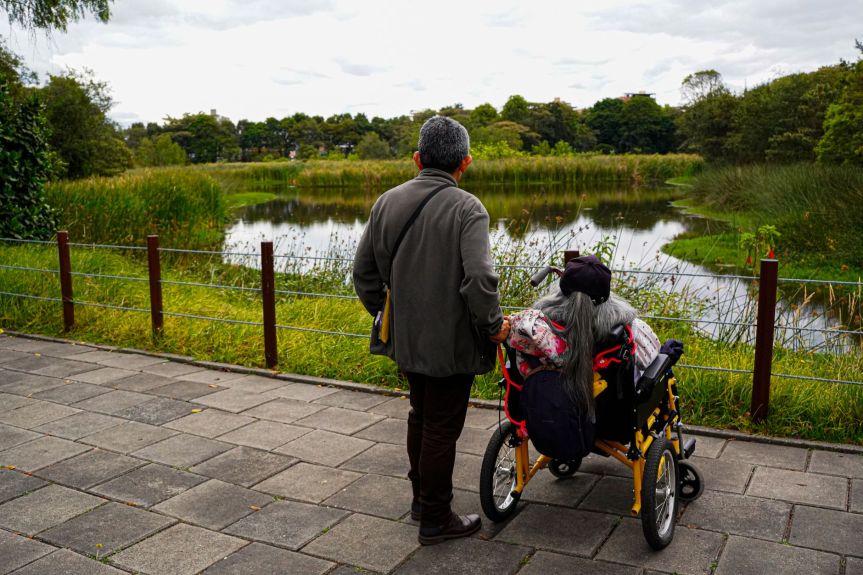
Transforming Your Stress Into Success – Part 2

By Roz Jones

If you’ve already read my earlier blog, Transforming Your Stress into Success,” then you know I believe stress does not have to run your life. But in 2026, I want to say this with more honesty and more care: when you are a Gen X caregiver supporting aging loved ones, stress is not always something you neatly “turn into success.” Sometimes it is something you learn to name, manage, and move through without losing yourself in the process. 

And that matters. 

Because for many Gen X caregivers, life right now feels like being pulled in five directions at once. You may be working full-time, helping your children or young adults, trying to stay on top of your own health, and also showing up for your aging loved one who needs more help than they used to. It may be rides to appointments, medication reminders, help with bills, emotional support, meals, home safety concerns, or simply being the one who gets the call when something goes wrong. 

Why the Stress Feels So Heavy

Caring for aging loved ones is more than helping here and there. It often means scheduling appointments, managing medications, checking on safety, helping with paperwork, offering emotional support, and being the person everyone calls when something goes wrong.

A lot of this work is invisible. People may see you handling things, but they do not always see the mental load behind it. The constant remembering. The worrying. The planning. The adjusting.

That kind of stress adds up.

Your Stress Makes Sense

One thing I want caregivers to hear clearly is this: your stress makes sense.

You are not weak because you feel overwhelmed. You are not failing because you are tired. You are responding to a season that asks a lot from you. When emotional, mental, physical, and financial responsibilities pile up at once, stress is a natural response.

Too many caregivers downplay what they do. But if you are the one making sure your aging loved one is okay, that matters. That is caregiving.

Name What is Draining You

It is easier to deal with stress when you know where it is coming from.

Sometimes it is the logistics. There is too much to manage.
Sometimes it is the emotional toll of watching someone you love change.
Sometimes it is family tension or lack of support.
Sometimes it is money.
Sometimes it is all of the above.

When you name the source, you can stop telling yourself to “just push through” and start responding in a way that actually helps.

Let Go of Perfect

Many Gen X caregivers are used to being the reliable one. The one who figures it out. The one who keeps going. But caregiving is not a role you can do well by ignoring your own limits.

You do not have to do everything.
You do not have to do it perfectly.
You do not have to prove your love by wearing yourself down.

The goal is not perfection. The goal is sustainability.

Make Self-Care Realistic

Self-care for caregivers is not always pretty or peaceful. Sometimes it looks like making your own doctor’s appointment. Sometimes it is sitting quietly in your car for ten minutes before walking into the next responsibility. Sometimes it is asking for help. Sometimes it is saying no.

What matters is finding small ways to care for yourself before burnout becomes your normal.

Redefine What Success Looks Like

Success in this season may not mean being more productive. It may mean being more supported.

Success may look like asking a sibling to take one task.
Success may look like creating a simpler routine.
Success may look like setting a boundary without guilt.
Success may look like admitting your aging loved one needs more care than you can provide alone.
Success may look like protecting your peace while still showing up with love.

Schedule a Family Care Planning Session

Roz Jones is a dedicated caretaker turned CEO with over a decade of experience in helping families care for and make decisions for loved ones and their legacies.Roz is a compassionate, innovative healthcare industry leader.

If you are feeling overwhelmed by the weight of caring for an aging loved one, you do not have to sort through it alone. Sometimes what helps most is having a space to talk through what is happening, get clear on your next steps, and find support that feels practical and personal. 

Book a Family Care Planning session with me at the link below if you need guidance, encouragement, and real-world caregiver support for the season you are in now.

Purchase the Caregiving & Advance Health Directives Checklist!

Roz Jones Enterprises Caregiving & Advance Health Directives Checklist.

Now is the time to start preparing for important care decisions which is the perfect time for you to grab the Caregiving and advance Health Directives Checklist. 

When creating an advance directive, it’s important to identify the treatments your aging loved one wants and doesn’t want at the end of life. To begin that process, you will need to complete state-specific forms. This worksheet can help prepare you for those decisions and for the conversations you may need to have with family and doctors.

Subscribe to The Caregiver Cafe Weekly Newsletter!

Caregiving can be a roller coaster of ups and downs. The information that you will receive from The Caregiver Cafe Weekly Specials Newsletter will support you as a caregiver. Remember…

1. YOU ARE NOT ALONE: The problems you face as a caregiver are experienced by other caregivers. Knowing that you’re not alone can be comforting. 

2. Tools and Resources:  Find caregiver stress management tools and gain perspective from other caregiver’s experiences.

3. LEARN TO: Ask for help, accept help when it is offered, and acknowledge yourself on this caregiving journey. Hear from experts on how to balance caregiving responsibilities by taking care of your needs and involving others to help manage the natural stress and isolation of being a caregiver. 

What It Means When Aging Loved Ones Are Working Longer

By Roz Jones

In my previous blog, I talked about what it really takes to support aging loved ones at home. But for many families, there is another layer to this conversation that deserves just as much attention: a growing number of aging loved ones are not only aging at home, they are also still working. 

That reality can surprise families who assume work ends neatly at retirement age. It often does not. Some older adults are working because they want structure, connection, and purpose. Others are working because they need income, have been affected by rising costs, or are simply not in a position to stop yet.

More Aging Loved Ones Are Working Longer

For many families, this shift changes the caregiving conversation.

When an aging loved one is still in the workforce, families may need to think about more than healthcare, meals, and transportation. They may also need to think about energy levels, stress, stamina, job demands, workplace expectations, and whether continuing to work is helping or hurting overall well-being.

Aging today does not always look like slowing down completely. For many aging adults, it looks like balancing work, health, independence, and financial reality all at once.

Why Work Can Still Matter Deeply

One of the biggest benefits of aging loved ones remaining in the workforce is that they bring experience that cannot be rushed.

They often carry wisdom, perspective, people skills, and practical knowledge built over decades. They may offer calm in high-pressure situations, strong judgment, and a level of resilience that only comes with lived experience.

And for some aging loved ones, work is about more than a paycheck.

Work can offer:

  • routine
  • community
  • purpose
  • confidence
  • a sense of contribution
  • connection outside the home

For someone navigating changes in other parts of life, work may still be one place where they feel capable, useful, and seen.

The Challenges Families Cannot Ignore

At the same time, working longer is not always easy.

An aging loved one may be managing pain, fatigue, mobility changes, grief, stress, changing memory, or the pressure to keep up in a workplace that moves fast. Some may also be dealing with caregiving responsibilities of their own, which adds another layer of strain.

And then there is ageism.

Some older adults are not only trying to do their jobs well. They are also trying to prove they still belong there. That can show up in subtle dismissiveness, missed opportunities, assumptions about technology, or being viewed as less adaptable simply because of age.

That kind of pressure wears people down.

When Work Supports Well-Being and When It Does Not

This is where families have to stay thoughtful.

Not every aging loved one who is still working feels the same about it.

Some truly want to keep working and feel energized by it.
Some are continuing because they need the income.
Some are doing it because they are not emotionally ready to step away.
Some may be quietly exhausted and unsure how to make a change.

That is why it helps to ask honest questions instead of making assumptions.

Is work still giving them purpose, or mostly stress?
Are they working because they want to, or because they feel forced to?
Do they feel respected where they are, or dismissed?
Are they able to keep up safely and sustainably?

Those questions open the door to a more honest conversation.

Dignity Still Matters in This Season Too

Families can sometimes rush to say, “They should just retire,” without fully understanding what work means to that person.

For some aging loved ones, work is tied to identity.
For others, it is tied to independence.
For others, it is tied to financial survival.

Stepping away from work is not always just about leaving a job. Sometimes it feels like losing routine, losing structure, losing community, or losing part of how they see themselves.

That is why these conversations need care.

Support should not sound like control.
Concern should not sound like dismissal.
And aging loved ones should still feel included in decisions about their own lives.

What Families Can Do Next

If you are supporting an aging loved one who is still working, start with curiosity.

Ask what work feels like for them right now.
Ask what is becoming harder.
Ask what support would help.
Ask whether they feel fulfilled, pressured, or both.

Then look at the bigger picture.

Think about:

  • health and stamina
  • work environment
  • transportation
  • financial needs
  • stress levels
  • future planning
  • what changes may be needed soon

The goal is not to push them out of work before they are ready.

The goal is to understand whether this season is still working for them in a healthy and realistic way.

This Is Part of Modern Caregiving Too

Aging in the workforce is no longer unusual. It is part of the reality many families are navigating now.

And just like aging in place, it works best when families move beyond assumptions and take time to understand what support, respect, and planning are truly needed.

Schedule a Family Care Planning Session

Roz Jones is a dedicated caretaker turned CEO with over a decade of experience in helping families care for and make decisions for loved ones and their legacies.Roz is a compassionate, innovative healthcare industry leader.

If your family is trying to figure out how to support an aging loved one who is balancing work, independence, and changing needs, you do not have to sort through that alone. Book a Family Care Planning Session at the link below.

Purchase the Caregiving & Advance Health Directives Checklist!

Roz Jones Enterprises Caregiving & Advance Health Directives Checklist.

When creating an Advance Directive with your aging loved one, it’s important for them to identify the treatments they want and don’t want when it comes to hospice or end-of-life care. In order to begin this process, you will need to complete state-specific forms. This checklist can prepare you for those decisions you’re going to make on those forms, and for conversations you need to have with family and doctors.

Subscribe to The Caregiver Cafe Weekly Newsletter!

Caregiving can be a roller coaster of ups and downs. The information that you will receive from The Caregiver Cafe Weekly Specials Newsletter will support you as a caregiver. Remember…

1. YOU ARE NOT ALONE: The problems you face as a caregiver are experienced by other caregivers. Knowing that you’re not alone can be comforting. 

2. Tools and Resources:  Find caregiver stress management tools and gain perspective from other caregiver’s experiences.

3. LEARN TO: Ask for help, accept help when it is offered, and acknowledge yourself on this caregiving journey. Hear from experts on how to balance caregiving responsibilities by taking care of your needs and involving others to help manage the natural stress and isolation of being a caregiver. 

Aging in Place: What Families Need to Know Before Saying “We’ll Make It Work”

By Roz Jones

In my previous blog, Gen X Is Caring for Everyone: The Real Weight of Supporting Aging Loved Ones Right Now, I talked about the emotional and practical weight many caregivers are carrying right now. One that reality is named, the next question often comes quickly: Can my loved one stay at home, and what will it really take to make that work well?

That is where the conversation around aging in place begins. 

For many older adults, staying in their own home feels deeply important. Home is familiar. Home feels personal. Home can represent comfort, routine, independence, and dignity. It is no surprise that many aging loved ones want to remain there as long as possible. 

And for families, that desire can feel easy to agree with at first. 

Of course we want to support what feels most comfortable.
Of course we want to honor what matters to them.
Of course we want to believe we can make it work.

But before families make that promise, there are a few things worth slowing down to think through.

Wanting To Stay Home and Being Able To Stay Home Are Not Always the Same

This is one of the most important truths in caregiving.

Wanting to age in place is understandable. But making it work safely and sustainably is a different conversation.

Aging in place is not just about where someone sleeps at night. It is about whether daily life in that home is still manageable. It is about whether support needs are being met consistently. It is about whether the home is helping your loved one live with dignity or quietly becoming harder to navigate.

That is why families have to look beyond the wish and pay attention to the reality.

Start With the Day-to-Day, Not the Big Promise

Before saying, “We’ll make it work,” it helps to look closely at what everyday life actually requires right now.

Can your loved one safely move through the house?
Are they keeping up with meals?
Are medications being taken correctly?
Is bathing or dressing getting harder?
Are memory changes affecting routines?
Can they respond if something goes wrong?
Is someone available to help if their needs increase?

These are not worst-case-scenario questions. These are the questions that help families build a realistic plan instead of relying on hope alone.

The Home Has To Support the Goal

Sometimes families focus so much on keeping a loved one at home that they forget to ask whether the home is still working for them.

Aging in place may require:

  • better lighting
  • grab bars in bathrooms
  • fewer tripping hazards
  • stair support
  • simpler layouts
  • medication organization
  • emergency plans
  • outside help coming into the home

The goal is not just to keep someone in the same space. The goal is to make that space safer and more supportive as their needs change.

Sometimes small changes are enough.
Sometimes bigger changes are needed.

What matters is being honest early.

Support Still Counts Even When Someone Stays Home

One of the biggest misunderstandings about aging in place is the idea that staying home means someone is fully independent and does not need much help.

That is often not true.

In many families, aging in place only works because support is built around the older adult in a consistent way. That support might come from adult children, friends, neighbors, home care aides, transportation services, housekeeping help, meal support, or medical professionals.

Staying at home can still require a lot of care.

The question is not whether help is needed. The question is whether the right help is actually in place.

Families Have To Be Honest About Capacity

This is where a lot of families get stuck.

A loved one may want to remain at home.
You may genuinely want to make that possible.
But the family also has to tell the truth about what everyone can realistically carry.

Who is taking them to appointments?
Who is helping with groceries?
Who is managing medications?
Who is checking in regularly?
Who responds in an emergency?
Who is already doing too much?

These questions matter because aging in place often works best when support is shared, realistic, and sustainable, not built on one exhausted person trying to hold everything together.

The Goal Is Not Just Staying Home. It Is Living Well

This is the part I always want families to remember.

Remaining at home is not the only measure of success.

The real goal is helping your loved one stay as safe, supported, respected, and connected as possible. Sometimes that does mean aging in place with the right systems in place. Sometimes it means recognizing that more support is needed than the family can provide alone.

Either way, that decision should be rooted in honesty, not guilt.

A Thoughtful Plan Protects Everyone

Aging in place can absolutely be a meaningful and beautiful option.

But it works best when families think beyond the first emotional response and take time to plan carefully. That means looking at safety, support, caregiver capacity, daily routines, and what happens if needs grow.

Saying “we’ll make it work” feels loving.

But building a plan that truly supports your loved one and the people caring for them? That is what makes it sustainable.

Schedule a Family Care Planning Session

Roz Jones is a dedicated caretaker turned CEO with over a decade of experience in helping families care for and make decisions for loved ones and their legacies.Roz is a compassionate, innovative healthcare industry leader.

If your family is trying to figure out whether aging in place is the right next step, or what kind of support would make it more realistic, book a session with me at the link below.

Purchase the Caregiving & Advance Health Directives Checklist!

Roz Jones Enterprises Caregiving & Advance Health Directives Checklist.

When creating an Advance Directive with your aging loved one, it’s important for them to identify the treatments they want and don’t want when it comes to hospice or end-of-life care. In order to begin this process, you will need to complete state-specific forms. This checklist can prepare you for those decisions you’re going to make on those forms, and for conversations you need to have with family and doctors.

Subscribe to The Caregiver Cafe Weekly Newsletter!

Caregiving can be a roller coaster of ups and downs. The information that you will receive from The Caregiver Cafe Weekly Specials Newsletter will support you as a caregiver. Remember…

1. YOU ARE NOT ALONE: The problems you face as a caregiver are experienced by other caregivers. Knowing that you’re not alone can be comforting. 

2. Tools and Resources:  Find caregiver stress management tools and gain perspective from other caregiver’s experiences.

3. LEARN TO: Ask for help, accept help when it is offered, and acknowledge yourself on this caregiving journey. Hear from experts on how to balance caregiving responsibilities by taking care of your needs and involving others to help manage the natural stress and isolation of being a caregiver.