
Beyond the Brave Face: Emotional Wellness for Male Caregivers

By Roz Jones

Male caregivers often carry responsibilities that are not always visible to others.

The work may begin early in the morning with medication reminders, meal preparation, transportation, or checking in on a loved one before the rest of the day begins. It may continue through doctor’s appointments, household tasks, financial concerns, family updates, and the constant need to remain alert to changes in health, mood, or behavior.

Much of this work is done quietly.

Many male caregivers become the steady presence in the family. They are expected to manage, respond, decide, and continue forward. Their strength is often praised, but the emotional weight behind that strength is not always acknowledged.

Caregiving affects more than the daily schedule. It affects the heart, the mind, the body, and the relationships surrounding the caregiver. For male caregivers, emotional wellness must become part of the care plan because the quality of care is connected to the well-being of the person providing it.

The Emotional Side of Caregiving

Caregiving brings responsibility, but it also brings emotion.

A male caregiver may be caring for a parent whose needs are increasing, a spouse whose health is changing, a sibling who requires support, or another aging loved one who can no longer manage life in the same way. These changes can bring grief, worry, frustration, sadness, fear, and exhaustion.

In many families, male caregivers are expected to stay calm and composed. They may have been taught to handle problems privately, avoid emotional expression, and keep going without complaint. As a result, the emotional impact of caregiving may remain unnamed.

Unspoken stress can still affect the caregiver.

It may appear as irritability, fatigue, sleeplessness, withdrawal, impatience, or difficulty concentrating. It may also affect communication with family members, healthcare providers, and the loved one receiving care. These signs do not mean the caregiver is failing. They often indicate that the caregiver needs support, rest, and healthier ways to process what is being carried.

When Responsibility Becomes Isolation

Isolation is one of the quiet challenges many caregivers face.

For male caregivers, isolation may not always look like being physically alone. It may look like being surrounded by family but still feeling like the only one who truly understands the care needs. It may look like answering questions about the loved one’s condition while no one asks how the caregiver is managing. It may look like keeping difficult emotions private because there is no safe place to put them.

Over time, this isolation can make caregiving feel heavier than it already is.

Family members may assume that everything is under control because the caregiver continues to function. Friends may admire the caregiver’s dedication without realizing how much support is needed. The caregiver may begin to pull back from conversations, social activities, or personal routines because care has taken up more and more space.

Isolation can weaken both the caregiver and the care plan.

A caregiver who feels emotionally alone may struggle to ask for help, make clear decisions, or recognize when burnout is approaching. This is why emotional wellness is not separate from caregiving. It is part of the foundation that allows care to remain steady and sustainable.

Why Emotional Wellness Matters

Emotional wellness helps caregivers recognize what they are feeling and respond to those feelings in healthy ways. It does not remove the challenges of caregiving, but it gives the caregiver tools to manage the pressure with more clarity and support.

For male caregivers, emotional wellness can strengthen communication, improve relationships, and reduce the risk of carrying stress in silence. It can make it easier to identify when help is needed, when rest is necessary, and when a family conversation must happen.

A caregiver who is emotionally supported is better able to remain patient during difficult moments. He is better prepared to manage unexpected changes. He is more likely to seek resources before a crisis develops. He is also more able to care from a place of steadiness instead of constant depletion.

The caregiver’s emotional health matters because the caregiver matters.

Caregiving should not require a man to disappear behind responsibility. It should not require him to ignore his own stress in order to prove commitment. Emotional wellness allows male caregivers to remain connected to themselves while caring for someone else.

Healthy Relationships Support Better Care

Strong caregiving relationships require communication, honesty, and shared responsibility.

When the emotional burden rests on one person, resentment can build. Misunderstandings can grow. Family members may not realize how much is being handled behind the scenes. The caregiver may feel frustrated that others are not helping, while others may not know what kind of help is needed.

Healthy relationships create space for the care plan to be shared more clearly.

This may include assigning specific responsibilities, updating family members regularly, identifying backup support, or asking others to assist with transportation, meals, errands, paperwork, or respite. It may also include emotional check-ins that focus on the caregiver, not only the loved one receiving care.

For male caregivers, these relationships can provide important relief. They offer a reminder that caregiving does not have to be carried alone. They also help protect the caregiver from becoming the only person who understands the needs, routines, and decisions connected to care.

Supportive relationships do more than provide help. They help prevent isolation.

Healthy Coping Is Not Optional

Caregiving stress needs somewhere to go.

Without healthy coping strategies, stress can begin to settle into the body and mind. It may affect sleep, appetite, mood, focus, energy, and overall health. Male caregivers may be especially likely to minimize these effects if they have been taught to push through discomfort rather than address it.

Healthy coping creates room for release.

This may include walking, exercise, prayer, journaling, therapy, time outdoors, music, support groups, or quiet moments of reflection. It may also include practical routines such as scheduling respite care, attending personal medical appointments, or setting aside time each week for rest.

Coping is not about avoiding the reality of caregiving. It is about helping the caregiver remain well enough to continue.

Rest, reflection, and support are not signs of weakness. They are tools that help caregivers preserve their strength.

Professional Support Has a Place

There are times when family and friends may not be enough.

Professional support can help caregivers process the emotional and practical demands of care. A therapist or counselor can provide space to work through grief, stress, frustration, and burnout. A care manager may help families understand options and organize next steps. Respite care providers can allow caregivers to step away for rest or personal needs without leaving their loved one unsupported.

Community organizations, caregiver programs, senior centers, faith communities, and healthcare teams may also provide education, referrals, and resources.

Seeking professional support does not mean the caregiver has failed. It means the caregiver understands that sustainable care requires more than endurance.

Building Support Before Crisis

Caregiving becomes more difficult when support is only discussed after something has gone wrong.

Families benefit from building support before a crisis occurs. This includes knowing who can help, what resources are available, where important information is stored, and what the caregiver needs in order to continue safely and well.

This is especially important for male caregivers who may have been carrying responsibilities privately. When care details live only in one person’s head, the entire family becomes vulnerable during emergencies. A shared plan helps reduce confusion and allows others to step in with greater confidence.

In a previous blog, Igniting vs. Isolation: The Impact of Emotional Well-Being on Men, we discussed the importance of building a caregiver circle and creating relationships that can help carry the weight of care. This blog continues that message by focusing on the emotional wellness of male caregivers and the need for support that reaches beyond tasks.

Male Caregivers Need Care Too

Male caregivers are often recognized for their dependability, loyalty, and strength. Those qualities matter, but they should not become a reason to overlook their emotional needs.

The man who provides care may also be grieving.
He may be exhausted.
He may be overwhelmed.
He may need rest, guidance, encouragement, and support.
He may need someone to notice the weight behind the brave face.

Caregiving is an act of love, but love should not require emotional isolation.

When male caregivers are supported, families become stronger. Care plans become healthier. Communication improves. Emergencies become less chaotic. The caregiver is better able to continue without losing himself in the process.

Emotional wellness is not separate from caregiving.

It is one of the ways caregivers are sustained for the journey ahead.

Tune in to The Caregiver Café Podcast
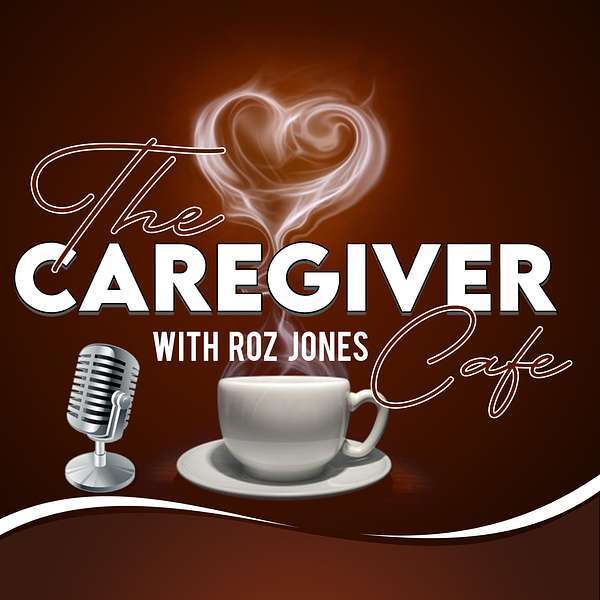
In the first episode of The Caregiver Café with Roz Jones, Roz welcomes listeners into a space created to serve those caring for sick, aging, or vulnerable loved ones.

Roz shares the personal story that started her caregiving journey and how one unexpected hospital visit showed her just how quickly life can change. Through her experience, she reminds families of the importance of having documentation in order, including advance directives, healthcare surrogates, and backup support before a crisis happens.

This episode is a warm introduction to Roz, her heart for caregivers, and the purpose of The Caregiver Café: to provide resources, encouragement, and practical support that helps reduce stress, overwhelm, and safety concerns along the caregiving journey.

Pull up a chair. Roz has a seat waiting for you.

Give Yourself a Moment of Grace

If you need encouragement for the emotional side of caregiving, purchase Roz Jones’ book, Moments of Grace. This book offers support, reflection, and reminders of grace for the caregiver who is carrying a lot.

This journal was created to help caregivers pause, breathe, reflect, and find strength in the middle of the caregiving journey.

Purchase Moments of Grace today and give yourself permission to breathe in the middle of the caregiving journey.

Prepare Before the Emergency Comes
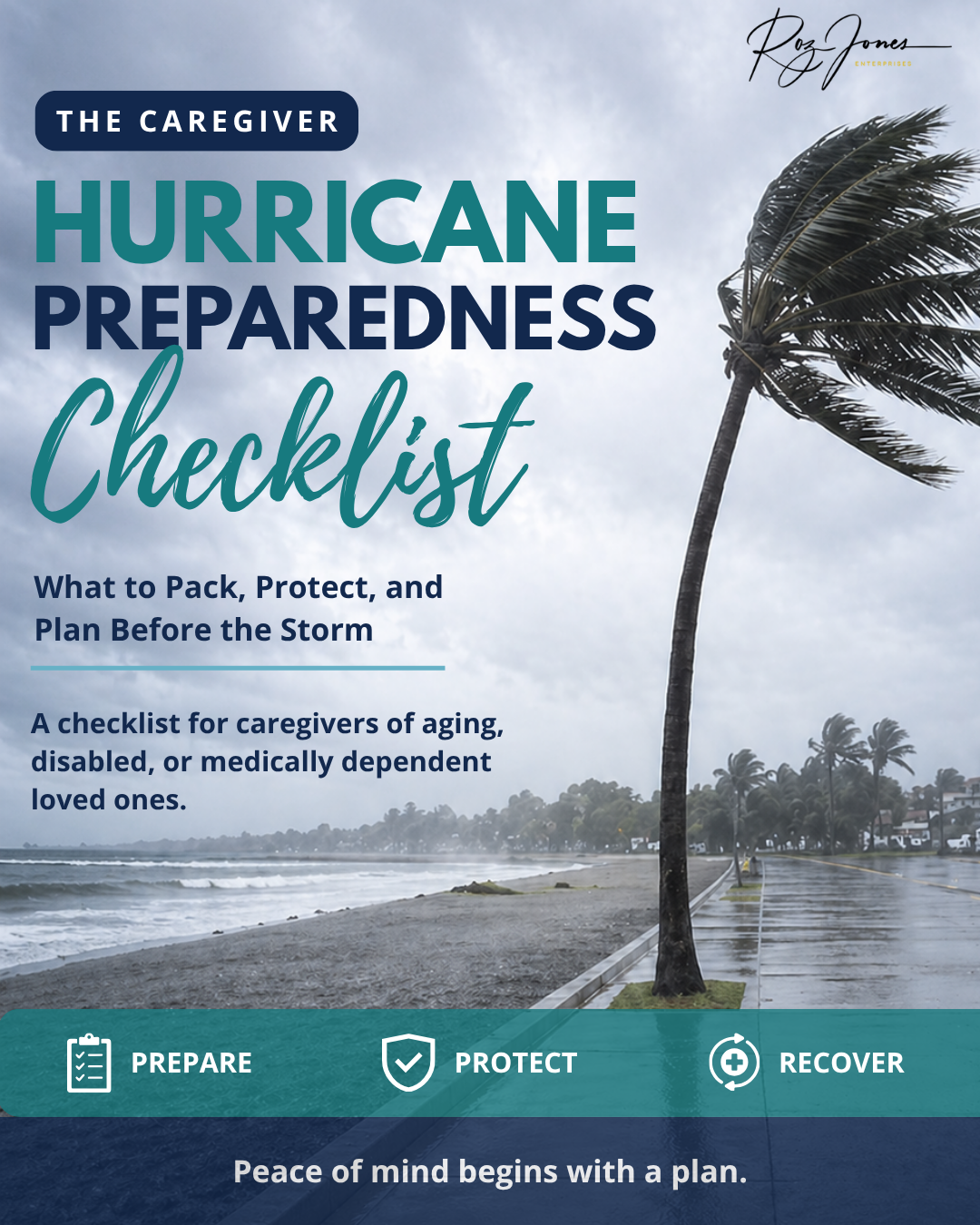
The Caregiver Hurricane Preparedness Checklist.

If you are caring for a loved one and want to be better prepared for storms, power outages, and unexpected caregiving emergencies, purchase the Caregiver Hurricane Preparedness Checklist. This resource can help you think through important details before a crisis is already at the door.

For only $1.99, this checklist gives you a simple starting point so you are not trying to gather everything during a storm, power outage, hospitalization, or sudden change in your loved one’s care.

Purchase the Caregiver Hurricane Preparedness Checklist for $1.99 today and take one more step toward peace of mind.

Need Help Sorting Through the Care Plan?

Roz Jones is a dedicated caretaker turned CEO with over a decade of experience in helping families care for and make decisions for loved ones and their legacies.Roz is a compassionate, innovative healthcare industry leader.

If your family needs help thinking through care decisions, caregiving responsibilities, or next steps, book a session with Roz Jones. You do not have to navigate this season alone.

Together, we can talk through what is working, what is becoming too heavy, and what boundaries need to be strengthened so you can continue to care without losing yourself in the process.

Subscribe to The Caregiver Cafe Weekly Newsletter!

Caregiving can be a roller coaster of ups and downs. The information that you will receive from The Caregiver Cafe Weekly Specials Newsletter will support you as a caregiver. Remember…

1. YOU ARE NOT ALONE: The problems you face as a caregiver are experienced by other caregivers. Knowing that you’re not alone can be comforting. 

2. Tools and Resources:  Find caregiver stress management tools and gain perspective from other caregiver’s experiences.

3. LEARN TO: Ask for help, accept help when it is offered, and acknowledge yourself on this caregiving journey. Hear from experts on how to balance caregiving responsibilities by taking care of your needs and involving others to help manage the natural stress and isolation of being a caregiver. 

The Caregiver Circle: Why Strong Support Makes Stronger Care

By Roz Jones

Caregiving is not only about what one person can carry.

It is about what happens when the right people, resources, and plans are placed around the caregiver before the weight becomes too heavy. Many caregivers step into the role with love, loyalty, and a deep sense of responsibility. They manage appointments, medications, meals, transportation, household needs, emotional changes, and family updates. They learn how to adjust quickly, respond calmly, and keep going even when their own bodies and minds are tired.

But caregiving was never meant to be a one-person assignment.

When one caregiver becomes the only person who knows the routine, understands the care needs, manages the emergencies, and holds the family plan together, the care system becomes fragile. It may appear steady from the outside, but inside, the caregiver may be exhausted, isolated, and silently overwhelmed.

That is why building a caregiver circle matters.

A strong caregiver circle is not just a list of people who care. It is a support system that understands what is needed and knows how to respond. It includes family, friends, neighbors, community resources, healthcare professionals, respite care, support groups, and spiritual or emotional support. It gives the caregiver room to breathe while making sure the loved one continues to receive steady care.

Support Is Part of the Care Plan

Many caregivers are used to doing what needs to be done without asking for much in return. They may believe that asking for help means they are not strong enough. They may feel guilty for needing rest. They may hesitate to share the full picture because they do not want to worry anyone else.

But support is not a sign of weakness.

Support is part of a healthy care plan.

A caregiver who has support is better positioned to make thoughtful decisions, respond to emergencies, and remain emotionally present for the loved one receiving care. Without support, even the most committed caregiver can become worn down by the constant pressure of being needed.

Caregiving requires strength, but it also requires connection. It requires someone to step in when the caregiver needs rest. It requires someone to listen when the caregiver needs to talk. It requires someone to help organize information, prepare for emergencies, and share responsibility when the needs become too much for one person to carry alone.

The Danger of Carrying the Plan Alone

One of the hardest parts of caregiving is that much of the work is invisible.

Others may see the doctor’s appointment, but they may not see the hours spent scheduling it, preparing questions, gathering medications, arranging transportation, and explaining everything afterward. Others may see the meal on the table, but they may not see the planning, shopping, dietary changes, and worry behind it. Others may know that care is being provided, but they may not understand how much mental and emotional energy it takes to keep everything moving.

When the care plan lives mostly in one person’s head, the caregiver becomes the calendar, the emergency contact, the medication tracker, the decision-maker, and the family update system.

That is too much for one person.

A strong caregiver circle helps move the plan out of one person’s head and into a shared structure. It allows others to understand what is happening, what needs attention, and where they can help. It also protects the caregiver from becoming the only person everyone depends on during a crisis.

Building Relationships That Can Hold Care

Caregiving relationships need more than concern. They need communication, clarity, and consistency.

Some family members may want to help but may not know what to do. Others may assume the primary caregiver has everything handled because they have not been told otherwise. Sometimes the caregiver is frustrated that no one is stepping in, while family members are waiting to be asked.

This is where clear communication becomes important.

Instead of only saying, “I need help,” caregivers benefit from naming specific needs. A relative may be able to take over transportation once a week. A neighbor may be willing to check in after a storm. A friend may be able to sit with a loved one while the caregiver runs errands. A family member who lives far away may be able to manage phone calls, paperwork, research, or appointment reminders.

Help becomes easier when people understand what kind of help is needed.

Building relationships that can hold care also means telling the truth before resentment builds. Caregivers do not have to wait until they are angry, exhausted, or at a breaking point before having family conversations. Support works best when it is built early, not after the crisis has already arrived.

The Value of Other Caregivers

There is a different kind of comfort that comes from connecting with someone who understands caregiving from the inside.

Other caregivers know what it feels like to be tired and still show up. They understand the emotional weight of making decisions for someone else. They know how hard it can be to balance love, frustration, fear, and responsibility. They understand why rest can feel difficult, even when it is necessary.

Caregiver support groups, online communities, local organizations, and faith-based groups can offer a place to speak honestly without having to explain every detail. These spaces can provide practical ideas, emotional encouragement, and reminders that the caregiver is not alone.

For male caregivers especially, support spaces can be important because caregiving conversations often overlook their experiences. Many men are caring for spouses, parents, siblings, relatives, and loved ones while also carrying expectations to stay strong, quiet, and in control. A support network gives male caregivers permission to be honest about the weight they are carrying and the help they need.

Professional Support Has a Place

Family support is important, but there are times when professional support is needed too.

A therapist or counselor can help caregivers process stress, grief, anger, guilt, and burnout. A care manager can help organize next steps and connect the family with resources. A respite care provider can give the caregiver time away without leaving the loved one unsupported. Community agencies, senior centers, caregiver organizations, and healthcare teams can also provide education, referrals, and practical guidance.

Seeking professional support does not mean the caregiver has failed.

It means the caregiver understands that this journey requires more than endurance. It requires tools. It requires planning. It requires spaces where the caregiver’s well-being is also considered.

Respite Is Not Abandonment

Many caregivers struggle with taking breaks because they feel responsible for being available all the time. But constant availability is not the same as healthy caregiving.

Respite care gives caregivers time to rest, handle personal needs, attend appointments, sleep, work, worship, exercise, or simply sit quietly without being on alert. These breaks are not selfish. They are necessary.

A caregiver who never has time to recover is at greater risk for burnout, frustration, and health challenges. Rest helps protect the caregiver’s ability to continue providing care with patience, steadiness, and compassion.

Caregivers must be reminded that stepping away for a short time does not mean they have stepped away from love. It means they are making room to continue.

Preparation Strengthens the Circle

Support should not begin at the moment of emergency.

Every caregiver circle needs a plan. That plan should include who to call, where important documents are kept, what medications are being taken, what routines matter, what signs require urgent attention, and what should happen during severe weather, power outages, or sudden health changes.

Preparation helps reduce panic. It allows family members and support people to respond with more confidence. It also keeps the primary caregiver from having to explain everything in the middle of a crisis.

In the previous blog, Are You Blocking or Building Strong Relationships as a Caregiver? we talked about the importance of having the right conversations before the caregiver becomes overwhelmed and before crisis makes every decision harder. This conversation continues that message by reminding families that support must be built before it is urgently needed.

Caregiving Needs Community

Caregiving is an act of love, but love still needs structure.

Love needs a plan.
Love needs communication.
Love needs backup.
Love needs rest.
Love needs people who are willing to show up with more than concern.

The caregiver circle does not have to be large to be meaningful. It simply needs to be honest, dependable, and willing to share the weight of care. One person helping with transportation, one person helping with meals, one person helping with paperwork, one person offering respite, and one person checking in emotionally can make a real difference.

Caregivers should not have to disappear inside the role in order to prove their love.

They deserve support.
They deserve rest.
They deserve preparation.
They deserve community.

Strong care is not built by one person carrying everything alone. Strong care is built when the caregiver is surrounded, supported, and strengthened for the journey ahead.

Tune in to The Caregiver Café Podcast

In the first episode of The Caregiver Café with Roz Jones, Roz welcomes listeners into a space created to serve those caring for sick, aging, or vulnerable loved ones.

Roz shares the personal story that started her caregiving journey and how one unexpected hospital visit showed her just how quickly life can change. Through her experience, she reminds families of the importance of having documentation in order, including advance directives, healthcare surrogates, and backup support before a crisis happens.

This episode is a warm introduction to Roz, her heart for caregivers, and the purpose of The Caregiver Café: to provide resources, encouragement, and practical support that helps reduce stress, overwhelm, and safety concerns along the caregiving journey.

Pull up a chair. Roz has a seat waiting for you.

Give Yourself a Moment of Grace

If you need encouragement for the emotional side of caregiving, purchase Roz Jones’ book, Moments of Grace. This book offers support, reflection, and reminders of grace for the caregiver who is carrying a lot.

This journal was created to help caregivers pause, breathe, reflect, and find strength in the middle of the caregiving journey.

Purchase Moments of Grace today and give yourself permission to breathe in the middle of the caregiving journey.

Prepare Before the Emergency Comes

The Caregiver Hurricane Preparedness Checklist.

If you are caring for a loved one and want to be better prepared for storms, power outages, and unexpected caregiving emergencies, purchase the Caregiver Hurricane Preparedness Checklist. This resource can help you think through important details before a crisis is already at the door.

For only $1.99, this checklist gives you a simple starting point so you are not trying to gather everything during a storm, power outage, hospitalization, or sudden change in your loved one’s care.

Purchase the Caregiver Hurricane Preparedness Checklist for $1.99 today and take one more step toward peace of mind.

Need Help Sorting Through the Care Plan?

Roz Jones is a dedicated caretaker turned CEO with over a decade of experience in helping families care for and make decisions for loved ones and their legacies.Roz is a compassionate, innovative healthcare industry leader.

If your family needs help thinking through care decisions, caregiving responsibilities, or next steps, book a session with Roz Jones. You do not have to navigate this season alone.

Together, we can talk through what is working, what is becoming too heavy, and what boundaries need to be strengthened so you can continue to care without losing yourself in the process.

Subscribe to The Caregiver Cafe Weekly Newsletter!

Caregiving can be a roller coaster of ups and downs. The information that you will receive from The Caregiver Cafe Weekly Specials Newsletter will support you as a caregiver. Remember…

1. YOU ARE NOT ALONE: The problems you face as a caregiver are experienced by other caregivers. Knowing that you’re not alone can be comforting. 

2. Tools and Resources:  Find caregiver stress management tools and gain perspective from other caregiver’s experiences.

3. LEARN TO: Ask for help, accept help when it is offered, and acknowledge yourself on this caregiving journey. Hear from experts on how to balance caregiving responsibilities by taking care of your needs and involving others to help manage the natural stress and isolation of being a caregiver. 
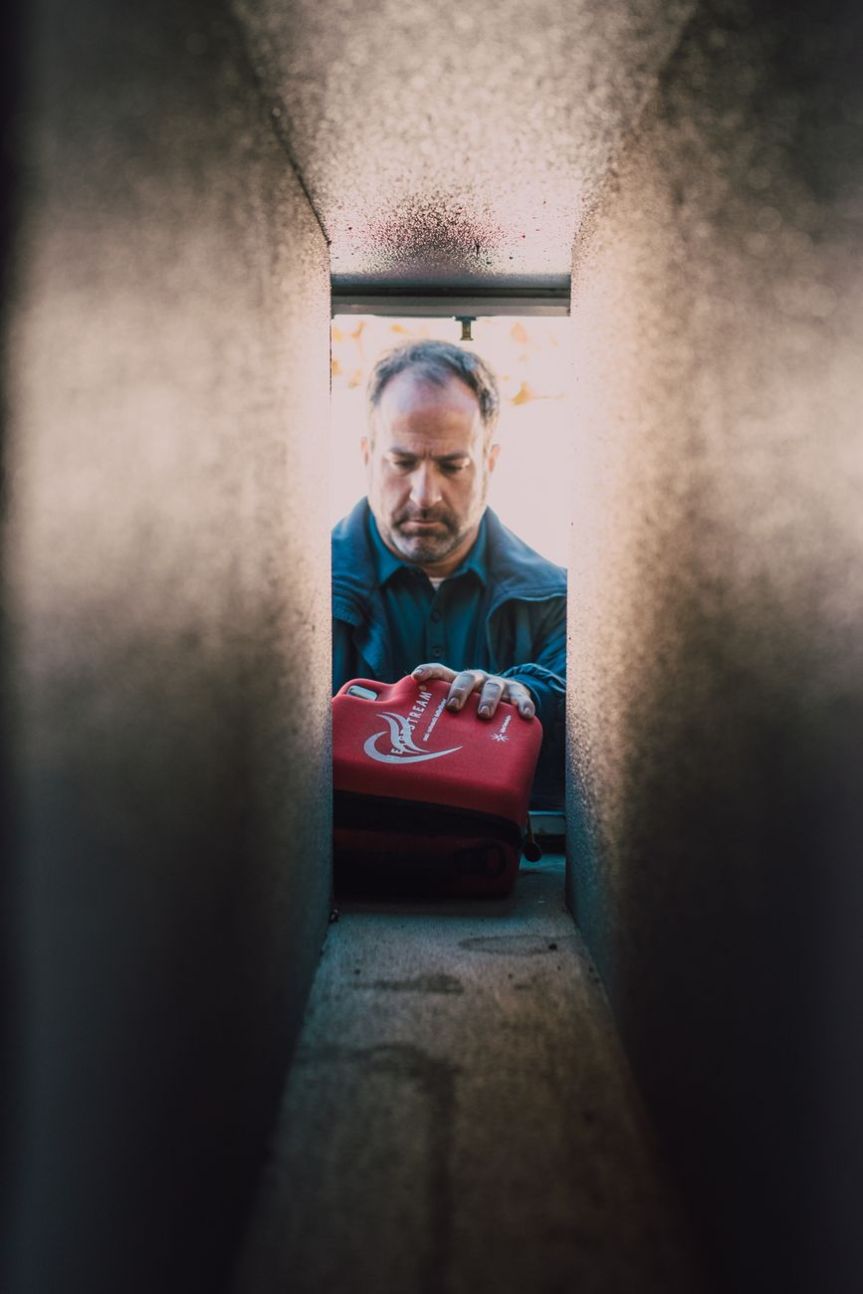
Find the AED Before a Situation Finds You

By Roz Jones

An AED can save a life, but only if people know where it is, trust how it works, and are prepared to use it.

For caregivers supporting aging loved ones, this matters. Cardiac emergencies can happen at home, in church, at the senior center, at a family gathering, in a grocery store, or during an ordinary afternoon when no one expected anything to go wrong. The goal is not to make families afraid. The goal is to help them become prepared enough to respond with clarity when every second matters.

An Automated External Defibrillator, often called an AED, is a portable medical device designed to help someone experiencing sudden cardiac arrest. The device analyzes the heart’s rhythm and, when appropriate, delivers an electric shock to help restore a normal rhythm. The FDA describes AEDs as computerized defibrillators that automatically analyze the heart rhythm and deliver a shock when needed. AED systems include necessary accessories such as batteries and electrode pads.

That is important for caregivers to understand because AEDs are not only for medical professionals. Public access AEDs are intended for laypeople with minimal training and can be found in places such as airports, community centers, schools, government buildings, hospitals, and other public locations.

For families caring for aging loved ones, AED awareness needs to become part of the care conversation.

AEDs Are Made to Guide You

One reason caregivers hesitate around AEDs is fear.

Fear of doing it wrong.

Fear of hurting someone.

Fear of touching the device.

Fear of freezing in front of everyone.

But AEDs are designed to guide the user. The device gives instructions, often through voice prompts, and tells the person what to do next. During training, the American Red Cross AED trainer instructions include following voice prompts to attach pads, plug in the connector, push the shock button if prompted, and begin CPR if prompted.

That is why training helps. It allows caregivers to hear those prompts, practice the steps, and understand what the machine is asking them to do before a real emergency happens.

An AED is not asking the caregiver to diagnose the heart rhythm. The device analyzes the rhythm. The caregiver’s role is to turn it on, follow the prompts, apply the pads correctly, and make sure no one is touching the person if a shock is advised.

That kind of preparation can turn fear into action.

Knowing Where the AED Is Matters

Many people walk past AEDs every day and never notice them.

They are mounted on walls in airports, recreation centers, schools, churches, gyms, senior centers, community buildings, and office spaces. But in a crisis, families cannot afford to start searching.

Caregivers should make AED awareness a habit. When visiting places their aging loved one frequents, they can ask simple questions:

Where is the AED located?

Is it easy to access?

Who on-site is trained to use it?

Is it checked regularly?

Is it available during all operating hours?

These questions are not excessive. They are wise.

If a loved one attends adult day programming, dialysis, church activities, physical therapy, a senior center, or community events, the family should know whether an AED is available and where it is located. This is especially important because emergencies often happen away from home, in familiar places where people assume someone else has a plan.

Assumption is not a plan.

Awareness is.

Caregivers Can Advocate for AED Access

Some buildings have AEDs. Some do not. Some have them but keep them in places that are difficult to find. Some people may not even know whether the device is still active, stocked, or ready.

That is where caregivers can advocate.

A caregiver may not be responsible for managing a church, senior center, workplace, or community space, but they can still ask the right questions. If aging adults gather there regularly, AED access should be part of the safety conversation.

Caregivers can ask leadership whether an AED is available. They can ask if staff members are trained. They can ask how often the device is inspected. They can ask whether emergency procedures are reviewed.

These conversations may feel uncomfortable at first, but they can protect a whole community. Caregivers are often the ones who notice what others overlook because they are already thinking about safety, mobility, medications, health changes, and what could happen next.

That awareness is valuable.

AED Readiness Requires Maintenance

Having an AED on the wall is not enough.

The device must be maintained. Batteries, pads, software, storage, and readiness indicators matter. The FDA notes that AED systems include accessories such as batteries and pad electrodes that are necessary for the device to detect and interpret the heart rhythm and deliver a shock if needed.

Pads and batteries do not last forever. They have expiration dates and replacement needs that depend on the device and manufacturer. AED readiness should include checking that the device is accessible, powered, stocked, and not past replacement dates for key supplies.

For caregivers, this matters in two ways.

First, if there is an AED in the home, someone must be responsible for checking it.

Second, if a loved one spends time in public or community settings, it is reasonable to ask whether the AED is maintained and who is responsible for that process.

A device that is present but not ready can create a false sense of security. Families deserve better than that.

Home AEDs May Be Worth Discussing

Some families caring for aging loved ones wonder whether they should purchase an AED for the home. This is a personal decision and one that should be discussed with a healthcare provider, especially if the loved one has a known heart condition or elevated risk for sudden cardiac arrest.

AEDs are not inexpensive, and owning one comes with responsibility. The family must understand how to use it, where to store it, how to check it, how to maintain it, and who else should be trained.

For some households, a home AED may bring peace of mind. For others, the more immediate need may be CPR/AED training, stronger communication with the medical team, or a clearer emergency plan.

The point is not to rush into buying equipment.

The point is to have the conversation.

Training Makes the Device Less Intimidating

AEDs are designed for laypeople, but training still matters.

Training helps caregivers understand how AEDs work, how pads are placed, what to do when the device is analyzing, when to stand clear, and how CPR and AED use work together. It also helps caregivers become more comfortable acting under stress.

The American Heart Association’s Chain of Survival explains that strong links can improve the chances of survival and recovery for people experiencing cardiac arrest. AED use is one of those links.

Caregivers should look for CPR/AED training through trusted organizations such as the American Heart Association, American Red Cross, local hospitals, fire departments, community centers, senior centers, workplaces, or healthcare organizations.

Training should not be limited to one person in the family. If several people help care for an aging loved one, several people should be encouraged to learn.

Preparedness works best when it is shared.

AED Awareness Belongs in the Care Plan

Family care planning is not only about who drives to appointments or who picks up medications.

It also includes safety.

It includes knowing the risks.

It includes understanding what equipment may be needed.

It includes deciding who should be trained.

It includes having honest conversations about what the family does and does not know.

AED awareness should be part of that larger plan. Families can review where AEDs are located in places their loved one visits often, whether anyone in the household has CPR/AED training, whether any community programs have emergency procedures, and whether the loved one’s doctor recommends additional planning.

This is not about becoming fearful.

This is about becoming organized.

And organization gives caregivers something fear cannot give them: direction.

Do Not Wait Until the Emergency

It is easy to say, “I will figure it out if something happens.”

But emergencies are not the time to figure everything out.

The time to ask where the AED is located is before the church service starts.

The time to learn how the device works is before someone collapses.

The time to check the expiration date is before the device is needed.

The time to decide who else should be trained is before one caregiver is standing there alone.

Aging loved ones deserve thoughtful preparation. Caregivers deserve support. Families deserve a plan that does not rely on panic.

Empowered Caregiving Includes Lifesaving Readiness

An AED is more than a device on the wall. It is a tool that can help save a life when sudden cardiac arrest happens.

But the device is only one part of readiness.

The caregiver still needs awareness.

The family still needs training.

The community still needs access.

The equipment still needs maintenance.

The care plan still needs to be clear.

In the first blog, we talked about the purpose and use of AEDs and why caregivers should understand how these lifesaving devices work. This follow-up is a reminder that AED readiness does not stop with knowing what the device is. It means knowing where it is, whether it is ready, who is trained, and how it fits into the larger care plan.

If you missed the first blog, you can read it here: Unleashing the Lifesaving Potential: AEDs for Empowered Caregivers.

Caregivers do not have to live in fear of emergencies. But they do need to prepare with wisdom.

When the unexpected happens, preparation can help a caregiver move from panic to purpose.

Give Yourself a Moment of Grace

If your spirit needs encouragement along the way, purchase Moments of Grace: A 40-Day Caregiver Prayer Journal on Amazon.

This journal was created to help caregivers pause, breathe, reflect, and find strength in the middle of the caregiving journey.

Purchase Moments of Grace today and give yourself permission to breathe in the middle of the caregiving journey.

Prepare Before the Emergency Comes

The Caregiver Hurricane Preparedness Checklist.

The Caregiver Hurricane Preparedness Checklist helps caregivers organize important documents, medications, emergency contacts, evacuation needs, medical equipment details, and care instructions before an emergency happens.

For only $1.99, this checklist gives you a simple starting point so you are not trying to gather everything during a storm, power outage, hospitalization, or sudden change in your loved one’s care.

Purchase the Caregiver Hurricane Preparedness Checklist for $1.99 today and take one more step toward peace of mind.

Need Help Sorting Through the Care Plan?

Roz Jones is a dedicated caretaker turned CEO with over a decade of experience in helping families care for and make decisions for loved ones and their legacies.Roz is a compassionate, innovative healthcare industry leader.

Book a Family Care Planning Session with Roz Jones and get support creating a caregiving plan that is clear, compassionate, and realistic.

Together, we can talk through what is working, what is becoming too heavy, and what boundaries need to be strengthened so you can continue to care without losing yourself in the process.

Subscribe to The Caregiver Cafe Weekly Newsletter!

Caregiving can be a roller coaster of ups and downs. The information that you will receive from The Caregiver Cafe Weekly Specials Newsletter will support you as a caregiver. Remember…

1. YOU ARE NOT ALONE: The problems you face as a caregiver are experienced by other caregivers. Knowing that you’re not alone can be comforting. 

2. Tools and Resources:  Find caregiver stress management tools and gain perspective from other caregiver’s experiences.

3. LEARN TO: Ask for help, accept help when it is offered, and acknowledge yourself on this caregiving journey. Hear from experts on how to balance caregiving responsibilities by taking care of your needs and involving others to help manage the natural stress and isolation of being a caregiver. 

Don’t Just Learn CPR, Stay Ready

By Roz Jones

Learning CPR is one of the most important steps a caregiver can take. But learning it once is not enough. When you are caring for an aging loved one, lifesaving skills need to stay fresh, familiar, and ready to use.

Many families take a CPR class, receive the certificate, and move on. Life gets busy. Care needs change. Appointments, medications, meals, transportation, and family responsibilities take over. Before long, years may pass, and the caregiver who once felt prepared may no longer feel confident.

That is why CPR readiness must be treated as part of the care plan, not just a one-time class.

CPR Skills Can Fade Over Time

CPR is a hands-on skill. It requires rhythm, pressure, positioning, and focus. Like any skill, it can fade when it is not practiced.

The American Red Cross explains that CPR renewal courses help people refresh their memory, renew their skills, and stay up to date with current techniques. CPR renewal can also extend certification for an additional two years.

For caregivers, that matters. Two years can bring many changes.

An aging loved one may become weaker. A diagnosis may progress. New medications may be added. Mobility may decline. A person who was once independent may now need more supervision and support.

The care plan changes as the person changes. CPR readiness should change with it.

Confidence Comes From Practice

Reading about CPR can help. Watching a video can help. But hands-on training gives the body a chance to practice what the mind is learning.

In a CPR class, caregivers learn more than the steps. They learn what compressions feel like. They learn how tiring CPR can be. They learn how to position their body. They learn how to keep going when the situation feels overwhelming.

The American Heart Association says adult CPR chest compressions should be performed at a rate of 100 to 120 compressions per minute and at a depth of at least 2 inches for the average adult, while avoiding excessive depth.

Those details are important, but they are easier to understand when they are practiced. CPR is not just information. It is action.

And in an emergency, confidence matters.

Caregivers Should Not Carry This Alone

In many families, one person becomes the keeper of everything.

One person knows the schedule. One person knows the medications. One person knows the doctor’s name. One person handles the calls, the appointments, the paperwork, and the hard conversations.

Too often, that same person is also expected to be the only one prepared for an emergency.

That is too much for one caregiver to carry.

CPR training should be a shared family responsibility. Adult children, spouses, siblings, trusted neighbors, church members, and anyone who spends regular time with an aging loved one should be encouraged to learn basic lifesaving skills.

This does not mean everyone will feel equally comfortable. It does mean the family is not depending on one person to know what to do.

A stronger care circle gives everyone more support.

Know Your Own Physical Limits

CPR can be physically demanding. Caregivers need to be honest about their own bodies too.

Some caregivers are managing arthritis, back pain, fatigue, heart concerns, mobility issues, or recovery from illness or surgery. Some are older adults themselves. Some are caring for a loved one who is much larger or heavier than they are.

These realities do not mean a caregiver cannot be prepared. They mean the plan needs to be realistic.

Hands-on CPR training can help caregivers understand what they are physically able to do and where backup support may be needed. It can also help families decide who else should be trained and available.

Caregiving should not be built on the idea that one person must do everything.

Make CPR Training Part of the Family Calendar

CPR training should not be treated as something to remember only after a crisis. Put it on the family calendar.

Schedule a refresher before certification expires. Invite another family member to attend. Ask a home care aide if they are current on CPR training. Check with local hospitals, fire departments, community centers, senior centers, churches, workplaces, the American Heart Association, or the American Red Cross for classes.

The American Red Cross offers CPR/AED recertification options, including blended learning with online coursework and an in-person skills session to help people keep their credentials current.

For caregivers of aging loved ones, hands-on practice is especially valuable. The goal is not just to know the information. The goal is to be able to respond when the moment calls for it.

Talk About CPR Before It Is Needed

CPR can be an uncomfortable topic for families. It brings up thoughts of medical emergencies, decline, and difficult decisions. But avoiding the conversation does not make the need disappear.

Families should understand whether their aging loved one has medical wishes, advance care instructions, or documents that guide emergency decisions. These conversations should happen before a crisis, when there is time to ask questions and get clarity from healthcare providers.

This is not about fear. It is about respect.

Caregivers need lifesaving skills. Families also need to understand the wishes of the person receiving care. Both are part of responsible planning.

Create a Small Training Circle

Every family caring for an aging loved one should consider creating a small training circle.

This may include the primary caregiver, one or two backup family members, a trusted neighbor, a close friend, a church support person, or a home care aide.

The group does not need to be large. It needs to be dependable.

Once or twice a year, review who has completed CPR training, who needs a refresher, and whether anything has changed in the loved one’s care needs. This kind of simple review helps families stay prepared without waiting until stress is high.

A trained circle is stronger than a single overwhelmed caregiver.

Preparation Is an Act of Care

Emergency preparation is not about expecting the worst. It is about loving someone enough to be ready.

For caregivers, preparation may look like signing up for a CPR class. It may mean refreshing an old certification. It may mean asking another family member to get trained. It may mean talking with a loved one’s doctor about emergency wishes. It may mean bringing the family together to decide who needs to know what.

Small steps matter.

A caregiver does not have to do everything in one day. But the family does need to start.

Keep the Skill Close

CPR is not just a certificate. It is not just a class. It is not just something for medical professionals.

It is a skill that can help caregivers respond when the unexpected happens.

In the first blog, we talked about mastering CPR techniques for different age groups and why those skills matter for caregivers. This follow-up is a reminder that learning CPR is only the beginning. Keeping those skills ready is part of the care plan too.

If you missed it, you can read it here: Hands-On: Mastering CPR Techniques for Caregivers.

When an aging loved one depends on you, readiness becomes part of love. Not panic. Not fear. Readiness.

Learn the skill. Refresh the skill. Share the responsibility.

That is how caregivers stay prepared.

Give Yourself a Moment of Grace

If your spirit needs encouragement along the way, purchase Moments of Grace: A 40-Day Caregiver Prayer Journal on Amazon.

This journal was created to help caregivers pause, breathe, reflect, and find strength in the middle of the caregiving journey.

Purchase Moments of Grace today and give yourself permission to breathe in the middle of the caregiving journey.

Prepare Before the Emergency Comes

The Caregiver Hurricane Preparedness Checklist.

The Caregiver Hurricane Preparedness Checklist helps caregivers organize important documents, medications, emergency contacts, evacuation needs, medical equipment details, and care instructions before an emergency happens.

For only $1.99, this checklist gives you a simple starting point so you are not trying to gather everything during a storm, power outage, hospitalization, or sudden change in your loved one’s care.

Purchase the Caregiver Hurricane Preparedness Checklist for $1.99 today and take one more step toward peace of mind.

Need Help Sorting Through the Care Plan?

Roz Jones is a dedicated caretaker turned CEO with over a decade of experience in helping families care for and make decisions for loved ones and their legacies.Roz is a compassionate, innovative healthcare industry leader.

Book a Family Care Planning Session with Roz Jones and get support creating a caregiving plan that is clear, compassionate, and realistic.

Together, we can talk through what is working, what is becoming too heavy, and what boundaries need to be strengthened so you can continue to care without losing yourself in the process.

Subscribe to The Caregiver Cafe Weekly Newsletter!

Caregiving can be a roller coaster of ups and downs. The information that you will receive from The Caregiver Cafe Weekly Specials Newsletter will support you as a caregiver. Remember…

1. YOU ARE NOT ALONE: The problems you face as a caregiver are experienced by other caregivers. Knowing that you’re not alone can be comforting. 

2. Tools and Resources:  Find caregiver stress management tools and gain perspective from other caregiver’s experiences.

3. LEARN TO: Ask for help, accept help when it is offered, and acknowledge yourself on this caregiving journey. Hear from experts on how to balance caregiving responsibilities by taking care of your needs and involving others to help manage the natural stress and isolation of being a caregiver. 
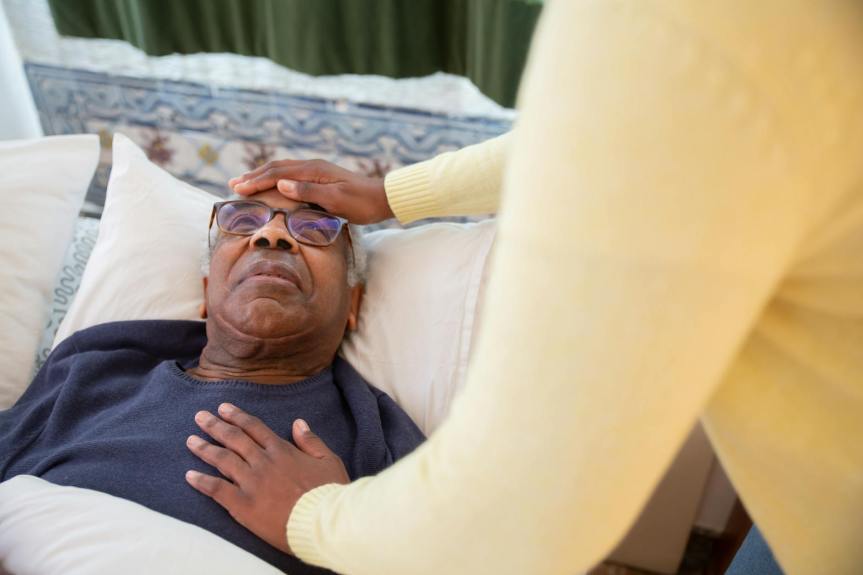
Do You Know What to Do When the Heart Sends a Warning?

By Roz Jones

A heart emergency does not always look the way people expect.

It may not begin with someone suddenly grabbing their chest and falling to the floor.

Sometimes it starts quietly.

A little pressure in the chest.
Shortness of breath.
Unusual tiredness.
Dizziness.
Nausea.
Pain in the jaw, neck, back, shoulder, or arm.
A cold sweat.
A feeling that something is just not right.

And when you are supporting an aging loved one, spouse, parent, or family member with health concerns, those small changes matter.

Because when the heart is involved, waiting too long can change everything.

Do Not Brush Off the Warning Signs

One of the hardest parts about recognizing a cardiac emergency is that symptoms can look different from person to person.

Some people may describe chest pain.
Some may feel pressure, squeezing, fullness, or discomfort.
Some may complain of indigestion, nausea, or unusual fatigue.
Some may become short of breath or lightheaded.
Some may have pain that travels to the jaw, neck, back, arm, or shoulder.

This is why families must be careful about saying:

“Maybe it’s just gas.”
“Maybe they’re just tired.”
“Let’s wait and see.”
“They’ll probably feel better in a few minutes.”

Sometimes it may be something minor.

But sometimes it is not.

And if something feels wrong, especially when chest discomfort, shortness of breath, fainting, sudden weakness, or severe pain is involved, call 911.

Do not try to talk yourself out of getting help.

Do not wait for the symptoms to become dramatic.

Do not drive your loved one to the hospital yourself unless emergency services are not available. Paramedics can begin care on the way and communicate with the hospital before arrival.

Know the Difference Between a Heart Attack and Cardiac Arrest

A heart attack and cardiac arrest are both serious, but they are not the same.

A heart attack happens when blood flow to part of the heart is blocked. The person may still be awake, breathing, and able to talk.

Cardiac arrest happens when the heart suddenly stops beating effectively. The person may collapse, become unresponsive, and stop breathing normally.

A heart attack is a circulation problem.

Cardiac arrest is an electrical problem.

Both require immediate action.

So the question becomes:

What do you do in those first few minutes?

Call 911 First

When you suspect a cardiac emergency, call 911 immediately.

Not after you call a sibling.
Not after you wait ten more minutes.
Not after you search online.
Not after you ask your loved one if they are “sure.”

Call.

Put the phone on speaker if possible. Stay with your loved one and follow the dispatcher’s instructions.

If someone else is in the home, give them a clear job:

“Call 911.”
“Unlock the front door.”
“Get the medication list.”
“Move the pets.”
“Flag down the ambulance.”
“Find the AED.”

In an emergency, clear instructions help reduce confusion.

And confusion is one thing you do not need when every second matters.

If They Become Unresponsive, Be Ready to Act

If your loved one becomes unresponsive and is not breathing normally, CPR may be needed.

This is why CPR and AED training are so important.

Reading a blog does not replace hands-on training.

But this blog can remind you that training belongs on your list.

If you are often the one present with your loved one, do not wait until the emergency happens to wish you knew what to do.

Take the class.
Learn the steps.
Practice with an instructor.
Refresh your training when needed.
Know where the AED is in the places your loved one visits often.

Preparation builds confidence.

And confidence matters when fear enters the room.

AEDs Are Not Just for Professionals

An AED, or automated external defibrillator, is designed to help during sudden cardiac arrest.

You may see AEDs in airports, churches, gyms, community centers, schools, senior centers, offices, and public buildings. These devices are made to give clear instructions so that a bystander can use them while waiting for emergency responders.

But here is the issue:

Most people do not notice where the AED is until they need it.

Start paying attention now.

Where is the AED at church?
Where is it at the senior center?
Where is it at your workplace?
Where is it in the community building?
Where is it at the gym or recreation center?

You do not want to lose precious time searching.

Keep Medical Information Easy to Find

When first responders arrive, they may ask questions quickly.

What medications does your loved one take?
Do they have allergies?
Do they have a heart condition?
Have they had previous surgeries?
Who is their doctor?
What symptoms started, and when?
Do they have advance directives or medical documents?

Do not wait until the emergency to gather this information.

Keep an updated emergency folder or one-page medical summary in a place that is easy to access.

Include:

Medication list.
Allergies.
Major diagnoses.
Doctor and specialist contacts.
Emergency contacts.
Insurance information.
Preferred hospital, if applicable.
Advance directives or important medical paperwork.
Notes about pacemakers, implanted devices, oxygen, or other medical equipment.

This is not about being fearful.

This is about being ready.

Pay Attention to the Whole Person

Sometimes the warning signs do not come out clearly.

Your loved one may not say, “I am having chest pain.”

They may say:

“I do not feel right.”
“I feel weak.”
“My stomach hurts.”
“I am so tired.”
“I feel pressure.”
“My back hurts.”
“I cannot catch my breath.”
“I feel dizzy.”
“I need to sit down.”

Especially with older adults, symptoms may be easy to mistake for something else.

That is why you have to know what is normal for your loved one and what is not.

A sudden change deserves attention.

A new symptom deserves attention.

A symptom that keeps getting worse deserves attention.

And anything involving chest discomfort, shortness of breath, fainting, sudden weakness, or severe pain deserves immediate medical help.

Do Not Let One Person Hold the Whole Plan

In many families, one person knows everything.

The medication list.
The doctor’s name.
The insurance card.
The pharmacy.
The last hospital visit.
The emergency contacts.
The family history.
The paperwork.

That may work on a regular day.

It does not work well in a crisis.

What happens if that person is at work?
What happens if their phone dies?
What happens if they are out of town?
What happens if they are the one who gets sick?

Families need shared information.

That does not mean everybody needs access to every private detail. But the right people should know where to find emergency instructions, medical contacts, and important documents.

Not every person needs every detail.

But the family should not fall apart because one person is unavailable.

A shared plan protects everyone.

Training Should Stay Current

If you took CPR training years ago, this is your reminder to refresh it.

Guidelines can change.

Your confidence can fade.

And in a real emergency, you do not want to be standing there trying to remember what you learned a decade ago.

Look for CPR, AED, and First Aid training through trusted organizations such as the American Heart Association, American Red Cross, local hospitals, fire departments, community centers, senior centers, or workplace safety programs.

Choose training that gives you hands-on practice if possible.

Because when the moment comes, your hands need to know what to do.

The Goal Is Not Fear. The Goal Is Readiness.

I do not want families walking around scared every day.

That is not the goal.

The goal is to be prepared enough to respond.

Prepared enough to recognize signs.
Prepared enough to call 911 quickly.
Prepared enough to know where the paperwork is.
Prepared enough to start CPR if needed.
Prepared enough to use an AED if one is available.
Prepared enough to speak clearly when help arrives.

Cardiac emergencies are frightening.

But preparation gives you something fear cannot give you.

A plan.

And when someone you love is depending on you, a plan can make all the difference.

When the Heart Sends a Warning, Listen

The heart can send warnings.

Sometimes loud.
Sometimes subtle.
Sometimes easy to dismiss.

But families cannot afford to ignore the signs.

If something feels wrong, respond.

Call 911.
Follow instructions.
Use your training.
Get the medical information ready.
Let emergency responders take over when they arrive.

In my previous blog, Stay One Step Ahead: Is Your Aging Loved One a Heartbeat Away from a Cardiac Emergency, we talked about recognizing cardiac emergencies and why early action matters. This continuation is a reminder that staying one step ahead means more than knowing the symptoms.

It means preparing before the moment comes.

Because when the heart is involved, every second matters.

Give Yourself a Moment of Grace

If this season of caregiving has been heavy, emotional, or filled with grief you have not had time to name, Moments of Grace: A Caregiver’s Guided Journal for Reflection, Prayer, and Peace was created with you in mind.

This journal gives caregivers a quiet place to pause, reflect, pray, release, and reconnect with themselves while caring for someone they love.

Purchase Moments of Grace today and give yourself permission to breathe in the middle of the caregiving journey.

Prepare Before the Emergency Comes

The Caregiver Hurricane Preparedness Checklist.

The Caregiver Hurricane Preparedness Checklist helps caregivers organize important documents, medications, emergency contacts, evacuation needs, medical equipment details, and care instructions before an emergency happens.

For only $1.99, this checklist gives you a simple starting point so you are not trying to gather everything during a storm, power outage, hospitalization, or sudden change in your loved one’s care.

Purchase the Caregiver Hurricane Preparedness Checklist for $1.99 today and take one more step toward peace of mind.

Need Help Sorting Through the Care Plan?

Roz Jones is a dedicated caretaker turned CEO with over a decade of experience in helping families care for and make decisions for loved ones and their legacies.Roz is a compassionate, innovative healthcare industry leader.

Book a Family Care Planning Session with Roz Jones and get support creating a caregiving plan that is clear, compassionate, and realistic.

Together, we can talk through what is working, what is becoming too heavy, and what boundaries need to be strengthened so you can continue to care without losing yourself in the process.

Subscribe to The Caregiver Cafe Weekly Newsletter!

Caregiving can be a roller coaster of ups and downs. The information that you will receive from The Caregiver Cafe Weekly Specials Newsletter will support you as a caregiver. Remember…

1. YOU ARE NOT ALONE: The problems you face as a caregiver are experienced by other caregivers. Knowing that you’re not alone can be comforting. 

2. Tools and Resources:  Find caregiver stress management tools and gain perspective from other caregiver’s experiences.

3. LEARN TO: Ask for help, accept help when it is offered, and acknowledge yourself on this caregiving journey. Hear from experts on how to balance caregiving responsibilities by taking care of your needs and involving others to help manage the natural stress and isolation of being a caregiver.