
What to Do When Your Loved One Is Struggling

By Roz Jones

Recognizing that your aging loved one may be struggling emotionally is one thing. Knowing what to do with that information can feel much harder. You may notice that something has changed and still wonder whether you should bring it up. You may worry about embarrassing your loved one, making them defensive, or saying the wrong thing. If they tell you they’re feeling hopeless, lonely, or overwhelmed, you may also feel pressure to immediately find the right words or solve the problem.

Caregivers don’t have to have every answer. What matters is creating an opportunity for your loved one to talk, taking what they tell you seriously, and knowing when it’s time to bring additional support into the conversation.

Start With What You’ve Actually Noticed

Difficult conversations often go better when they begin with an observation instead of an assumption. Rather than telling your loved one that you think they’re depressed, begin with the change you’ve noticed. Maybe they haven’t been attending activities they normally enjoy. Maybe they’ve stopped answering calls from friends. Perhaps they’re sleeping much more than usual, seem increasingly frustrated, or have started saying that they feel like a burden.

Starting with what you’ve seen gives your loved one room to explain what may be happening from their perspective. There may be something going on that you didn’t know about. They may be grieving a loss, worried about money, frustrated by a health change, struggling with pain, or having difficulty adjusting to depending on other people. The first conversation doesn’t have to uncover everything. Sometimes the most important thing you can do is open the door.

Give Them Room to Tell You What’s Going On

Caregivers spend a lot of time solving problems. When something happens, we start thinking about appointments, transportation, medications, schedules, and what needs to happen next. Emotional conversations require something a little different. Before deciding what your loved one needs, give them time to talk.

That may mean sitting through a pause without immediately filling the silence. It may mean hearing frustration that you can’t fix. Your loved one may tell you they’re angry about losing independence, tired of medical appointments, lonely since someone died, or embarrassed that they need more assistance. Try not to immediately correct what they’re feeling. Telling someone that they shouldn’t feel that way, that other people have it worse, or that they have plenty to be grateful for may be intended as encouragement, but it can also shut down the conversation.

You don’t have to agree with every conclusion your loved one reaches to acknowledge that what they’re feeling is real to them.

Ask Direct Questions When the Situation Calls for Them

There are times when a general conversation about emotional health needs to become more direct. If your aging loved one talks about wanting to die, says there’s no reason to keep living, describes themselves as a burden, or makes comments that cause you to worry about their safety, don’t avoid the subject because it feels uncomfortable.

Ask what they mean. If you’re concerned they may be thinking about suicide, ask them directly. The 988 Suicide & Crisis Lifeline includes talking about wanting to die, feeling hopeless, feeling trapped, believing you’re a burden, withdrawing from others, major changes in sleep, increased substance use, and extreme mood changes among warning signs that may require additional attention, particularly when the behavior is new, increasing, or connected to a painful loss or change.

Asking about suicide does not mean you’re accusing your loved one of something. You’re trying to understand whether they’re safe. Avoiding the question doesn’t remove the risk.

Don’t Promise to Keep a Safety Concern Secret

Your aging loved one may tell you something difficult and ask you not to tell anyone. That can put caregivers in an uncomfortable position. You want your loved one to trust you, but protecting that trust cannot mean keeping information private when you believe their safety may be at risk.

If they’re experiencing suicidal thoughts or you’re seriously concerned about their mental health, additional support may need to be involved even if they’re hesitant. You can still be respectful about how that happens. Explain why you’re concerned. Let them know who you would like to contact and why. Include them in decisions as much as the situation safely allows.

The goal isn’t to take control away from your loved one. It’s to make sure a serious concern isn’t left for one family member to manage alone.

Bring Their Healthcare Provider Into the Conversation

Changes in emotional health should be discussed with your loved one’s healthcare provider, especially when those changes are new, persistent, or beginning to interfere with daily life. A primary care provider can be an important place to start because emotional and physical health are closely connected.

Some symptoms that appear to be depression may also be affected by medical conditions, medications, pain, sleep problems, or other changes in health. That is another reason caregivers should avoid trying to diagnose the situation on their own. Your loved one may eventually need support from a therapist, counselor, psychiatrist, social worker, or another mental health professional, but you don’t have to determine that by yourself. Start by making sure the concern reaches someone who can properly evaluate what’s happening.

Expect That Your Loved One May Resist Help

Recognizing that someone needs additional support doesn’t mean they’ll immediately agree. Your loved one may insist they’re fine. They may tell you they don’t want strangers involved in their business. They may come from a generation or culture where mental health treatment carried significant stigma. Some older adults may also associate counseling or psychiatric care with being weak, unstable, or unable to manage their own lives.

Arguing usually doesn’t make those concerns disappear. Instead, find out what’s behind the resistance. If your loved one doesn’t want to see a therapist, they may be more comfortable beginning with their regular doctor. Someone who doesn’t want to attend a support group may feel differently about speaking privately with a counselor. Telehealth may work better for someone with transportation or mobility limitations.

The first option you suggest doesn’t have to be the only option. The goal is getting your loved one connected to appropriate support in a way they’re willing and able to use whenever possible.

Stay Connected After the First Conversation

One conversation may not be enough. Your loved one may tell you they’re fine because they aren’t ready to talk. They may share a little and decide they don’t want to say anything else. You may help schedule an appointment and assume that means the problem has been handled.

Continue checking in. That doesn’t mean turning every phone call into an emotional assessment. It means continuing to pay attention and leaving room for the conversation to continue. Ask how they’ve been feeling. Find out whether the appointment was helpful. Notice whether the behaviors that concerned you are improving, continuing, or becoming more serious.

Support often happens over time. Aging loved ones need to know that asking for help won’t make them a burden and that talking about what they’re experiencing won’t make their family disappear.

Know When the Situation Cannot Wait

Some situations require immediate help. If your aging loved one is experiencing a mental health crisis, has suicidal thoughts, or you’re worried they may harm themselves, the 988 Suicide & Crisis Lifeline is available throughout the United States. As of 2026, people can call or text 988 or use the online chat service to connect with trained crisis counselors. Caregivers can also contact 988 when they’re worried about someone else and need guidance about what to do next.

If your aging loved one is a veteran, the Veterans Crisis Line can also be reached by calling 988 and pressing 1 or by texting 838255. If someone has already attempted suicide, has a life-threatening injury, or is in immediate physical danger, seek emergency medical assistance.

You don’t have to wait until you’re completely certain before asking for professional guidance.

Remember That You Are Their Caregiver, Not Their Therapist

When someone you love is struggling, it can be easy to feel as though keeping them emotionally well has become another caregiving responsibility. That is too much for one person to carry.

You can listen, notice changes, make an appointment, provide transportation, sit beside them during a difficult conversation, help them connect with resources, and continue showing up. What you cannot do is become their entire mental health support system.

Supporting your aging loved one means helping create a wider circle of care rather than trying to become that entire circle yourself. That distinction matters for the person receiving care and for the caregiver. The stronger the support system becomes, the less likely one person is to be responsible for recognizing every change, answering every call, handling every crisis, and knowing exactly what to do.

Keep the Conversation Going

Talking about emotional health doesn’t need to happen only after something has gone wrong. Make it part of how your family talks about aging and caregiving. If you’re already discussing blood pressure, medications, mobility, doctor appointments, and physical pain, there should also be room to ask how your loved one is doing emotionally.

Some conversations will be uncomfortable, and some may not go the way you expect. Your loved one may need time before they’re willing to accept additional support. What matters is that emotional health doesn’t become something the family notices but never discusses.

In Recognizing Emotional Changes in Your Aging Loved One, I talked about how caregivers can recognize changes in mood, behavior, social connection, and daily life that may indicate an aging loved one is struggling. Once you recognize those changes, the next responsibility isn’t to diagnose what’s happening. It’s to respond, ask questions, involve the appropriate support, and make sure serious concerns aren’t ignored.

Caregivers cannot prevent every difficult season their aging loved ones will experience. But we can create families where emotional health is taken seriously, asking for help is allowed, and no one has to quietly carry everything by themselves.

Prepare for Your Next Trip

Planning to travel with an aging loved one? Download the free Vacationing with an Aging Loved One Checklist to help you prepare for medications, mobility needs, comfort, safety, and unexpected changes.

Tune in to The Caregiver Café Podcast

Struggling with being patient as a Caregiver

In this episode of The Caregiver Café with Roz Jones, Roz is talking about something every caregiver has probably struggled with at one time or another: patience.

Caregiving does not happen in a perfect environment. You may wake up late, your schedule may change, something unexpected may happen with your aging loved one, or you may simply be tired, hungry, overwhelmed, and trying to get too much done at once. Before you know it, something small can push you from calm to frustrated.

And Roz will be the first to tell you—she is working on this right along with you.

In this episode, Roz breaks down six reasons we often struggle with patience, including disrupted routines, feeling like there is never enough time, comparing our progress to someone else’s, becoming overwhelmed, expecting results too quickly, and trying to function when we are tired or hungry.

Give Yourself a Moment of Grace

Caregiving includes demanding days, unexpected changes, and moments of connection that may be easy to overlook. Moments of Grace offers encouragement to caregivers who need a reminder to pause and recognize the meaningful moments along the journey.

Preparing for hurricane season?
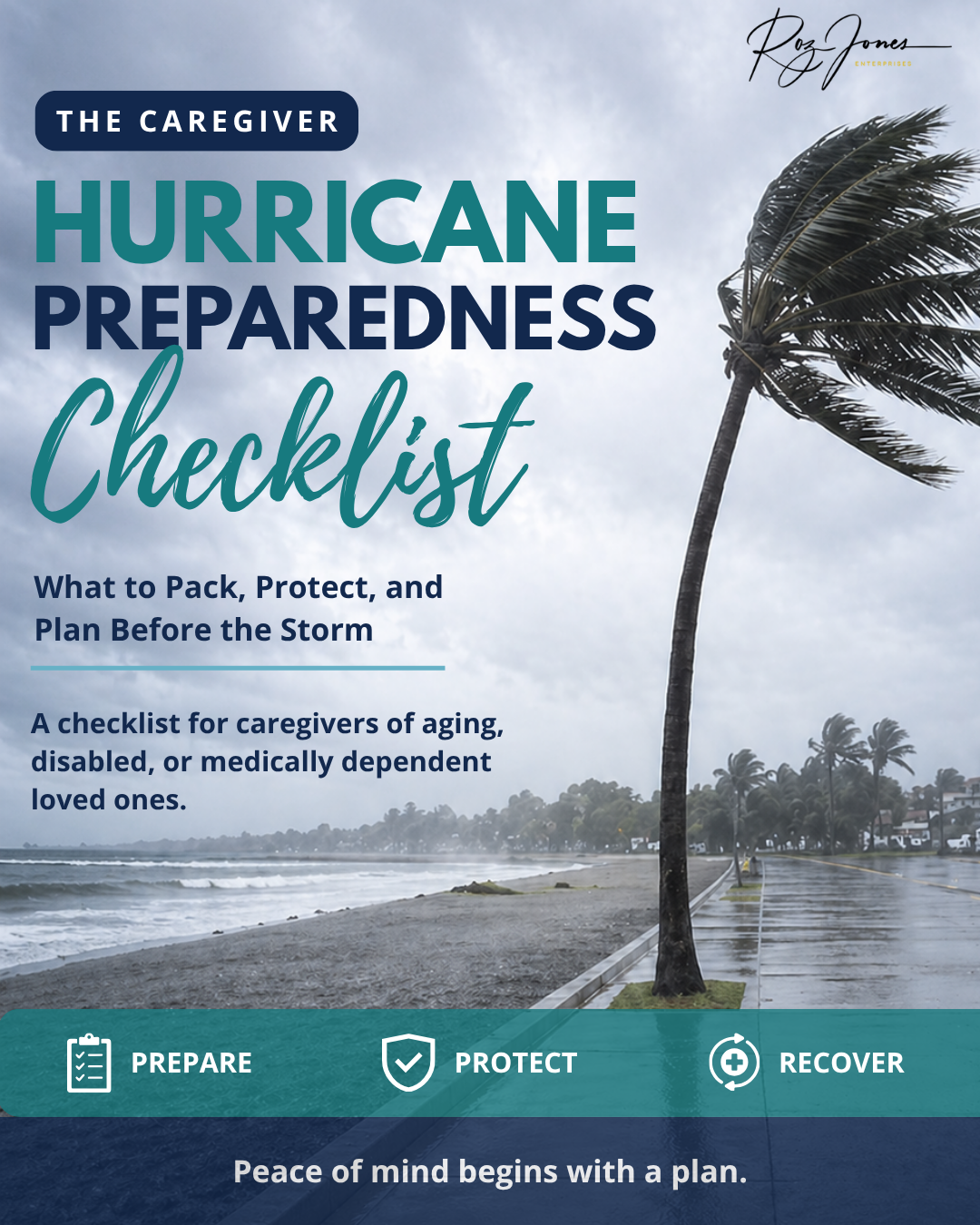
The Caregiver Hurricane Preparedness Checklist.

Are you preparing for hurricane season? Purchase the Caregiver Hurricane Preparedness Checklist to organize the information and supplies your family may need before severe weather arrives.

Subscribe to The Caregiver Cafe Weekly Newsletter!

Caregiving can be a roller coaster of ups and downs. The information that you will receive from The Caregiver Cafe Weekly Specials Newsletter will support you as a caregiver. Remember…

1. YOU ARE NOT ALONE: The problems you face as a caregiver are experienced by other caregivers. Knowing that you’re not alone can be comforting. 

2. Tools and Resources:  Find caregiver stress management tools and gain perspective from other caregiver’s experiences.

3. LEARN TO: Ask for help, accept help when it is offered, and acknowledge yourself on this caregiving journey. Hear from experts on how to balance caregiving responsibilities by taking care of your needs and involving others to help manage the natural stress and isolation of being a caregiver. 

Recognizing Emotional Changes in Your Aging Loved One

By Roz Jones

Caregivers learn to pay attention to changes. You notice when your aging loved one starts walking more slowly, when their appetite changes, when they need more help managing medications, or when something that used to be part of their normal routine becomes harder to complete. Those physical changes are often easier to recognize because they affect daily care in ways that can be seen.

Emotional changes can be quieter. Your loved one may not tell you they’re struggling, and they may not describe what they’re feeling as depression, loneliness, or hopelessness. Instead, you may begin noticing that they’re withdrawing from family, losing interest in things they once enjoyed, sleeping differently, becoming more irritable, or talking about themselves as though they’ve become a burden. Those changes deserve the same attention caregivers give to changes in physical health.

Understand That Depression Is Not Normal Aging

Aging can bring losses and transitions that affect emotional health. Your loved one may lose a spouse, sibling, longtime friend, or neighbor. They may stop driving, retire from work, experience changes in mobility, move from a home they’ve lived in for decades, or begin depending on family members for things they once handled independently.

Grief and adjustment are natural responses to some of those changes, but depression shouldn’t automatically be accepted as part of getting older. The National Institute on Aging continues to make that distinction clear. Depression is a serious mood disorder, and while older adults can experience it, it isn’t considered a normal part of aging. Sadness also isn’t always the most obvious symptom. Some older adults may seem unusually tired, disconnected, irritable, uninterested, or simply unlike themselves.

Caregivers don’t need to diagnose depression. What matters is recognizing when something has changed and making sure that change isn’t ignored.

Look for Patterns in Their Behavior

Everyone has difficult days. Your aging loved one may feel frustrated after a medical appointment, become tired after a busy week, or want some time alone after dealing with a stressful situation. One difficult day may not tell you much.

Patterns are different.

You may notice that your loved one is no longer answering calls from people they normally enjoy talking with. They may stop attending church, community activities, family gatherings, or other events they once looked forward to. Their eating or sleeping habits may change. They may stop caring for themselves in the way they normally would or begin saying they don’t see the point in doing certain things anymore.

Changes in mood can sometimes be mistaken for normal aging, which is one reason caregivers should look at how their loved one is functioning over time rather than focusing on one moment. The National Institute on Aging recommends seeking help when an older adult expresses hopelessness, says they have no reason to live, or raises concerns that they may harm themselves.

Pay Attention After a Major Loss or Transition

Some emotional changes become more noticeable after something significant happens. The death of a spouse, a serious diagnosis, a hospitalization, the loss of driving privileges, retirement, financial changes, or moving from a longtime home can affect much more than a loved one’s daily routine.

These changes can affect identity too.

Someone who has spent decades taking care of their own household may struggle with needing assistance. A person who always drove themselves may feel increasingly isolated when they have to depend on someone else for transportation. Your loved one may understand why a change was necessary and still grieve what they lost because of it.

Caregivers are often managing the practical side of these transitions. You may be making appointments, coordinating transportation, organizing medications, communicating with family members, and trying to make sure everything continues running smoothly. While those responsibilities are important, make room to notice how your loved one is adjusting emotionally too.

Notice When Their World Is Becoming Smaller

Social isolation doesn’t always happen all at once. It can develop gradually as circumstances change.

Your loved one may stop driving at night and eventually stop going out altogether. Mobility problems may make getting dressed and leaving the house feel like too much work. Friends may become ill, move away, or pass away. Hearing or vision changes may make conversations and group activities more difficult. Before long, someone who once had a regular social routine may spend most of their time at home.

Social connection remains important as people age. If your loved one has become increasingly isolated, find out what’s behind the change before assuming they simply prefer being alone.

Sometimes maintaining connection requires adjusting how it happens. Your loved one may need transportation to continue attending an activity they enjoy. Family members may need to become more intentional about calling or visiting. A senior center, faith community, community program, or regular outing may provide another opportunity for connection.

The goal isn’t to keep your loved one busy every minute of the day. It’s to notice when isolation has replaced meaningful connection and determine whether additional support could help.

Take Comments About Death or Being a Burden Seriously

Some statements are easy to brush aside because they may sound casual at first.

Your loved one may say they’re tired of being here, that everyone would be better off without them, that they’ve lived long enough, or that they don’t want to be a burden anymore. One comment may leave you wondering whether they were serious, especially if your loved one has always used humor or made offhand comments about aging.

Repeated comments deserve attention.

The most recent national data available from the CDC shows why this remains an important issue for families in 2026. In 2024, 48,824 people died by suicide in the United States, and people age 80 and older had the highest suicide rates of any age group. The CDC also reports that the suicide rate among males was nearly four times higher than the rate among females.

Those numbers don’t mean every older adult who feels lonely, frustrated, or discouraged is suicidal. They do mean caregivers shouldn’t assume that suicide risk disappears with age.

Ask Directly When You’re Concerned

Caregivers may hesitate to ask an aging loved one whether they’re thinking about suicide because they’re afraid the question will make the situation worse.

It won’t.

The National Institute on Aging states that asking someone whether they’re having thoughts of suicide doesn’t make them more likely to act on those thoughts. Asking directly may instead give your loved one an opportunity to talk about something they haven’t known how to bring up themselves.

You can begin by talking about what you’ve noticed. Maybe your loved one hasn’t seemed like themselves lately. Maybe they’ve stopped doing things they normally enjoy or have repeatedly said they feel like a burden. Start there.

If what they tell you makes you concerned about their safety, ask whether they’ve been thinking about hurting themselves or thinking about suicide.

Then listen.

You don’t have to immediately solve what they’re feeling. The first priority is understanding what’s happening and helping connect them with the appropriate support.

Include Emotional Health in the Care Plan

Families often build care plans around medical appointments, medications, transportation, meals, household responsibilities, finances, and personal care. Emotional health needs to be part of that planning too.

Think about who your loved one can talk with when they’re struggling. Their primary care provider may be an important starting point, especially when changes in mood or behavior appear suddenly. Certain medications and medical conditions can contribute to symptoms that look like depression, which is another reason changes should be evaluated instead of assumed to be emotional or simply related to age.

Your loved one may also benefit from support from a counselor, therapist, psychiatrist, social worker, faith leader, support group, or another trusted person in their community.

Caregivers should know who those people are before a crisis happens. When something changes, it’s much easier to reach for an existing support system than to try to build one while everyone is already overwhelmed.

Remember That Caregiver Patience Matters Too

Supporting an aging loved one who is struggling emotionally can be difficult for the caregiver too. You may hear the same concern several times. Your loved one may refuse help that you worked hard to arrange. They may become frustrated with you when you’re trying to support them, or you may find yourself becoming short-tempered because you’re exhausted and carrying too many responsibilities at once.

That doesn’t mean the conversation should be avoided. It means caregivers also need to recognize when their own stress is affecting how they respond.

Sometimes patience requires slowing the day down enough to give yourself room between one responsibility and the next. It may mean sharing more of the care, adjusting your expectations, getting enough rest, or realizing that every problem doesn’t have to be solved immediately.

A calmer caregiver can often create more room for an aging loved one to talk honestly about what they’re experiencing.

Know What to Do if You’re Worried About Their Safety

If your aging loved one talks about wanting to die, says they have no reason to live, talks about suicide, or you’re concerned they may harm themselves, don’t wait for more signs before asking for help.

As of 2026, the 988 Suicide & Crisis Lifeline is available throughout the United States by calling or texting 988. The Lifeline can also be reached through online chat, and caregivers or family members can contact 988 when they’re concerned about someone else.

If your loved one is in immediate danger or has already attempted suicide, seek emergency medical help immediately.

Caregivers aren’t expected to determine the seriousness of a mental health crisis on their own. Your responsibility is to recognize when something doesn’t seem right and connect your loved one with people who are trained to help.

Keep Looking at the Whole Person

Caregiving can become so focused on getting things done that it becomes easy to overlook what isn’t on the schedule.

Your loved one may have taken every medication correctly and still be struggling emotionally. They may have eaten dinner, made it to their appointment, and gotten safely through the day while also feeling increasingly lonely, hopeless, or disconnected.

That is why caregiving has to include the whole person.

Continue paying attention to the things that are changing, especially when several changes begin happening together. Ask questions when something doesn’t feel right. Talk with your loved one’s healthcare provider when behaviors or emotions become concerning, and don’t allow serious changes to be dismissed simply because your loved one is getting older.

I first talked about this issue in Recognizing the Signs of the Silent Struggle, where I discussed the importance of recognizing emotional distress and suicide risk among aging loved ones. The resources available to families have changed since that original conversation, but the responsibility to pay attention hasn’t. Caregivers still play an important role in recognizing when an aging loved one may need more support.

The goal isn’t to watch your loved one expecting something to go wrong. It’s to know them well enough to recognize when something has changed and to take that change seriously.

Prepare for Your Next Trip

Planning to travel with an aging loved one? Download the free Vacationing with an Aging Loved One Checklist to help you prepare for medications, mobility needs, comfort, safety, and unexpected changes.

Tune in to The Caregiver Café Podcast

Struggling with being patient as a Caregiver

In this episode of The Caregiver Café with Roz Jones, Roz is talking about something every caregiver has probably struggled with at one time or another: patience.

Caregiving does not happen in a perfect environment. You may wake up late, your schedule may change, something unexpected may happen with your aging loved one, or you may simply be tired, hungry, overwhelmed, and trying to get too much done at once. Before you know it, something small can push you from calm to frustrated.

And Roz will be the first to tell you—she is working on this right along with you.

In this episode, Roz breaks down six reasons we often struggle with patience, including disrupted routines, feeling like there is never enough time, comparing our progress to someone else’s, becoming overwhelmed, expecting results too quickly, and trying to function when we are tired or hungry.

Give Yourself a Moment of Grace

Caregiving includes demanding days, unexpected changes, and moments of connection that may be easy to overlook. Moments of Grace offers encouragement to caregivers who need a reminder to pause and recognize the meaningful moments along the journey.

Preparing for hurricane season?

The Caregiver Hurricane Preparedness Checklist.

Are you preparing for hurricane season? Purchase the Caregiver Hurricane Preparedness Checklist to organize the information and supplies your family may need before severe weather arrives.

Subscribe to The Caregiver Cafe Weekly Newsletter!

Caregiving can be a roller coaster of ups and downs. The information that you will receive from The Caregiver Cafe Weekly Specials Newsletter will support you as a caregiver. Remember…

1. YOU ARE NOT ALONE: The problems you face as a caregiver are experienced by other caregivers. Knowing that you’re not alone can be comforting. 

2. Tools and Resources:  Find caregiver stress management tools and gain perspective from other caregiver’s experiences.

3. LEARN TO: Ask for help, accept help when it is offered, and acknowledge yourself on this caregiving journey. Hear from experts on how to balance caregiving responsibilities by taking care of your needs and involving others to help manage the natural stress and isolation of being a caregiver. 

Helping Your Aging Loved One Prepare for Medicare Open Enrollment

By Roz Jones

Medicare Open Enrollment comes around every year, and for family caregivers, it can bring another set of decisions to manage.

Your aging loved one may already have Medicare coverage that worked well this year, but that doesn’t automatically mean it’ll still be the best fit next year. Prescription needs can change. Doctors may leave a plan’s network. Premiums and other costs may change. A plan can also make changes to the benefits it offers.

That’s why Open Enrollment is worth paying attention to, even when your loved one isn’t unhappy with their current coverage.

Medicare Open Enrollment runs from October 15 through December 7 each year. During that period, people who already have Medicare can review their coverage and make certain changes for the following year. Any changes made during Open Enrollment generally take effect on January 1.

As a caregiver, you don’t need to become a Medicare expert. You do need to know what has changed in your loved one’s health and whether their current coverage still supports those needs.

Understand What Open Enrollment Is Really For

One important thing to clear up is that Medicare Open Enrollment isn’t usually the time when someone turning 65 first signs up for Medicare Part A and Part B.

Most people first become eligible for Medicare around age 65, and their Initial Enrollment Period generally begins three months before the month they turn 65 and continues for three months afterward.

Open Enrollment is different.

This is the time when people who already have Medicare can make changes to how they receive their health or prescription drug coverage. That may mean switching from Original Medicare to a Medicare Advantage plan, moving from Medicare Advantage back to Original Medicare, changing Medicare Advantage plans, or changing prescription drug coverage.

For caregivers, understanding that difference can prevent a lot of unnecessary confusion.

Start With What Changed This Year

Before looking at plans, think about what has changed for your aging loved one since the last enrollment period.

Maybe they’ve started taking a new prescription. Maybe they’re seeing a new specialist. Their mobility may have changed, making transportation benefits more important. A new diagnosis may mean they need services they weren’t using before.

Those changes matter because the plan that worked last year was chosen around last year’s needs.

You don’t have to assume that something needs to change. You’re simply checking.

Look at how your loved one actually used their coverage throughout the year and ask whether anything became more difficult, more expensive, or harder to access.

That gives you a much better starting point than choosing a plan based only on the monthly premium.

Don’t Automatically Renew Without Reviewing

If your loved one is satisfied with their current coverage and the plan will continue next year, they may not need to make a change during Open Enrollment.

That still doesn’t mean you should skip the review.

Medicare plans can change their costs, benefits, provider networks, and drug coverage from one year to the next. Your loved one should receive information from their current plan explaining what will change in the upcoming year.

Take time to read it.

A familiar plan name can make it feel like nothing has changed, but the details underneath that name may look different next year.

Family caregivers should pay particular attention to the services their loved one uses most often. If they regularly see certain doctors, use specific pharmacies, take several prescriptions, or rely on particular benefits, those are the things you want to verify before deciding to stay with the current plan.

Review Prescription Coverage Carefully

Prescription drug coverage deserves extra attention during Medicare Open Enrollment because medication needs can change quickly for aging adults.

Make sure your loved one’s current prescriptions are still covered and pay attention to how the plan classifies those medications. A prescription can remain covered while the amount your loved one pays for it changes.

You’ll also want to check whether the pharmacies your loved one uses are still participating in the plan and whether using a preferred pharmacy could make a difference in what they pay.

Medicare Part D also continues to look different than it did several years ago. For 2026, out-of-pocket costs for covered Part D prescription drugs are capped at $2,100 for the year. Once someone reaches that limit through qualifying out-of-pocket spending, they won’t continue paying copayments or coinsurance for covered Part D drugs for the remainder of that calendar year.

That’s another reason caregivers should work from current information instead of assuming Medicare works the way it did a few years ago.

Check the Doctors and Services Your Loved One Uses

Cost matters, but access matters too.

If your aging loved one has doctors they trust, specialists they see regularly, or a preferred hospital system, check whether those providers will still be available under the plan you’re considering.

This is especially important with Medicare Advantage plans because provider networks can differ.

A plan may look affordable on paper but become much less useful if your loved one has to change several healthcare providers or travel much farther for care.

Think about the whole picture.

Your loved one’s healthcare routine may include primary care visits, specialists, medications, diagnostic testing, therapy, home health services, or other care that happens throughout the year.

The best coverage isn’t necessarily the plan with the most extras. It’s the one that works with the care your loved one actually needs.

Be Careful With All the Marketing

Open Enrollment season can bring a lot of mail, phone calls, television advertisements, and plan offers.

That can be overwhelming for caregivers and aging loved ones alike.

A plan advertisement may highlight extra benefits or a low premium without explaining every limitation that could affect your loved one.

Slow the process down.

Use official Medicare information when comparing options, and make sure you understand what your loved one would be giving up as well as what they might gain by switching.

Medicare.gov and the annual Medicare & You handbook are official sources for comparing coverage and understanding changes.

If the choices still feel confusing, you can also get help from a State Health Insurance Assistance Program counselor. SHIP programs provide Medicare counseling and can help beneficiaries and families understand their options without relying solely on an insurance company’s marketing.

Give Your Loved One a Voice in the Decision

If your aging loved one can participate in the decision, include them.

Ask what worked well about their healthcare this year and what frustrated them. They may remember a problem with a prescription, difficulty reaching a provider, or a service they wished they had access to that you didn’t know was important to them.

Those experiences should be part of the decision.

Caregivers may handle much of the research and paperwork, but the coverage ultimately affects your loved one’s everyday healthcare.

That means their priorities matter too.

Don’t Wait Until December 7

Waiting until the final day of Open Enrollment creates pressure nobody needs.

Start reviewing information before October 15 if you can. Medicare recommends using the beginning of October to review notices from current plans and preview options for the coming year.

That gives you time to collect your loved one’s medication information, check providers, compare plans, ask questions, and talk through any possible changes without feeling rushed.

If your loved one decides their current coverage still works, that’s a decision too.

The goal isn’t to change plans every year.

The goal is to make sure keeping the current plan is an informed choice.

Make the Review Part of Your Caregiving Routine

Medicare Open Enrollment is easier to manage when it becomes part of your annual caregiving routine instead of something you remember at the last minute.

Each fall, take some time to look at what has changed with your loved one’s health and what has changed with their coverage.

That annual review can help you catch problems before your loved one is standing at a pharmacy counter in January wondering why a medication costs more than expected or calling a doctor only to learn the plan has changed.

I first talked about this process in Unveiling the Medicare Enrollment Period: Your Guide to Getting Started. The importance of reviewing Medicare coverage hasn’t changed, but Medicare itself continues to evolve, which makes it even more important for family caregivers to work from current information when helping an aging loved one prepare for the year ahead.

You don’t have to understand every Medicare rule in one sitting.

What matters is knowing your loved one’s current needs, checking the coverage they already have, paying attention to what’s changing, and asking for help when something isn’t clear. A little preparation during Open Enrollment can help prevent a lot of frustration after January 1.

Prepare for Your Next Trip

Planning to travel with an aging loved one? Download the free Vacationing with an Aging Loved One Checklist to help you prepare for medications, mobility needs, comfort, safety, and unexpected changes.

Tune in to The Caregiver Café Podcast

S.O.S: When to ask for help with Phil Hill

In this episode of The Caregiver Café with Roz Jones, Roz continues her conversation with security expert and former family caregiver Phil Hill about the emotional weight of caregiving, knowing when to ask for help, and what happens when caregivers try to carry too much for too long.

Phil reflects on the years he spent caring for his father while he and his wife were also helping care for her parents. He shares how managing several caregiving situations at once affected his family, his business, his relationships, and his emotional well-being.

Although Phil had access to a long-term care insurance policy and other resources, he waited to use them because he believed he might need them later. Roz reminds caregivers that the time to ask for help is often much earlier than they realize. When a loved one moves into the home, the family should begin identifying gaps in care, exploring available benefits, and creating a support plan before exhaustion and crisis take over.

Give Yourself a Moment of Grace

Caregiving includes demanding days, unexpected changes, and moments of connection that may be easy to overlook. Moments of Grace offers encouragement to caregivers who need a reminder to pause and recognize the meaningful moments along the journey.

Preparing for hurricane season?

The Caregiver Hurricane Preparedness Checklist.

Are you preparing for hurricane season? Purchase the Caregiver Hurricane Preparedness Checklist to organize the information and supplies your family may need before severe weather arrives.

Subscribe to The Caregiver Cafe Weekly Newsletter!

Caregiving can be a roller coaster of ups and downs. The information that you will receive from The Caregiver Cafe Weekly Specials Newsletter will support you as a caregiver. Remember…

1. YOU ARE NOT ALONE: The problems you face as a caregiver are experienced by other caregivers. Knowing that you’re not alone can be comforting. 

2. Tools and Resources:  Find caregiver stress management tools and gain perspective from other caregiver’s experiences.

3. LEARN TO: Ask for help, accept help when it is offered, and acknowledge yourself on this caregiving journey. Hear from experts on how to balance caregiving responsibilities by taking care of your needs and involving others to help manage the natural stress and isolation of being a caregiver. 

Keeping Your Aging Loved One’s Vaccines on Track

By Roz Jones

Caregiving requires us to keep track of a lot. Between medications, doctor appointments, prescription refills, insurance paperwork, changes in appetite, mobility concerns, and everything else happening in the household, it’s easy for preventive care to get pushed to the side.

One question caregivers should still make time to ask is whether their aging loved one’s vaccinations are up to date.

Vaccines may not feel urgent when your loved one is doing well, but prevention is part of caregiving too. As our loved ones age, their immune systems may not respond to illness the same way they once did. An infection that causes a younger person to spend a few uncomfortable days at home can become much more serious for an older adult.

That’s why keeping vaccinations on your caregiving checklist matters. The goal isn’t to give you one more responsibility. The goal is to prevent as many avoidable health complications as possible.

Start With a Vaccination Review

You don’t have to memorize every vaccine recommendation. What matters is knowing when to ask questions.

During your loved one’s next primary care appointment, ask the healthcare provider to review their vaccination history with you. Find out whether anything is due, whether certain vaccines are recommended because of age or medical conditions, and whether previous doses were completed.

It’s also important to ask whether any vaccines need to be scheduled differently because of medications, illness, or other health concerns.

That conversation can help you create a plan instead of trying to keep another set of dates in your head.

Know Which Vaccines May Come Up

Recommendations will depend on your loved one’s age, health history, previous vaccinations, medications, and other risk factors, but there are several vaccines caregivers of aging loved ones should expect to discuss with the healthcare team.

The flu vaccine remains an annual conversation. Older adults have a higher risk of developing serious complications from influenza, especially when they’re already managing chronic health conditions. Receiving a flu shot last year doesn’t mean that responsibility is permanently checked off. It should be reviewed each fall.

Pneumococcal vaccination is also important because pneumococcal disease can cause pneumonia and other serious infections. Current recommendations include vaccination for adults beginning at age 50 who haven’t previously received the recommended pneumococcal conjugate vaccine.

This is one area where vaccination history matters. Your loved one may have received an older pneumococcal vaccine years ago, so ask the healthcare provider to look at exactly what they received and whether anything else is recommended now.

The shingles vaccine is another important one for aging adults. Shingles can be painful and difficult to recover from, and vaccination is recommended for adults age 50 and older. The current shingles vaccine is given as a two-dose series.

RSV has also become an important part of the conversation for older adults. Current CDC guidance recommends one RSV vaccine for everyone age 75 and older. Adults ages 50 through 74 who have an increased risk of severe RSV illness may also be advised to receive it. Risk may be higher for people living with certain chronic heart or lung conditions, weakened immune systems, frailty, or those living in long-term care settings.

Unlike the flu vaccine, RSV vaccination isn’t currently an annual vaccine. If your loved one has already received it, let the healthcare provider confirm whether anything else is needed.

Adults should also stay current on protection against tetanus, diphtheria, and pertussis. If your loved one has never received a Tdap vaccine as an adult, their provider may recommend one. After that, a Td or Tdap booster is generally recommended every 10 years.

Ask the healthcare provider what’s currently recommended based on your loved one’s age, health conditions, previous doses, and the vaccines available now.

You don’t have to keep every changing recommendation in your head. You simply need a healthcare professional who can help you make decisions based on your loved one’s needs today.

Keep Vaccination Information in One Place

Caregivers already know how frustrating it can be when important medical information lives in several different places.

One record may be at the doctor’s office. Another vaccine may have been given at the pharmacy. Something else may have happened during a hospital stay. Months later, nobody can remember the exact date or whether another dose was needed.

Make it easier on yourself by keeping one vaccination record with the rest of your loved one’s medical information.

Record the vaccine, the date it was given, where it was received, and whether another dose or booster will be needed later. Keeping that information with the medication list or appointment paperwork can make future conversations with the healthcare team much easier.

The goal isn’t perfect recordkeeping. The goal is making the next decision easier.

Pay Attention to Timing

Not every vaccine needs to be given at the same appointment.

Your loved one may be sick, starting a new medication, dealing with another health concern, or have a history of reactions that needs to be discussed first. Their healthcare provider may also recommend a particular schedule based on their medical history.

This is why the caregiver’s role isn’t to decide the vaccination schedule alone.

Your role is to ask questions, keep track of the information, follow up, and make sure preventive care doesn’t quietly fall through the cracks.

Talk With Your Loved One, Not Just About Them

Aging doesn’t erase a person’s right to understand what’s happening with their health.

If your loved one is able to participate in these conversations, include them. Explain what the healthcare provider recommended and give them space to ask questions.

If they’re nervous or resistant, listen before immediately trying to convince them.

Sometimes resistance comes from fear. Sometimes it comes from a bad experience in the past. Sometimes they simply don’t understand why another vaccine is necessary.

A conversation may get you further than an argument.

Caregiving should protect your loved one while still respecting the person receiving the care.

If you would like to read more on this subject, check out the previous blog Stick With Your Immunizations for National Immunization Awareness Month.

Please note: Since that blog was published, vaccine recommendations for your aging loved ones have continued to change, making it even more imperative for family caregivers to review their loved one’s vaccination history and speak with their healthcare provider about what’s recommended today..

Prepare for Your Next Trip

Planning to travel with an aging loved one? Download the free Vacationing with an Aging Loved One Checklist to help you prepare for medications, mobility needs, comfort, safety, and unexpected changes.

Tune in to The Caregiver Café Podcast

S.O.S: When to ask for help with Phil Hill

In this episode of The Caregiver Café with Roz Jones, Roz continues her conversation with security expert and former family caregiver Phil Hill about the emotional weight of caregiving, knowing when to ask for help, and what happens when caregivers try to carry too much for too long.

Phil reflects on the years he spent caring for his father while he and his wife were also helping care for her parents. He shares how managing several caregiving situations at once affected his family, his business, his relationships, and his emotional well-being.

Although Phil had access to a long-term care insurance policy and other resources, he waited to use them because he believed he might need them later. Roz reminds caregivers that the time to ask for help is often much earlier than they realize. When a loved one moves into the home, the family should begin identifying gaps in care, exploring available benefits, and creating a support plan before exhaustion and crisis take over.

Give Yourself a Moment of Grace

Caregiving includes demanding days, unexpected changes, and moments of connection that may be easy to overlook. Moments of Grace offers encouragement to caregivers who need a reminder to pause and recognize the meaningful moments along the journey.

Preparing for hurricane season?

The Caregiver Hurricane Preparedness Checklist.

Are you preparing for hurricane season? Purchase the Caregiver Hurricane Preparedness Checklist to organize the information and supplies your family may need before severe weather arrives.

Subscribe to The Caregiver Cafe Weekly Newsletter!

Caregiving can be a roller coaster of ups and downs. The information that you will receive from The Caregiver Cafe Weekly Specials Newsletter will support you as a caregiver. Remember…

1. YOU ARE NOT ALONE: The problems you face as a caregiver are experienced by other caregivers. Knowing that you’re not alone can be comforting. 

2. Tools and Resources:  Find caregiver stress management tools and gain perspective from other caregiver’s experiences.

3. LEARN TO: Ask for help, accept help when it is offered, and acknowledge yourself on this caregiving journey. Hear from experts on how to balance caregiving responsibilities by taking care of your needs and involving others to help manage the natural stress and isolation of being a caregiver. 

Rest is Part of the Care Plan

By Roz Jones

Caregivers are often praised for how much they are able to carry. But over time, this level of responsibility can make rest feel unrealistic.

A caregiver may believe that stepping away will create more work, cause unnecessary disruption, or leave an aging loved one feeling abandoned. Even when respite care is available, guilt and worry may prevent the caregiver from using it.

However, rest should not be treated as something separate from caregiving. It is part of creating a care plan that can continue without sacrificing the caregiver’s physical health, emotional well-being, and ability to remain fully present.

Respite care offers more than time away from responsibility. When thoughtfully planned, it can create greater stability for the entire family.

Respite Care Should Begin Before a Crisis

Many caregivers wait until they are physically exhausted or emotionally overwhelmed before seeking additional support. By that point, the need for relief may be urgent, and the family may have little time to research options, prepare the aging loved one, or choose a provider carefully.

Respite care is often more effective when it is introduced before the caregiver reaches a breaking point.

Planning early gives families time to consider what kind of support is needed, how often it may be used, and who can provide care safely. It also allows the aging loved one to become familiar with another caregiver before an emergency requires the primary caregiver to step away unexpectedly.

A caregiver should not have to become ill, miss important medical appointments, or experience severe burnout before receiving help.

Respite can be used for a few hours, an overnight stay, a weekend, or a longer period, depending on the family’s needs and available resources. It may be provided in the home, through an adult day program, within a residential care setting, or by a trusted relative or friend.

Introducing respite gradually can make the transition easier for everyone involved.

Choose Support Based on the Care Required

Not every respite option will be appropriate for every aging loved one.

Some individuals may need companionship and help with meals. Others may require assistance with mobility, personal care, medication reminders, medical equipment, memory loss, or behavioral changes. The person providing respite must understand the level of responsibility involved.

Before selecting support, caregivers should clearly identify what the aging loved one needs throughout the day.

This includes the tasks that must be completed, but it should also include the routines, preferences, and details that help the person feel comfortable.

An aging loved one may prefer breakfast at a certain time, enjoy a particular television program, become anxious when the house is too quiet, or need additional time to complete personal care. Someone living with dementia may respond better to familiar language, music, or routines.

These details can help the respite provider offer care that feels more personal and less disruptive.

Families should also ask about the provider’s experience, training, availability, emergency procedures, and ability to manage the loved one’s specific needs. When professional respite care is being considered, caregivers may want to request references and learn how the provider screens and supervises staff.

The purpose is not only to find someone who is available. It is to find support that allows the caregiver to step away with greater confidence.

Prepare the Aging Loved One for the Change

An aging loved one may not immediately understand why someone else is providing care.

They may feel uncomfortable with a new person in the home, worry that the caregiver is leaving permanently, or interpret the decision as a sign that they have become a burden. These concerns may be especially difficult for someone experiencing memory loss, anxiety, or changes in routine.

Caregivers can reduce some of this uncertainty by discussing respite care before it begins.

The explanation should match the loved one’s level of understanding. Emphasize that the caregiver is taking a short break or completing another responsibility and will return. Introduce the respite provider in advance whenever possible and allow the aging loved one to become familiar with them while the primary caregiver is still present.

The first visit may be brief. The respite provider might share a meal, participate in a familiar activity, or spend time learning the daily routine.

A gradual introduction can help build trust.

The aging loved one should also be included in appropriate decisions. They may have preferences about who assists with personal care, what activities they would like to do, or where respite should take place.

Being included can make the change feel less like something being done to them and more like part of a care arrangement designed with their comfort in mind.

Create a Clear Respite Care Guide

A caregiver may know an aging loved one’s routine so well that many details are handled automatically. Another person will not have that same knowledge.

A written respite care guide can reduce confusion and help the provider respond more confidently.

The guide should include important contact information, medication instructions, meal preferences, mobility needs, allergies, medical conditions, emergency procedures, and the location of essential supplies.

It may also include the aging loved one’s daily schedule, preferred activities, communication style, and behaviors that may signal pain, anxiety, fatigue, or confusion.

For example, an aging loved one may become quiet when uncomfortable rather than asking for help. Another may repeat questions when feeling anxious. Someone with memory loss may become distressed if they cannot see the primary caregiver and may need calm reassurance rather than repeated correction.

These details can improve the quality of the respite experience and reduce the likelihood that the primary caregiver will receive repeated calls for information during the break.

The guide should be reviewed regularly as medications, routines, and care needs change.

Important information should not remain only in the caregiver’s memory.

Start With Shorter Periods of Respite

Caregivers who have been responsible for nearly every part of an aging loved one’s care may find it difficult to step away for an extended period.

Beginning with a shorter break can help build trust in the respite arrangement.

The caregiver may start with an hour to attend an appointment, take a walk, meet a friend, or sit quietly somewhere outside the home. As the aging loved one and respite provider become more comfortable with each other, the length of time can gradually increase.

Shorter visits also give the caregiver an opportunity to identify missing instructions, notice how the aging loved one responds, and determine whether the respite provider is a good fit.

The first experience does not have to be perfect.

There may be questions, adjustments, and moments of discomfort. These do not necessarily mean respite care will not work. They may simply show where the plan needs to be clarified or changed.

Building a reliable respite arrangement is often a process rather than a single decision.

Expect Guilt Without Letting It Make the Decision

Caregiver guilt can remain even when respite care is safe, necessary, and thoughtfully planned.

A caregiver may feel guilty for enjoying time away, especially if the aging loved one cannot participate in the same activity. They may worry that others will judge them or believe they should be able to continue without assistance.

Some caregivers may spend the entire break checking their phones, reviewing instructions, or thinking about what may be going wrong at home. They may return before the agreed time because resting feels more uncomfortable than continuing to provide care.

These feelings are common, but they should not determine whether the caregiver receives support.

Taking a break does not mean the caregiver loves the aging loved one less. It does not erase their commitment or make them irresponsible.

Caregiving requires energy, patience, decision-making, and emotional steadiness. Those abilities are harder to maintain when the caregiver is consistently depleted.

Guilt may appear during the first few respite experiences, but it can become easier to manage as the caregiver sees that the aging loved one can remain safe and supported while someone else helps.

Respite care is not a failure of devotion. It is an acknowledgment that quality care should not depend on one person being available every hour of every day.

Use Respite Time for What Is Actually Needed

Caregivers may feel pressure to use respite time productively.

They may schedule errands, clean the house, catch up on paperwork, or complete tasks that have been delayed. While these responsibilities may need attention, respite should not always become another work period.

The most helpful use of the time depends on what the caregiver needs most.

One caregiver may need uninterrupted sleep. Another may need to attend a medical appointment, spend time with friends, exercise, worship, go to therapy, or simply sit somewhere without listening for another person’s call.

Rest will not look the same for everyone.

A meaningful break does not have to be exciting or carefully planned. Its value comes from allowing the caregiver to step out of a constant state of responsibility.

Caregivers should also avoid filling every available respite hour with obligations simply because the time exists. Returning to care more exhausted than before defeats the purpose of the break.

Respite should create space for renewal, not another list of expectations.

Make Respite Part of the Regular Routine

Using respite only during emergencies can make each break feel unfamiliar and difficult.

Regularly scheduled respite may offer more stability for both the caregiver and aging loved one. The loved one can become familiar with the provider and begin to understand the routine. The caregiver can plan appointments, rest, and personal activities without waiting until exhaustion becomes severe.

Consistency may also help the caregiver recognize respite as a normal part of the care plan rather than a last resort.

The schedule does not have to be extensive. A few hours each week, twice a month, or at another manageable interval may provide meaningful relief.

The appropriate frequency will depend on the caregiver’s responsibilities, the aging loved one’s care needs, available resources, and the level of support provided by others.

Families should review the arrangement over time. An aging loved one’s needs may increase, the caregiver’s work schedule may change, or the original respite provider may no longer be available.

A sustainable plan must be flexible enough to grow with the caregiving situation.

Include Family Members in the Respite Plan

Professional respite care may not be the only source of support.

Relatives and trusted friends may be able to participate when responsibilities are clearly defined. One person may provide companionship for a few hours, while another handles transportation, prepares a meal, or stays overnight.

Family members may hesitate because they do not know what to do or believe the primary caregiver prefers to manage everything. Vague requests for help may also be difficult to respond to.

Specific requests can make participation more realistic.

Instead of asking someone to help more, the caregiver might ask whether they can stay with the aging loved one on the first Saturday of each month, provide transportation to one regular appointment, or sit with them for two hours while the caregiver attends therapy.

Clear expectations help others understand what is needed and whether they are able to commit.

Family support should still be based on the aging loved one’s comfort and safety. A relative who loves the person may not have the skills required to manage complex medical or personal care needs.

Each person should be given responsibilities they can handle reliably.

Prepare a Backup Before Respite Is Urgently Needed

Even a dependable care arrangement can change.

A provider may become ill. A family member may have a conflict. An adult day program may close temporarily. The aging loved one’s condition may change and require a different level of support.

Caregivers should identify more than one possible respite option whenever resources allow.

A backup plan may include another professional provider, a trusted family member, an agency, an adult day program, or a short-term residential care option.

Families should also know what support may be available through local aging services, caregiver organizations, faith communities, veterans’ programs, insurance benefits, or community agencies.

Researching these options can take time. Completing the work before a crisis allows the caregiver to make decisions more carefully.

The caregiver should not have to begin searching for help at the exact moment they are no longer able to continue.

Rest Protects the Relationship

Caregiving can change the relationship between the caregiver and aging loved one.

Conversations may become focused on medications, appointments, safety, and daily tasks. The caregiver may begin to feel more like a manager than a family member. The aging loved one may feel that every interaction is connected to something they need help doing.

Exhaustion can intensify this change. A depleted caregiver may become less patient, more easily frustrated, or emotionally distant, even when they are doing everything possible to provide good care.

Respite creates an opportunity for the caregiver to return with more emotional space.

The break may make it easier to sit together without rushing, listen more patiently, or enjoy an activity that is not centered on care. It can help restore parts of the relationship that daily responsibilities have pushed aside.

Respite does not only protect the caregiver’s health.

It may also protect the relationship from becoming defined entirely by the demands of caregiving.

A Strong Care Plan Includes Relief

Caregivers do not prove their love by becoming exhausted.

They do not have to wait until their health begins to decline before accepting support. They do not have to manage every responsibility personally for the care to be thoughtful and meaningful.

A strong care plan prepares for the aging loved one’s needs while also recognizing the caregiver’s limits.

Respite care creates room for rest, medical care, relationships, reflection, and life outside the caregiving role. It gives another trusted person an opportunity to learn the aging loved one’s routine and creates a support system that may become especially valuable during an emergency.

The most sustainable caregiving arrangements are not built around one person doing everything.

They are built around preparation, communication, shared responsibility, and the understanding that rest is part of providing care well.

For an introduction to respite care and the benefits it can provide, read the previous blog, The Power of Respite Care: A Guide for Caregivers During National Respite Care Month.

Prepare for Your Next Trip

Planning to travel with an aging loved one? Download the free Vacationing with an Aging Loved One Checklist to help you prepare for medications, mobility needs, comfort, safety, and unexpected changes.

Tune in to The Caregiver Café Podcast

What to Know About the Cost of Prescriptions

In this episode of The Caregiver Café with Roz Jones, Roz is talking about something many seniors and caregivers are feeling at the pharmacy counter: the rising cost of prescription medications.

As aging loved ones begin taking more medications, those costs can add up quickly. One prescription may not seem like much, but when there are several medications involved, the monthly total can become overwhelming for seniors, families, and caregivers trying to manage care on a fixed income.

Roz breaks down practical ways caregivers can help reduce the cost of prescriptions. She talks about asking doctors about generic medications, looking for less expensive brand-name options, using mail-order pharmacy services, reviewing Medicare drug plans during annual enrollment, and checking for state or manufacturer assistance programs.

Give Yourself a Moment of Grace

Caregiving includes demanding days, unexpected changes, and moments of connection that may be easy to overlook. Moments of Grace offers encouragement to caregivers who need a reminder to pause and recognize the meaningful moments along the journey.

Preparing for hurricane season?

The Caregiver Hurricane Preparedness Checklist.

Are you preparing for hurricane season? Purchase the Caregiver Hurricane Preparedness Checklist to organize the information and supplies your family may need before severe weather arrives.

Subscribe to The Caregiver Cafe Weekly Newsletter!

Caregiving can be a roller coaster of ups and downs. The information that you will receive from The Caregiver Cafe Weekly Specials Newsletter will support you as a caregiver. Remember…

1. YOU ARE NOT ALONE: The problems you face as a caregiver are experienced by other caregivers. Knowing that you’re not alone can be comforting. 

2. Tools and Resources:  Find caregiver stress management tools and gain perspective from other caregiver’s experiences.

3. LEARN TO: Ask for help, accept help when it is offered, and acknowledge yourself on this caregiving journey. Hear from experts on how to balance caregiving responsibilities by taking care of your needs and involving others to help manage the natural stress and isolation of being a caregiver.Â