When Work and Care Collide

By Roz Jones

Caring for someone you love while trying to keep up with work can feel like living in two worlds at once.

One world expects you to show up, stay focused, meet deadlines, return calls, and keep moving. The other asks you to slow down, pay attention, respond to changes, manage appointments, solve problems, and carry the emotional weight that comes with caring for an aging loved one.

For many caregivers, the tension is not just about being busy. It is about trying to be fully present in two places that both matter deeply.

And that kind of pressure can wear on you in ways other people do not always see.

It Is More Than a Time Management Issue

When people talk about caregiving and work, they often reduce it to scheduling.

But this is not just about a planner or a calendar.

This is about mental load.
This is about emotional strain.
This is about trying to stay dependable at work while also being dependable to someone who may need more from you than they did before.

You may be at work thinking about your loved one.
You may be with your loved one thinking about work.
You may end the day feeling like you showed up everywhere, but never fully settled anywhere.

That does something to a person.

The Pressure Builds Quietly

For many caregivers, this season does not arrive all at once.

It builds.

A few appointments here.
A few more check-in calls there.
A prescription refill.
A ride to one specialist.
A little more help with forms, bills, meals, or household needs.

Then one day, you realize you are no longer simply helping. You are coordinating, carrying, remembering, adjusting, and holding together far more than you expected.

All while still trying to keep your own life moving.

Work Does Not Always Make Room for What Home Requires

One of the hardest parts of this experience is that work responsibilities often stay the same, even when caregiving responsibilities increase.

The emails still come.
The expectations still stand.
The deadlines still matter.
The bills still need to be paid.

So caregivers often find themselves trying to hold everything together without enough room to breathe.

That can create guilt in both directions.

Guilt that you are not doing enough at home.
Guilt that you are distracted at work.
Guilt that you are tired.
Guilt that you need help.
Guilt that no matter how much you are carrying, it still feels like more is needed.

Name What Feels Hardest

Before trying to fix everything, it helps to get honest about what is making this season feel so heavy.

Is it the unpredictability?
The transportation?
The constant communication?
The financial stress?
The medication management?
The emotional weight?
The lack of help?
The fear of what comes next?

When you name the real pressure points, you can start making decisions based on what is actually draining you instead of just pushing through and hoping things get easier on their own.

Build a Rhythm, Not a Perfect Balance

Perfect balance is not always realistic in caregiving.

A better goal may be rhythm.

A rhythm helps you create some steadiness in a season that can feel scattered. That might mean setting specific times to return caregiving calls, keeping appointments in one shared calendar, writing down medication notes in one place, or blocking off one part of the week to handle care-related tasks before they pile up.

The goal is not to control everything.
The goal is to create enough structure that everything does not feel urgent all the time.

Let Help Be Practical

Many caregivers hear, โ€œLet me know if you need anything,โ€ but still end up doing most of it alone.

Part of the problem is that vague support often creates more work. You are still left figuring out what to ask for, who can handle it, and whether they will actually follow through.

Try getting specific instead.

Ask someone to take one appointment this month.
Ask a family member to do one grocery run each week.
Ask someone to handle one phone call or paperwork task.
Ask for one consistent check-in instead of broad promises.

Specific support tends to be more useful, more realistic, and easier to accept.

Your Work Life May Need a New Conversation

Sometimes the answer is not just coping better. Sometimes the structure around you needs to shift.

That may mean asking about flexibility.
It may mean changing your schedule where possible.
It may mean using benefits you have not used before.
It may mean talking to your supervisor before you are completely overwhelmed.
It may even mean reevaluating whether your current work setup still fits the life you are living now.

That is not failure. That is responding honestly to reality.

Caregiving Affects More Than Your Schedule

Caregiving can touch every part of life.

Your focus.
Your sleep.
Your finances.
Your energy.
Your relationships.
Your ability to rest without feeling like you should be doing something else.

That is why working caregivers need more than productivity tips. They need support, clarity, and space to make thoughtful decisions instead of only reacting to the next urgent thing.

You Matter in This Too

This part is important.

Caring for someone else does not mean disappearing from your own life.

Yes, caregiving asks a lot.
Yes, work asks a lot too.
But you are still a person inside all of this.

You still need rest.
You still need support.
You still need room to breathe, think, and care for yourself in ways that are not treated like an afterthought.

You are not selfish for needing that.
You are human.If this blog spoke to what you are carrying right now, go back and read โ€œHow to Juggle Caregiving and a 9-5 Job Successfullyโ€ for the earlier conversation that this piece builds on. It offers another layer to the reality of balancing work, caregiving, and the many responsibilities that come with both.

When You Can’t Do it All Give Roz a Call!

Roz Jones is a dedicated caretaker turned CEO with over a decade of experience in helping families care for and make decisions for loved ones and their legacies.Roz is a compassionate, innovative healthcare industry leader.

If your family needs support talking through care decisions, roles, and next steps, book a family care planning session with Roz Jones to create more clarity before a crisis forces rushed decisions.

Purchase the Caregiving & Advance Health Directives Checklist!

Roz Jones Enterprises Caregiving & Advance Health Directives Checklist.

And if you are ready to start getting organized around these important conversations, purchase the Advanced Directives Checklist to help your family prepare with more confidence and less confusion.

Subscribe to The Caregiver Cafe Weekly Newsletter!

Caregiving can be a roller coaster of ups and downs. The information that you will receive from The Caregiver Cafe Weekly Specials Newsletter will support you as a caregiver. Remember…

1. YOU ARE NOT ALONE: The problems you face as a caregiver are experienced by other caregivers. Knowing that you’re not alone can be comforting. 

2. Tools and Resources:  Find caregiver stress management tools and gain perspective from other caregiver’s experiences.

3. LEARN TO: Ask for help, accept help when it is offered, and acknowledge yourself on this caregiving journey. Hear from experts on how to balance caregiving responsibilities by taking care of your needs and involving others to help manage the natural stress and isolation of being a caregiver. 

The Mental Load of Caregiving Today

By Roz Jones

If you have not yet read my earlier blog, โ€œThe Challenges of Daily Distractions for Caregivers,โ€  I encourage you to start there first. It offers an important foundation for understanding how everyday interruptions can affect the caregiving experience. This blog builds on that conversation and takes a closer look at what caregiving overload can look like today.

Caregiving has always required patience, flexibility, and attention. But for many caregivers of aging loved ones, todayโ€™s distractions are not minor interruptions. They are constant demands coming from every direction.

It is the doctorโ€™s office calling while you are at work.
It is the pharmacy delay, the stack of paperwork, the reminder about an appointment, the text you forgot to answer, the bills that still need to be paid, and the growing list of things that all feel urgent at once.

This is one of the hardest parts of caregiving that people do not always see.

The stress is not only in the physical tasks. It is in the mental load of trying to remember everything, respond to everything, and stay emotionally present while life keeps moving around you.

Distractions Look Different Now

For many caregivers, daily distractions used to mean household chores, phone calls, or trying to balance a busy schedule.

Now, distractions often come layered with responsibility. You may be coordinating care, tracking medications, handling technology, communicating with providers, keeping up with family updates, managing your own responsibilities, and still trying to make thoughtful decisions for your aging loved one.

That kind of pressure can wear you down.

It becomes harder to focus. Harder to rest. Harder to feel like you are doing enough, even when you are doing far more than most people realize.

The Mental Load Is Real

Caregivers of aging loved ones are often carrying an invisible workload that follows them everywhere.

You may be sitting in a meeting while thinking about test results.
You may be running errands while mentally reviewing prescriptions.
You may be trying to relax at home while wondering what tomorrow will bring.

Even when you are not actively caregiving in the moment, caregiving is often still running in the background of your mind.

That kind of constant mental switching can lead to exhaustion, forgetfulness, irritability, and guilt. It can also make you feel like you are never fully present anywhere.

And that often means you are overloaded.

When Everything Feels Important

One of the most difficult parts of caregiving is that so many things do matter.

Your loved oneโ€™s health matters.
Their comfort matters.
Their paperwork matters.
Their safety matters.
Your own life responsibilities still matter too.

When everything feels important, it can become difficult to tell what needs immediate attention and what can wait. That is where overwhelm tends to grow. Not because caregivers do not care, but because they care deeply about so much at once.

What Can Actually Help

There may not be a way to eliminate every distraction, but there are ways to reduce the pressure and create more steadiness in your day.

  • Get things out of your head
    • Do not rely on memory alone. Keep one central place for appointments, questions, medication notes, reminders, and follow-up tasks. Whether that is a notebook, planner, or digital note system, the goal is to stop carrying everything mentally.
  • Separate urgent from non-urgent
    • Not every interruption needs an immediate response. Some things are truly time-sensitive. Some things are simply demanding your attention. Learning the difference can protect your energy.
  • Batch what you can
    • Try setting aside specific times for calls, paperwork, scheduling, or errands related to caregiving. Even if your day cannot be perfectly structured, grouping a few tasks together can reduce some of the mental strain.
  • Ask for specific help
    • General offers of support can be hard to use. Specific requests are easier. Ask someone to pick up groceries, sit with your loved one for an hour, make one phone call, or handle one errand. Small practical help can make a real difference.
  • Respect your own capacity
    • Caregivers often push themselves past their limits and call it love. But sustainable care requires honesty about what you can carry. Boundaries are not selfish. They are part of caring well.

Planning Can Reduce the Noise

A major source of distraction in caregiving is uncertainty.

When there is no clear plan, everything feels more urgent.
When responsibilities are not clearly shared, one person often ends up holding too much.
When important decisions and documents are left unaddressed, everyday stress grows even heavier.

That is why care planning matters.

It helps families get clearer about next steps, responsibilities, priorities, and preferences before everything becomes a crisis. It also gives caregivers a stronger sense of direction, which can reduce the constant feeling of scrambling.

You Were Never Meant to Hold It All Alone

If caregiving has left you feeling scattered, exhausted, or like your mind is always in ten places at once, you are not alone.

So many caregivers of aging loved ones are trying to manage more than one person should have to manage without enough support, enough clarity, or enough room to breathe.

That is why it is so important to name what is happening honestly. These are not just distractions. They are competing demands, emotional labor, and ongoing care responsibilities that can easily become too much without support.

You do not need to wait until things get worse to create more structure and relief. If you have not already, take a moment to read โ€œThe Challenges of Daily Distractions for Caregiversโ€ for the earlier part of this conversation. It is a helpful starting point for understanding how everyday caregiving interruptions can affect your well-being and your ability to stay grounded.

When You Can’t Do it All Give Roz a Call!

Roz Jones is a dedicated caretaker turned CEO with over a decade of experience in helping families care for and make decisions for loved ones and their legacies.Roz is a compassionate, innovative healthcare industry leader.

If your family is feeling overwhelmed or unprepared, this may be the right time to put a clearer plan in place. Book a family care planning session with Roz Jones for support in navigating caregiving responsibilities, conversations, and next steps.

Purchase the Caregiving & Advance Health Directives Checklist!

Roz Jones Enterprises Caregiving & Advance Health Directives Checklist.

If you are ready to begin organizing important decisions and documents, purchase the Advanced Directives Checklist to help your family move forward with more clarity and confidence.

Subscribe to The Caregiver Cafe Weekly Newsletter!

Caregiving can be a roller coaster of ups and downs. The information that you will receive from The Caregiver Cafe Weekly Specials Newsletter will support you as a caregiver. Remember…

1. YOU ARE NOT ALONE: The problems you face as a caregiver are experienced by other caregivers. Knowing that you’re not alone can be comforting. 

2. Tools and Resources:  Find caregiver stress management tools and gain perspective from other caregiver’s experiences.

3. LEARN TO: Ask for help, accept help when it is offered, and acknowledge yourself on this caregiving journey. Hear from experts on how to balance caregiving responsibilities by taking care of your needs and involving others to help manage the natural stress and isolation of being a caregiver. 

Nurturing the Caregiver’s Soul: Self-Care Rituals Amidst the School Year Hustle

By Roz Jones

In the midst of the school year’s hustle, caregivers stand as the pillars of strength for their loved ones’ lives. As the world hums with back-to-school activities, it’s essential to carve out moments for self-care, ensuring your well-being remains a priority. This blog is a heartfelt guide, extending an invitation to caregivers to pause, breathe, and indulge in self-care activities that rejuvenate the spirit amidst the hustle and bustle of the school year.

Tune into Melodic Relaxation

Dive into the world of soothing melodies that resonate with your soul. Listen to calming music, nature sounds, or even guided meditations. Allow the rhythms of sound to wash over you, soothing your spirit and guiding you to a place of tranquility. 

Nourish Your Senses in an Aromatherapy Escape

Envelop yourself in the world of aromatherapy, where scents become a portal to serenity. Light scented candles, diffuse essential oils, or draw a fragrant bath. Let the gentle aromas wash away stress and envelop you in a cocoon of relaxation. 

Cultivate Presence and Stillness

Engage in mindfulness exercises that ground you in the present moment. Practice deep breathing, guided meditation, or simply sit in quiet contemplation. These mindful interludes bring clarity, alleviate stress, and grant you a sense of inner calm.

Savor the Pleasure of Nourishing Foods

Create a culinary masterpiece that nurtures both body and soul. Experiment with new recipes or indulge in comfort foods. As you savor each bite, relish the joy of nourishing yourself and those you care for.

Unplug and Reconnect with Real Life

Take a break from screens and immerse yourself in the tangible world. Engage in activities that don’t involve technology โ€“ whether it’s crafting, gardening, or having heartfelt conversations. Disconnecting from the virtual realm offers a rejuvenating respite.

Seek Support and Laughter

Amidst the school year hustle, prioritize connecting with friends and fellow caregivers. Share stories, laughter, and experiences, offering each other a supportive network that understands the journey. These moments of connection bring solace and a reminder that you’re not alone.

As the school year propels forward, remember that self-care is your compass to navigate the hustle with grace and resilience. These activities are not just luxuries, but essential acts of self-love that renew your spirit, ensuring you have the strength and vitality to embrace your role as a caregiver with love and unwavering devotion.

Happy National Relaxation Day

Planning a Summer Vacation with an Aging Loved One? Download the FREE Checklist!

Are you embarking on a summer vacation adventure with a loved one in need of care? Whether you’re a caregiver or know someone who is, we understand the unique challenges and considerations that come with vacationing while ensuring your loved one is safe..

Make your vacation experience stress-free and enjoyable for both you and your loved one, we’re excited to offer you a free downloadable checklist!

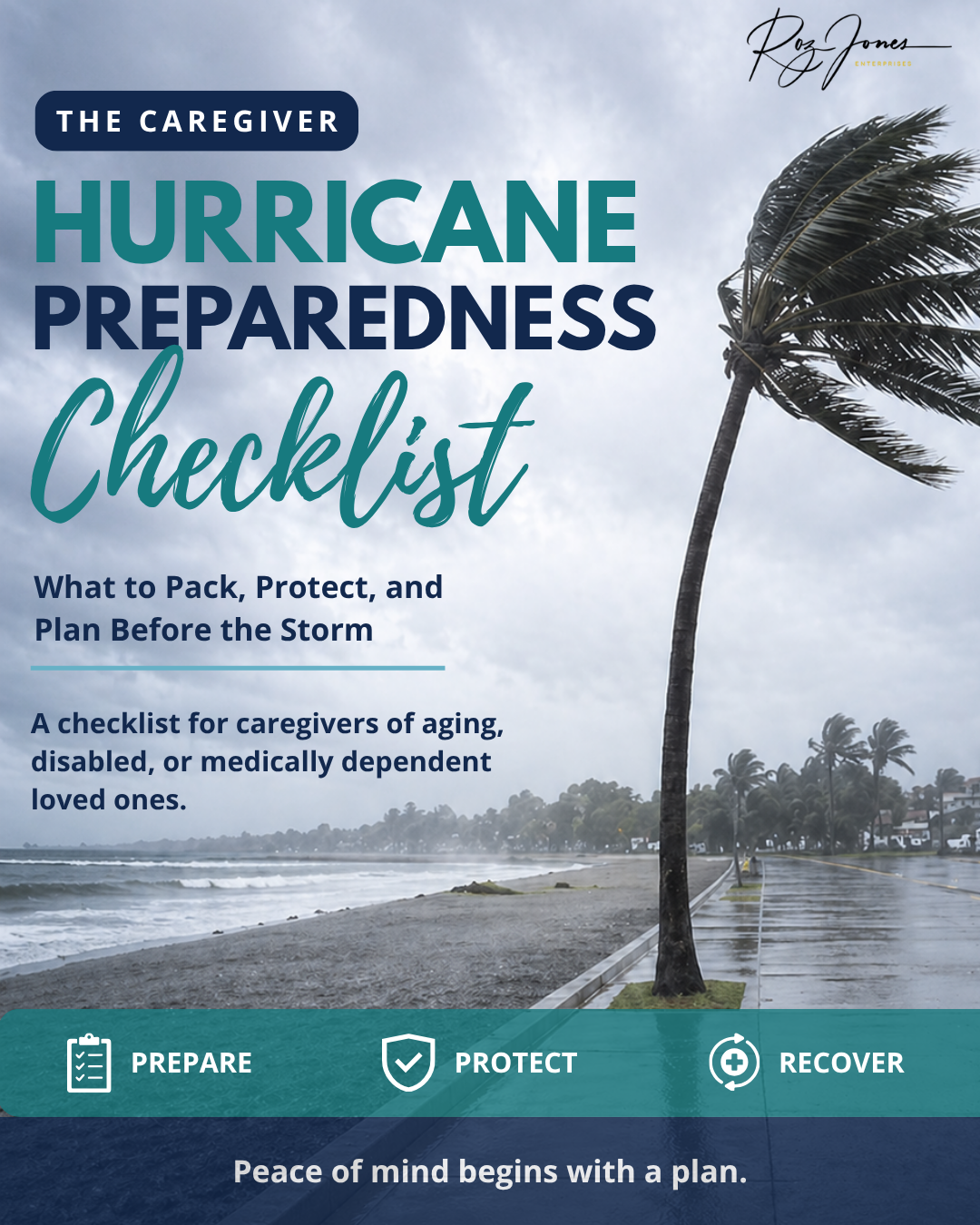
Stay Ahead of the Storm: Download Your Free Expert Storm Guide Now!

Photo by ALTEREDSNAPS on Pexels.com

As we know, June โ€“ November is Hurricane Season. As a family caregiver, there are many ways to prepare your loved ones for it. Early preparation helps reduce opportunities for stress and anxiety as storms approach.

One of the best ways to prepare is allowing your loved on to assist in packing their travel bag, checking their contact list and ensuring there are adequate emergency supplies.

Participationโ€ฆ not isolationโ€ฆ go a long way when preparing for major storms. This Seniors Storm Guide gives essential information to refer to again and again!


Embracing Elegance and Ease: Unwind with Graceful Relaxation Ideas for Caregivers and Aging Loved Ones

By Roz Jones

In the intricate dance of caregiving, finding moments of relaxation and rejuvenation is a harmonious step towards well-being. As we navigate the beautiful journey of caring for aging loved ones, it’s imperative to prioritize our own wellness as well. This blog is an ode to the art of graceful relaxation, offering caregivers and their cherished seniors a symphony of ideas to unwind, connect, and cultivate tranquility together.

1. Mindful Moments for Caregivers and Loved Ones

Elevate relaxation to an art form with mindful moments that blend presence and tranquility. Engage in joint meditation sessions, guiding each other through deep breaths and soothing visualizations. Together, you’ll create a symphony of serenity that harmonizes your spirits and nurtures your well-being.

2.Creating Memories Under the Stars

As the sun sets, embark on moonlit strolls that whisper of enchantment and togetherness. Walk hand in hand, sharing stories and dreams beneath the celestial canvas. The night becomes your sanctuary, where every step bathes you in a calming embrace of nature’s elegance.

3.Savoring the Art of Shared Meals

Craft a culinary masterpiece together, transforming mealtime into a journey of flavor and connection. Experiment with new recipes or revive old favorites, nurturing both body and soul. The simple act of preparing and enjoying a meal becomes an elegant expression of your bond.

4.Tranquility in the Great Outdoors

Escape the hustle and bustle and seek refuge in nature’s embrace. Venture to a nearby park, garden, or lakefront, where the melody of birdsong and rustling leaves provides the backdrop to your serene interlude. Immersed in nature’s elegance, you’ll discover moments of rejuvenation that leave your spirits dancing.

5.Creative Pursuits for Heart and Soul

Unleash your creativity through artistic endeavors that speak to your soul. Engage in painting, crafting, or even writing, allowing self-expression to flow gracefully. These shared moments of artistic elegance become a canvas where memories are painted with vibrant colors of joy and connection.

6.Pampering Your Senses in Harmonious Bliss

Craft a spa experience that indulges the senses and nurtures well-being. Draw soothing baths, engage in gentle massages, and immerse yourselves in serene ambiance. Your spa symphony becomes a testament to the graceful art of self-care and relaxation.

In the exquisite tapestry of caregiving, cultivating well-being is a dance that caregivers and aging loved ones perform together. With these ideas as your elegant choreography, you’ll create harmonious moments that celebrate the beauty of your bond while embracing the tranquil symphony of relaxation. Step into the world of elegance, well-being, and shared relaxation. Together, you’ll compose a melodious rhythm that echoes through time, leaving a legacy of grace and connection.

Planning a Summer Vacation with an Aging Loved One? Download the FREE Checklist!

Are you embarking on a summer vacation adventure with a loved one in need of care? Whether you’re a caregiver or know someone who is, we understand the unique challenges and considerations that come with vacationing while ensuring your loved one is safe..

Make your vacation experience stress-free and enjoyable for both you and your loved one, we’re excited to offer you a free downloadable checklist!

Stay Ahead of the Storm: Download Your Free Expert Storm Guide Now!

Photo by ALTEREDSNAPS on Pexels.com

As we know, June โ€“ November is Hurricane Season. As a family caregiver, there are many ways to prepare your loved ones for it. Early preparation helps reduce opportunities for stress and anxiety as storms approach.

One of the best ways to prepare is allowing your loved on to assist in packing their travel bag, checking their contact list and ensuring there are adequate emergency supplies.

Participationโ€ฆ not isolationโ€ฆ go a long way when preparing for major storms. This Seniors Storm Guide gives essential information to refer to again and again!


Calm & Chaos: Cleaning up Chaos to Induce Calm

By Roz Jones

As National Relaxation Day approaches, we invite you to join us on a journey of rejuvenation and connection. In the midst of life’s chaos, finding moments of calm is not just a luxury but a necessity, especially for caregivers and their aging loved ones. This blog is dedicated to unraveling the chaos and welcoming serenity through simple yet effective self-care activities that can be shared and cherished together.

1. Mindful Meditation

Gently guide your aging loved one through mindful meditation sessions. Find a quiet, comfortable space, and lead them through deep breathing exercises and guided visualization. The tranquility of the moment can melt away stress and create a shared sense of serenity.

2. Nature Walks

Immerse yourselves in the beauty of nature with leisurely walks. Stroll through a local park, botanical garden, or along a serene trail. Encourage your loved one to connect with the sights, sounds, and textures around them, fostering a sense of calm and grounding.

3. Creative Expression

Engage in creative activities that ignite joy and self-expression. Explore simple crafts, painting, or even coloring books designed for adults. These artistic ventures offer a therapeutic outlet and an opportunity to bond over shared creativity.

4. Gentle Yoga

Practice gentle yoga stretches suitable for both you and your loved one. Focus on gentle movements and poses that promote relaxation and flexibility. Yoga enhances physical well-being and can be a heartwarming way to connect on a deeper level.

5. Storytelling Sessions

Set aside time for storytelling sessions where you and your loved one share treasured memories, life experiences, and tales from the past. This heart-to-heart exchange fosters connection and offers a chance to relive cherished moments.

6. Spa Day at Home

Transform your living space into a haven of relaxation with a spa day at home. Run warm baths, give hand massages, or engage in simple skincare routines. This nurturing experience promotes well-being and rejuvenation for both of you.

On National Relaxation Day and beyond, these activities can pave the way for moments of serenity, laughter, and profound connection. Remember, amidst the chaos of caregiving, prioritizing self-care and nurturing the bond with your aging loved one are essential for a harmonious and fulfilling journey together. Let’s dedicate time to creating a serene oasis in the midst of life’s bustling pace. May the calm you nurture today ripple into a future adorned with peaceful moments shared between caregivers and their cherished loved ones.

Planning a Summer Vacation with an Aging Loved One? Download the FREE Checklist!

Are you embarking on a summer vacation adventure with a loved one in need of care? Whether you’re a caregiver or know someone who is, we understand the unique challenges and considerations that come with vacationing while ensuring your loved one is safe..

Make your vacation experience stress-free and enjoyable for both you and your loved one, we’re excited to offer you a free downloadable checklist!

Stay Ahead of the Storm: Download Your Free Expert Storm Guide Now!

Photo by ALTEREDSNAPS on Pexels.com

As we know, June โ€“ November is Hurricane Season. As a family caregiver, there are many ways to prepare your loved ones for it. Early preparation helps reduce opportunities for stress and anxiety as storms approach.

One of the best ways to prepare is allowing your loved on to assist in packing their travel bag, checking their contact list and ensuring there are adequate emergency supplies.

Participationโ€ฆ not isolationโ€ฆ go a long way when preparing for major storms. This Seniors Storm Guide gives essential information to refer to again and again!