Rest is Part of the Care Plan

By Roz Jones

Caregivers are often praised for how much they are able to carry. But over time, this level of responsibility can make rest feel unrealistic.

A caregiver may believe that stepping away will create more work, cause unnecessary disruption, or leave an aging loved one feeling abandoned. Even when respite care is available, guilt and worry may prevent the caregiver from using it.

However, rest should not be treated as something separate from caregiving. It is part of creating a care plan that can continue without sacrificing the caregiver’s physical health, emotional well-being, and ability to remain fully present.

Respite care offers more than time away from responsibility. When thoughtfully planned, it can create greater stability for the entire family.

Respite Care Should Begin Before a Crisis

Many caregivers wait until they are physically exhausted or emotionally overwhelmed before seeking additional support. By that point, the need for relief may be urgent, and the family may have little time to research options, prepare the aging loved one, or choose a provider carefully.

Respite care is often more effective when it is introduced before the caregiver reaches a breaking point.

Planning early gives families time to consider what kind of support is needed, how often it may be used, and who can provide care safely. It also allows the aging loved one to become familiar with another caregiver before an emergency requires the primary caregiver to step away unexpectedly.

A caregiver should not have to become ill, miss important medical appointments, or experience severe burnout before receiving help.

Respite can be used for a few hours, an overnight stay, a weekend, or a longer period, depending on the family’s needs and available resources. It may be provided in the home, through an adult day program, within a residential care setting, or by a trusted relative or friend.

Introducing respite gradually can make the transition easier for everyone involved.

Choose Support Based on the Care Required

Not every respite option will be appropriate for every aging loved one.

Some individuals may need companionship and help with meals. Others may require assistance with mobility, personal care, medication reminders, medical equipment, memory loss, or behavioral changes. The person providing respite must understand the level of responsibility involved.

Before selecting support, caregivers should clearly identify what the aging loved one needs throughout the day.

This includes the tasks that must be completed, but it should also include the routines, preferences, and details that help the person feel comfortable.

An aging loved one may prefer breakfast at a certain time, enjoy a particular television program, become anxious when the house is too quiet, or need additional time to complete personal care. Someone living with dementia may respond better to familiar language, music, or routines.

These details can help the respite provider offer care that feels more personal and less disruptive.

Families should also ask about the provider’s experience, training, availability, emergency procedures, and ability to manage the loved one’s specific needs. When professional respite care is being considered, caregivers may want to request references and learn how the provider screens and supervises staff.

The purpose is not only to find someone who is available. It is to find support that allows the caregiver to step away with greater confidence.

Prepare the Aging Loved One for the Change

An aging loved one may not immediately understand why someone else is providing care.

They may feel uncomfortable with a new person in the home, worry that the caregiver is leaving permanently, or interpret the decision as a sign that they have become a burden. These concerns may be especially difficult for someone experiencing memory loss, anxiety, or changes in routine.

Caregivers can reduce some of this uncertainty by discussing respite care before it begins.

The explanation should match the loved one’s level of understanding. Emphasize that the caregiver is taking a short break or completing another responsibility and will return. Introduce the respite provider in advance whenever possible and allow the aging loved one to become familiar with them while the primary caregiver is still present.

The first visit may be brief. The respite provider might share a meal, participate in a familiar activity, or spend time learning the daily routine.

A gradual introduction can help build trust.

The aging loved one should also be included in appropriate decisions. They may have preferences about who assists with personal care, what activities they would like to do, or where respite should take place.

Being included can make the change feel less like something being done to them and more like part of a care arrangement designed with their comfort in mind.

Create a Clear Respite Care Guide

A caregiver may know an aging loved one’s routine so well that many details are handled automatically. Another person will not have that same knowledge.

A written respite care guide can reduce confusion and help the provider respond more confidently.

The guide should include important contact information, medication instructions, meal preferences, mobility needs, allergies, medical conditions, emergency procedures, and the location of essential supplies.

It may also include the aging loved one’s daily schedule, preferred activities, communication style, and behaviors that may signal pain, anxiety, fatigue, or confusion.

For example, an aging loved one may become quiet when uncomfortable rather than asking for help. Another may repeat questions when feeling anxious. Someone with memory loss may become distressed if they cannot see the primary caregiver and may need calm reassurance rather than repeated correction.

These details can improve the quality of the respite experience and reduce the likelihood that the primary caregiver will receive repeated calls for information during the break.

The guide should be reviewed regularly as medications, routines, and care needs change.

Important information should not remain only in the caregiver’s memory.

Start With Shorter Periods of Respite

Caregivers who have been responsible for nearly every part of an aging loved one’s care may find it difficult to step away for an extended period.

Beginning with a shorter break can help build trust in the respite arrangement.

The caregiver may start with an hour to attend an appointment, take a walk, meet a friend, or sit quietly somewhere outside the home. As the aging loved one and respite provider become more comfortable with each other, the length of time can gradually increase.

Shorter visits also give the caregiver an opportunity to identify missing instructions, notice how the aging loved one responds, and determine whether the respite provider is a good fit.

The first experience does not have to be perfect.

There may be questions, adjustments, and moments of discomfort. These do not necessarily mean respite care will not work. They may simply show where the plan needs to be clarified or changed.

Building a reliable respite arrangement is often a process rather than a single decision.

Expect Guilt Without Letting It Make the Decision

Caregiver guilt can remain even when respite care is safe, necessary, and thoughtfully planned.

A caregiver may feel guilty for enjoying time away, especially if the aging loved one cannot participate in the same activity. They may worry that others will judge them or believe they should be able to continue without assistance.

Some caregivers may spend the entire break checking their phones, reviewing instructions, or thinking about what may be going wrong at home. They may return before the agreed time because resting feels more uncomfortable than continuing to provide care.

These feelings are common, but they should not determine whether the caregiver receives support.

Taking a break does not mean the caregiver loves the aging loved one less. It does not erase their commitment or make them irresponsible.

Caregiving requires energy, patience, decision-making, and emotional steadiness. Those abilities are harder to maintain when the caregiver is consistently depleted.

Guilt may appear during the first few respite experiences, but it can become easier to manage as the caregiver sees that the aging loved one can remain safe and supported while someone else helps.

Respite care is not a failure of devotion. It is an acknowledgment that quality care should not depend on one person being available every hour of every day.

Use Respite Time for What Is Actually Needed

Caregivers may feel pressure to use respite time productively.

They may schedule errands, clean the house, catch up on paperwork, or complete tasks that have been delayed. While these responsibilities may need attention, respite should not always become another work period.

The most helpful use of the time depends on what the caregiver needs most.

One caregiver may need uninterrupted sleep. Another may need to attend a medical appointment, spend time with friends, exercise, worship, go to therapy, or simply sit somewhere without listening for another person’s call.

Rest will not look the same for everyone.

A meaningful break does not have to be exciting or carefully planned. Its value comes from allowing the caregiver to step out of a constant state of responsibility.

Caregivers should also avoid filling every available respite hour with obligations simply because the time exists. Returning to care more exhausted than before defeats the purpose of the break.

Respite should create space for renewal, not another list of expectations.

Make Respite Part of the Regular Routine

Using respite only during emergencies can make each break feel unfamiliar and difficult.

Regularly scheduled respite may offer more stability for both the caregiver and aging loved one. The loved one can become familiar with the provider and begin to understand the routine. The caregiver can plan appointments, rest, and personal activities without waiting until exhaustion becomes severe.

Consistency may also help the caregiver recognize respite as a normal part of the care plan rather than a last resort.

The schedule does not have to be extensive. A few hours each week, twice a month, or at another manageable interval may provide meaningful relief.

The appropriate frequency will depend on the caregiver’s responsibilities, the aging loved one’s care needs, available resources, and the level of support provided by others.

Families should review the arrangement over time. An aging loved one’s needs may increase, the caregiver’s work schedule may change, or the original respite provider may no longer be available.

A sustainable plan must be flexible enough to grow with the caregiving situation.

Include Family Members in the Respite Plan

Professional respite care may not be the only source of support.

Relatives and trusted friends may be able to participate when responsibilities are clearly defined. One person may provide companionship for a few hours, while another handles transportation, prepares a meal, or stays overnight.

Family members may hesitate because they do not know what to do or believe the primary caregiver prefers to manage everything. Vague requests for help may also be difficult to respond to.

Specific requests can make participation more realistic.

Instead of asking someone to help more, the caregiver might ask whether they can stay with the aging loved one on the first Saturday of each month, provide transportation to one regular appointment, or sit with them for two hours while the caregiver attends therapy.

Clear expectations help others understand what is needed and whether they are able to commit.

Family support should still be based on the aging loved one’s comfort and safety. A relative who loves the person may not have the skills required to manage complex medical or personal care needs.

Each person should be given responsibilities they can handle reliably.

Prepare a Backup Before Respite Is Urgently Needed

Even a dependable care arrangement can change.

A provider may become ill. A family member may have a conflict. An adult day program may close temporarily. The aging loved one’s condition may change and require a different level of support.

Caregivers should identify more than one possible respite option whenever resources allow.

A backup plan may include another professional provider, a trusted family member, an agency, an adult day program, or a short-term residential care option.

Families should also know what support may be available through local aging services, caregiver organizations, faith communities, veterans’ programs, insurance benefits, or community agencies.

Researching these options can take time. Completing the work before a crisis allows the caregiver to make decisions more carefully.

The caregiver should not have to begin searching for help at the exact moment they are no longer able to continue.

Rest Protects the Relationship

Caregiving can change the relationship between the caregiver and aging loved one.

Conversations may become focused on medications, appointments, safety, and daily tasks. The caregiver may begin to feel more like a manager than a family member. The aging loved one may feel that every interaction is connected to something they need help doing.

Exhaustion can intensify this change. A depleted caregiver may become less patient, more easily frustrated, or emotionally distant, even when they are doing everything possible to provide good care.

Respite creates an opportunity for the caregiver to return with more emotional space.

The break may make it easier to sit together without rushing, listen more patiently, or enjoy an activity that is not centered on care. It can help restore parts of the relationship that daily responsibilities have pushed aside.

Respite does not only protect the caregiver’s health.

It may also protect the relationship from becoming defined entirely by the demands of caregiving.

A Strong Care Plan Includes Relief

Caregivers do not prove their love by becoming exhausted.

They do not have to wait until their health begins to decline before accepting support. They do not have to manage every responsibility personally for the care to be thoughtful and meaningful.

A strong care plan prepares for the aging loved one’s needs while also recognizing the caregiver’s limits.

Respite care creates room for rest, medical care, relationships, reflection, and life outside the caregiving role. It gives another trusted person an opportunity to learn the aging loved one’s routine and creates a support system that may become especially valuable during an emergency.

The most sustainable caregiving arrangements are not built around one person doing everything.

They are built around preparation, communication, shared responsibility, and the understanding that rest is part of providing care well.

For an introduction to respite care and the benefits it can provide, read the previous blog, The Power of Respite Care: A Guide for Caregivers During National Respite Care Month.

Prepare for Your Next Trip

Planning to travel with an aging loved one? Download the free Vacationing with an Aging Loved One Checklist to help you prepare for medications, mobility needs, comfort, safety, and unexpected changes.

Tune in to The Caregiver Café Podcast

What to Know About the Cost of Prescriptions

In this episode of The Caregiver Café with Roz Jones, Roz is talking about something many seniors and caregivers are feeling at the pharmacy counter: the rising cost of prescription medications.

As aging loved ones begin taking more medications, those costs can add up quickly. One prescription may not seem like much, but when there are several medications involved, the monthly total can become overwhelming for seniors, families, and caregivers trying to manage care on a fixed income.

Roz breaks down practical ways caregivers can help reduce the cost of prescriptions. She talks about asking doctors about generic medications, looking for less expensive brand-name options, using mail-order pharmacy services, reviewing Medicare drug plans during annual enrollment, and checking for state or manufacturer assistance programs.

Give Yourself a Moment of Grace

Caregiving includes demanding days, unexpected changes, and moments of connection that may be easy to overlook. Moments of Grace offers encouragement to caregivers who need a reminder to pause and recognize the meaningful moments along the journey.

Preparing for hurricane season?
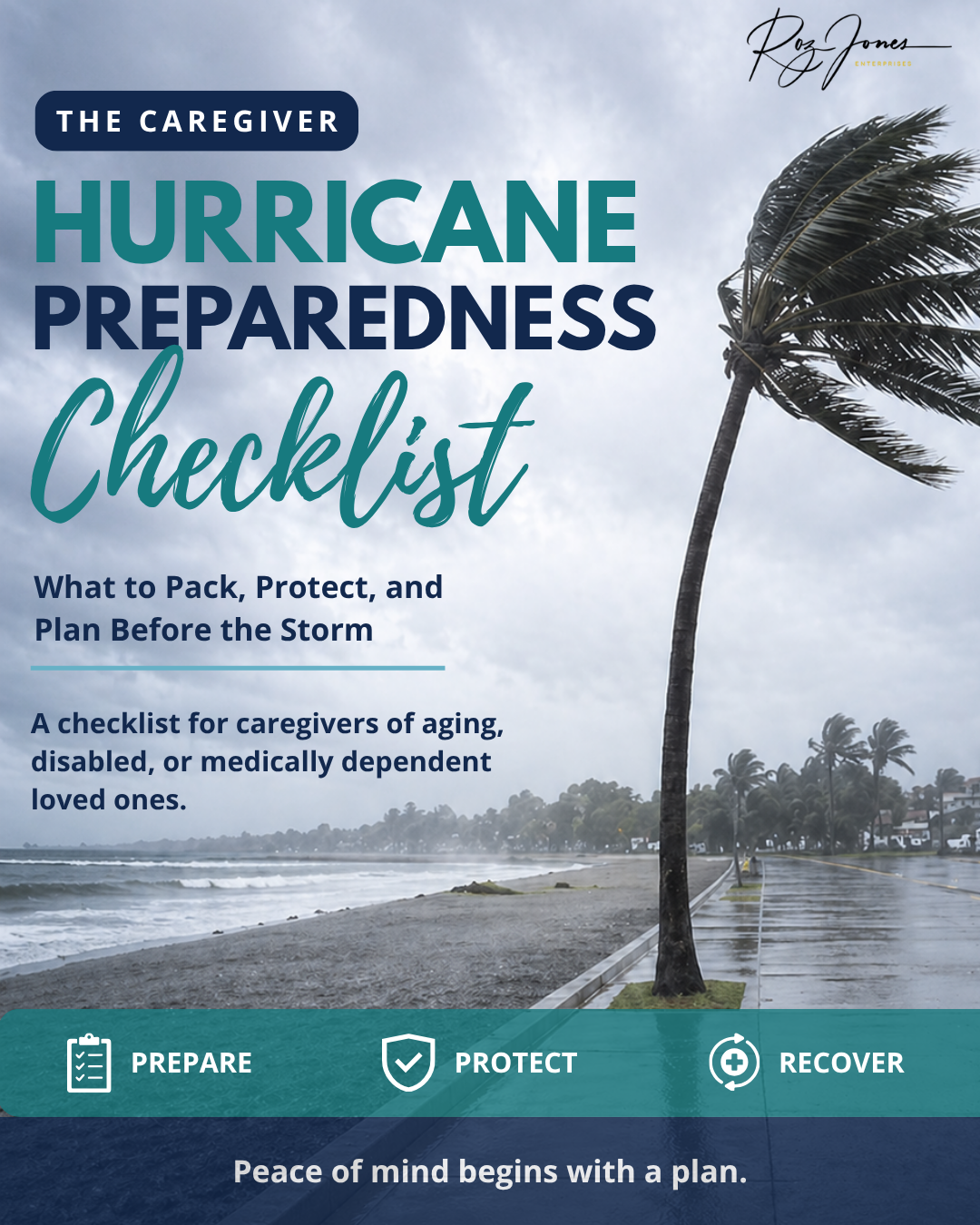
The Caregiver Hurricane Preparedness Checklist.

Are you preparing for hurricane season? Purchase the Caregiver Hurricane Preparedness Checklist to organize the information and supplies your family may need before severe weather arrives.

Subscribe to The Caregiver Cafe Weekly Newsletter!

Caregiving can be a roller coaster of ups and downs. The information that you will receive from The Caregiver Cafe Weekly Specials Newsletter will support you as a caregiver. Remember…

1. YOU ARE NOT ALONE: The problems you face as a caregiver are experienced by other caregivers. Knowing that you’re not alone can be comforting. 

2. Tools and Resources:  Find caregiver stress management tools and gain perspective from other caregiver’s experiences.

3. LEARN TO: Ask for help, accept help when it is offered, and acknowledge yourself on this caregiving journey. Hear from experts on how to balance caregiving responsibilities by taking care of your needs and involving others to help manage the natural stress and isolation of being a caregiver. 

Staying Connected While Away: Maintaining Continuity of Care During Your Vacation

By Roz Jones

Creating a detailed care plan is one of the most important steps a caregiver can take before leaving an aging loved one in someone else’s care. The plan provides guidance on medications, daily routines, dietary needs, medical conditions, emergency contacts, and other responsibilities that must continue during the caregiver’s absence.

Once the vacation begins, however, the care plan must be supported by clear and consistent communication.

Communication allows the caregiver, family members, professional caregivers, and healthcare providers to remain informed about changes in the aging loved one’s health, behavior, routine, and overall well-being. It also helps prevent small concerns from becoming larger problems.

The purpose is not for the primary caregiver to continue managing every detail from a distance. The goal is to establish a dependable system that allows important information to be shared, questions to be answered, and concerns to be addressed promptly.

Establish a Communication Schedule Before Leaving

Caregivers should decide how communication will be handled before the vacation begins.

Without a clear plan, updates may come from several different people at different times. One family member may send a text, another may call, and a professional caregiver may leave a separate message. This can make it difficult to determine what happened, when it occurred, and whether the information has already been addressed.

Designating one person as the primary contact can help organize communication.

The primary contact may be a family member, trusted friend, professional caregiver, or care coordinator who understands the full care plan. This individual can collect information from everyone involved and provide the caregiver with a complete update.

The frequency of those updates should be based on the aging loved one’s condition and level of care.

A loved one who remains mostly independent may only require one update each day. Someone with complex medical needs, memory loss, mobility limitations, or significant personal care needs may require more frequent communication.

The schedule may include a morning and evening update, one daily phone call, or immediate contact only when an important change occurs.

Establishing the schedule in advance helps the caregiver remain informed without spending the entire vacation waiting for phone calls or checking messages.

Determine What Information Should Be Shared

Routine updates should focus on the areas that reflect the loved one’s health, safety, and ability to complete daily activities.

Useful information may include whether medications were taken, meals were eaten, fluids were offered, appointments were completed, and the loved one rested comfortably.

The care team should also report changes in mobility, pain, behavior, sleep, appetite, bathroom habits, confusion, or alertness.

General statements such as “everything is fine” may sound reassuring, but they do not provide enough information to identify a developing concern.

A more useful update may explain that the loved one took all scheduled medications, ate breakfast and lunch, drank less water than usual, rested for most of the afternoon, and appeared more tired during the evening.

Specific information allows the caregiver and support team to recognize patterns.

A single skipped meal may not be unusual. Several missed meals, reduced fluid intake, and increased fatigue may indicate a larger concern that needs attention.

Separate Routine Changes From Urgent Concerns

The support team should understand which matters can be discussed during the scheduled update and which situations require immediate action.

Minor adjustments to the routine may not require the caregiver’s involvement. The loved one may choose a different meal, go to bed earlier, cancel an activity, or spend more time resting.

These changes can often be managed by the person providing care.

Medical emergencies and significant changes should be handled differently.

Immediate attention may be necessary when an aging loved one experiences chest pain, difficulty breathing, sudden weakness, slurred speech, loss of consciousness, severe confusion, a serious fall, or another sudden change in health.

The care team should also know what to do if a critical medication is missed, medical equipment stops working, the loved one refuses food or fluids for an extended period, or the scheduled caregiver fails to arrive.

Emergency services and healthcare providers should be contacted first when immediate medical care is needed. The primary caregiver should then be notified as soon as possible.

A caregiver should never have to make an emergency decision from a distance before the person at home takes action to protect the loved one.

Keep a Daily Care Record

A written care record can improve communication when several people are sharing responsibilities.

The record may be kept in a notebook, on a printed form, in a secure shared document, or through a caregiving application.

Each person providing care should document important information before ending their shift or leaving the home.

The record may include medication times, meals, fluid intake, blood pressure or blood sugar readings, pain levels, sleep patterns, mood, bathroom activity, appointments, and changes in mobility or behavior.

Documenting care prevents information from being lost between one caregiver and the next.

For example, the person arriving in the evening should know whether the loved one ate lunch, took afternoon medication, experienced dizziness, or reported pain earlier in the day.

A care record is also helpful when speaking with healthcare professionals. Accurate notes can provide a clearer picture of when a change began and how it progressed.

Maintain Contact With the Aging Loved One

Communication with the care team should not completely replace direct contact with the aging loved one.

A scheduled phone call or video call may provide comfort, reassurance, and connection while the caregiver is away.

The frequency and length of these calls should be based on the loved one’s needs.

Some aging adults may look forward to a daily conversation. Others may become anxious, confused, or upset after speaking with the caregiver.

A loved one living with dementia may repeatedly ask when the caregiver is returning or may not understand why the caregiver is away.

In these situations, shorter calls may be more appropriate. The person providing care should observe how the loved one responds before, during, and after the conversation.

Contact should support the loved one’s emotional well-being rather than interfere with the routine or increase distress.

Prepare for Emotional and Behavioral Changes

The absence of a primary caregiver can affect an aging loved one emotionally.

Even when the care plan remains consistent, the loved one may feel lonely, worried, frustrated, or uncertain about the change.

These emotions may appear through withdrawal, irritability, changes in sleep, reduced appetite, repeated questions, or resistance to care.

The support team should know which routines and activities provide comfort.

Familiar music, favorite television programs, photographs, preferred meals, quiet activities, and regular mealtimes may help maintain a sense of stability.

Reducing unnecessary changes in the home can also be helpful.

Whenever possible, caregivers should follow the same schedule, use familiar household items, and avoid introducing too many new people at once.

Behavioral changes should be monitored carefully.

Sudden confusion, agitation, or withdrawal should not automatically be attributed to the caregiver’s absence. Pain, dehydration, infection, medication issues, and other medical conditions can also cause changes in behavior.

When a change is significant or continues to worsen, the healthcare provider should be contacted.

Protect Privacy When Sharing Information

The aging loved one’s medical and personal information should remain protected during the caregiver’s absence.

Updates should only be shared with the people directly involved in the care plan.

Large family group messages may not be the appropriate place to discuss medications, medical conditions, bathroom habits, behavioral changes, or other private concerns.

The support team should also avoid posting photographs or personal updates on social media without permission.

Needing assistance does not remove an aging adult’s right to privacy.

Caregivers should use secure communication methods whenever possible and limit the information shared to what is necessary for care.

Avoid Managing the Entire Routine From a Distance

Some caregivers create a complete support plan but continue directing every decision after leaving.

They may call several times a day, monitor every meal, question small changes, and attempt to solve routine issues from their vacation destination.

This prevents the support team from carrying out the responsibilities they agreed to manage. It also prevents the caregiver from receiving the rest that the vacation was intended to provide.

The care plan should give trusted people enough information to make ordinary decisions.

The caregiver should remain available for significant concerns, changes in health, and situations that fall outside the written instructions.

Not every schedule adjustment requires approval.

Continuity of care does not mean every day must happen exactly as it would if the primary caregiver were home. It means the aging loved one continues receiving safe, respectful, and appropriate care.

Prepare for Communication Problems

Caregivers should also plan for periods when they may be unavailable.

Cell phone service may be limited.

The caregiver may be traveling by airplane, attending an activity, sleeping in another time zone, or unable to answer immediately.

The care team should have more than one contact option.

This may include a secondary family contact, email address, lodging information, travel itinerary, healthcare provider numbers, insurance information, and emergency contacts.

The support team should understand who to contact first and what steps should be taken if the primary caregiver cannot be reached.

Emergency care should never depend on one person answering one phone call.

Review the Care Experience After Returning Home

When the caregiver returns, the communication process should be reviewed along with the care plan.

Care notes, medication records, appointments, and health changes should be discussed.

The caregiver should ask the support team what worked well and what created difficulty.

The aging loved one should also be included in the conversation whenever possible.

They may have concerns about the schedule, food, personal care, visitors, or communication that should be considered before the next vacation.

The review may reveal that certain forms of support should continue.

A family member may be willing to provide regular check-ins. A professional caregiver may become part of an ongoing respite plan. A written care log may continue to be useful for appointments and medication management.

The information gathered during the vacation can strengthen the overall caregiving plan.

Communication Supports Continuity of Care

A detailed care plan provides the instructions needed to support an aging loved one.

Communication helps families determine whether those instructions are working.

When updates are organized, concerns are documented, and emergency procedures are clear, everyone involved can respond more effectively.

The aging loved one receives consistent care.

The support team understands what information should be shared.

The primary caregiver remains informed without continuing to manage every responsibility from a distance.

Effective communication does not require constant calls and messages.

It requires accurate information, clear expectations, and the right people knowing what to do when something changes.

Read the previous blog to learn how to document an aging loved one’s medical needs, medications, daily routines, emergency procedures, healthcare contacts, and other information needed before leaving someone else responsible for care.

Prepare for Your Next Trip

Before traveling with an aging loved one, download the free Vacationing with an Aging Loved One Checklist.

This checklist will help you organize important information, supplies, medications, documents, accommodations, and care needs before leaving home.

Tune in to The Caregiver Café Podcast

Assisted Living: What Caregivers Need to Know

In this episode of The Caregiver Café with Roz Jones, Roz is talking about what caregivers need to know when it may be time to look for an assisted living facility.

There may come a point in the caregiving journey when your loved one’s care needs become more than one person can safely manage at home. Maybe their condition has changed. Maybe they need help standing, bathing, eating, taking medication, or getting to the bathroom. Maybe it now takes two people to safely transfer them from the bed or chair. When that happens, it may be time to start asking questions and exploring the next level of care.

Roz walks listeners through some of the important questions to ask when touring an assisted living facility, including staff ratios, staff turnover, training, medical support, room options, emergency response systems, accessibility, activities, meals, shared spaces, and whether residents can bring personal furniture or pets.

This episode is a practical reminder that choosing a facility is not only about the building. It is about safety, staffing, comfort, dignity, and making sure your loved one receives the care they need.

Before you take a tour, pour yourself something warm, get your questions ready, and let Roz help you know what to look for, what to ask, and what to pay attention to.

Give Yourself a Moment of Grace

If you need encouragement for the emotional side of caregiving, purchase Roz Jones’ book, Moments of Grace. This book offers support, reflection, and reminders of grace for the caregiver who is carrying a lot.

This journal was created to help caregivers pause, breathe, reflect, and find strength in the middle of the caregiving journey.

Purchase Moments of Grace today and give yourself permission to breathe in the middle of the caregiving journey.

Don’t Wait Until the Storm is Coming

The Caregiver Hurricane Preparedness Checklist.

Severe weather can create additional risks for aging loved ones and family caregivers.

The Caregiver Hurricane Preparedness Checklist will help you organize emergency contacts, medications, medical information, evacuation needs, important documents and essential supplies before a storm arrives.

Need Help Sorting Through the Care Plan?

Roz Jones is a dedicated caretaker turned CEO with over a decade of experience in helping families care for and make decisions for loved ones and their legacies.Roz is a compassionate, innovative healthcare industry leader.

If your family needs help thinking through care decisions, caregiving responsibilities, or next steps, book a session with Roz Jones. You do not have to navigate this season alone.

Together, we can talk through what is working, what is becoming too heavy, and what boundaries need to be strengthened so you can continue to care without losing yourself in the process.

Subscribe to The Caregiver Cafe Weekly Newsletter!

Caregiving can be a roller coaster of ups and downs. The information that you will receive from The Caregiver Cafe Weekly Specials Newsletter will support you as a caregiver. Remember…

1. YOU ARE NOT ALONE: The problems you face as a caregiver are experienced by other caregivers. Knowing that you’re not alone can be comforting. 

2. Tools and Resources:  Find caregiver stress management tools and gain perspective from other caregiver’s experiences.

3. LEARN TO: Ask for help, accept help when it is offered, and acknowledge yourself on this caregiving journey. Hear from experts on how to balance caregiving responsibilities by taking care of your needs and involving others to help manage the natural stress and isolation of being a caregiver. 

Building a Reliable Support Network Before Your Vacation

By Roz Jones

After assessing the needs of an aging loved one and creating a pre-vacation care plan, the next step is putting the right support system in place.

A written care plan is important, but it is only effective when dependable people are available to carry it out. Family members, friends, neighbors, and professional caregivers may all play a role, depending on the loved one’s level of independence and daily care needs.

Caregivers should avoid making assumptions about who will help or what each person is prepared to manage. Clear communication, defined responsibilities, and a backup plan are necessary to ensure continuity of care while the primary caregiver is away.

Determine the Level of Support Required

The support plan should be based on the aging loved one’s actual needs rather than what is easiest to arrange.

Some aging adults may remain mostly independent and require only occasional check-ins, transportation, meal preparation, or medication reminders. Others may need assistance with bathing, dressing, mobility, toileting, supervision, or medical equipment.

Review the care assessment and consider the level of support required throughout the day.

Important areas to evaluate include:

  • Medication management
  • Meal preparation and hydration
  • Personal care
  • Mobility and fall prevention
  • Transportation
  • Household safety
  • Companionship
  • Memory support
  • Medical appointments
  • Overnight supervision
  • Emergency response

Understanding the full scope of care will help determine whether support can be provided by family and friends or whether professional services are needed.

Include the Aging Loved One in the Process

Whenever possible, the aging loved one should be involved in decisions about who will provide care.

Personal care often involves privacy, trust, and comfort. A loved one may be comfortable receiving help from one family member but not another. They may also have concerns about unfamiliar caregivers entering the home or assisting with personal routines.

Discuss the proposed care arrangements in advance. Explain who will be involved, what responsibilities they will have, and how often they will visit.

If professional care will be used, arrange an introduction before the vacation begins. This allows the loved one to become familiar with the caregiver and gives everyone time to discuss routines, preferences, and concerns.

Including the loved one in the planning process supports dignity and can reduce anxiety about the caregiver’s absence.

Choose Support Based on Ability

Family members may be willing to help but may not fully understand the responsibilities involved.

Someone who feels comfortable preparing meals may not be comfortable assisting with bathing or toileting. A relative may be willing to provide transportation but may not be able to manage medications or respond to changes in behavior.

Each responsibility should be assigned based on a person’s availability, ability, and comfort level.

Caregivers should provide an honest explanation of what the role requires. General requests such as asking someone to “check in” may not provide enough clarity.

Instead, define the specific task.

Examples may include:

  • Preparing breakfast each morning
  • Providing transportation to appointments
  • Calling at scheduled times
  • Assisting with medication reminders
  • Staying in the home for several hours
  • Helping with mobility
  • Picking up groceries
  • Monitoring changes in health or behavior

Specific instructions help prevent misunderstandings and make it easier for family members to decide what they can realistically manage.

Assign Clear Responsibilities

A reliable support network requires more than a list of names.

Each person should know what they are responsible for, when they are expected to help, and who they should contact if a problem occurs.

Create a written schedule that includes:

  • The name of each support person
  • Assigned responsibilities
  • Dates and times of visits
  • Contact information
  • Backup coverage
  • Instructions for reporting concerns

When responsibilities are divided clearly, there is less risk that medications, meals, appointments, or personal care needs will be overlooked.

A written schedule also provides accountability and allows the primary caregiver to identify gaps before leaving.

Select a Primary Contact

One person should serve as the primary point of contact during the caregiver’s absence.

This individual should have a complete copy of the care plan and understand how the different parts of the support network work together.

The primary contact should know how to reach:

  • The aging loved one
  • Family members
  • Professional caregivers
  • Healthcare providers
  • The pharmacy
  • Emergency services
  • The primary caregiver

This person does not need to perform every caregiving responsibility. Their role is to coordinate communication, respond to unexpected changes, and help resolve problems.

Choose someone who is organized, dependable, and able to remain calm during an emergency.

Consider Professional Care Services

Family support may not always be enough.

Work schedules, distance, health limitations, and other responsibilities may prevent relatives from providing consistent care. Some aging loved ones may also need assistance that requires training or experience.

Professional support may include:

  • In-home personal care
  • Home health services
  • Respite care
  • Adult day programs
  • Meal delivery
  • Transportation services
  • Medication management
  • Short-term residential care

Professional services can fill gaps in the family’s availability and provide additional support for more complex needs.

Begin researching options early. Agencies may require assessments, paperwork, service agreements, or advance scheduling before care can begin.

Waiting until the final days before a vacation may limit the available choices.

Schedule a Trial Visit

A trial visit should be arranged before the primary caregiver leaves.

The person providing care should spend time with the aging loved one while the primary caregiver is still present.

During the visit, review the daily routine and demonstrate any tasks that require special instruction.

This may include:

  • Using mobility equipment
  • Preparing meals
  • Organizing medications
  • Assisting with transfers
  • Managing medical devices
  • Supporting memory loss
  • Responding to anxiety or confusion
  • Following bedtime routines
  • Locating emergency supplies

The trial visit provides an opportunity to identify questions, concerns, or safety issues before the care arrangement begins.

It also helps the aging loved one become more comfortable with the transition.

Create a Written Care Guide

Verbal instructions can be forgotten or misunderstood.

A written care guide should provide practical information about the aging loved one’s daily routine and health needs.

The guide may include:

  • Medication names, doses, and schedules
  • Dietary restrictions
  • Meal preferences
  • Personal care routines
  • Mobility limitations
  • Bathroom needs
  • Sleep schedules
  • Appointment information
  • Medical conditions
  • Known allergies
  • Behavioral changes to monitor
  • Emergency contacts
  • Healthcare provider information
  • Pharmacy information
  • Instructions for medical equipment

The care guide should be easy to read and stored in an accessible location.

Copies should be provided only to the people who need the information. Private medical and financial information should remain protected.

Review the guide with the support team before leaving to confirm that the instructions are understood.

Establish a Communication Schedule

The caregiver should decide how updates will be handled during the vacation.

Some caregivers may want one daily phone call. Others may prefer morning and evening text messages. In some situations, the primary contact may provide updates only when there is a concern.

The communication plan should identify:

  • How often updates will be provided
  • Who will provide them
  • Which method will be used
  • What information should be included
  • Which situations require immediate contact

Immediate communication may be necessary in situations involving:

  • A fall
  • A missed medication
  • Sudden confusion
  • Difficulty breathing
  • Chest pain
  • Refusal to eat or drink
  • A caregiver failing to arrive
  • A power outage
  • A medical emergency

Clear expectations allow the caregiver to remain informed without having to supervise every part of the care plan from a distance.

Develop a Backup Plan

Unexpected changes can affect even the most organized care plan.

A family member may become ill. A professional caregiver may cancel. Transportation may become unavailable. Severe weather may affect access to the home.

Backup coverage should be arranged for the most important responsibilities.

Alternate caregivers should have access to:

  • The written care guide
  • Emergency contact information
  • Medication instructions
  • The daily schedule
  • Necessary keys or access codes
  • Medical equipment instructions

The backup plan should be reviewed before the vacation begins.

A dependable care plan includes preparation for what happens when the original arrangement changes.

Prepare the Home

The home should be organized to make caregiving responsibilities easier and reduce safety risks.

Before leaving, caregivers should:

  • Remove clutter and tripping hazards
  • Clear walkways
  • Replace burned-out light bulbs
  • Secure loose rugs
  • Check handrails and grab bars
  • Place frequently used items within reach
  • Restock food and supplies
  • Refill medications
  • Organize personal care products
  • Test emergency alert devices
  • Check smoke and carbon monoxide detectors
  • Charge medical equipment and backup batteries

Labeling supplies and placing instructions near unfamiliar equipment may also be helpful.

A well-prepared home allows the support team to focus on the loved one’s care rather than searching for supplies or correcting preventable hazards.

Protect Privacy and Dignity

Care arrangements should continue to respect the aging loved one’s privacy.

Everyone involved should understand which areas of the home, personal records, devices, and belongings are private.

Medical information should only be shared with individuals who need it to provide care. Personal updates or photographs should not be shared without permission.

Assistance with bathing, dressing, toileting, or other personal tasks should be provided respectfully and discreetly.

The need for care does not remove a person’s right to dignity, choice, and privacy.

Allow the Care Plan to Work

Many caregivers continue to feel responsible for every detail even after a support network has been arranged.

They may call repeatedly, monitor the home, or attempt to manage each task from a distance.

Some communication is necessary, but the purpose of creating a support plan is to allow trusted people to provide care during the caregiver’s absence.

Taking time away is not abandonment.

Respite allows caregivers to rest, recover, and return with greater energy.

When the care needs have been assessed, responsibilities have been assigned, instructions have been provided, and backup plans are in place, the caregiver can leave knowing that preparation has been completed.

Build Support Beyond the Vacation

The support network created for a vacation may also reveal opportunities for ongoing assistance.

A family member may continue helping with meals.

A neighbor may remain available for periodic check-ins.

A professional caregiver may provide regular respite.

Transportation or adult day services may become part of the long-term care plan.

Vacation planning can help families identify where the primary caregiver needs additional support throughout the year.

Caregiving should not depend on one person managing every responsibility alone.

A strong support network protects the aging loved one and reduces the risk of caregiver exhaustion.

The most effective plans are built on clear communication, dependable help, realistic expectations, and preparation for change.

Learn how to evaluate care requirements, identify potential challenges, communicate with healthcare professionals, involve an aging loved one in the planning process, and create a complete care plan before taking a vacation by reading the previous blog, Assessing the Needs of Aging Loved Ones: A Pre-Vacation Checklist.

Prepare for Your Next Trip

Before traveling with an aging loved one, download the free Vacationing with an Aging Loved One Checklist.

This checklist will help you organize important information, supplies, medications, documents, accommodations, and care needs before leaving home.

Tune in to The Caregiver Café Podcast

Assisted Living: What Caregivers Need to Know

In this episode of The Caregiver Café with Roz Jones, Roz is talking about what caregivers need to know when it may be time to look for an assisted living facility.

There may come a point in the caregiving journey when your loved one’s care needs become more than one person can safely manage at home. Maybe their condition has changed. Maybe they need help standing, bathing, eating, taking medication, or getting to the bathroom. Maybe it now takes two people to safely transfer them from the bed or chair. When that happens, it may be time to start asking questions and exploring the next level of care.

Roz walks listeners through some of the important questions to ask when touring an assisted living facility, including staff ratios, staff turnover, training, medical support, room options, emergency response systems, accessibility, activities, meals, shared spaces, and whether residents can bring personal furniture or pets.

This episode is a practical reminder that choosing a facility is not only about the building. It is about safety, staffing, comfort, dignity, and making sure your loved one receives the care they need.

Before you take a tour, pour yourself something warm, get your questions ready, and let Roz help you know what to look for, what to ask, and what to pay attention to.

Give Yourself a Moment of Grace

If you need encouragement for the emotional side of caregiving, purchase Roz Jones’ book, Moments of Grace. This book offers support, reflection, and reminders of grace for the caregiver who is carrying a lot.

This journal was created to help caregivers pause, breathe, reflect, and find strength in the middle of the caregiving journey.

Purchase Moments of Grace today and give yourself permission to breathe in the middle of the caregiving journey.

Don’t Wait Until the Storm is Coming

The Caregiver Hurricane Preparedness Checklist.

Severe weather can create additional risks for aging loved ones and family caregivers.

The Caregiver Hurricane Preparedness Checklist will help you organize emergency contacts, medications, medical information, evacuation needs, important documents and essential supplies before a storm arrives.

Need Help Sorting Through the Care Plan?

Roz Jones is a dedicated caretaker turned CEO with over a decade of experience in helping families care for and make decisions for loved ones and their legacies.Roz is a compassionate, innovative healthcare industry leader.

If your family needs help thinking through care decisions, caregiving responsibilities, or next steps, book a session with Roz Jones. You do not have to navigate this season alone.

Together, we can talk through what is working, what is becoming too heavy, and what boundaries need to be strengthened so you can continue to care without losing yourself in the process.

Subscribe to The Caregiver Cafe Weekly Newsletter!

Caregiving can be a roller coaster of ups and downs. The information that you will receive from The Caregiver Cafe Weekly Specials Newsletter will support you as a caregiver. Remember…

1. YOU ARE NOT ALONE: The problems you face as a caregiver are experienced by other caregivers. Knowing that you’re not alone can be comforting. 

2. Tools and Resources:  Find caregiver stress management tools and gain perspective from other caregiver’s experiences.

3. LEARN TO: Ask for help, accept help when it is offered, and acknowledge yourself on this caregiving journey. Hear from experts on how to balance caregiving responsibilities by taking care of your needs and involving others to help manage the natural stress and isolation of being a caregiver. 

When Hospice Begins, Caregivers Need Holding Too

By Roz Jones

Hospice care often begins when a family has already carried a long season of appointments, decisions, treatments, questions, and emotional weight.

By the time hospice becomes part of the conversation, caregivers may already be tired. They may have spent months or years coordinating care, managing symptoms, listening for changes, updating family members, and trying to keep the home steady. Hospice does not erase that weight. It brings a different kind of care, a different kind of support, and a different kind of emotional preparation.

For many families, hospice is misunderstood.

Some hear the word and feel fear. Some hear the word and think it means giving up. Some delay the conversation because they do not want to face what may be changing. But hospice care is not about abandoning a loved one. Hospice is about comfort, dignity, support, and making sure the person receiving care and the family surrounding them are not left to carry the final season alone.

And that includes the caregiver.

Family caregivers play a vital role during hospice care. They are often the ones noticing changes first. They are the ones calling the nurse, giving updates, managing the home, comforting the loved one, and helping the family understand what is happening. They may be present for difficult conversations, quiet moments, emotional shifts, and physical changes that are hard to witness.

That kind of care requires emotional support.

Not later.

Now.

Hospice Care Changes the Caregiver’s Role

When hospice begins, the caregiver’s responsibilities may shift, but they do not disappear.

The focus of care may move from treatment to comfort. The medical team may become more involved. Nurses, aides, chaplains, social workers, and other hospice professionals may enter the home or care setting. Medications may change. Routines may change. Family members may begin asking more questions.

The caregiver may feel relief that help has arrived, but that relief can exist alongside sadness, fear, guilt, uncertainty, and grief.

This is why emotional support matters.

The caregiver is not only managing tasks. The caregiver is also processing what hospice means for the loved one, for the family, and for the future. There may be moments when the caregiver feels grateful for the support and moments when the reality feels too heavy to hold.

Both can be true.

A caregiver can know hospice is the right support and still grieve the reason hospice is needed.

The Emotional Weight of Watching Change

One of the hardest parts of hospice caregiving is witnessing decline.

A loved one may sleep more. They may eat less. They may speak less. Their body may change. Their needs may become more delicate. The caregiver may find themselves watching closely, wondering what each change means and whether they are doing enough.

That watching can be exhausting.

Caregivers may experience anticipatory grief, which is the grief that begins before the loss occurs. They may feel sadness while still providing care. They may feel guilt for needing rest. They may feel anger that life has changed. They may feel anxious about what comes next.

These emotions do not mean the caregiver lacks faith, love, or strength.

They mean the caregiver is human.

Emotional support gives caregivers a place to put some of what they are carrying. It creates room for honesty, tears, questions, prayer, silence, and support without judgment. It reminds caregivers that they do not have to be strong every minute in order to love well.

Caregivers Need More Than Information

Hospice teams often provide education about symptoms, medications, equipment, and what to expect. That information is important. It helps families feel less afraid when changes happen. It helps caregivers understand when to call for help and how to provide comfort.

But caregivers need more than information.

They need someone to ask how they are holding up.
They need space to say what feels hard.
They need permission to rest.
They need family members who do more than wait for updates.
They need support that reaches the caregiver, not just the care plan.

A caregiver can have all the instructions and still feel emotionally overwhelmed.

That is why families must be intentional about supporting the person providing care. Hospice care should not become another season where one caregiver carries everything while everyone else stands at a distance.

Family Support Must Become Practical

During hospice care, concern is not enough.

Family members may say, “Let me know if you need anything,” but caregivers are often too tired to assign tasks in the moment. The better approach is to offer specific, practical support.

Someone can bring meals.
Someone can sit with the loved one while the caregiver rests.
Someone can manage phone calls and family updates.
Someone can help with laundry, groceries, errands, or transportation.
Someone can stay overnight if appropriate.
Someone can help organize paperwork, emergency contacts, and important documents.

Support becomes more meaningful when it lightens the caregiver’s actual load.

This is especially important when the caregiver is also managing grief. A caregiver who is emotionally overwhelmed may not have the energy to explain every need. Family members must pay attention, step in with care, and follow through.

Hospice Support Includes the Caregiver

Hospice care is designed to support both the patient and the family.

Caregivers should use the hospice team as part of their support system. The nurse can answer questions about symptoms and medication. The social worker can help with emotional concerns, family communication, planning, and resources. The chaplain can offer spiritual care. Bereavement support may also be available before and after the loss.

Caregivers do not have to wait until they are breaking down before asking for help.

Questions are allowed.
Tears are allowed.
Uncertainty is allowed.
Needing a break is allowed.

Hospice professionals understand that this season can be tender and difficult. They can help caregivers understand what is happening and remind them that comfort care includes the emotional well-being of the family.

Self-Care During Hospice Is Not Selfish

Self-care can feel complicated during hospice.

Many caregivers feel guilty leaving the room, taking a nap, eating a full meal, or stepping outside for air. They may feel they should be available every moment. They may worry that resting means they are not doing enough.

But caregivers cannot pour from a body and spirit that have been completely drained.

Self-care during hospice may be simple. It may look like drinking water. Eating something nourishing. Sitting outside for ten minutes. Letting someone else answer the phone. Taking a shower. Praying. Writing in a journal. Listening to music. Calling a trusted friend. Accepting respite when it is offered.

These small moments matter.

They help the caregiver remain present without becoming consumed. They help the body release some of the stress. They remind the caregiver that their needs still matter, even in a difficult season.

Emotional Support Protects the Caregiver and the Care

When caregivers are emotionally supported, care becomes steadier.

The caregiver is better able to listen, respond, communicate, and make decisions. They are less likely to feel completely alone in the process. They may still feel grief and exhaustion, but they are not carrying those feelings without support.

When caregivers are not supported, the weight can become too much. Stress can turn into burnout. Sadness can become isolation. Exhaustion can affect health, patience, and decision-making. Family tension can grow when one person feels responsible for everything.

Supporting the caregiver is not separate from supporting the loved one.

It is part of the same care.

A loved one in hospice deserves comfort and dignity. The caregiver deserves compassion and support while helping provide that care.

Preparing the Family Before Crisis

Hospice care also reminds families of the importance of preparation.

The more families talk, plan, and share responsibilities, the less pressure falls on one person. Caregivers need to know who is available, who can help, what documents are needed, what the hospice team provides, and how family communication will be handled.

Preparation does not remove the grief, but it can reduce confusion.

In a previous blog, The Importance of Emotional Support for Family Caregivers During Hospice Care, we talked about the importance of having the next hospice conversation before crisis makes every decision harder. This blog continues that conversation by reminding families that emotional support for the caregiver must be part of the plan, not an afterthought.

Caregivers Should Not Be Left Alone in Hospice

Hospice is a sacred and emotional season of care.

It can hold tenderness, sorrow, gratitude, fear, peace, and uncertainty all at once. It can bring families closer, but it can also reveal where support is missing. It can give caregivers help, but families must still be willing to surround the caregiver with compassion and practical care.

No caregiver should have to walk through hospice feeling invisible.

The caregiver needs to be seen.
The caregiver needs to be supported.
The caregiver needs to be allowed to grieve.
The caregiver needs to rest.
The caregiver needs a circle of people who understand that love does not mean carrying everything alone.

Hospice care is not only about helping a loved one die with dignity.

It is also about helping the family care with compassion, honesty, and support.

And the caregiver is part of that family.

Tune in to The Caregiver Café Podcast

In the first episode of The Caregiver Café with Roz Jones, Roz welcomes listeners into a space created to serve those caring for sick, aging, or vulnerable loved ones.

Roz shares the personal story that started her caregiving journey and how one unexpected hospital visit showed her just how quickly life can change. Through her experience, she reminds families of the importance of having documentation in order, including advance directives, healthcare surrogates, and backup support before a crisis happens.

This episode is a warm introduction to Roz, her heart for caregivers, and the purpose of The Caregiver Café: to provide resources, encouragement, and practical support that helps reduce stress, overwhelm, and safety concerns along the caregiving journey.

Pull up a chair. Roz has a seat waiting for you.

Give Yourself a Moment of Grace

If you need encouragement for the emotional side of caregiving, purchase Roz Jones’ book, Moments of Grace. This book offers support, reflection, and reminders of grace for the caregiver who is carrying a lot.

This journal was created to help caregivers pause, breathe, reflect, and find strength in the middle of the caregiving journey.

Purchase Moments of Grace today and give yourself permission to breathe in the middle of the caregiving journey.

Prepare Before the Emergency Comes

The Caregiver Hurricane Preparedness Checklist.

If you are caring for a loved one and want to be better prepared for storms, power outages, and unexpected caregiving emergencies, purchase the Caregiver Hurricane Preparedness Checklist. This resource can help you think through important details before a crisis is already at the door.

For only $1.99, this checklist gives you a simple starting point so you are not trying to gather everything during a storm, power outage, hospitalization, or sudden change in your loved one’s care.

Purchase the Caregiver Hurricane Preparedness Checklist for $1.99 today and take one more step toward peace of mind.

Need Help Sorting Through the Care Plan?

Roz Jones is a dedicated caretaker turned CEO with over a decade of experience in helping families care for and make decisions for loved ones and their legacies.Roz is a compassionate, innovative healthcare industry leader.

If your family needs help thinking through care decisions, caregiving responsibilities, or next steps, book a session with Roz Jones. You do not have to navigate this season alone.

Together, we can talk through what is working, what is becoming too heavy, and what boundaries need to be strengthened so you can continue to care without losing yourself in the process.

Subscribe to The Caregiver Cafe Weekly Newsletter!

Caregiving can be a roller coaster of ups and downs. The information that you will receive from The Caregiver Cafe Weekly Specials Newsletter will support you as a caregiver. Remember…

1. YOU ARE NOT ALONE: The problems you face as a caregiver are experienced by other caregivers. Knowing that you’re not alone can be comforting. 

2. Tools and Resources:  Find caregiver stress management tools and gain perspective from other caregiver’s experiences.

3. LEARN TO: Ask for help, accept help when it is offered, and acknowledge yourself on this caregiving journey. Hear from experts on how to balance caregiving responsibilities by taking care of your needs and involving others to help manage the natural stress and isolation of being a caregiver. 

Beyond the Brave Face: Emotional Wellness for Male Caregivers

By Roz Jones

Male caregivers often carry responsibilities that are not always visible to others.

The work may begin early in the morning with medication reminders, meal preparation, transportation, or checking in on a loved one before the rest of the day begins. It may continue through doctor’s appointments, household tasks, financial concerns, family updates, and the constant need to remain alert to changes in health, mood, or behavior.

Much of this work is done quietly.

Many male caregivers become the steady presence in the family. They are expected to manage, respond, decide, and continue forward. Their strength is often praised, but the emotional weight behind that strength is not always acknowledged.

Caregiving affects more than the daily schedule. It affects the heart, the mind, the body, and the relationships surrounding the caregiver. For male caregivers, emotional wellness must become part of the care plan because the quality of care is connected to the well-being of the person providing it.

The Emotional Side of Caregiving

Caregiving brings responsibility, but it also brings emotion.

A male caregiver may be caring for a parent whose needs are increasing, a spouse whose health is changing, a sibling who requires support, or another aging loved one who can no longer manage life in the same way. These changes can bring grief, worry, frustration, sadness, fear, and exhaustion.

In many families, male caregivers are expected to stay calm and composed. They may have been taught to handle problems privately, avoid emotional expression, and keep going without complaint. As a result, the emotional impact of caregiving may remain unnamed.

Unspoken stress can still affect the caregiver.

It may appear as irritability, fatigue, sleeplessness, withdrawal, impatience, or difficulty concentrating. It may also affect communication with family members, healthcare providers, and the loved one receiving care. These signs do not mean the caregiver is failing. They often indicate that the caregiver needs support, rest, and healthier ways to process what is being carried.

When Responsibility Becomes Isolation

Isolation is one of the quiet challenges many caregivers face.

For male caregivers, isolation may not always look like being physically alone. It may look like being surrounded by family but still feeling like the only one who truly understands the care needs. It may look like answering questions about the loved one’s condition while no one asks how the caregiver is managing. It may look like keeping difficult emotions private because there is no safe place to put them.

Over time, this isolation can make caregiving feel heavier than it already is.

Family members may assume that everything is under control because the caregiver continues to function. Friends may admire the caregiver’s dedication without realizing how much support is needed. The caregiver may begin to pull back from conversations, social activities, or personal routines because care has taken up more and more space.

Isolation can weaken both the caregiver and the care plan.

A caregiver who feels emotionally alone may struggle to ask for help, make clear decisions, or recognize when burnout is approaching. This is why emotional wellness is not separate from caregiving. It is part of the foundation that allows care to remain steady and sustainable.

Why Emotional Wellness Matters

Emotional wellness helps caregivers recognize what they are feeling and respond to those feelings in healthy ways. It does not remove the challenges of caregiving, but it gives the caregiver tools to manage the pressure with more clarity and support.

For male caregivers, emotional wellness can strengthen communication, improve relationships, and reduce the risk of carrying stress in silence. It can make it easier to identify when help is needed, when rest is necessary, and when a family conversation must happen.

A caregiver who is emotionally supported is better able to remain patient during difficult moments. He is better prepared to manage unexpected changes. He is more likely to seek resources before a crisis develops. He is also more able to care from a place of steadiness instead of constant depletion.

The caregiver’s emotional health matters because the caregiver matters.

Caregiving should not require a man to disappear behind responsibility. It should not require him to ignore his own stress in order to prove commitment. Emotional wellness allows male caregivers to remain connected to themselves while caring for someone else.

Healthy Relationships Support Better Care

Strong caregiving relationships require communication, honesty, and shared responsibility.

When the emotional burden rests on one person, resentment can build. Misunderstandings can grow. Family members may not realize how much is being handled behind the scenes. The caregiver may feel frustrated that others are not helping, while others may not know what kind of help is needed.

Healthy relationships create space for the care plan to be shared more clearly.

This may include assigning specific responsibilities, updating family members regularly, identifying backup support, or asking others to assist with transportation, meals, errands, paperwork, or respite. It may also include emotional check-ins that focus on the caregiver, not only the loved one receiving care.

For male caregivers, these relationships can provide important relief. They offer a reminder that caregiving does not have to be carried alone. They also help protect the caregiver from becoming the only person who understands the needs, routines, and decisions connected to care.

Supportive relationships do more than provide help. They help prevent isolation.

Healthy Coping Is Not Optional

Caregiving stress needs somewhere to go.

Without healthy coping strategies, stress can begin to settle into the body and mind. It may affect sleep, appetite, mood, focus, energy, and overall health. Male caregivers may be especially likely to minimize these effects if they have been taught to push through discomfort rather than address it.

Healthy coping creates room for release.

This may include walking, exercise, prayer, journaling, therapy, time outdoors, music, support groups, or quiet moments of reflection. It may also include practical routines such as scheduling respite care, attending personal medical appointments, or setting aside time each week for rest.

Coping is not about avoiding the reality of caregiving. It is about helping the caregiver remain well enough to continue.

Rest, reflection, and support are not signs of weakness. They are tools that help caregivers preserve their strength.

Professional Support Has a Place

There are times when family and friends may not be enough.

Professional support can help caregivers process the emotional and practical demands of care. A therapist or counselor can provide space to work through grief, stress, frustration, and burnout. A care manager may help families understand options and organize next steps. Respite care providers can allow caregivers to step away for rest or personal needs without leaving their loved one unsupported.

Community organizations, caregiver programs, senior centers, faith communities, and healthcare teams may also provide education, referrals, and resources.

Seeking professional support does not mean the caregiver has failed. It means the caregiver understands that sustainable care requires more than endurance.

Building Support Before Crisis

Caregiving becomes more difficult when support is only discussed after something has gone wrong.

Families benefit from building support before a crisis occurs. This includes knowing who can help, what resources are available, where important information is stored, and what the caregiver needs in order to continue safely and well.

This is especially important for male caregivers who may have been carrying responsibilities privately. When care details live only in one person’s head, the entire family becomes vulnerable during emergencies. A shared plan helps reduce confusion and allows others to step in with greater confidence.

In a previous blog, Igniting vs. Isolation: The Impact of Emotional Well-Being on Men, we discussed the importance of building a caregiver circle and creating relationships that can help carry the weight of care. This blog continues that message by focusing on the emotional wellness of male caregivers and the need for support that reaches beyond tasks.

Male Caregivers Need Care Too

Male caregivers are often recognized for their dependability, loyalty, and strength. Those qualities matter, but they should not become a reason to overlook their emotional needs.

The man who provides care may also be grieving.
He may be exhausted.
He may be overwhelmed.
He may need rest, guidance, encouragement, and support.
He may need someone to notice the weight behind the brave face.

Caregiving is an act of love, but love should not require emotional isolation.

When male caregivers are supported, families become stronger. Care plans become healthier. Communication improves. Emergencies become less chaotic. The caregiver is better able to continue without losing himself in the process.

Emotional wellness is not separate from caregiving.

It is one of the ways caregivers are sustained for the journey ahead.

Tune in to The Caregiver Café Podcast

In the first episode of The Caregiver Café with Roz Jones, Roz welcomes listeners into a space created to serve those caring for sick, aging, or vulnerable loved ones.

Roz shares the personal story that started her caregiving journey and how one unexpected hospital visit showed her just how quickly life can change. Through her experience, she reminds families of the importance of having documentation in order, including advance directives, healthcare surrogates, and backup support before a crisis happens.

This episode is a warm introduction to Roz, her heart for caregivers, and the purpose of The Caregiver Café: to provide resources, encouragement, and practical support that helps reduce stress, overwhelm, and safety concerns along the caregiving journey.

Pull up a chair. Roz has a seat waiting for you.

Give Yourself a Moment of Grace

If you need encouragement for the emotional side of caregiving, purchase Roz Jones’ book, Moments of Grace. This book offers support, reflection, and reminders of grace for the caregiver who is carrying a lot.

This journal was created to help caregivers pause, breathe, reflect, and find strength in the middle of the caregiving journey.

Purchase Moments of Grace today and give yourself permission to breathe in the middle of the caregiving journey.

Prepare Before the Emergency Comes

The Caregiver Hurricane Preparedness Checklist.

If you are caring for a loved one and want to be better prepared for storms, power outages, and unexpected caregiving emergencies, purchase the Caregiver Hurricane Preparedness Checklist. This resource can help you think through important details before a crisis is already at the door.

For only $1.99, this checklist gives you a simple starting point so you are not trying to gather everything during a storm, power outage, hospitalization, or sudden change in your loved one’s care.

Purchase the Caregiver Hurricane Preparedness Checklist for $1.99 today and take one more step toward peace of mind.

Need Help Sorting Through the Care Plan?

Roz Jones is a dedicated caretaker turned CEO with over a decade of experience in helping families care for and make decisions for loved ones and their legacies.Roz is a compassionate, innovative healthcare industry leader.

If your family needs help thinking through care decisions, caregiving responsibilities, or next steps, book a session with Roz Jones. You do not have to navigate this season alone.

Together, we can talk through what is working, what is becoming too heavy, and what boundaries need to be strengthened so you can continue to care without losing yourself in the process.

Subscribe to The Caregiver Cafe Weekly Newsletter!

Caregiving can be a roller coaster of ups and downs. The information that you will receive from The Caregiver Cafe Weekly Specials Newsletter will support you as a caregiver. Remember…

1. YOU ARE NOT ALONE: The problems you face as a caregiver are experienced by other caregivers. Knowing that you’re not alone can be comforting. 

2. Tools and Resources:  Find caregiver stress management tools and gain perspective from other caregiver’s experiences.

3. LEARN TO: Ask for help, accept help when it is offered, and acknowledge yourself on this caregiving journey. Hear from experts on how to balance caregiving responsibilities by taking care of your needs and involving others to help manage the natural stress and isolation of being a caregiver.