
Supporting the Mental Health of Minority Caregivers One Conversation at a TimeĀ 

By Roz Jones

Conversations about caregiving often begin with medications, doctor’s appointments, meal preparation, and keeping an aging loved one safe.

Conversations about mental health are not always given the same attention.

For many minority families, emotional well-being has traditionally been discussed quietly, if it is discussed at all. Feelings may be minimized, exhaustion may be overlooked, and caregivers may become so accustomed to carrying responsibility that they no longer recognize when the weight has become too heavy.

Changing that pattern does not happen overnight.

It begins with one conversation.

One conversation with a loved one about how they are coping emotionally.

One conversation with a family member about sharing caregiving responsibilities.

One conversation with a trusted healthcare professional, faith leader, therapist, or friend.

One honest conversation where a caregiver feels safe enough to say, “I need support.”

When families create space for these conversations, they begin building something just as important as a care plan. They begin building a culture where mental health is recognized as an essential part of caregiving rather than an afterthought.

Changing the Conversation Starts at Home

Supporting the mental health of minority caregivers does not always begin with finding the right resource or scheduling an appointment. Often, it begins with creating space for honest conversations within the family.

Caregiving discussions frequently revolve around practical responsibilities. Families talk about medications, doctor’s appointments, transportation, finances, and who will be available to help. While these conversations are necessary, they often leave out an equally important question:

How is everyone coping?

Taking time to ask that question can open the door to conversations that might not have happened otherwise. A caregiver may finally admit they are feeling overwhelmed. A sibling may realize they have underestimated how much responsibility one person has been carrying. An aging loved one may share fears or concerns they have kept to themselves because they did not want to burden their family.

These conversations do not need to solve every problem in a single afternoon.

Their purpose is to create understanding.

When families begin talking openly about emotional well-being alongside physical health, they create opportunities to identify concerns early, strengthen communication, and make decisions that support everyone involved in the caregiving journey.

Mental health should not become part of the conversation only after a caregiver reaches burnout or a loved one experiences a crisis. It deserves a place in the discussion from the very beginning, just as naturally as conversations about medications, appointments, or long-term care planning.

Make Mental Health Part of Every Healthcare Conversation

Caregiving conversations should not end when the doctor’s appointment begins.

Many caregivers arrive prepared to discuss medications, recent symptoms, upcoming procedures, and changes in their loved one’s health. These are important conversations, but they should not be the only ones taking place.

Emotional well-being deserves the same level of attention.

If you notice that your aging loved one has become withdrawn, is sleeping more than usual, seems unusually anxious, has lost interest in activities they once enjoyed, or is expressing feelings of hopelessness, those changes are worth discussing with their healthcare provider. Mental and emotional health are closely connected to physical health, and changes in mood or behavior should never be dismissed as simply “getting older.”

Caregivers should also feel comfortable speaking honestly about their own well-being.

If caregiving responsibilities are affecting your sleep, increasing your stress, making it difficult to focus at work, or impacting your physical or emotional health, share those concerns with your healthcare provider as well. While the appointment may focus on your loved one, your health is an important part of the caregiving equation.

Healthcare professionals can often connect families with counseling services, caregiver support groups, social workers, respite care, or other community resources that may not have been considered otherwise. Asking for these resources is not admitting defeat. It is taking a proactive step toward making caregiving more sustainable for both you and your loved one.

Strong caregiving begins with strong communication. The more openly families and healthcare providers talk about mental health, the better equipped they are to support the whole person—not just the diagnosis.

Small Conversations Can Lead to Meaningful Change

Starting a conversation about mental health does not require having all the right words. It simply requires creating opportunities for honest dialogue.

For an aging loved one, that conversation might begin with asking how they have been feeling emotionally instead of only asking how they are feeling physically. You may discover they are grieving the loss of independence, struggling with loneliness, or feeling anxious about changes in their health. These conversations can provide valuable insight into needs that may otherwise go unnoticed.

Caregivers also benefit from checking in with themselves. Taking a few moments to reflect on how you are coping emotionally can help you recognize when additional support may be needed. You might ask yourself:

Have I been feeling more overwhelmed than usual?

Am I sleeping well?

Have I lost interest in activities I once enjoyed?

Do I feel like I have someone I can talk to honestly?

These questions are not meant to judge or criticize. They are meant to increase awareness. Mental health concerns often develop gradually, making them easy to overlook when every day is focused on meeting someone else’s needs.

Families can also make emotional well-being part of their regular caregiving routine. Just as medications are reviewed and appointments are scheduled, consider setting aside time to talk about how everyone is doing. These conversations do not need to be formal. They can happen during dinner, on the drive home from a doctor’s appointment, or while sitting together at the end of a long day.

One conversation may not change everything.

But it can create an opening.

An opening for honesty.

An opening for support.

And an opening for caregivers and aging loved ones to recognize that emotional health deserves the same care and attention as physical health.

Finding Support That Respects Your Experience

Every caregiver deserves support that makes them feel seen, heard, and understood. For many minority caregivers, finding that support may involve looking for resources that recognize not only the challenges of caregiving but also the cultural experiences that shape how care is given and received.

For some families, support may come through a trusted faith community. Others may find comfort in a caregiver support group where they can connect with people facing similar challenges. Some caregivers may benefit from speaking with a therapist who understands the cultural values, family dynamics, or life experiences that influence the caregiving journey. Others may simply need a healthcare provider who takes the time to listen without making assumptions.

The most important thing is to find support that feels right for you.

There is no single path to protecting your mental health. What brings comfort and encouragement to one caregiver may not meet the needs of another. The goal is not to compare your journey to someone else’s. It is to build a network of people and resources that allows you to continue caring for your loved one without losing sight of your own well-being.

Today’s caregivers also have access to more resources than ever before. Virtual support groups, telehealth counseling, community organizations, faith-based programs, employee assistance programs, and caregiver education are helping families receive support in ways that may feel more accessible and flexible than in the past. Exploring these options can be an important step toward creating a caregiving plan that supports both your loved one and yourself.

Asking for support does not mean you are unable to care for your loved one.

It means you understand that caring for someone else becomes more sustainable when caregivers receive the encouragement, resources, and compassion they need as well.

Building a Healthier Caregiving Legacy

Every conversation about mental health has the potential to change more than one caregiving journey.

When families begin talking openly about emotional well-being, they create an environment where caregivers feel supported, aging loved ones feel heard, and future generations learn that asking for help is a sign of wisdom rather than weakness.

Children and grandchildren are often paying attention to how caregiving is modeled within the family. They notice how responsibilities are shared, how difficult conversations are handled, and whether emotional well-being is treated as an important part of overall health. When they see caregivers checking in with one another, seeking support when needed, and speaking honestly about the challenges of caregiving, they learn that caring for others should not require sacrificing themselves in the process.

These conversations also strengthen relationships within the family. They create opportunities to clarify expectations, share responsibilities, and make decisions together rather than placing the weight of caregiving on one person’s shoulders. Open communication allows families to respond to challenges with greater understanding and compassion while keeping the needs of the aging loved one at the center of every decision.

Supporting the mental health of minority caregivers is not about changing the values that have guided families for generations. It is about expanding those values to include the well-being of the caregiver alongside the well-being of the person receiving care.

One conversation may not solve every challenge a family faces.

But it can become the beginning of a healthier way of caring for one another.

And sometimes, that single conversation becomes the legacy that changes how caregiving is experienced for generations to come.

Keep the Conversation Going

Supporting the mental health of minority caregivers is not something that happens through one resource, one appointment, or one conversation alone. It happens when families commit to making emotional well-being part of the caregiving journey from the very beginning.

Checking in with an aging loved one should include asking how they are coping emotionally as well as physically.

Checking in with the caregiver should become just as important.

Asking for help should be viewed as a proactive step toward providing better care, not as a sign that someone has failed.

When caregivers feel supported, they are better equipped to provide compassionate, patient, and consistent care for the people who depend on them. When families create space for honest conversations, they strengthen relationships, reduce isolation, and remind one another that no one should have to carry the responsibilities of caregiving alone.

If you missed our previous blog, ā€œAddressing Mental Health Disparities Among Minority Caregivers,ā€ be sure to read it for a deeper look at the systemic, cultural, and emotional factors that can make it harder for minority caregivers to access the support they need. Together, these two articles help families understand the challenges, begin more honest conversations, and create a caregiving experience that protects the mental health of both the aging loved one and the caregiver.

Download the Vacationing With an Aging Loved One Checklist for FREE!

Before your next trip, download the free Vacationing with an Aging Loved One Checklist. This resource can help you think through what needs to be packed, planned discussed, and prepared before travel begins!

Tune in to The Caregiver CafƩ Podcast

Handling Criticism as a Family Caregiver

In this episode of The Caregiver CafĆ© with Roz Jones, Roz is talking about a topic that can touch every caregiver at some point: criticism.

Being criticized while you are caring for a loved one does not feel good. It can make you feel judged, unappreciated, or like nothing you are doing is enough. But Roz reminds listeners that the way we respond to criticism can either create more chaos or open the door to better communication, support, and growth.

Roz shares how caregivers can begin to embrace criticism by using it as an opportunity for personal growth, improved relationships, and greater confidence. Instead of immediately becoming defensive, caregivers can ask questions, invite others to show a better way, and create space for honest conversations.

This episode is a reminder that everyone may have an opinion, but not everyone understands what caregiving looks like day to day. Still, when handled with wisdom, criticism can become a chance to improve care, strengthen family communication, and reduce tension along the caregiving journey.

So pour yourself something warm and join Roz at The Caregiver CafĆ© as she talks about how caregivers can respond to criticism with grace, boundaries, and a little bit of strategy.

Give Yourself a Moment of Grace

If you need encouragement for the emotional side of caregiving, purchase Roz Jones’ book, Moments of Grace. This book offers support, reflection, and reminders of grace for the caregiver who is carrying a lot.

This journal was created to help caregivers pause, breathe, reflect, and find strength in the middle of the caregiving journey.

Purchase Moments of Grace today and give yourself permission to breathe in the middle of the caregiving journey.

Prepare Before the Emergency Comes
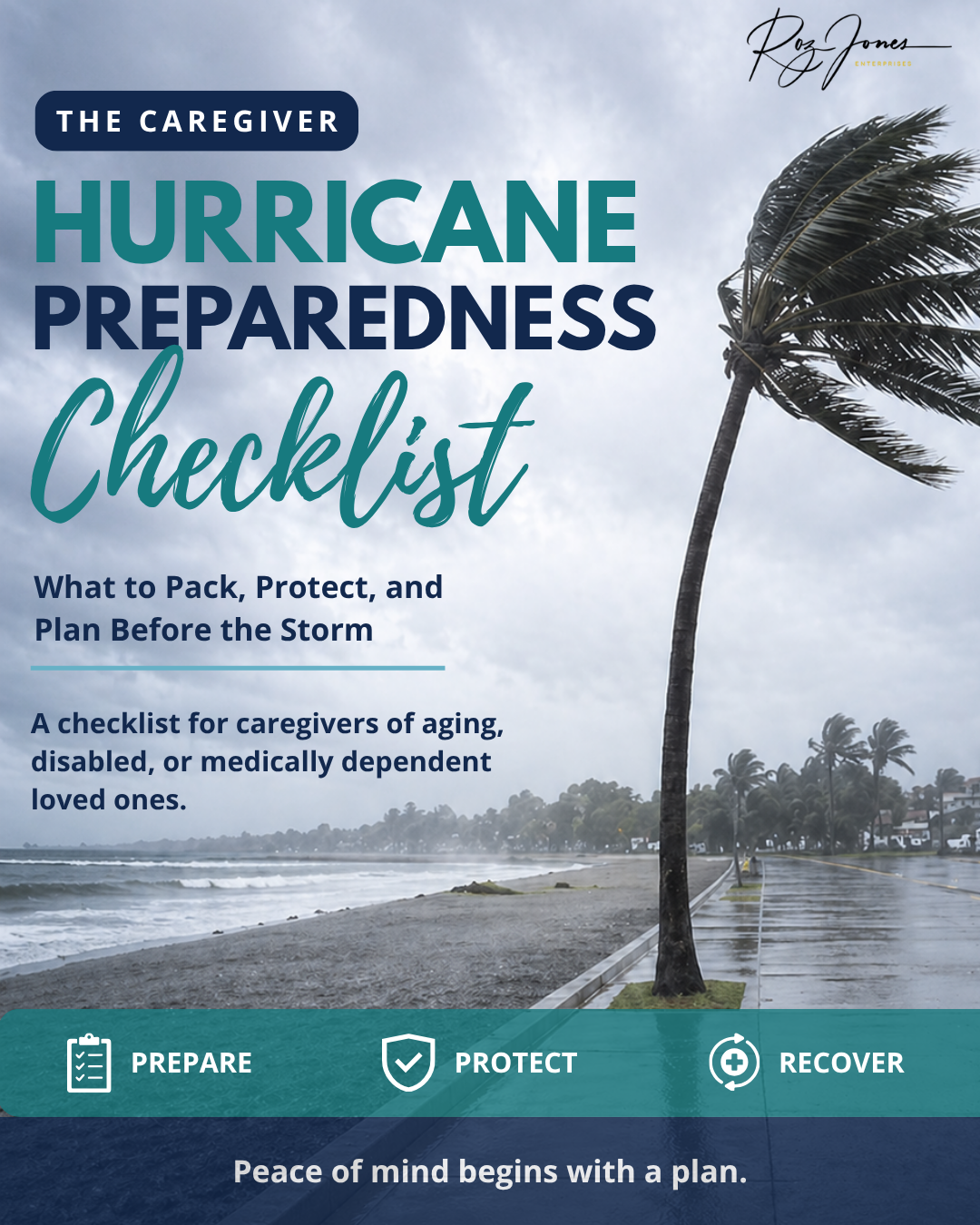
The Caregiver Hurricane Preparedness Checklist.

If you are caring for a loved one during storm season, purchase the Caregiver Hurricane Preparedness Checklist. It can help you prepare important documents, emergency contacts, supplies, medication needs, and safety steps before severe weather becomes a crisis.

For only $1.99, this checklist gives you a simple starting point so you are not trying to gather everything during a storm, power outage, hospitalization, or sudden change in your loved one’s care.

Purchase the Caregiver Hurricane Preparedness Checklist for $1.99 today and take one more step toward peace of mind.

Need Help Sorting Through the Care Plan?

Roz Jones is a dedicated caretaker turned CEO with over a decade of experience in helping families care for and make decisions for loved ones and their legacies.Roz is a compassionate, innovative healthcare industry leader.

If your family needs help thinking through care decisions, caregiving responsibilities, or next steps, book a session with Roz Jones. You do not have to navigate this season alone.

Together, we can talk through what is working, what is becoming too heavy, and what boundaries need to be strengthened so you can continue to care without losing yourself in the process.

Subscribe to The Caregiver Cafe Weekly Newsletter!

Caregiving can be a roller coaster of ups and downs. The information that you will receive from The Caregiver Cafe Weekly Specials Newsletter will support you as a caregiver. Remember…

1. YOU ARE NOT ALONE: The problems you face as a caregiver are experienced by other caregivers. Knowing that you’re not alone can be comforting. 

2. Tools and Resources:  Find caregiver stress management tools and gain perspective from other caregiver’s experiences.

3. LEARN TO: Ask for help, accept help when it is offered, and acknowledge yourself on this caregiving journey. Hear from experts on how to balance caregiving responsibilities by taking care of your needs and involving others to help manage the natural stress and isolation of being a caregiver. 
When Love Means Letting Them Choose: Honoring Your Loved One’s Wishes During Hospice Care

By Roz Jones

When families first hear the word hospice, many assume it means there is nothing left to do.

In reality, hospice care is not about giving up. It is about shifting the focus of care.

Instead of pursuing treatments intended to cure an illness, hospice focuses on helping individuals live each day with as much comfort, dignity, and peace as possible. It is about managing symptoms, supporting emotional and spiritual well-being, and helping families make the most of the time they still have together.

That is why honoring a loved one’s wishes becomes one of the most important parts of hospice care.

Every person has their own definition of what comfort looks like. One person may want to spend their days surrounded by family and friends. Another may prefer quiet moments with only a few loved ones nearby. Some may want to remain at home, while others may feel more comfortable receiving care in another setting. There may be conversations they hope to have, traditions they want to continue, or final wishes they hope their family will honor.

Hospice gives families the opportunity to slow down and listen to those wishes.

While caregivers naturally want to protect the people they love, one of the greatest gifts they can offer during this season is the opportunity for their loved one to have a voice in the decisions that affect their care. Listening with compassion and responding with respect helps create an environment where dignity is preserved, relationships are strengthened, and each day is guided by what matters most to the individual receiving care.

Honoring Wishes Begins with Listening

Every caregiver wants to do what is best for the person they love. During hospice care, however, doing what is best begins by understanding what matters most to the individual receiving care rather than making decisions based solely on what family members believe is right.

These conversations are not always easy.

Many families avoid talking about end-of-life wishes because they are afraid of saying the wrong thing or believe the conversation will take away hope. In reality, these discussions often provide peace of mind. They allow loved ones to express what is important to them while giving family members greater confidence that they are honoring those wishes when difficult decisions arise.

Some individuals may wish to remain at home surrounded by familiar faces. Others may want certain family members present, while some may prefer quiet moments with fewer visitors. There may be spiritual traditions they hope to observe, music they would like to hear, photographs they want nearby, or personal belongings that bring them comfort. These details may seem small, but they often become some of the most meaningful parts of a person’s hospice journey.

Listening also means recognizing that a loved one’s wishes may change over time. As their condition changes, so may their priorities, comfort level, and goals for care. Continuing to ask thoughtful questions, involving the hospice team in those conversations, and creating space for honest dialogue allows caregivers to respond with compassion while respecting the individual’s voice throughout every stage of care.

When families listen first, they are better equipped to make decisions that reflect love, respect, and dignity rather than fear or uncertainty.

Dignity Is Found in the Little Things

When families think about honoring a loved one’s wishes during hospice care, they often think about advance directives, medical decisions, or where care will take place. While those decisions are certainly important, dignity is also preserved through the small choices made each day.

It is taking the time to ask what your loved one would like to wear instead of choosing for them.

It is offering their favorite meal if they are able to eat, even if it is only a few bites.

It is asking whether they would like visitors instead of assuming they are ready to entertain family and friends.

It is playing the music they enjoy, reading from a favorite book, opening the curtains to let in the morning sunlight, or simply sitting quietly beside them when words are no longer needed.

These moments remind a loved one that they are still a person first—not simply a patient receiving care.

Hospice care recognizes that every individual deserves to be treated with respect, compassion, and dignity until the very end of life. As caregivers, we have the opportunity to protect that dignity by involving our loved one in everyday decisions whenever possible and respecting their preferences, even when those choices may look different from our own.

Sometimes honoring a loved one’s wishes means resisting the urge to take over. It means allowing them to make the decisions they are still able to make and supporting them in ways that preserve their independence for as long as possible.

Those small acts of respect often communicate love more powerfully than words ever could.

When Family Members Have Different Opinions

One of the most difficult parts of hospice care is that family members do not always agree on what should happen next.

One person may want to pursue every possible treatment. Another may believe it is time to focus solely on comfort. Someone else may struggle to accept that their loved one is nearing the end of life and may unintentionally make decisions based on their own fears rather than the wishes that have already been expressed.

These situations can create tension within families during a time when everyone is already carrying a great deal emotionally.

When disagreements arise, it is important to return to the person at the center of the care.

What has your loved one shared about their wishes?

What conversations have already taken place?

What goals have they expressed for this stage of their life?

Hospice care encourages families to make decisions that reflect the values and preferences of the individual receiving care rather than the emotions of those surrounding them. While those emotions are valid and deserve compassion, they should not overshadow the voice of the person whose journey is being lived.

The hospice team can be an invaluable resource during these moments. Nurses, social workers, chaplains, physicians, and other members of the interdisciplinary team are there not only to manage symptoms, but also to guide families through difficult conversations, answer questions, and help everyone remain focused on what is most important to the patient.

Honoring a loved one’s wishes does not always remove the heartache of saying goodbye. It does, however, provide families with the reassurance that the decisions being made are rooted in love, respect, and a commitment to preserving the dignity of the person they cherish.

Caring for the Whole Person

Hospice care is about far more than managing physical symptoms. It recognizes that every person has emotional, spiritual, social, and relational needs that deserve the same level of attention as their medical care.

As a loved one’s illness progresses, their priorities often begin to shift. They may spend less time thinking about treatments and more time reflecting on relationships, memories, forgiveness, gratitude, faith, or the legacy they hope to leave behind. Some may want opportunities to reconnect with family members or friends. Others may simply want someone to sit quietly beside them without feeling the need to fill every moment with conversation.

Caregivers can support these needs by creating an environment that reflects what brings their loved one peace and comfort. That may include listening to favorite music, reading scripture or devotional passages together, looking through family photographs, sharing stories, celebrating special occasions, or inviting a trusted faith leader, friend, or spiritual advisor to visit.

Hospice professionals understand that comfort looks different for every individual. Social workers, chaplains, nurses, volunteers, and other members of the hospice team work together to support not only the patient but the family as well. Their role extends beyond medical care by helping families navigate difficult emotions, answer challenging questions, and find resources that bring reassurance during an uncertain time.

Honoring a loved one’s wishes means recognizing them as a whole person with a lifetime of experiences, relationships, beliefs, and dreams. When caregivers embrace that perspective, hospice becomes more than a service. It becomes an opportunity to surround a loved one with compassion, dignity, and the kind of care that reflects who they are—not simply the illness they are facing.

Caring for Yourself While Caring for Someone Else

Hospice care is centered around the patient, but it also recognizes that caregivers need support.

Many family caregivers have spent months or even years coordinating appointments, managing medications, providing transportation, assisting with personal care, and advocating for their loved one. By the time hospice care begins, they are often carrying physical exhaustion alongside emotional, mental, and spiritual fatigue.

It is common for caregivers to feel conflicted during this season. There may be moments of sadness, relief, gratitude, guilt, hope, fear, or uncertainty. These emotions can exist at the same time, and none of them diminish the love a caregiver has for their loved one.

One of the greatest strengths of hospice care is that it extends support beyond the individual receiving care. Hospice teams understand that caregivers need encouragement, education, and opportunities to rest as well. Nurses can answer questions about changes your loved one may be experiencing. Social workers can help families navigate difficult conversations and connect them with community resources. Chaplains can offer spiritual support, regardless of a family’s religious background, while trained volunteers may provide companionship that allows caregivers to step away for a short time to rest or attend to personal needs.

Accepting help is not a sign that you are doing less for your loved one.

It is often what allows you to continue showing up with patience, compassion, and presence.

As caregivers, we sometimes believe that love means carrying every responsibility by ourselves. Hospice reminds us that love also means allowing others to walk alongside us. When caregivers receive the support they need, they are better able to focus on what matters most—being fully present with the person they love during one of life’s most meaningful seasons.

The Lasting Gift of Honoring Their Wishes

One of the greatest acts of love a caregiver can offer is the willingness to honor a loved one’s wishes, even when doing so is difficult. Hospice care reminds us that every person deserves to be seen, heard, and respected throughout every stage of life, including the final chapter.

While families cannot change the diagnosis or stop time, they can influence the experience their loved one has during this season. They can create an environment filled with comfort instead of fear, peace instead of uncertainty, and dignity instead of unnecessary struggle. They can choose to spend less time focusing on what cannot be changed and more time embracing the moments that still remain.

For many families, those moments become the memories they carry forward. A quiet conversation at the bedside. Holding a loved one’s hand. Sharing a favorite meal. Listening to stories that have been told for generations. Praying together. Laughing through old family photographs. Sitting together in comfortable silence.

These moments may appear ordinary, but they often become extraordinary because they remind families that love is present until the very end.

If you are caring for a loved one receiving hospice services, remember that your presence matters just as much as the care you provide. The time you spend listening, comforting, advocating, and honoring their wishes becomes part of the legacy you build together.

If you would like to learn more about the foundation of patient-centered hospice care, we invite you to read our previous blog, The Importance of Honoring a Patient’s Wishes and Goals During Hospice Care.” It explores the principles of hospice care and offers additional insight into why respecting a loved one’s values, preferences, and goals is essential to providing compassionate end-of-life care.

By listening with compassion, communicating openly, and allowing your loved one’s voice to guide the decisions that matter most, families can create an experience that reflects not only quality care, but also lasting love, dignity, and respect.

Download the Vacationing With an Aging Loved One Checklist for FREE!

Before your next trip, download the free Vacationing with an Aging Loved One Checklist. This resource can help you think through what needs to be packed, planned discussed, and prepared before travel begins!

Tune in to The Caregiver CafƩ Podcast

Handling Criticism as a Family Caregiver

In this episode of The Caregiver CafĆ© with Roz Jones, Roz is talking about a topic that can touch every caregiver at some point: criticism.

Being criticized while you are caring for a loved one does not feel good. It can make you feel judged, unappreciated, or like nothing you are doing is enough. But Roz reminds listeners that the way we respond to criticism can either create more chaos or open the door to better communication, support, and growth.

Roz shares how caregivers can begin to embrace criticism by using it as an opportunity for personal growth, improved relationships, and greater confidence. Instead of immediately becoming defensive, caregivers can ask questions, invite others to show a better way, and create space for honest conversations.

This episode is a reminder that everyone may have an opinion, but not everyone understands what caregiving looks like day to day. Still, when handled with wisdom, criticism can become a chance to improve care, strengthen family communication, and reduce tension along the caregiving journey.

So pour yourself something warm and join Roz at The Caregiver CafĆ© as she talks about how caregivers can respond to criticism with grace, boundaries, and a little bit of strategy.

Give Yourself a Moment of Grace

If you need encouragement for the emotional side of caregiving, purchase Roz Jones’ book, Moments of Grace. This book offers support, reflection, and reminders of grace for the caregiver who is carrying a lot.

This journal was created to help caregivers pause, breathe, reflect, and find strength in the middle of the caregiving journey.

Purchase Moments of Grace today and give yourself permission to breathe in the middle of the caregiving journey.

Prepare Before the Emergency Comes

The Caregiver Hurricane Preparedness Checklist.

If you are caring for a loved one during storm season, purchase the Caregiver Hurricane Preparedness Checklist. It can help you prepare important documents, emergency contacts, supplies, medication needs, and safety steps before severe weather becomes a crisis.

For only $1.99, this checklist gives you a simple starting point so you are not trying to gather everything during a storm, power outage, hospitalization, or sudden change in your loved one’s care.

Purchase the Caregiver Hurricane Preparedness Checklist for $1.99 today and take one more step toward peace of mind.

Need Help Sorting Through the Care Plan?

Roz Jones is a dedicated caretaker turned CEO with over a decade of experience in helping families care for and make decisions for loved ones and their legacies.Roz is a compassionate, innovative healthcare industry leader.

If your family needs help thinking through care decisions, caregiving responsibilities, or next steps, book a session with Roz Jones. You do not have to navigate this season alone.

Together, we can talk through what is working, what is becoming too heavy, and what boundaries need to be strengthened so you can continue to care without losing yourself in the process.

Subscribe to The Caregiver Cafe Weekly Newsletter!

Caregiving can be a roller coaster of ups and downs. The information that you will receive from The Caregiver Cafe Weekly Specials Newsletter will support you as a caregiver. Remember…

1. YOU ARE NOT ALONE: The problems you face as a caregiver are experienced by other caregivers. Knowing that you’re not alone can be comforting. 

2. Tools and Resources:  Find caregiver stress management tools and gain perspective from other caregiver’s experiences.

3. LEARN TO: Ask for help, accept help when it is offered, and acknowledge yourself on this caregiving journey. Hear from experts on how to balance caregiving responsibilities by taking care of your needs and involving others to help manage the natural stress and isolation of being a caregiver. 

You Cannot Care Well on Empty

By Roz Jones

Caregiving requires consistent energy, attention, and emotional presence. For many caregivers, especially those caring for aging loved ones, the daily responsibilities can quickly become demanding. Appointments must be managed. Medications must be tracked. Meals must be prepared. Transportation must be arranged. Family updates must be shared. Household needs must still be handled.

In the middle of those responsibilities, the caregiver’s own nutrition is often pushed aside.

The previous blog, How to Fuel Your Body and Mind, focused on the importance of healthy eating for male caregivers. It explored the value of balanced meals, dietary awareness, meal planning, smart snacking, hydration, and mindful eating. Those foundations remain important because food directly affects energy, mood, focus, heart health, and overall well-being.

This continuation builds on that conversation by looking at what happens when caregiving begins to interrupt the caregiver’s ability to stay nourished.

Knowing what to eat is only part of the issue. Caregivers also need realistic systems that help them eat well when the day becomes busy, emotional, or unpredictable.

Nutrition Is Part of the Care Plan

Nutrition is often discussed in relation to the person receiving care. Families may monitor a loved one’s appetite, prepare meals around dietary restrictions, encourage hydration, and track whether medications need to be taken with food.

However, the caregiver’s nutrition also deserves attention.

When caregivers skip meals, rely heavily on caffeine, drink too little water, or go long hours without eating, the effects can show up throughout the day. Fatigue may increase. Patience may decrease. Concentration may become harder. Mood may shift. Headaches, dizziness, cravings, and irritability may become more frequent.

Caregiving already requires steady decision-making and emotional regulation. A body that is undernourished has to work harder to meet those demands.

Food is not only about hunger. It is part of the caregiver’s ability to function, think clearly, and remain steady while providing care.

Caregiver Meals Must Be Realistic

Caregivers do not need complicated nutrition plans to begin making healthier choices. In many cases, the most effective meals are the ones that can be repeated, prepared quickly, and adapted to the caregiving schedule.

The goal is not perfection. The goal is consistency.

A realistic caregiver meal plan may include simple proteins, easy vegetables, whole grains, fruit, and snacks that can be kept nearby. It may include prepared foods, leftovers, frozen meals, or healthier takeout choices when cooking is not possible.

Caregiving days are not always predictable. A meal plan that only works on a perfect day will not support the caregiver through the real demands of the role.

Practical nutrition allows room for long appointments, unexpected phone calls, difficult days, and limited energy.

Skipping Meals Can Increase Stress

Skipping meals may seem harmless in the moment, especially when a loved one’s needs feel more urgent. Over time, however, inconsistent eating can add to the physical and emotional strain of caregiving.

A caregiver who has gone too long without eating may feel more overwhelmed during a difficult conversation. A long wait at a doctor’s office may become more draining. A repeated question from a loved one may feel harder to answer with patience. A simple errand may feel heavier than it should.

Undernourishment does not create every caregiving challenge, but it can make those challenges harder to manage.

Regular meals and snacks help support energy, focus, and mood. They also help prevent the caregiver from reaching a point of exhaustion before realizing the body needed care earlier in the day.

Easy Foods Should Be Within Reach

One of the most helpful strategies for caregiver nutrition is making nourishing foods easy to access. When caregivers are tired or rushed, they are more likely to choose whatever is nearby. For that reason, the home, car, work bag, or caregiving bag should include simple options that can be used quickly.

Helpful items may include fresh fruit, nuts, trail mix, whole-grain crackers, peanut butter packets, protein bars, tuna or salmon packets, boiled eggs, yogurt, cheese sticks, hummus, pre-cut vegetables, rotisserie chicken, canned beans, microwaveable rice, frozen vegetables, low-sodium soup, turkey slices, or whole-grain wraps.

These foods do not have to create a perfect meal. They create options.

Options matter because caregivers often need nourishment before there is time or energy to prepare something more complete.

A Backup Meal Plan Prevents Last-Minute Decisions

Every caregiving household benefits from a backup meal plan. There will be days when cooking is not realistic. There will be late appointments, unexpected changes, emotional fatigue, and evenings when the caregiver has very little energy left.

A backup plan helps prevent one difficult day from becoming a pattern of poor eating.

This may include keeping frozen meals with vegetables and protein, preparing soup or chili in advance, storing sandwich ingredients, keeping pre-made salads available, or identifying a few healthier takeout options nearby.

A backup plan is not a failure to cook. It is a practical strategy.

Caregivers already plan for medication, transportation, appointments, and emergencies. Food deserves that same kind of planning because the caregiver’s health is connected to the stability of the care being provided.

Hydration Requires Attention

Hydration is often overlooked during caregiving. A caregiver may prepare water for a loved one, monitor fluid intake, and encourage hydration while forgetting to drink enough water themselves.

Dehydration can contribute to headaches, dizziness, fatigue, constipation, poor concentration, and irritability. These symptoms can make caregiving feel more difficult and can affect the caregiver’s overall well-being.

Hydration becomes easier when it is built into the routine. A water bottle near the caregiving area, water with meals, water during medication times, or a bottle packed for appointments can help make hydration more consistent.

Low-sugar options such as herbal tea or infused water may also help caregivers increase fluid intake without relying on sugary beverages.

Mindful Eating Can Be Simple

Mindful eating does not have to be complicated or time-consuming. For caregivers, it may simply mean slowing down enough to notice hunger, fullness, energy levels, and the way certain foods affect the body.

It may mean sitting down for a meal instead of eating while standing. It may mean taking a few breaths before eating. It may mean choosing a snack before hunger turns into irritability. It may mean recognizing that food is not an inconvenience but a necessary part of daily care.

Caregivers are often pulled in many directions, and meals can become rushed or forgotten. Even a brief pause can help restore some intention to the day.

A meal does not have to be perfect to be nourishing.

Male Caregivers and Nutrition

Male caregivers may be especially likely to push through hunger, depend on caffeine, skip meals, or minimize the toll that caregiving is taking on their bodies. Some may not openly discuss how caregiving responsibilities are affecting their eating habits, weight, sleep, blood pressure, blood sugar, or energy.

Nutrition is not a small concern.

Food choices can affect cardiovascular health, diabetes risk, strength, mood, stamina, and long-term wellness. For male caregivers who are balancing caregiving responsibilities with work, family, finances, and their own health needs, nutrition should be treated as part of preventive care.

Eating well is not indulgence. It is maintenance.

A caregiver cannot continue to care well if the body is constantly running on empty.

Food Support Can Be Shared

Meal support should be part of the broader caregiving conversation. Too often, one caregiver is expected to manage meals for the loved one, household responsibilities, and personal nutrition without help.

Family members and friends can support the caregiver by bringing groceries, preparing meals, organizing a meal train, cooking extra portions, dropping off healthy snacks, or helping with food preparation for the week.

Support does not have to be complicated to be meaningful.

A pot of soup can help. A prepared breakfast can help. A bag of groceries can help. A case of water can help. A freezer meal can help.

When the caregiver is nourished, the care environment becomes stronger.

Emergency Preparedness Includes Food and Water

Nutrition also belongs in emergency planning. During hurricane season, severe weather, power outages, or unexpected disruptions, caregivers need to make sure food and water are available for both the loved one and the caregiver.

This is especially important when a loved one has diabetes, heart disease, kidney disease, swallowing difficulties, food allergies, or other dietary restrictions. Emergency planning should include shelf-stable foods, clean water, medication lists, special dietary supplies, backup plans for refrigerated items, and access to necessary medical information.

The caregiver’s needs must also be included.

A crisis becomes more difficult when the person responsible for care is hungry, dehydrated, overwhelmed, and unprepared. Planning ahead helps reduce panic and protects the whole household.

Nourishment Is a Form of Care

Caregivers often view nourishment as something they will get to after everything else is done. But in caregiving, everything is rarely done. There is always another task, another call, another concern, or another need.

That is why nourishment must be built into the routine rather than postponed until life slows down.

Eating regularly is care. Drinking water is care. Planning ahead is care. Keeping simple foods available is care. Asking someone to bring a meal is care. Packing a snack before a long appointment is care.

The caregiver’s body is part of the caregiving equation.

A loved one’s needs matter deeply, but the caregiver’s health matters too. Strong caregiving does not come from running on fumes. It comes from building rhythms that allow the caregiver to remain nourished, steady, and supported.

No one can care well on empty.

To read the previous blog, How to Fuel Your Body and Mind, click the link here: https://thecaregivercafe.net/2023/06/17/is-your-tank-empty-or-are-you-fueling-your-body-and-mind/

Give Yourself a Moment of Grace

If you need encouragement for the emotional side of caregiving, purchase Roz Jones’ book, Moments of Grace. This book offers support, reflection, and reminders of grace for the caregiver who is carrying a lot.

This journal was created to help caregivers pause, breathe, reflect, and find strength in the middle of the caregiving journey.

Purchase Moments of Grace today and give yourself permission to breathe in the middle of the caregiving journey.

Prepare Before the Emergency Comes

The Caregiver Hurricane Preparedness Checklist.

If you are caring for a loved one and want to be better prepared for storms, power outages, and unexpected caregiving emergencies, purchase the Caregiver Hurricane Preparedness Checklist. This resource can help you think through important details before a crisis is already at the door.

For only $1.99, this checklist gives you a simple starting point so you are not trying to gather everything during a storm, power outage, hospitalization, or sudden change in your loved one’s care.

Purchase the Caregiver Hurricane Preparedness Checklist for $1.99 today and take one more step toward peace of mind.

Need Help Sorting Through the Care Plan?

Roz Jones is a dedicated caretaker turned CEO with over a decade of experience in helping families care for and make decisions for loved ones and their legacies.Roz is a compassionate, innovative healthcare industry leader.

If your family needs help thinking through care decisions, caregiving responsibilities, or next steps, book a session with Roz Jones. You do not have to navigate this season alone.

Together, we can talk through what is working, what is becoming too heavy, and what boundaries need to be strengthened so you can continue to care without losing yourself in the process.

Subscribe to The Caregiver Cafe Weekly Newsletter!

Caregiving can be a roller coaster of ups and downs. The information that you will receive from The Caregiver Cafe Weekly Specials Newsletter will support you as a caregiver. Remember…

1. YOU ARE NOT ALONE: The problems you face as a caregiver are experienced by other caregivers. Knowing that you’re not alone can be comforting. 

2. Tools and Resources:  Find caregiver stress management tools and gain perspective from other caregiver’s experiences.

3. LEARN TO: Ask for help, accept help when it is offered, and acknowledge yourself on this caregiving journey. Hear from experts on how to balance caregiving responsibilities by taking care of your needs and involving others to help manage the natural stress and isolation of being a caregiver. 

The Freedom to Rest: A Juneteenth Reflection for Caregivers

By Roz Jones

Caregiving often begins with a simple act of love. A loved one needs help, and someone steps forward. An aging parent needs support after a diagnosis. A spouse needs assistance after surgery. A family member can no longer manage medications, meals, transportation, appointments, or daily care alone.

Over time, what begins as helping can become a full caregiving role. Schedules change. Responsibilities increase. Sleep becomes lighter. Personal needs are postponed. The caregiver becomes the person who answers the calls, manages the updates, keeps track of appointments, and tries to hold the family together.

In the previous blog, Managing Stress and Burnout: Self-Care for Caregivers, the focus was on managing stress and burnout through self-care, including recognizing the signs of burnout, prioritizing personal well-being, staying physically active, practicing relaxation, and seeking support.

This continuation expands that conversation through the lens of Juneteenth.

Juneteenth is a reminder of freedom, dignity, liberation, and the ongoing work of building lives where people are not simply surviving, but able to rest, heal, and live with support. For caregivers, especially those who have been taught to carry silently, this message is deeply relevant.

Caregiving should not require a person to disappear inside the needs of everyone else.

Freedom Includes Rest

Juneteenth invites reflection on what freedom means beyond survival.

For caregivers, freedom may not mean stepping away from responsibility. It may mean having enough support that responsibility does not become isolation. It may mean being able to rest without guilt, ask for help without shame, and name exhaustion before it becomes a health crisis.

Caregivers often continue long after their bodies and minds have signaled that the load is too heavy. They may keep going because the loved one’s needs are urgent, because family support is limited, or because they have been conditioned to believe that strength means endurance at all costs.

However, rest is not a reward for finishing the work. Rest is part of the work.

A caregiver who is depleted cannot continue to provide steady care without consequence. Physical fatigue, emotional strain, resentment, poor sleep, and declining health can all become signs that the current caregiving arrangement is not sustainable.

Rest is not neglect. It is maintenance for the person providing care.

Burnout Is a Signal, Not a Character Flaw

Burnout is often misunderstood as weakness, impatience, or a lack of commitment. In reality, burnout is a signal that the caregiving load has exceeded the caregiver’s capacity without enough support.

This is especially important for male caregivers, who may face added pressure to appear strong, capable, and emotionally contained. Some men may feel they are expected to be the provider, protector, decision-maker, and steady presence for everyone else. That pressure can make it difficult to admit when caregiving has become overwhelming.

Burnout can show up in many ways. It may appear as irritability, fatigue, withdrawal, disrupted sleep, poor concentration, changes in appetite, resentment, sadness, anxiety, or a loss of interest in things that once brought joy.

These signs should not be ignored.

Burnout does not mean the caregiver does not love their family member. It means the caregiving structure needs attention. Love may be present, but love alone does not replace rest, help, resources, and a realistic plan.

The Care Plan Must Include the Caregiver

Care plans often focus on the person receiving care: medications, appointments, meals, mobility, safety, hygiene, and daily support. Those details matter, but they are incomplete if the caregiver is not included in the plan.

A sustainable care plan should account for the person providing the care.

This includes the caregiver’s schedule, health, work responsibilities, sleep, emotional well-being, financial strain, and access to support. A plan that depends on one person being available at all times is not sustainable. It places the entire household at risk if that caregiver becomes sick, overwhelmed, or unable to continue.

Families should discuss how responsibilities can be shared before the caregiver reaches a breaking point. This may include transportation, grocery shopping, meal preparation, medication pickup, appointment scheduling, household chores, financial paperwork, overnight support, and communication with extended family.

When caregiving responsibilities are clearly named, they are easier to divide. When they remain invisible, the primary caregiver often carries them alone.

The Trap of Being ā€œThe Strong Oneā€

Many caregivers are praised for being strong. While that praise may be well-intentioned, it can also create pressure.

The ā€œstrong oneā€ is often expected to keep going without complaint. Family members may assume that the person who has always handled things can continue handling them. Friends may not ask deeper questions. The caregiver may begin to believe that needing help is a form of failure.

This expectation is especially harmful when strength becomes another word for silence.

Strength should not require a caregiver to ignore exhaustion, hide grief, suppress frustration, or accept an unfair share of responsibility. True strength can include honesty. It can include asking for help. It can include setting limits. It can include admitting that the current arrangement is no longer working.

A healthier caregiving culture does not celebrate burnout as proof of devotion. It recognizes that care must be shared, supported, and sustained.

Boundaries Help Protect the Care

Boundaries are often misunderstood in caregiving. Some families interpret boundaries as selfishness or distance. In reality, boundaries help protect both the caregiver and the loved one receiving care.

Without boundaries, caregiving can expand until it consumes every hour, every relationship, and every part of the caregiver’s life. Over time, that can lead to resentment, emotional exhaustion, and physical decline.

Boundaries may include setting limits on phone calls, identifying which days are available for appointments, asking other relatives to take specific tasks, limiting non-urgent requests, or creating protected time for rest.

Healthy boundaries make caregiving more sustainable. They clarify what the caregiver can do, what others must help with, and what support needs to be brought in from outside the family.

Boundaries do not reduce love. They make continued care possible.

Support Must Be Practical

Caregivers are often told, ā€œLet me know if you need anything.ā€ While the sentiment may be kind, it still places responsibility on the caregiver to identify the need, ask for help, explain the task, and manage the follow-through.

Practical support is more useful when it is specific.

A family member can bring dinner on a certain day. A friend can sit with a loved one for two hours. A sibling can handle pharmacy pickups. A neighbor can take out the trash. Someone can manage the family update text. Someone can drive to an appointment. Someone can help organize paperwork.

Specific help reduces the caregiver’s mental load.

Caregivers can also benefit from keeping a running list of tasks that others can take on. When someone offers help, there is already a clear answer. This prevents the caregiver from minimizing their needs or defaulting to doing everything alone.

Support is most effective when it lightens the actual workload.

A Weekly Reset Can Reduce the Weight

Caregiving often becomes reactive. One need follows another. One appointment leads to another task. One phone call turns into another responsibility. Without a rhythm, caregivers may feel as if they are always responding to the next issue.

A weekly reset can help bring structure to the care routine.

This reset may include reviewing the upcoming week’s appointments, checking medication refills, preparing simple meals, confirming transportation, updating the family, reviewing supplies, organizing paperwork, and identifying one task that can be delegated.

It should also include attention to the caregiver’s needs.

Sleep, meals, movement, quiet time, spiritual practice, medical appointments, counseling, and social connection all matter. A weekly reset gives the caregiver a chance to ask what is needed before another week begins.

This practice does not remove every challenge, but it can reduce the feeling of constantly being behind.

Emergency Preparedness Is Part of Caregiver Wellness

Stress often increases when caregivers are carrying too many ā€œwhat ifs.ā€

What if the power goes out? What if medication runs low? What if a storm comes? What if medical equipment stops working? What if transportation is needed quickly? What if the caregiver cannot get to the loved one? What if oxygen, refrigerated medication, or mobility support is interrupted?

Emergency planning helps reduce that mental burden.

Caregivers should have important information organized and accessible. This includes medication lists, physician contacts, insurance information, emergency contacts, medical equipment instructions, backup power needs, transportation options, and copies of important documents.

This is especially important during hurricane season or in areas where severe weather can disrupt care.

Preparedness is not fear. It is stability. It allows caregivers to respond with more clarity and less panic when unexpected situations arise.

Community Is a Form of Care

Caregiving may happen inside the family, but it should not depend on one person alone. Support can come from relatives, friends, neighbors, church communities, caregiver support groups, respite programs, professional care planners, medical teams, and community organizations.

Building a care network takes effort, but it can reduce isolation and help prevent burnout.

Community support also challenges the idea that caregiving is private work that must be carried quietly. Many caregivers suffer because the need is hidden. When the care situation is shared with trusted people, support becomes more possible.

No caregiver should have to become invisible in order to be dependable.

Juneteenth and the Call to Care Differently

Juneteenth reminds us that freedom is not only about release from bondage. It is also about the pursuit of dignity, wholeness, rest, family, and a life where people are not only surviving.

That message belongs in the caregiving conversation.

Caregivers deserve more than survival. They deserve care plans that include their needs. They deserve support that is specific and reliable. They deserve rest that is not treated as selfish. They deserve family systems that do not depend on one person being endlessly available.

For Black caregivers, male caregivers, and anyone who has been taught to keep carrying without complaint, Juneteenth offers a timely reminder: liberation also includes the right to be supported.

The goal is not to stop caring.

The goal is to build a caregiving life that does not destroy the caregiver in the process.

Caregiving rooted in love should also make room for rest, preparation, community, and grace.

Read more on this subject by reading, Managing Stress and Burnout: Self-Care for Caregivers.

Give Yourself a Moment of Grace

If you need encouragement for the emotional side of caregiving, purchase Roz Jones’ book, Moments of Grace. This book offers support, reflection, and reminders of grace for the caregiver who is carrying a lot.

This journal was created to help caregivers pause, breathe, reflect, and find strength in the middle of the caregiving journey.

Purchase Moments of Grace today and give yourself permission to breathe in the middle of the caregiving journey.

Prepare Before the Emergency Comes

The Caregiver Hurricane Preparedness Checklist.

If you are caring for a loved one and want to be better prepared for storms, power outages, and unexpected caregiving emergencies, purchase the Caregiver Hurricane Preparedness Checklist. This resource can help you think through important details before a crisis is already at the door.

For only $1.99, this checklist gives you a simple starting point so you are not trying to gather everything during a storm, power outage, hospitalization, or sudden change in your loved one’s care.

Purchase the Caregiver Hurricane Preparedness Checklist for $1.99 today and take one more step toward peace of mind.

Need Help Sorting Through the Care Plan?

Roz Jones is a dedicated caretaker turned CEO with over a decade of experience in helping families care for and make decisions for loved ones and their legacies.Roz is a compassionate, innovative healthcare industry leader.

If your family needs help thinking through care decisions, caregiving responsibilities, or next steps, book a session with Roz Jones. You do not have to navigate this season alone.

Together, we can talk through what is working, what is becoming too heavy, and what boundaries need to be strengthened so you can continue to care without losing yourself in the process.

Subscribe to The Caregiver Cafe Weekly Newsletter!

Caregiving can be a roller coaster of ups and downs. The information that you will receive from The Caregiver Cafe Weekly Specials Newsletter will support you as a caregiver. Remember…

1. YOU ARE NOT ALONE: The problems you face as a caregiver are experienced by other caregivers. Knowing that you’re not alone can be comforting. 

2. Tools and Resources:  Find caregiver stress management tools and gain perspective from other caregiver’s experiences.

3. LEARN TO: Ask for help, accept help when it is offered, and acknowledge yourself on this caregiving journey. Hear from experts on how to balance caregiving responsibilities by taking care of your needs and involving others to help manage the natural stress and isolation of being a caregiver. 

Strong Does Not Mean Silent: The Mental Load Men Carry While Caring for Loved Ones

By Roz Jones

There is a kind of pressure many men carry quietly.

The pressure to be strong.
The pressure to provide.
The pressure to fix the problem.
The pressure to keep emotions under control.
The pressure to show up for everybody else, even when they are running on empty.

And when a man is also responsible for supporting an aging parent, spouse, relative, or loved one through illness, decline, memory loss, disability, or daily needs, that pressure can become even heavier.

Because now he is not only managing his own life.

He may be managing appointments.
Medications.
Bills.
Transportation.
Household repairs.
Emergency decisions.
Family conflict.
Doctor updates.
Late-night worries.
And the quiet grief of watching someone he loves change.

That is a lot to carry.

And too often, men carry it behind a mask.

The Mask Can Sound Like ā€œI’m Fineā€

For many men, the mask does not always look like silence.

Sometimes it looks like staying busy.
Working more hours.
Making jokes when the conversation gets too serious.
Getting irritated quickly.
Avoiding the doctor.
Refusing help.
Saying, ā€œI got it,ā€ when they really do not.

Sometimes the mask sounds like:

ā€œI’m good.ā€
ā€œIt is what it is.ā€
ā€œI don’t have time to think about that.ā€
ā€œI’ll deal with me later.ā€
ā€œEverybody is depending on me.ā€

But here is the truth.

You can be dependable and still need support.

You can love your family and still feel overwhelmed.

You can be strong and still be tired.

You can be the one everyone calls and still need someone to check on you.

That does not make you weak.

That makes you human.

Emotional Strain Does Not Always Announce Itself

When someone you love needs more support, the emotional toll can sneak up on you.

At first, you may feel like you are just helping out.

Then the responsibilities keep growing.

One appointment turns into five.
One errand turns into a weekly routine.
One hard conversation turns into ongoing family decisions.
One emergency turns into a whole new level of responsibility.

And before you know it, your life has shifted around someone else’s needs.

That shift can bring stress, sadness, frustration, guilt, fear, and even resentment.

Not because you do not care.

Because you are carrying more than one person was meant to carry alone.

This is why mental health matters so much for men who are supporting aging loved ones, spouses, parents, relatives, or family members who depend on them. When emotions keep getting pushed down, they do not disappear. They come out somewhere.

They may show up in your sleep.
Your blood pressure.
Your appetite.
Your patience.
Your relationships.
Your motivation.
Your ability to focus.
Your ability to feel joy.

Your mind and body will eventually tell the truth, even when your mouth keeps saying, ā€œI’m fine.ā€

You Do Not Have to Earn Rest by Breaking Down First

One of the most harmful beliefs many men have been taught is that rest comes after everything is handled.

But in care work, everything may never be fully handled.

There may always be another call to make.
Another prescription to pick up.
Another bill to review.
Another doctor to contact.
Another family issue to settle.
Another concern sitting in the back of your mind.

So if you wait until everything is done before you rest, you may never rest.

Let me say that again.

You may never rest.

Rest is not something you earn after exhaustion.

Rest is part of how you keep going in a healthy way.

A walk around the block counts.
Sitting in the car for five quiet minutes counts.
Letting someone else handle dinner counts.
Turning your phone off for a short break counts.
Going to therapy counts.
Calling a friend and telling the truth counts.

Small pauses matter.

And you do not have to apologize for needing them.

Men Need Safe Places to Tell the Truth

Many men are not given enough room to be honest about what they feel.

They may be expected to lead, provide, protect, and problem-solve, but not necessarily cry, grieve, admit fear, or say, ā€œI do not know how much longer I can keep doing this by myself.ā€

That needs to change.

Because the men supporting loved ones through aging, illness, memory changes, or major life transitions deserve support too.

They need spaces where they can say:

ā€œThis is harder than I expected.ā€
ā€œI miss who my loved one used to be.ā€
ā€œI am scared about what comes next.ā€
ā€œI am angry that more people are not helping.ā€
ā€œI feel guilty when I want time for myself.ā€
ā€œI need a plan.ā€
ā€œI need help.ā€

Those words do not make a man less strong.

They make him honest.

And honesty is often the beginning of healing.

Family Support Cannot Fall on One Person

When one person becomes the default helper, the rest of the family may not always realize how much is being carried.

They may assume things are handled because one person keeps handling them.

But families need to have real conversations before the main support person reaches a breaking point.

Who is making medical appointments?
Who is managing transportation?
Who is checking in during the week?
Who is handling paperwork?
Who is helping with meals?
Who can provide relief?
Who has access to emergency information?
Who is available when plans change suddenly?

These questions matter.

Not because anyone wants to create conflict.

But because silence creates confusion.

And confusion creates burnout.

The goal is not for one person to be the hero.

The goal is for the family to build a plan that protects the loved one and the people providing care.

Mental Health Support Is Not a Last Resort

Therapy, support groups, coaching, spiritual guidance, and honest conversations should not be seen as something men turn to only when they are falling apart.

Support can help before the crisis.

It can help you understand what you are feeling.
It can help you manage stress.
It can help you set boundaries.
It can help you communicate with family.
It can help you prepare for hard decisions.
It can help you stop carrying guilt that does not belong to you.

Seeking help is not a sign that you cannot handle life.

It is a sign that you are taking your life seriously.

And if you are responsible for helping someone else stay well, you must also take your own well-being seriously.

Check on the Men Who Are Always Checking on Everyone Else

Sometimes the men who seem the strongest are the ones people forget to ask about.

The son who always shows up.
The husband who never complains.
The brother who handles the paperwork.
The father who keeps the family moving.
The uncle who quietly steps in.
The friend who says, ā€œCall me if you need anything,ā€ and means it.

Check on him.

Ask more than, ā€œYou good?ā€

Ask:

ā€œHow are you sleeping?ā€
ā€œWhat do you need help with this week?ā€
ā€œWhen was the last time you had a break?ā€
ā€œDo you want me to sit with you at the appointment?ā€
ā€œWhat part of this has been the hardest?ā€
ā€œWhat can I take off your plate?ā€

And then listen.

Do not rush to fix.
Do not dismiss.
Do not make him feel like his emotions are too much.

Just give him room to be human.

Strong Does Not Mean Silent

Men do not have to carry everything in silence.

They do not have to pretend they are fine when they are exhausted.
They do not have to wait until stress turns into sickness.
They do not have to handle every family responsibility alone.
They do not have to hide grief, fear, anger, or sadness behind a mask of strength.

Real strength includes self-awareness.

Real strength includes asking for help.

Real strength includes saying, ā€œI need support too.ā€

In my previous blog, Beyond the Mask: Mental Health Challenges for Men, we talked about depression, anxiety, societal expectations, and the importance of helping men prioritize their mental well-being. This continuation is a reminder that the conversation cannot stop there.

Especially for men who are caring for aging loved ones, spouses, parents, relatives, or family members who depend on them.

Because mental health is not separate from family care.

It is part of the journey.

And the people holding the family together deserve to be held too.

Give Yourself a Moment of Grace

If this season of caregiving has been heavy, emotional, or filled with grief you have not had time to name, Moments of Grace: A Caregiver’s Guided Journal for Reflection, Prayer, and Peace was created with you in mind.

This journal gives caregivers a quiet place to pause, reflect, pray, release, and reconnect with themselves while caring for someone they love.

Purchase Moments of Grace today and give yourself permission to breathe in the middle of the caregiving journey.

Prepare Before the Emergency Comes

The Caregiver Hurricane Preparedness Checklist.

Grief can make it hard to think clearly in a crisis. That is why preparation matters.

The Caregiver Hurricane Preparedness Checklist helps caregivers organize important documents, medications, emergency contacts, evacuation needs, medical equipment details, and care instructions before an emergency happens.

For only $1.99, this checklist gives you a simple starting point so you are not trying to gather everything during a storm, power outage, hospitalization, or sudden change in your loved one’s care.

Purchase the Caregiver Hurricane Preparedness Checklist for $1.99 today and take one more step toward peace of mind.

Need Help Sorting Through the Care Plan?

Roz Jones is a dedicated caretaker turned CEO with over a decade of experience in helping families care for and make decisions for loved ones and their legacies.Roz is a compassionate, innovative healthcare industry leader.

If you are caring for a former spouse, aging loved one, or family member and the boundaries are starting to feel complicated, you do not have to figure it out alone.

Book a Family Care Planning Session with Roz Jones and get support creating a caregiving plan that is clear, compassionate, and realistic.

Together, we can talk through what is working, what is becoming too heavy, and what boundaries need to be strengthened so you can continue to care without losing yourself in the process.

Subscribe to The Caregiver Cafe Weekly Newsletter!

Caregiving can be a roller coaster of ups and downs. The information that you will receive from The Caregiver Cafe Weekly Specials Newsletter will support you as a caregiver. Remember…

1. YOU ARE NOT ALONE: The problems you face as a caregiver are experienced by other caregivers. Knowing that you’re not alone can be comforting. 

2. Tools and Resources:  Find caregiver stress management tools and gain perspective from other caregiver’s experiences.

3. LEARN TO: Ask for help, accept help when it is offered, and acknowledge yourself on this caregiving journey. Hear from experts on how to balance caregiving responsibilities by taking care of your needs and involving others to help manage the natural stress and isolation of being a caregiver.