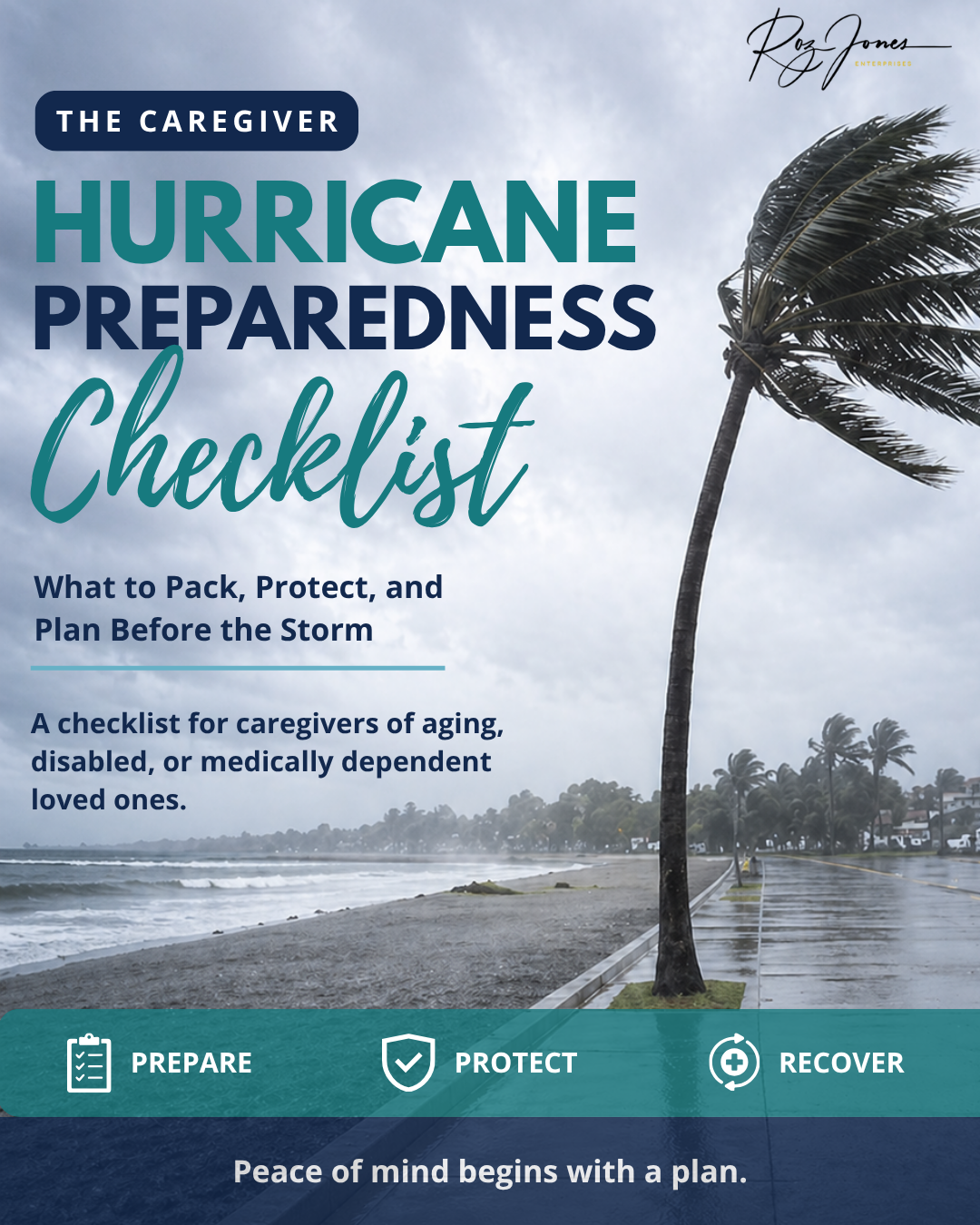
Florida Hurricane Resources Every Caregiver Should Know

By Roz Jones

Preparing for hurricane season can feel overwhelming, especially when you are caring for an aging loved one. There are supplies to gather, medications to track, documents to protect, phone numbers to update, and decisions to make before the storm is anywhere near the forecast.

And caregivers, I want you to hear me clearly: you do not have to figure it all out at the last minute.

The goal is not to panic.
The goal is to prepare.

When you know where to turn for information, support, alerts, and local resources, you give yourself and your loved one a stronger foundation before hurricane season gets active.

Because preparation is not just what you pack.
Preparation is also knowing who to call, where to go, what to ask, and how to keep your loved one included in the plan.

Florida Hurricane Season Is the Time to Prepare Early

Florida hurricane season runs from June 1 through November 30, but caregivers should not wait until a storm is already forming to get ready.

If your aging loved one lives in Florida, now is the time to review their emergency plan, update contact information, check medication refills, confirm transportation options, and learn what resources are available in their county.

This is especially important because not every older adult can simply โ€œgrab a bag and go.โ€

Some need help getting out of the home.
Some rely on oxygen or other medical equipment.
Some need refrigerated medication.
Some have mobility challenges.
Some may become confused, anxious, or overwhelmed when routines change.

That is why hurricane preparedness for caregivers must be personal. It has to match your loved oneโ€™s real life, not just a general checklist.

Start With FloridaDisaster.org

If you are caring for an aging loved one in Florida, FloridaDisaster.org should be one of your first stops.

This site provides statewide emergency preparedness information, planning tools, county emergency management contacts, evacuation guidance, and resources for people with access and functional needs.

Use this resource to:

  • Find your loved oneโ€™s local county emergency management office
  • Review hurricane preparedness guidance
  • Check evacuation and shelter information
  • Learn about planning for special needs
  • Create or update a family emergency plan

This is especially helpful if your loved one lives alone or if you are caregiving from another city or state. You need to know which county office to contact and what local support may be available before there is an active storm.

Know the Florida Special Needs Registry

This one is important.

If your aging loved one has medical needs, mobility challenges, relies on electricity for medical equipment, or may need help during evacuation or sheltering, look into the Florida Special Needs Registry.

This registry helps connect individuals with special needs to their local emergency management agency so emergency planners have information that may help them prepare and respond during a disaster.

But caregiver, please understand this clearly: registration does not mean every detail is automatically handled.

After registering, follow up with the local county emergency management office. Ask what happens next. Ask what your loved one should bring. Ask whether transportation assistance is available. Ask whether a caregiver can come with them. Ask what kind of medical support the shelter can and cannot provide.

That follow-up matters.

Do not just register and assume everything is finished. Make the call. Get the details. Write them down.

Contact the Local County Emergency Management Office

Florida is one state, but hurricane preparation is local.

What happens in one county may not look the same in another. Evacuation zones, shelter openings, transportation support, alert systems, and local updates are often handled at the county level.

Your loved oneโ€™s county emergency management office can help you understand:

  • Evacuation zones
  • Shelter locations
  • Special needs shelter registration
  • Transportation assistance
  • Local emergency alerts
  • Pet-friendly shelter options
  • Road closure updates
  • County-specific hurricane guidance

This is the information you want before the storm is approaching, not when everyone else is trying to get through on the phone.

Caregiving requires details. During hurricane season, those details can make all the difference.

Sign Up for Emergency Alerts

A caregiver should not have to depend on social media rumors or last-minute family messages to know what is happening.

Sign up for local emergency alerts in the county where your loved one lives. Many Florida counties offer phone, text, or email alerts for weather warnings, evacuation orders, shelter openings, boil water notices, road closures, and other urgent updates.

Also make sure your aging loved one has more than one way to receive information.

That may include:

  • A charged cell phone
  • A written list of emergency contacts
  • A battery-powered radio
  • A weather radio
  • A trusted neighbor
  • A family communication chain
  • Local news access

And remember, if your loved one has hearing, vision, memory, or mobility challenges, the alert system needs to match their actual ability to receive and respond to information.

An alert only helps if they can hear it, read it, understand it, or have someone nearby who can help them act on it.

Use Ready.gov for the Basics

Ready.gov is a helpful resource for general disaster preparedness, including emergency kits, communication plans, and family readiness.

This can be a good starting point if you are building your hurricane plan from scratch.

But caregiver, do not stop at the general checklist.

Use the basic emergency kit as your foundation, then personalize it for your loved oneโ€™s care needs.

Ask yourself:

Do they need medication at a certain time?
Do they need supplies for incontinence care?
Do they have dietary restrictions?
Do they need glasses, hearing aids, dentures, or mobility equipment?
Do they use medical equipment that requires electricity?
Do they become confused or anxious when routines change?
Do they need documents that allow someone else to speak on their behalf?

A basic checklist is helpful. A personalized checklist is safer.

The American Red Cross Can Help With Emergency Readiness

The American Red Cross offers disaster preparedness information, shelter guidance, first aid resources, and support during and after disasters.

For caregivers, the Red Cross can be especially helpful when thinking through emergency supplies, basic first aid, sheltering, family communication, and preparedness for older adults.

The Red Cross also reminds families to consider assistive devices, prescriptions, medical equipment, and support networks when preparing older adults for emergencies.

That support network piece is important.

Caregiver, you should not be the only person who knows the plan.

Someone else should know where the documents are.
Someone else should know the medication list.
Someone else should know who to call.
Someone else should know where your loved one would go if evacuation is needed.

Check With the Florida Department of Health

The Florida Department of Health works with county health departments and local emergency management agencies around emergency preparedness, including special needs shelter planning.

If your loved one may need a special needs shelter, contact the county early to ask about registration, eligibility, transportation, caregiver access, and what supplies your loved one needs to bring.

Ask questions like:

  • Does my loved one qualify for a special needs shelter?
  • How do we register?
  • What happens after registration?
  • Can a caregiver stay with them?
  • Are pets allowed?
  • What medical support is provided?
  • What medical support is not provided?
  • What should we bring?
  • How will we be notified if evacuation is recommended?

Special needs shelters are a resource, but they are not a full replacement for a care plan.

So ask the questions now, while there is still time to prepare.

Do Not Forget the Florida Department of Elder Affairs

The Florida Department of Elder Affairs is another helpful resource for older adults, caregivers, and families preparing for hurricane season.

Through elder-focused programs and local aging resources, caregivers may be able to find information about disaster planning, transportation, local support, and services for older adults.

If you are not sure where to begin, look into your local Area Agency on Aging or Floridaโ€™s Elder Helpline. These resources can help connect caregivers and older adults with local support before and after a disaster.

This can be especially helpful if your loved one lives alone, has limited family nearby, or needs help navigating services.

Review Nursing Home or Assisted Living Plans

If your aging loved one lives in an assisted living facility, nursing home, independent senior community, or another residential care setting, do not assume the facility has everything handled.

Ask for the emergency plan.

Ask:

  • Will the facility evacuate or shelter in place?
  • Where will residents be taken if evacuation is needed?
  • How will families be notified?
  • How are medications transported?
  • What happens if the power goes out?
  • Is there generator support?
  • How are residents with dementia supported?
  • Who should families contact during and after the storm?
  • How often will updates be provided?

When you are caregiving, questions are part of the job.

Build Your Own Caregiver Resource List

Once you gather resources, put them all in one place.

Create a printed and digital list with:

  • County emergency management office
  • Local emergency alert sign-up
  • Special Needs Registry information
  • Nearest hospital
  • Primary doctor
  • Pharmacy
  • Home health agency
  • Oxygen or medical equipment provider
  • Insurance contact
  • Utility company
  • Transportation contact
  • Trusted neighbors
  • Family contacts
  • Facility contact, if applicable

Keep one copy with you.
Keep one copy with your loved one.
Share one copy with a trusted backup caregiver.

And please make sure the print is large enough for your loved one to read.

If you have not read the first blog, Resources for Disaster Preparedness and Planning, start there.

That blog shares helpful emergency preparedness resources, including Ready.gov, FEMA, the American Red Cross, CDC, Elder Care Locator, AARP, state and local emergency management agencies, emergency alert systems, and community emergency response teams.

Once you have reviewed those general disaster preparedness resources, use this Florida-focused hurricane guide to take the next step: confirming local support, checking evacuation information, signing up for alerts, and making sure your aging loved one is prepared before hurricane season becomes active.

Need help turning this into a real plan?

Photo by Connor Scott McManus on Pexels.com

Reading about hurricane preparations is a good first step. But caregivers also need something they can print, fill out, and keep close when the pressure is on. Roz is creating a printable Caregiver Hurricane Preparedness Checklist to help families prepare with more clarity and less last-minute panic.

This front-and-back checklist will include space for emergency contacts, medical information, supply reminders, care bag items, and recovery steps. Want first access when it is ready? Complete the interest form below.

โ† Back

Thank you for your response. โœจ

Are you currently caring for an aging loved one?

When You Can’t Do it All Give Roz a Call!
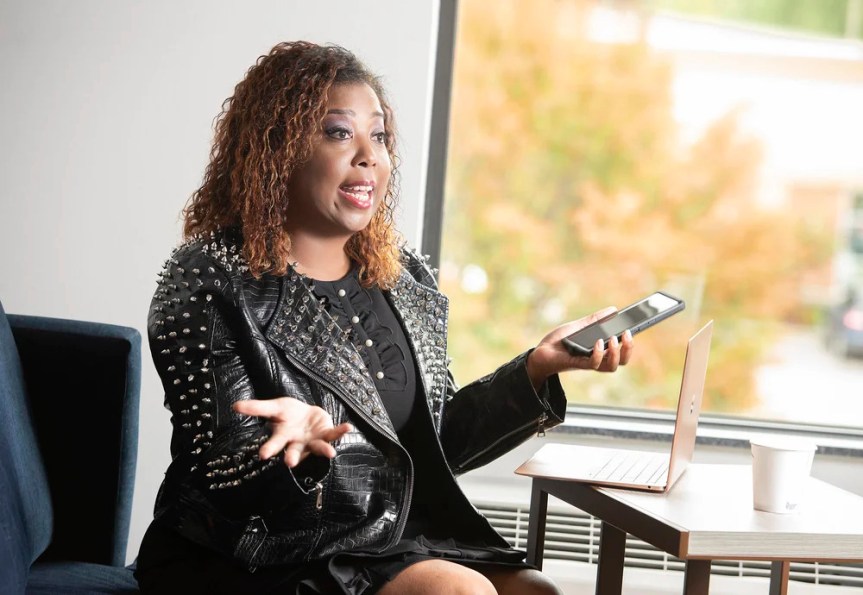
Roz Jones is a dedicated caretaker turned CEO with over a decade of experience in helping families care for and make decisions for loved ones and their legacies.Roz is a compassionate, innovative healthcare industry leader.

If your family needs support talking through care decisions, roles, and next steps, book a family care planning session with Roz Jones to create more clarity before a crisis forces rushed decisions.

Subscribe to The Caregiver Cafe Weekly Newsletter!

Caregiving can be a roller coaster of ups and downs. The information that you will receive from The Caregiver Cafe Weekly Specials Newsletter will support you as a caregiver. Remember…

1. YOU ARE NOT ALONE:ย The problems you face as a caregiver are experienced by other caregivers. Knowing that you’re not alone can be comforting.ย 

2. Tools and Resources:ย  Find caregiver stress management tools and gain perspective from other caregiver’s experiences.

3. LEARN TO:ย Ask for help, accept help when it is offered, and acknowledge yourself on this caregiving journey. Hear from experts on how to balance caregiving responsibilities by taking care of your needs and involving others to help manage the natural stress and isolation of being a caregiver.ย 

Hurricane Season Is Coming: Is Your Care Plan Ready?

By Roz Jones

If youโ€™ve been with me for a while, you know I believe in staying ready so you donโ€™t have to get ready. In Part I of this series, we talked about the basics; water, food, medications, documents, and all the essentials your aging loved one needs to stay safe when disaster strikes. If you missed that first blog or would like a refresher, you can read it here.ย 

Now, as Florida prepares for hurricane season, it is time to take that checklist a step further. Because hurricane preparation is not just about stocking up on supplies.

It is about knowing your evacuation zone.
It is about having a plan if the power goes out.
It is about making sure medications, mobility needs, oxygen, medical equipment, transportation, and communication are handled before the storm is at your door.

And caregivers, let me say this clearly: preparation is not panic.

Preparation is peace.
Preparation is protection.
Preparation is love with a plan.

Hurricane Season Requires a Different Kind of Readiness

Floridaโ€™s hurricane season officially runs from June 1 through November 30, and preparation needs to begin before there is a named storm in the forecast. For caregivers of aging loved ones, this planning has to be even more intentional.

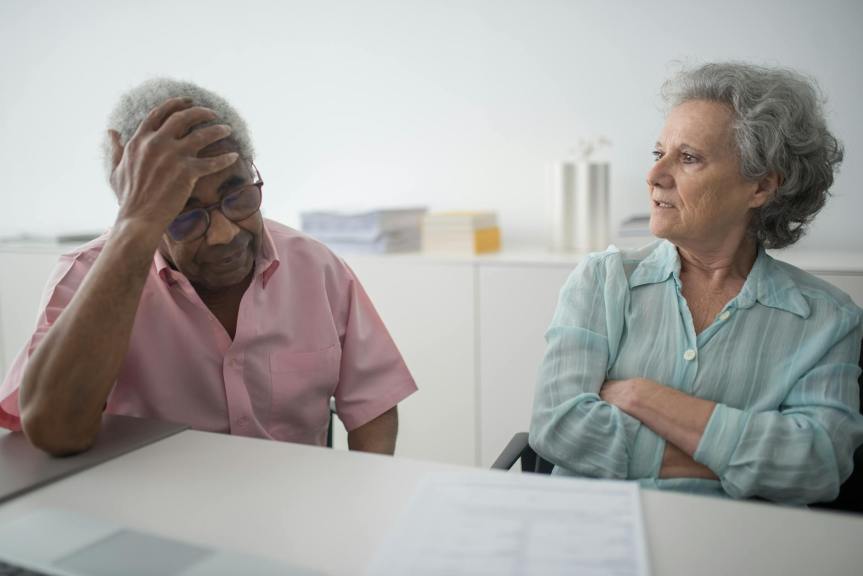
Your loved one may not be able to move quickly. They may depend on refrigerated medication, oxygen, a walker, a wheelchair, a CPAP machine, hearing aids, or daily support. They may also experience confusion, fear, or anxiety when their routine is disrupted.

That means your hurricane plan cannot be general.

It has to be personal.

It has to be built around your loved oneโ€™s health, home, body, mobility, and care needs.

Start With โ€œKnow Your Zone, Know Your Homeโ€

Before you even pack the emergency bag, find out whether your loved one lives in an evacuation zone.

The Florida Division of Emergency Management reminds residents to โ€œKnow Your Zoneโ€ and โ€œKnow Your Home,โ€ because evacuation decisions depend on where the home is located and how well it can withstand wind, rain, flooding, and storm surge.

If your aging loved one lives in Florida, make sure you know:

What evacuation zone they are in
Whether they live in a flood-prone area
Whether their home can handle strong winds and heavy rain
Where the closest shelter is
Whether they qualify for a special needs shelter
How they would evacuate if you could not get there in time

This is not the kind of information you want to search for when everyone else is already on the road.

Do it now.

Write it down.
Share it with family.
Keep a copy in their emergency folder.

Build the Hurricane Kit Around Their Daily Life

A basic hurricane kit should include water, shelf-stable food, flashlights, batteries, phone chargers, hygiene items, a first aid kit, cash, important documents, and supplies for several days.

But when you are caring for an aging loved one, you need to think beyond the basics.

Ask yourself: What does my loved one use every single day?

Then build the kit from there.

Include:

  • A current medication list
  • At least several days of essential medications, when possible
  • Doctor and pharmacy information
  • Medical insurance cards
  • Copies of ID
  • Hearing aid batteries
  • Extra eyeglasses
  • Denture supplies
  • Incontinence products
  • Mobility aids
  • A backup phone charger
  • A battery-powered radio
  • Blankets or lightweight bedding
  • Shelf-stable foods that match their dietary needs
  • Water for drinking and hygiene
  • Comfort items, such as a family photo, sweater, blanket, or small familiar object

If your loved one uses medical equipment that depends on electricity, this becomes even more important. You need a plan for backup power, charging, relocation, or evacuation.

Do not assume the power will come back quickly.
Do not assume the pharmacy will reopen the next day.
Do not assume roads will be easy to navigate after a storm.

Hope is good. A plan is better.

Make a Medication and Medical Equipment Plan

This is one of the most important parts of hurricane preparation for caregivers.

If your loved one takes daily medication, keep an updated list that includes:

  • Medication name
  • Dosage
  • Time of day it is taken
  • Prescribing doctor
  • Pharmacy contact information
  • Refill dates
  • Allergies
  • Medical conditions

If medication needs refrigeration, ask the doctor or pharmacist what to do during a power outage. If your loved one uses oxygen, dialysis, a CPAP machine, an electric wheelchair, or any other power-dependent medical equipment, call the provider before hurricane season gets active.

Ask questions like:

  • How long does the backup battery last?
  • What should we do if the power is out for more than 24 hours?
  • Can equipment be transported safely?
  • Is there a backup supplier?
  • Should the utility company be notified?
  • Does my loved one need to register for a special needs shelter?

In Florida, special needs shelters may be available for residents who need extra medical support during emergencies, but they usually require advance registration through the county or local emergency management office.

Caregivers, please do not wait until a storm is already forming to figure this out.

Have an Evacuation Plan Before the Order Comes

One of the hardest parts of hurricane season is deciding whether to stay or go.

For caregivers, that decision may involve mobility equipment, medications, pets, oxygen, transportation, dementia-related needs, or the physical ability to safely move your loved one.

That is why the evacuation plan needs to be made early.

Decide:

  • Who will pick up your loved one
  • Where they will go
  • What route they will take
  • What supplies need to go with them
  • Who has access to the house
  • Who has copies of important documents
  • What happens if the primary caregiver cannot get there
  • Whether pets are included in the plan
  • What shelter or family home is safest

And let me be direct: if local officials issue an evacuation order, take it seriously.

Storm surge, flooding, high winds, and blocked roads can create dangerous conditions quickly. A plan made ahead of time can help you move with clarity instead of fear.

Do Not Leave Communication to Chance

During a hurricane, cell service may be unreliable. Phones may die. Internet may go down. Family members may be scattered across different areas.

That is why every caregiver needs a communication plan.

Write down:

  • Primary emergency contact
  • Backup emergency contact
  • Doctorโ€™s phone number
  • Pharmacy phone number
  • Home health agency contact
  • Nearest hospital
  • Neighbors who can check in
  • Family members who should receive updates
  • County emergency management contact information

Make sure your aging loved one has these numbers written in large, readable print. Do not rely only on a cell phone contact list.

Also, make sure at least two trusted people know the plan.

Not just you.

Because caregiver, you are important too. If something happens and you cannot get there right away, someone else needs to know what to do.

Protect the Documents Before the Storm

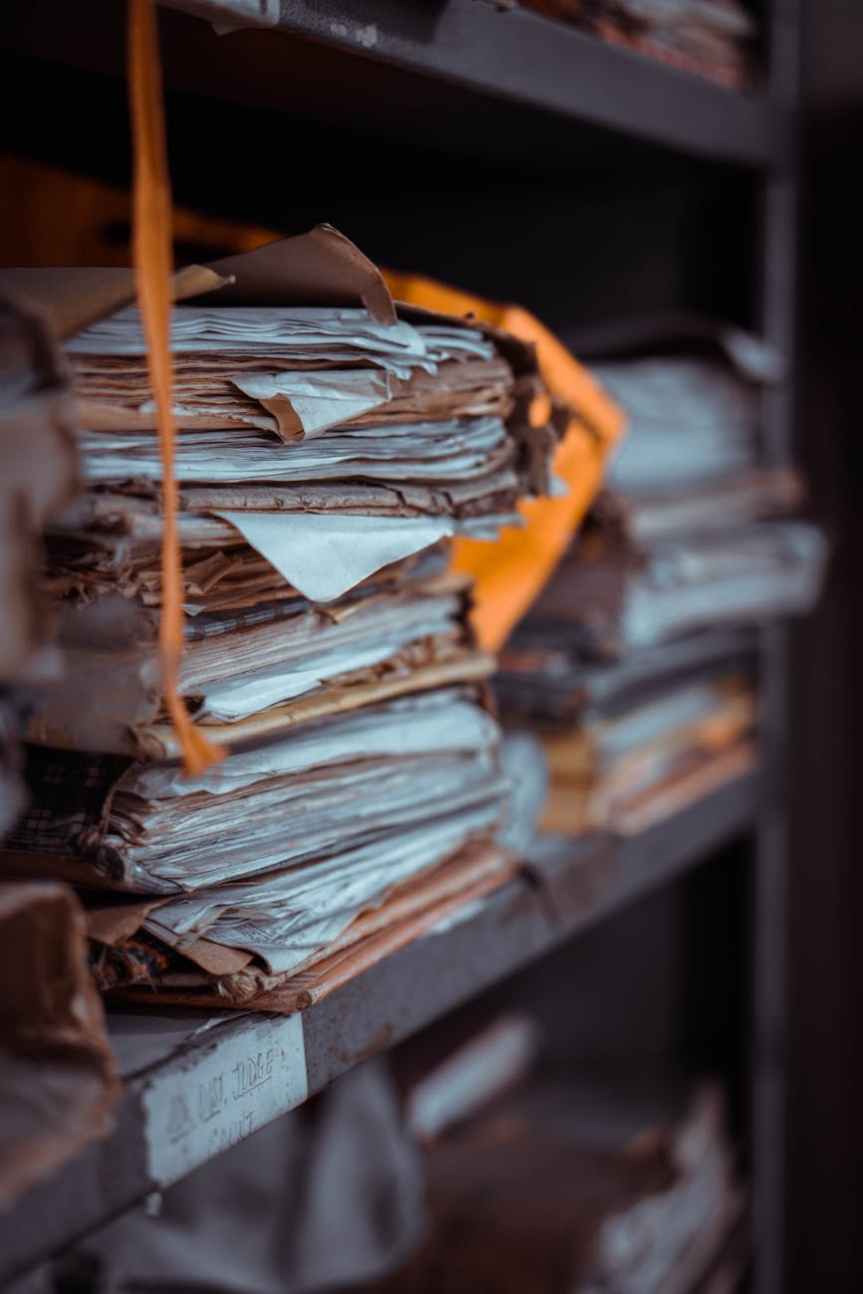
Hurricanes do not just damage homes. They can scatter paperwork, destroy records, and make it harder to access care or financial support after the storm.

Keep copies of important documents in a waterproof folder or bag.

Include:

  • Photo ID
  • Insurance cards
  • Medicare or Medicaid cards
  • Medication list
  • Medical history
  • Doctor information
  • Advance directives
  • Power of attorney documents
  • Emergency contacts
  • Home insurance or rental documents
  • Banking and financial contact information
  • Veteran benefit information, if applicable

If your loved one has advance directives, make sure the right people know where they are.

And if your family has not had those conversations yet, hurricane season is one more reason to stop putting them off.

Hard conversations are still easier before the crisis.

Plan for the Emotional Side Too

We talk a lot about water, batteries, and evacuation routes.

But caregivers also need to prepare for the emotional side of hurricane season.

Storms can be frightening for aging loved ones, especially if they have experienced past trauma, memory loss, anxiety, or confusion. Loud winds, power outages, changes in routine, and leaving home suddenly can be overwhelming.

So think about comfort, not just safety.

Have familiar items nearby.
Keep routines as steady as possible.
Explain the plan calmly and simply.
Use written reminders if your loved one gets confused.
Keep favorite snacks, music, photos, or blankets close.
Limit constant news exposure if it increases their anxiety.

Sometimes the most loving thing you can say is:

โ€œWe have a plan. You are not alone. We are going to take this one step at a time.โ€

Revisit the Plan Throughout the Season

Hurricane preparation is not something you do once and forget.

Check the kit.
Update the medications.
Refresh the water.
Replace expired food.
Charge backup batteries.
Review evacuation routes.
Update phone numbers.
Make sure documents are still current.

And if your loved one has had a recent hospital stay, new diagnosis, fall, surgery, medication change, or mobility change, update the hurricane plan right away.

The plan should match the person they are today, not who they were last year.

If you have not read the first blog, Creating a Disaster Preparedness Checklist for You and Your Aging Loved One, start there. That blog walks through the basic items every caregiver should consider when preparing for an emergency.

Read the previous blog here.

Once you have that foundation, come back to this blog and build your hurricane-season plan around your loved oneโ€™s specific care needs.

When You Can’t Do it All Give Roz a Call!

Roz Jones is a dedicated caretaker turned CEO with over a decade of experience in helping families care for and make decisions for loved ones and their legacies.Roz is a compassionate, innovative healthcare industry leader.

If your family needs support talking through care decisions, roles, and next steps, book a family care planning session with Roz Jones to create more clarity before a crisis forces rushed decisions.

Need help turning this into a real plan?

Photo by Connor Scott McManus on Pexels.com

Reading about hurricane preparations is a good first step. But caregivers also need something they can print, fill out, and keep close when the pressure is on. Roz is creating a printable Caregiver Hurricane Preparedness Checklist to help families prepare with more clarity and less last-minute panic.

This front-and-back checklist will include space for emergency contacts, medical information, supply reminders, care bag items, and recovery steps. Want first access when it is ready? Complete the interest form below.

โ† Back

Thank you for your response. โœจ

Are you currently caring for an aging loved one?

Subscribe to The Caregiver Cafe Weekly Newsletter!

Caregiving can be a roller coaster of ups and downs. The information that you will receive from The Caregiver Cafe Weekly Specials Newsletter will support you as a caregiver. Remember…

1. YOU ARE NOT ALONE:ย The problems you face as a caregiver are experienced by other caregivers. Knowing that you’re not alone can be comforting.ย 

2. Tools and Resources:ย  Find caregiver stress management tools and gain perspective from other caregiver’s experiences.

3. LEARN TO:ย Ask for help, accept help when it is offered, and acknowledge yourself on this caregiving journey. Hear from experts on how to balance caregiving responsibilities by taking care of your needs and involving others to help manage the natural stress and isolation of being a caregiver.ย 

Resources for Disaster Preparedness and Planning

By Roz Jones

Preparing for a disaster can be overwhelming, but there are many resources available to help make the process more manageable. In this blog, we’ll provide you with a list of resources for disaster preparedness and planning, so you can ensure that you and your loved ones are ready for any emergency.

  1. Ready.gov: Ready.gov is a comprehensive resource provided by the Department of Homeland Security that offers information on how to prepare for all types of emergencies, including natural disasters and terrorist attacks.
  1. FEMA: The Federal Emergency Management Agency (FEMA) provides information and resources on disaster preparedness and response, including information on evacuation routes and emergency shelters.
  1. American Red Cross: The American Red Cross offers a wide range of resources for disaster preparedness and response, including information on first aid, CPR, and emergency shelter.
  1. Centers for Disease Control and Prevention (CDC): The CDC offers resources and information on how to prepare for and respond to emergencies, including natural disasters, pandemics, and other public health emergencies.
  1. Elder Care Locator: The Elder Care Locator is a public service provided by the U.S. Administration on Aging that helps connect older adults and their families with resources in their community, including disaster preparedness and response resources.
  1. National Institute on Aging: The National Institute on Aging offers information and resources on disaster preparedness and response for older adults, including tips on how to prepare for emergencies and stay safe during and after a disaster.
  1. AARP: AARP offers a wide range of resources for older adults, including information on disaster preparedness and response, as well as resources on healthcare, finances, and caregiving.
  1. State and local emergency management agencies: Check your state and local emergency management agencies for information on disaster preparedness and response, including local evacuation routes and emergency shelters.
  1. Emergency alert systems: Sign up for emergency alert systems in your area, such as Wireless Emergency Alerts and the Emergency Alert System, to stay informed about emergencies and receive important safety information.
  1. Community emergency response teams (CERT): CERT programs provide training and resources for community members to help prepare for and respond to emergencies.

By utilizing these resources, you can ensure that you and your loved ones are prepared for any emergency. Remember to stay informed, stay prepared, and stay safe.

Seniors Storm Guide: Essential Tips for Caregivers to Prepare Loved Ones for the Hurrican Season

As a caregiver, your loved one’s safety is a top priority, especially during hurricane season. The key to reducing stress and anxiety is early preparation. Our Seniors Storm Guide is a free resource that offers essential information to help you prepare your loved one for potential storms. From packing a travel bag to checking their contact list and ensuring there are adequate emergency supplies, this guide provides tips that your loved one can actively participate in. Participation, not isolation, is key when preparing for major storms. Our Seniors Storm Guide will serve as a valuable resource that you can refer to again and again. Download it today and be prepared for anything that comes your way this hurricane season.


Stay Connected!

What to Pack for Your Aging Loved One in the Event of a Disaster

By Roz Jones

When disaster strikes, having an emergency kit prepared for your aging loved one can make all the difference in ensuring their safety and well-being. But what should you pack? In this blog, we’ll provide you with a comprehensive list of items to consider when packing for your aging loved one’s emergency kit.

  1. Medications: Pack a sufficient supply of your aging loved one’s medications, including any prescription and over-the-counter medications they may require.
  1. Medical equipment: If your aging loved one requires medical equipment, such as a nebulizer or oxygen tank, make sure to include it in their emergency kit.
  1. Personal care items: Pack personal care items such as toothbrushes, toothpaste, denture cleaner, and any other items your aging loved one may need to maintain their personal hygiene.
  1. Clothing: Pack enough clothing for your aging loved one, including underwear, socks, and comfortable, weather-appropriate clothing.
  1. Comfort items: Consider packing comfort items such as a favorite blanket, stuffed animal, or family photo to help your aging loved one feel more at ease during an emergency.
  1. Mobility aids: If your aging loved one uses a mobility aid, such as a cane, walker, or wheelchair, make sure to include it in their emergency kit.
  1. Glasses and hearing aids: Pack an extra set of glasses or hearing aids, along with any batteries or chargers needed.
  1. Important documents: Keep copies of important documents such as identification cards, medical records, and insurance policies in a waterproof container or a safe deposit box.
  1. Emergency contact information: Write down emergency contact information for your aging loved one, including their doctor’s name and phone number, and keep it in their emergency kit.
  1. Snacks and water: Pack non-perishable snacks and water for your aging loved one, along with any dietary restrictions or preferences they may have.

By packing these essential items, you can help ensure that your aging loved one is prepared for an emergency. Don’t forget to update their emergency kit regularly to ensure that their supplies and information are up-to-date and ready when needed.

Seniors Storm Guide: Essential Tips for Caregivers to Prepare Loved Ones for the Hurrican Season

As a caregiver, your loved one’s safety is a top priority, especially during hurricane season. The key to reducing stress and anxiety is early preparation. Our Seniors Storm Guide is a free resource that offers essential information to help you prepare your loved one for potential storms. From packing a travel bag to checking their contact list and ensuring there are adequate emergency supplies, this guide provides tips that your loved one can actively participate in. Participation, not isolation, is key when preparing for major storms. Our Seniors Storm Guide will serve as a valuable resource that you can refer to again and again. Download it today and be prepared for anything that comes your way this hurricane season.


Stay Connected!

Creating a Disaster Preparedness Checklist for You and Your Aging Loved One

By Roz Jones

Disasters can happen at any time and in any place, and being prepared for them can make all the difference in ensuring your safety and that of your loved ones. If you have an aging loved one, it’s important to create a disaster preparedness checklist that takes into account their specific needs and requirements. In this blog, we’ll provide you with a comprehensive list of items to consider when preparing for an emergency.

  1. Water: Plan for at least one gallon of water per person per day for at least three days, and don’t forget to include enough water for your aging loved one’s specific needs, such as drinking water or water needed for medical equipment.
  1. Non-perishable food: Prepare at least a three-day supply of non-perishable food that doesn’t require cooking, such as canned goods, energy bars, and dried fruits.
  1. Medications: Ensure that you have a sufficient supply of your aging loved one’s medications, as well as any medical supplies that they may require, such as a nebulizer or oxygen tank.
  1. First aid kit: Prepare a first aid kit that includes basic supplies like bandages, gauze, antiseptic wipes, and over-the-counter pain relievers.
  1. Personal documents: Keep copies of important documents like insurance policies, medical records, and identification cards in a waterproof container or a safe deposit box.
  1. Emergency cash: Keep some cash on hand in case ATMs and credit card systems are down.
  1. Flashlights and batteries: Ensure that you have enough flashlights and extra batteries for all members of your household, including your aging loved one.
  1. Blankets and warm clothing: Prepare warm clothing and blankets to help protect against the cold and wet weather conditions that can accompany many disasters.
  1. Communication devices: Consider having a battery-powered radio or a charged cell phone on hand to stay informed about emergency alerts and updates.
  1. Additional items for aging loved ones: Additional items to consider for your aging loved one’s emergency kit include hearing aids and batteries, glasses, mobility aids like a cane or walker, and comfort items like a favorite blanket or photo album.

By creating a disaster preparedness checklist for you and your aging loved one, you can take steps to ensure that you are both prepared for an emergency. Don’t forget to check and update your checklist regularly to ensure that your supplies and information are up-to-date and ready when needed.


Seniors Storm Guide: Essential Tips for Caregivers to Prepare Loved Ones for the Hurrican Season

As a caregiver, your loved one’s safety is a top priority, especially during hurricane season. The key to reducing stress and anxiety is early preparation. Our Seniors Storm Guide is a free resource that offers essential information to help you prepare your loved one for potential storms. From packing a travel bag to checking their contact list and ensuring there are adequate emergency supplies, this guide provides tips that your loved one can actively participate in. Participation, not isolation, is key when preparing for major storms. Our Seniors Storm Guide will serve as a valuable resource that you can refer to again and again. Download it today and be prepared for anything that comes your way this hurricane season.


Stay Connected!